Local detail
The Common Mistake
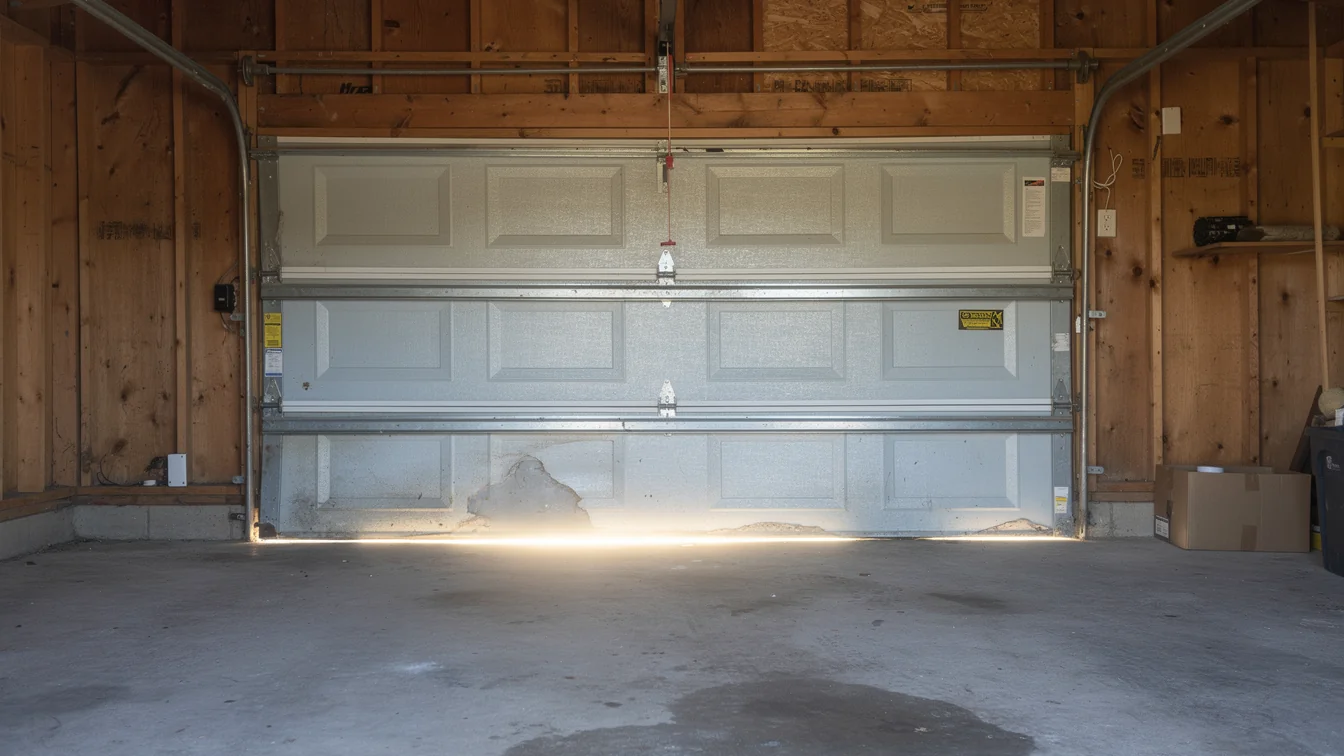
Homeowners here treat the garage door like it's the same age as the roof shingles or the water heater - something replaced on a schedule somewhere in the last decade. In San Dimas, that's usually wrong. Housing in this area was built mostly between 1943 and 1987, with the median landing around 1963, and a lot of that stock never had the door swapped out, just patched. You get a new opener bolted onto an old track, or a replacement panel on original hinges, and the whole assembly ends up a mix of decades that nobody who installed it is around to explain. The mistake isn't ignoring the door - it's assuming it's younger than the house. If your place falls into that 1960s-70s band that covers most of the 27 named areas around here, the spring, the drum, and the track hardware behind that opener may well be original. That changes what a repair call actually involves, because parts made in 1968 don't match parts sold today, and a tech has to work around that instead of just swapping in a universal kit.
The area
The Situation
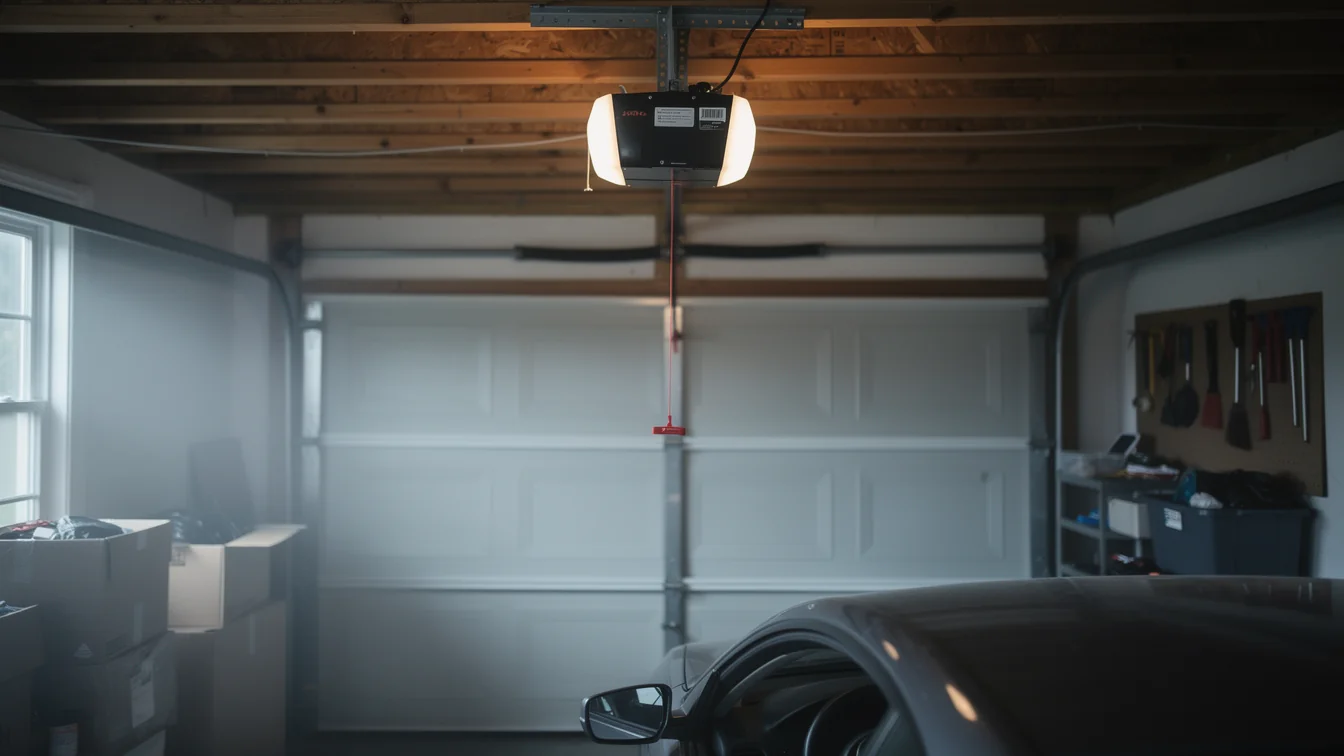
With median household income here at $104,565 and a large share of owner-occupied houses - 83,946 out of 161,556 households across the service area - a lot of San Dimas owners can afford to fix a door properly instead of limping it along, but a lot don't realize there's anything to fix until it stops moving. A door built to 1960s-70s spec was sized and hung for a lighter panel than what's common now, which means when a replacement panel goes in, the spring tension from the original setup is often wrong for the new weight. Nobody notices this at install. They notice it two years later when the cable frays or the opener strains on every lift. This isn't a problem unique to one street - it's a pattern that shows up across the older tracts here because the base housing era is so consistent.
What we find
What the Weather Here Does to It
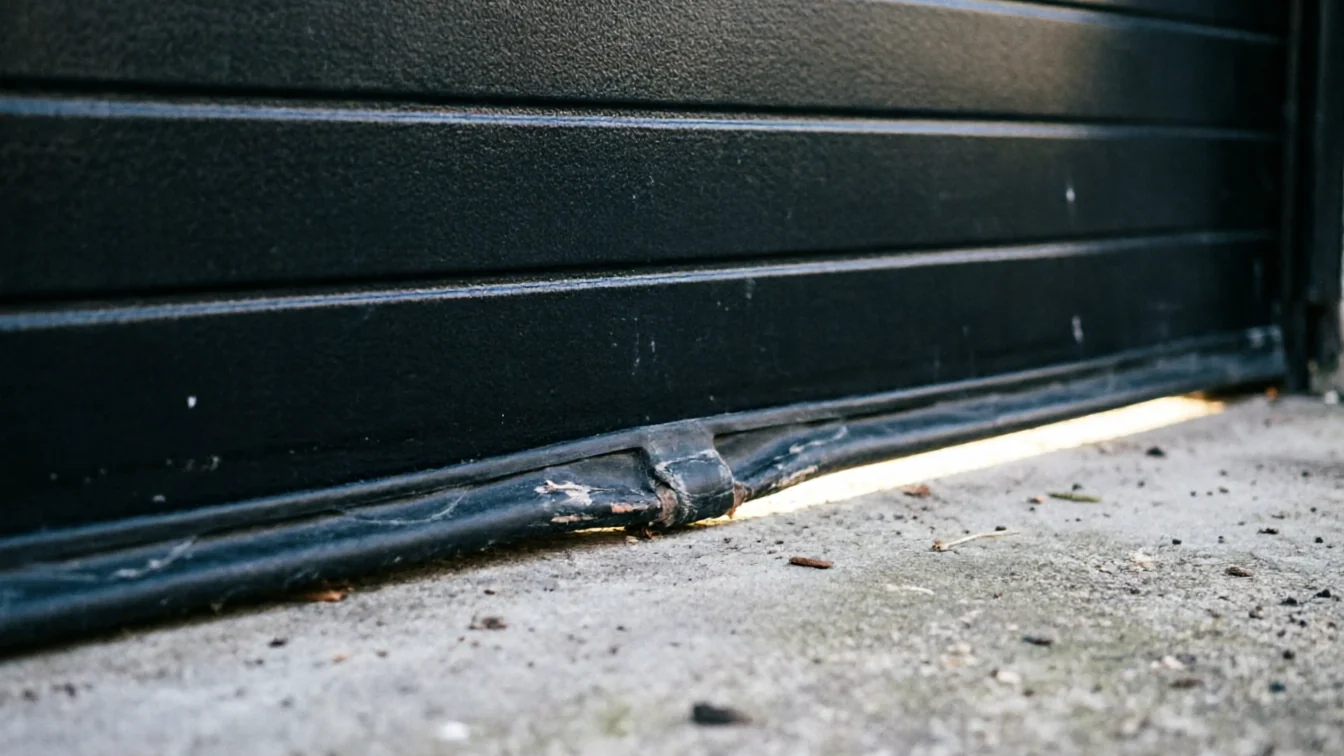
San Dimas sits in a moderate heat climate band, not the extreme swings you'd get further out, but moderate heat still does slow, steady work on old hardware. Metal track brackets expand and contract across the warm months, and on a door that's forty or fifty years old, the mounting screws loosen bit by bit instead of all at once. Weather seals and draughts are the part owners notice last and feel first - a bottom seal that's hardened and cracked from years of heat cycling won't show up as a visible problem, it shows up as a gap you feel when you walk past the door on a hot afternoon. On original 1960s-70s doors, the seal channel itself is often the wrong width for seals sold today, so a straight swap doesn't always seat right. That's worth checking before you assume a draft means the whole door needs replacing.
How we work
What to Look At First
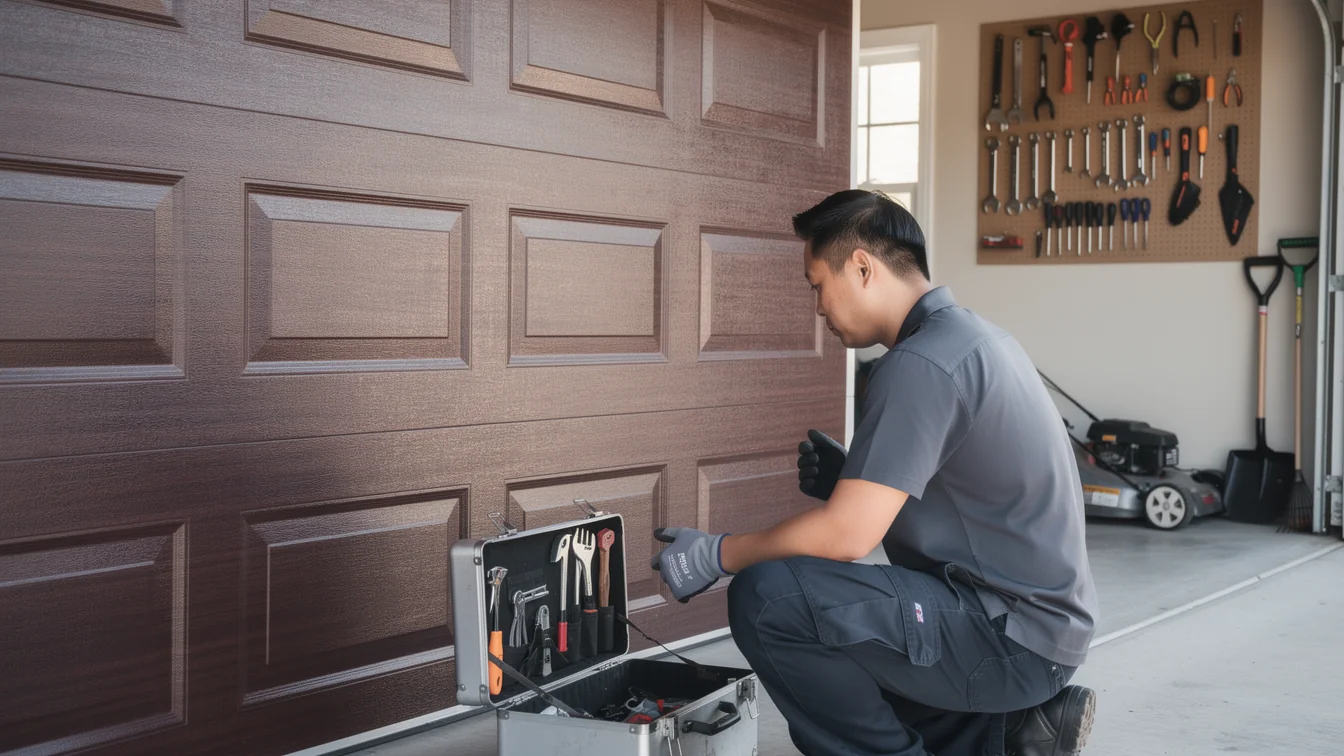
Start with the spring. If your house falls in that 1943-1987 build range, and especially near that 1963 median, ask whether the torsion spring has ever been replaced - most original springs are long past their rated cycle count by now, even if they haven't snapped yet. Next, look at the track mounting brackets for movement, since moderate-heat expansion and contraction loosens these over years, not days. Check the bottom seal for hardening or cracking, and don't assume a new seal off the shelf will fit an old channel without checking width first. One limitation worth saying plainly: if the track itself is bent or the drum is an obsolete size, we don't always have that exact part on the truck, and a same-day fix isn't guaranteed on older hardware - sometimes it means ordering a piece before the job finishes. Better to know that going in than be surprised by it.
Talk to a local pro
Garage door trouble in San Dimas?
Same-day service with honest, upfront quotes.