The Symptom
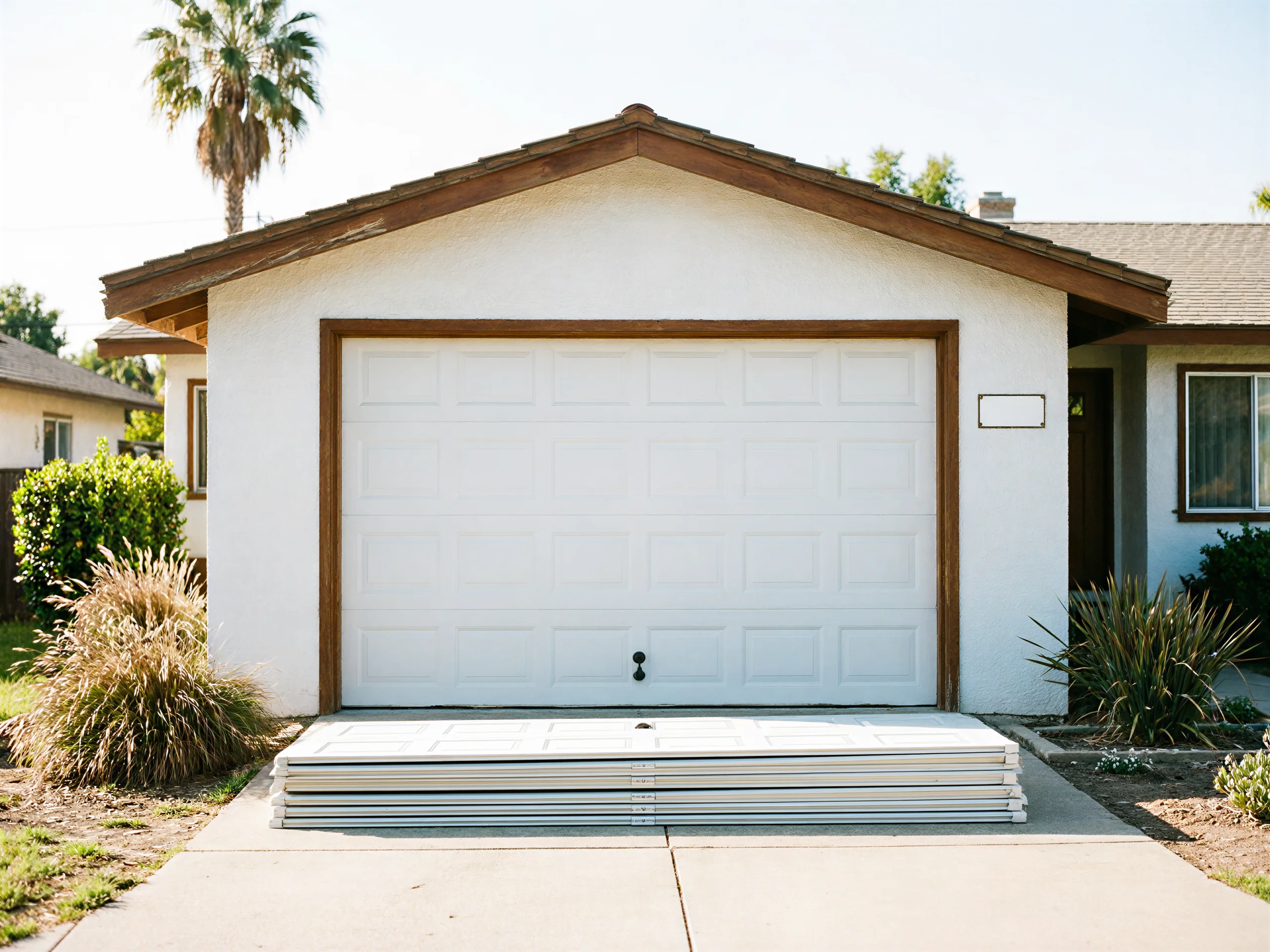
You'll usually notice it before the door stops working right. A panel that's bowed outward or caved in on the bottom section, a crack running along a seam, rust bubbling up through paint near the bottom edge where sprinkler overspray or runoff hits it over the years, or a chunk missing where something hit it.
Cosmetic panel damage
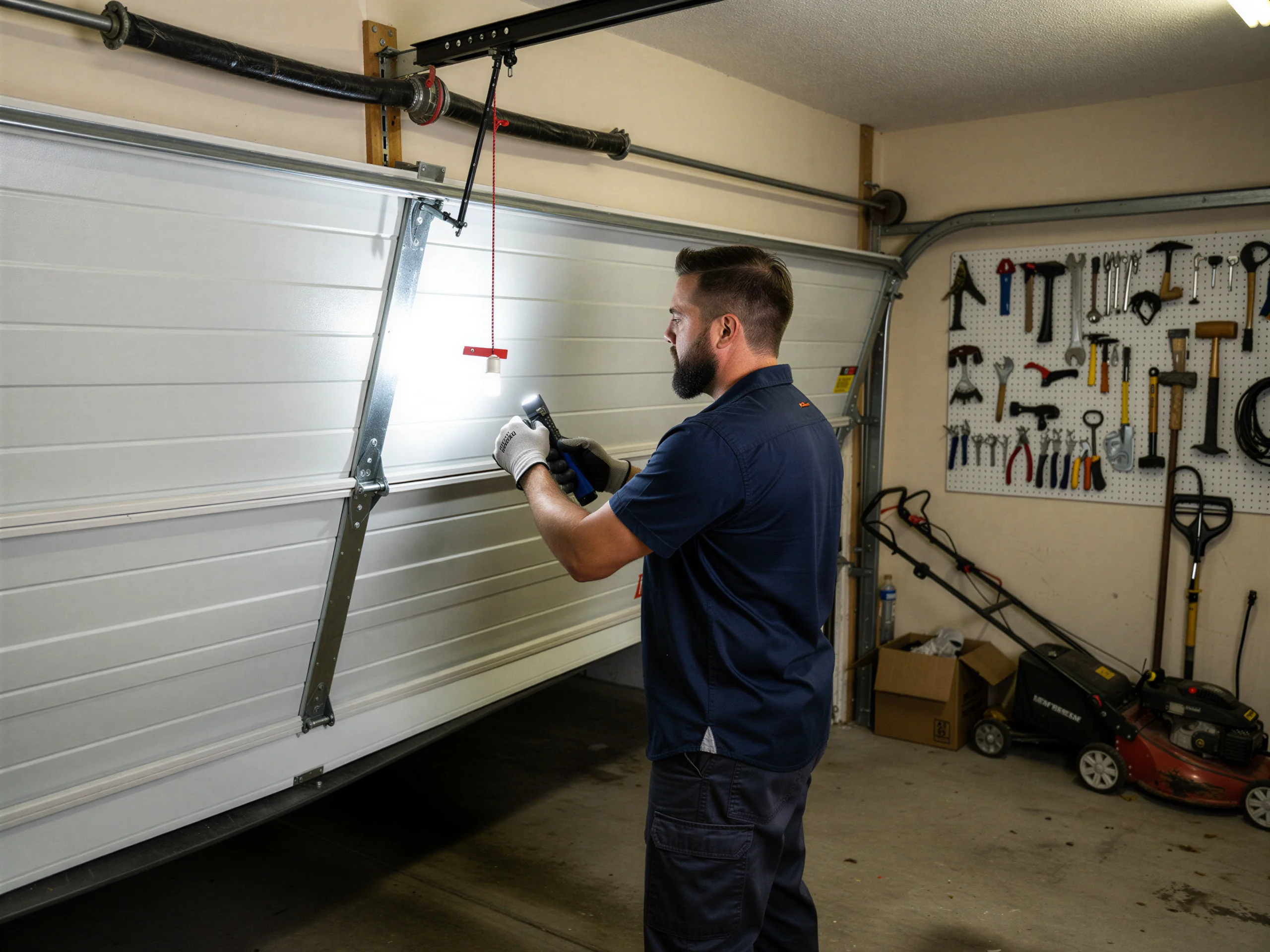
Sometimes the door still opens and closes fine and the damage is cosmetic. Other times a bent panel throws the whole section out of square, and you'll hear the rollers grinding in the track or see the door binding partway up.
Bottom panel abuse
If only the bottom panel is affected, that's often the one taking the most abuse anyway - curb hits, kids, the occasional trash can. Upper panel damage is rarer and more often from age and weather exposure than impact.
Single panel, sound door
Either way, a damaged panel on an otherwise sound door is usually a sign the rest of the door is fine; it's not a reason to assume you need a whole new unit.
How We Fix It
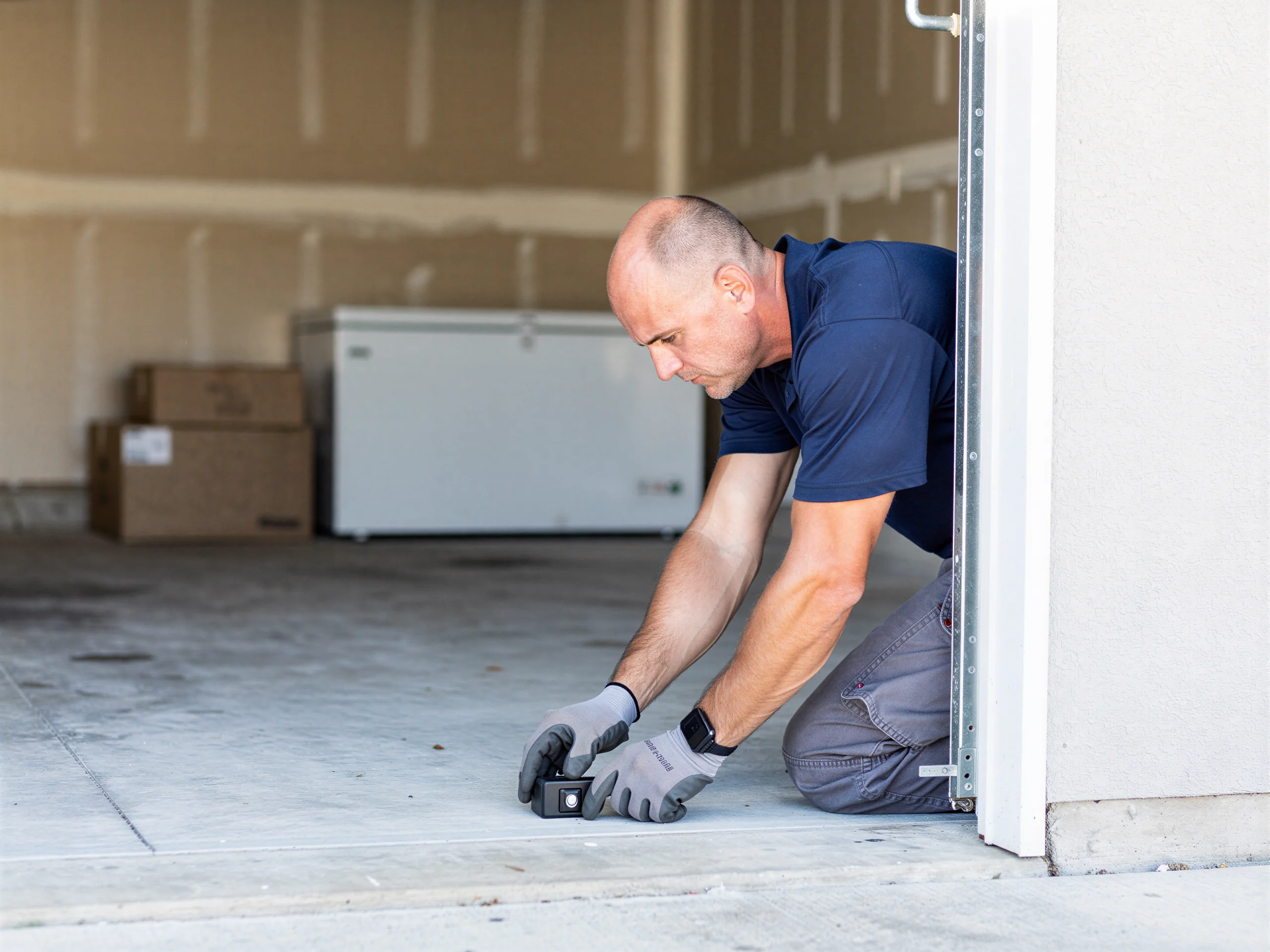
First we figure out whether your door's panel sizing is still in production or whether we're sourcing an obsolete match - that changes the timeline more than anything else.
Measuring width and hinges
On doors from the 1960s-70s stock common in this area, we check width, panel height, and hinge spacing against what's currently available before we quote anything. Sometimes we can get a close enough match that paint and age hide the seam; sometimes the honest answer is that the exact panel doesn't exist anymore and full door replacement makes more sense than chasing parts.
Step-by-step panel swap
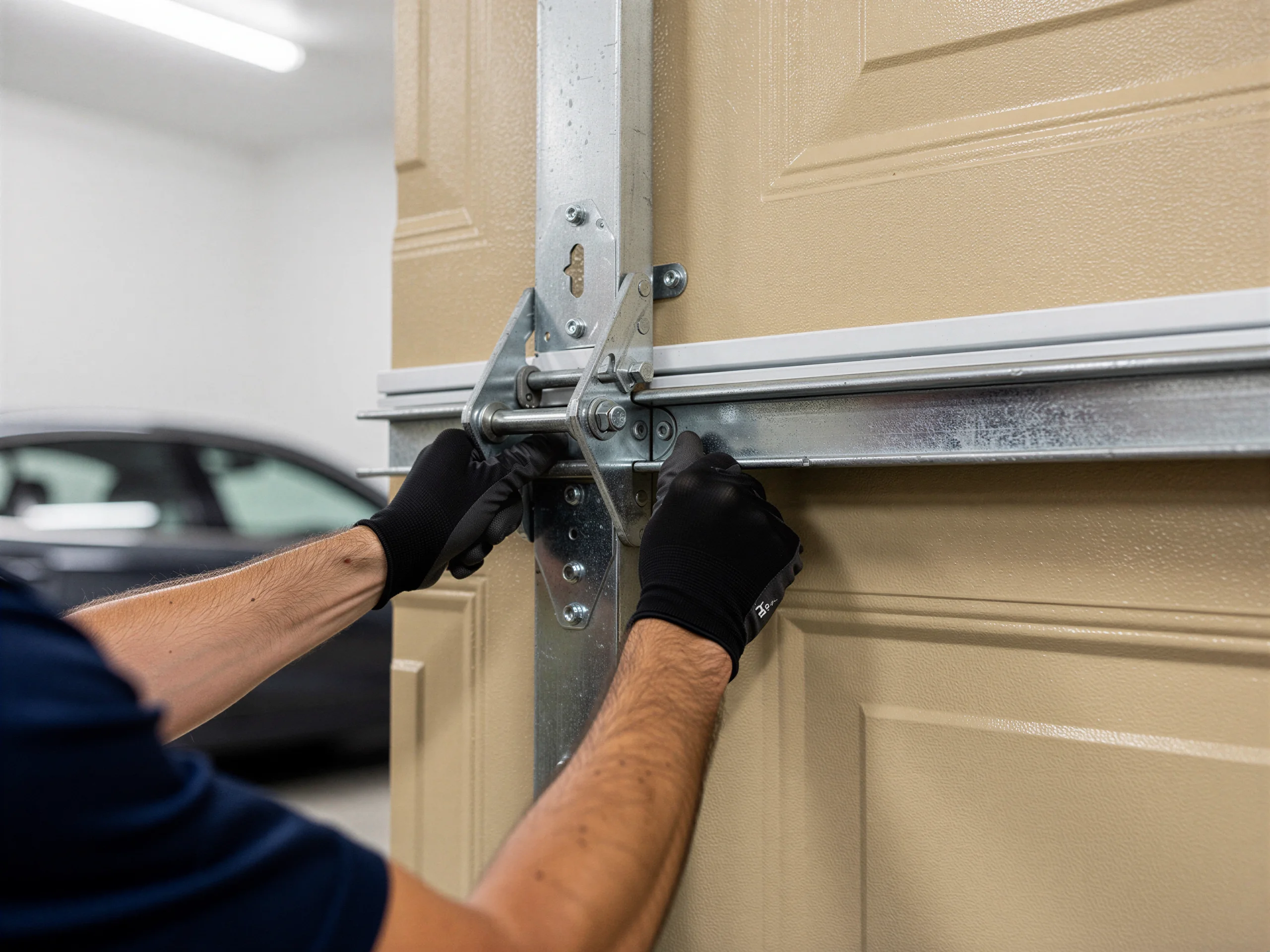
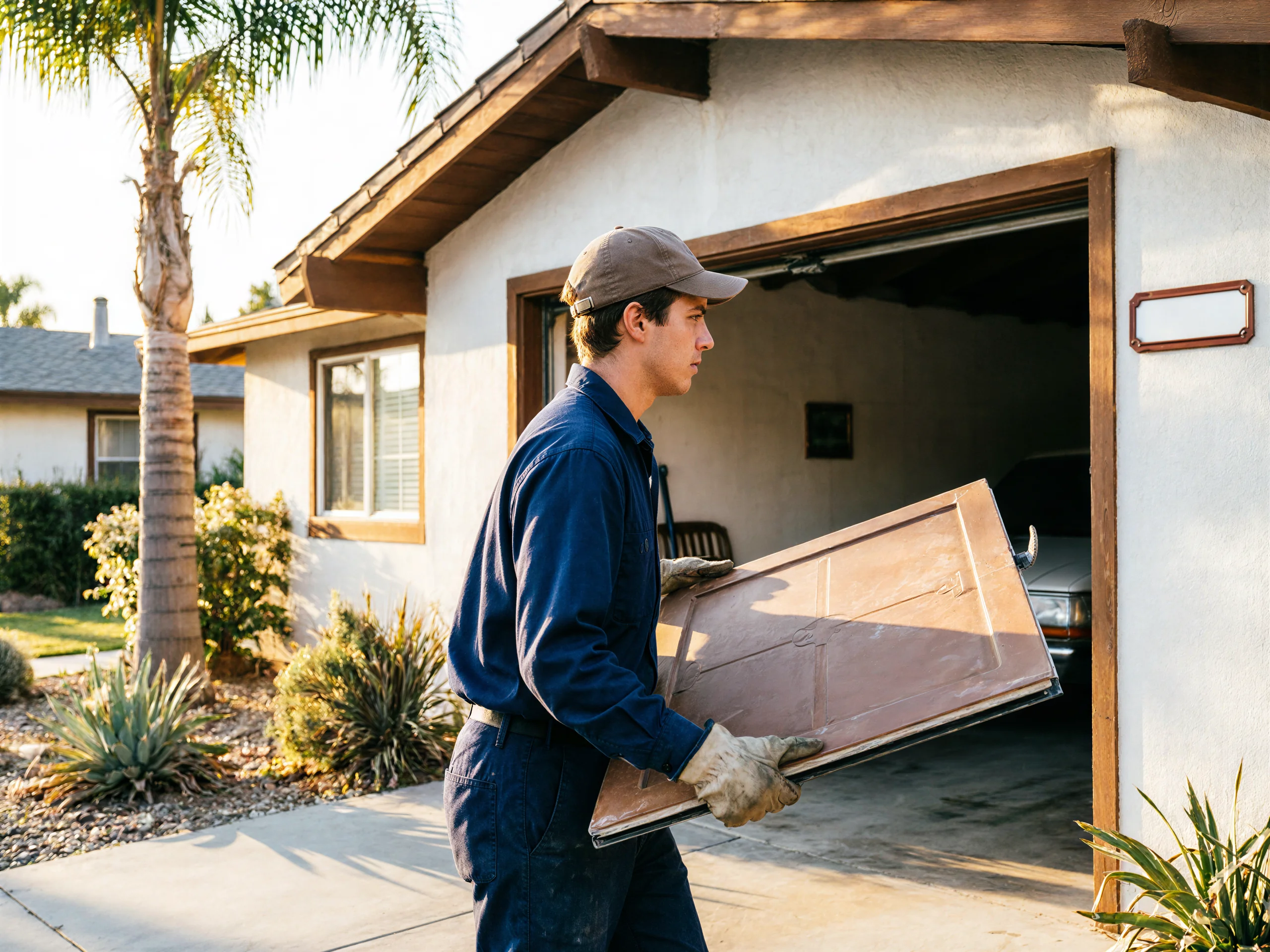
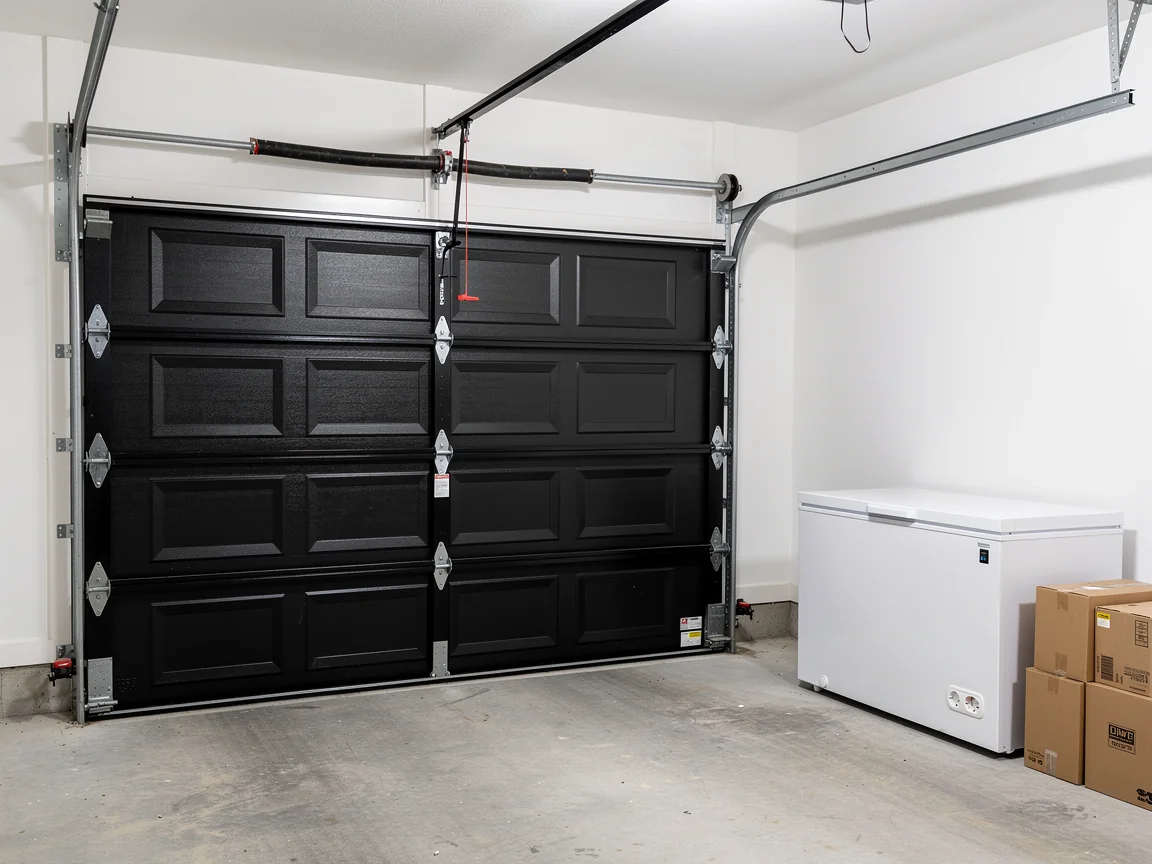
Once we've got the right panel, the job itself is straightforward: release spring tension, disconnect the damaged section from the track and adjoining panels, swap it, re-hang, and re-tension. We check the whole door while we're in there - rollers, cables, hinges - since a door old enough to need a panel match is often due for other wear parts too.
Drum too far gone
We won't sell you a new panel on a door where the drum and shaft are too far gone to be worth it; in that case we'll tell you straight that replacement is the better money.
Doing It Yourself
A single cracked or dented panel looks like a weekend fix, and sometimes it is. If your door is a newer sectional model with a common panel size, you can order a replacement panel from the manufacturer, pull the end hinges, swap it in, and be done in an afternoon.
Discontinued older panel sizes
The trouble starts when the door is older or was installed before standardized panel sizing became the norm - which describes a lot of doors in this part of the valley, where housing went up between 1943 and 1987, median 1963.
Tension disconnect hazard
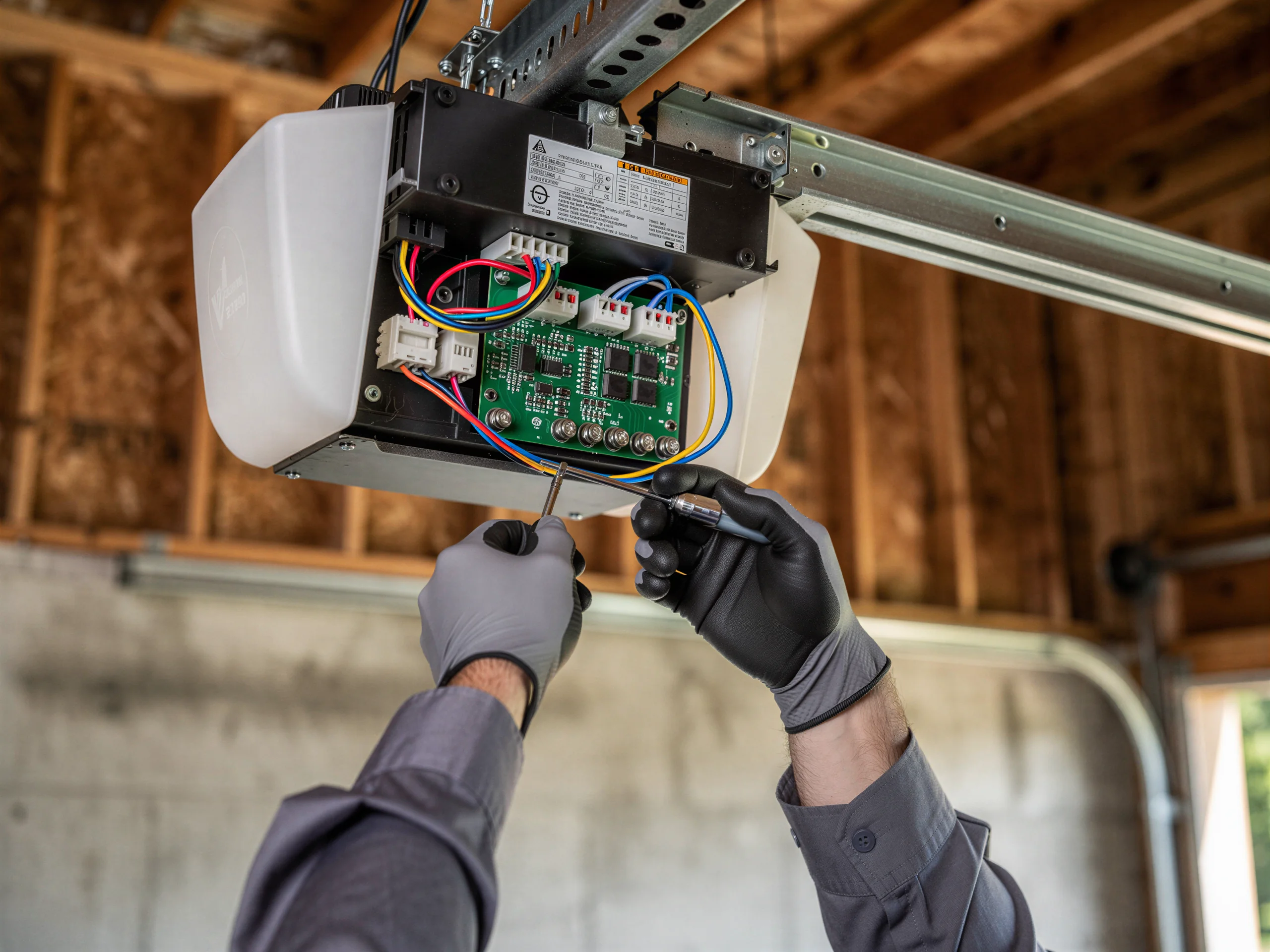
On a door that old, the manufacturer may not sell that panel anymore, or the panel height doesn't match what's currently on the shelf. There's also the hardware side. Pulling panels means disconnecting the torsion spring system under tension, and on an older door the cable routing and hinge spacing aren't always what the instructions in a new panel kit assume.
DIY jobs stall
We've seen plenty of DIY jobs turn into a stuck door and a trip to buy the tools to finish what was started. If you've got a newer door, matching parts, and you're comfortable working around spring tension, go for it. If you're not sure which category you're in, that uncertainty itself is worth a phone call before you start pulling fasteners.
Why It Happens Here
Most of the doors we get called out for panel damage sit on houses built in that same 1943-1987 window, with a lot of them dating right around 1963 - the median for this stretch of the valley. Doors from that era were often steel or wood sectional units with lighter gauge panels than what's sold today, and after six decades of sun and use, the steel oxidizes from the inside out and the wood dries and splits at the seams. That's a material fatigue problem more than a weather-event problem.
Our climate band here runs moderate on heat, not the extreme swings you'd get further inland, so we don't see the dramatic warping that shows up in hotter zones. What we see instead is slower: panels that have taken thousands of small thermal expansion-and-contraction cycles over fifty-plus years, plus the occasional car bumper or basketball impact that a newer, thicker panel would have shrugged off. Across the service area - 83,946 owner-occupied houses out of 161,556 households total - that older housing stock means panel replacement calls are steady work, not a seasonal spike tied to storms.
Talk to a local pro
Garage door service in San Dimas?
Same-day service with honest, upfront quotes.