Local detail
The Common Mistake
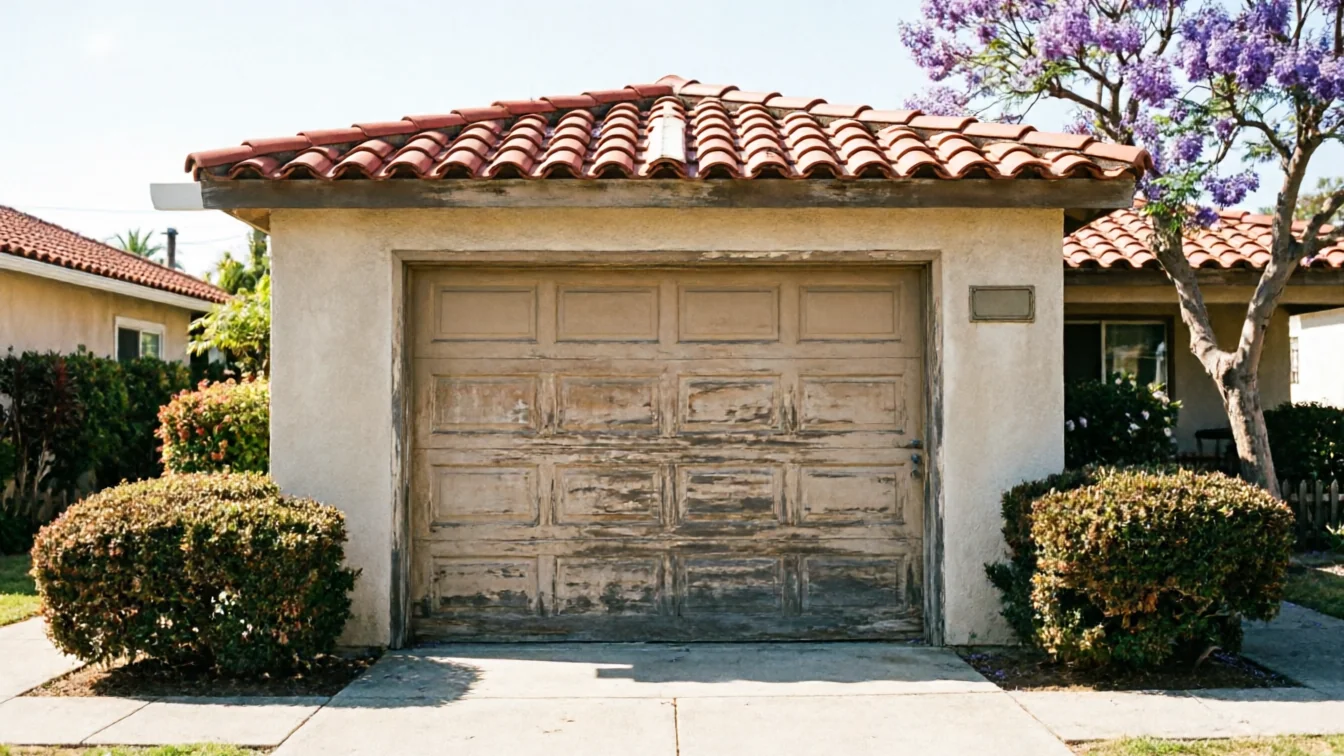
The mistake we see most in San Dimas is treating every noisy or slow door the same way, whether it's five years old or fifty. Houses here went up mostly between 1943 and 1987, with the median landing around 1963, so a huge share of the doors we get called out on are original to the house or close to it. People call wanting a quote to "fix the spring" without knowing that spring is sitting on hardware that hasn't been made in decades. Replacing one part on a door that old sometimes means hunting down a compatible bracket or drum, which can cost more in labor than the part itself. The other side of the mistake is the opposite: assuming because a door is old it should just be torn out. A well-built 1960s door with solid wood panels and a steel track, properly maintained, can outlast a cheap new one. The right call depends on what's actually failed and whether the rest of the system still has life in it, not on the birth year alone.
The area
The Situation
With median household income in this area around $104,565 and roughly 83,946 owner-occupied houses out of 161,556 households, a lot of San Dimas owners are sitting on a decision between a $200-400 repair and a full door replacement that runs well into four figures. Because most of this housing stock dates to the 1960s-70s build wave, the doors in question are usually one of two things: the original door with original torsion or extension hardware, or a replacement put in sometime in the 80s or 90s when the first one wore out. Neither is automatically the wrong one to keep. What matters is whether the track is still straight, whether the panels are rotted or just cosmetically tired, and whether the opener (if there is one) is original or already swapped. A door from this era that's been kept dry and lubricated is often mechanically sound even if it looks dated.
What we find
What the Weather Here Does to It
San Dimas sits in a moderate heat band, not desert extreme, but moderate heat still does real work on an older door over sixty-plus years of summers. Steel panels expand and contract daily, which loosens screws at the hinges faster than people expect. Grease and lubricant on 1960s-era rollers and hinges dries out and gums up with dust pulled in during hot, dry stretches, and on a door that old the hardware wasn't designed with today's synthetic lubricants in mind, so it needs more frequent attention, not less. Wood panel doors from that build era, common on houses with that 1963 median date, are especially prone to warping where the sun hits one side of the door more than the other across a long afternoon. None of this means the door is failing structurally. It means the moving parts are working harder in heat than they were when the house was built, and a door that's gone unserviced for years under that kind of cycling is usually tighter on one side than the other by the time anyone notices.
How we work
What to Look At First
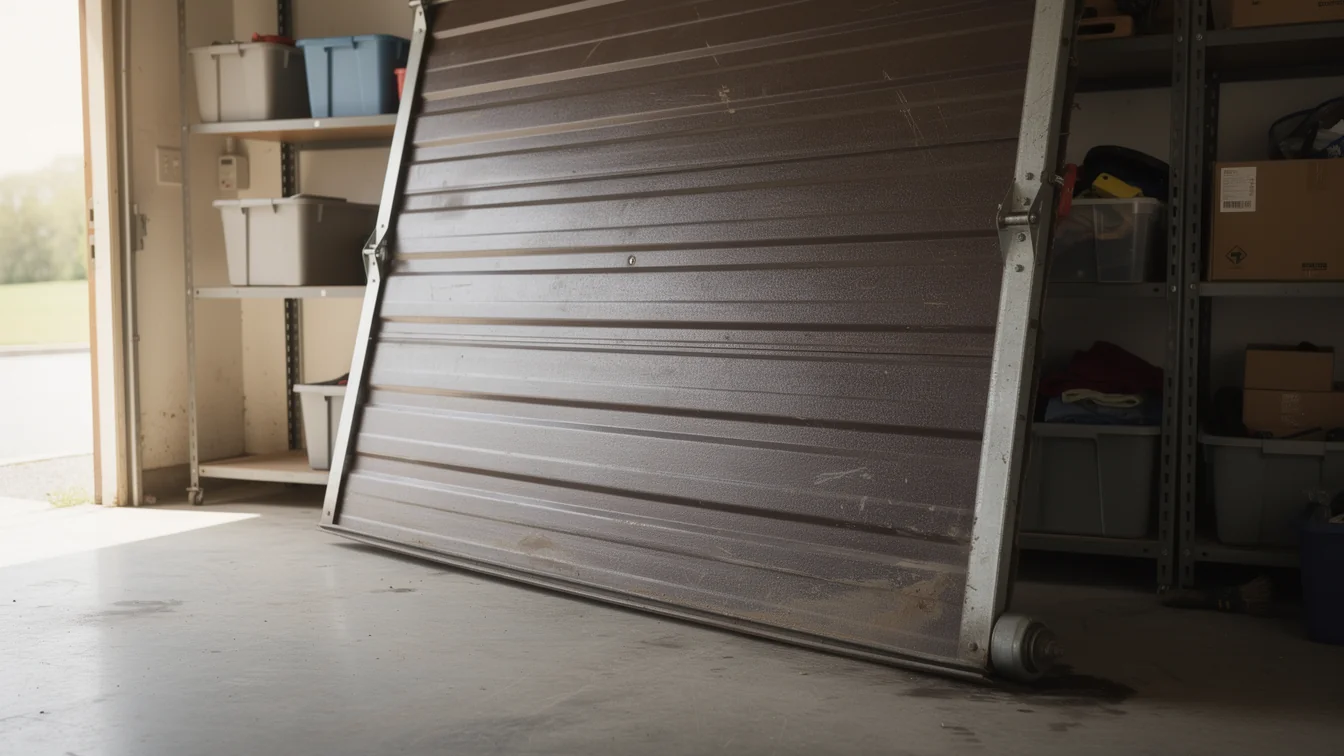
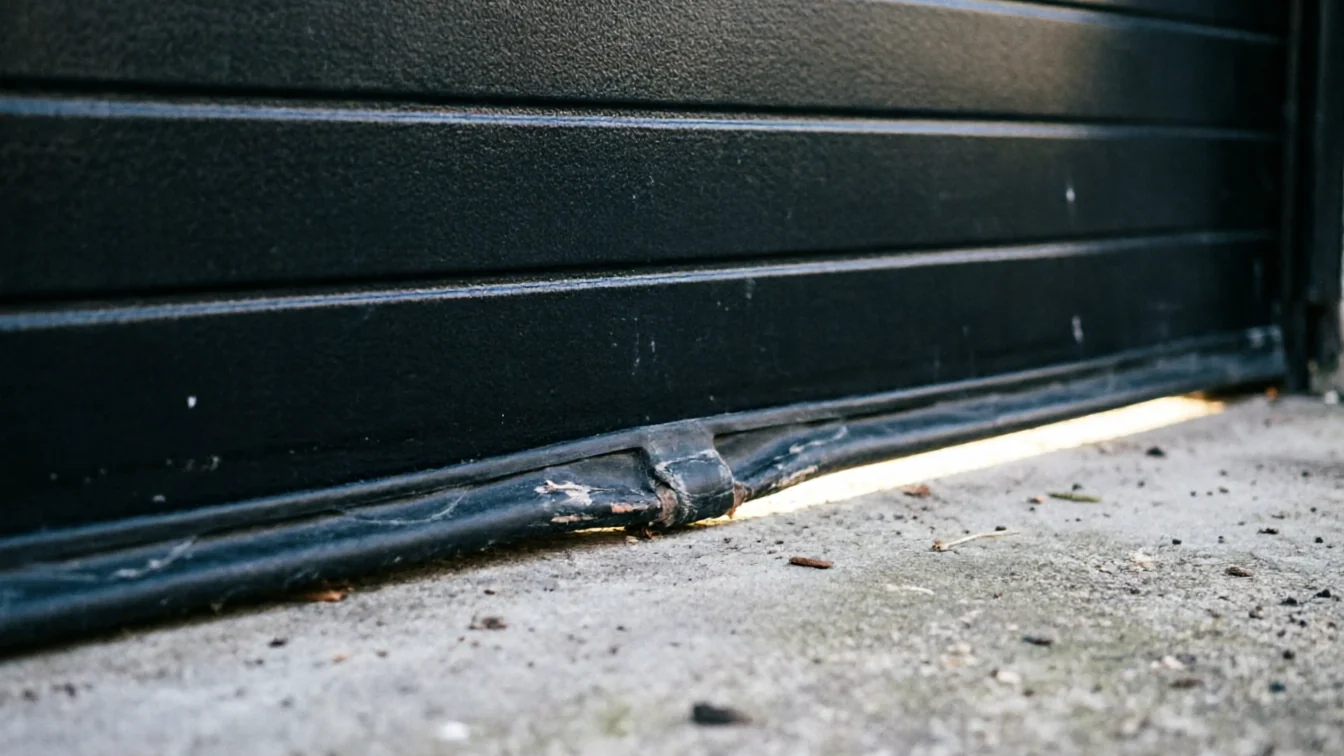
Before you decide to repair or replace, start with the track alignment and the panel bottoms, since those two things tell you most of what you need to know on a door from the 1943-1987 build era common in San Dimas. If the bottom panel is intact and the track isn't bent, a spring or cable repair is almost always worth it regardless of the door's age. If the bottom panel has rot or rust through the steel, or the track has been knocked out of alignment and re-shimmed more than once, that's usually the point where repair cost starts to catch up to replacement cost. We'll be honest: we don't always know which way a given door will go until we've got eyes on it in person, and sometimes the honest answer is that a repair will hold for a year or two but not longer, which is still useful information for deciding what to do next.
Talk to a local pro
Garage door trouble in San Dimas?
Same-day service with honest, upfront quotes.