Local detail
The Common Mistake
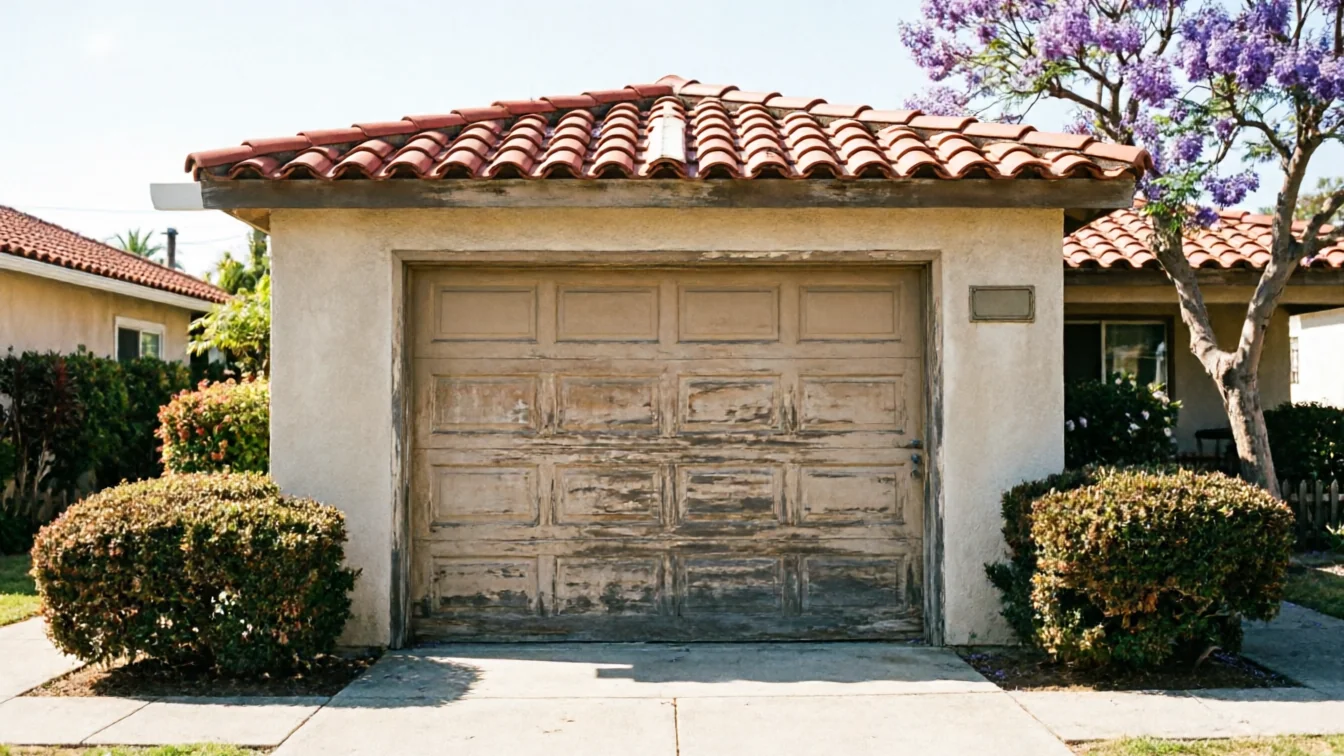
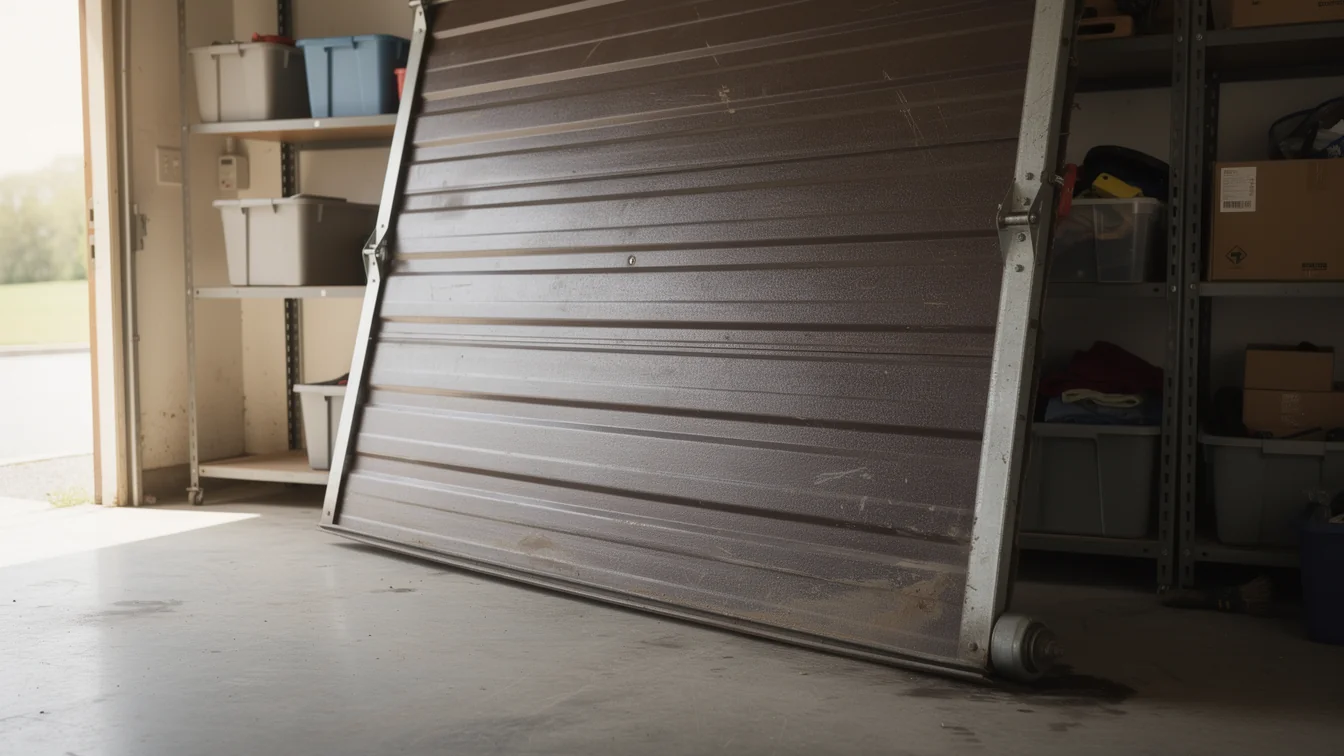
Most people assume a door comes off track because of one bad moment - a storm, a hard slam, a car bumper clipping it. Around here that's rarely the real story. San Dimas housing mostly went up between 1943 and 1987, with the median build year sitting around 1963, and a lot of those garages still carry their original track brackets. A bracket that's been bolted to the same framing member for sixty years doesn't fail because of one event. It fails because the wood it's lagged into has shrunk a little every year, the bolts have backed out a sixteenth of a turn at a time, and nobody's checked them since the door was installed. By the time the door actually jumps track, the groundwork was laid years earlier. Blaming the last thing that happened - a slammed door, a gust of wind - misses what's actually loose underneath.
The area
The Situation
San Dimas is part of a wider stretch of the San Gabriel Valley where the housing stock skews 1960s and 70s - the same wave that built La Verne two miles over and Claremont six miles out. That generation of garage door installs used lighter-gauge track and bracket hardware than what goes up in new construction today. It held up fine for decades under normal use. What it wasn't built for is going unexamined for that long. On a lot of these original setups, the horizontal track has sagged slightly where it meets the vertical section, the roller brackets have worked loose at the lag screws, and the track-to-jamb fasteners are the same ones from the original install. None of that shows up as a problem until the door is cycled a few thousand more times than it was in year one, and then one ordinary opening is the one where a roller finally rides up and off the rail.
What we find
What the Weather Here Does to It
San Dimas sits in a moderate heat band, not a freeze-thaw climate, and that matters for how doors fail here versus somewhere that gets hard winters. You don't get the ground heaving under a slab and twisting a track out of square overnight. What you get instead is decades of steady warm-to-hot cycling that slowly dries out the factory grease on rollers and track, leaves the steel slightly more brittle at the joints, and lets bracket bolts creep loose as the metal expands and contracts through each hot afternoon and cooler night. It's a slower kind of wear than a freeze climate produces, but it adds up the same way over a sixty-year-old bracket. The honest limitation here: heat alone rarely snaps a door off track in one shot. It's the accumulation, paired with original-era hardware, that eventually lets one rough cycle finish the job.
How we work
What to Look At First
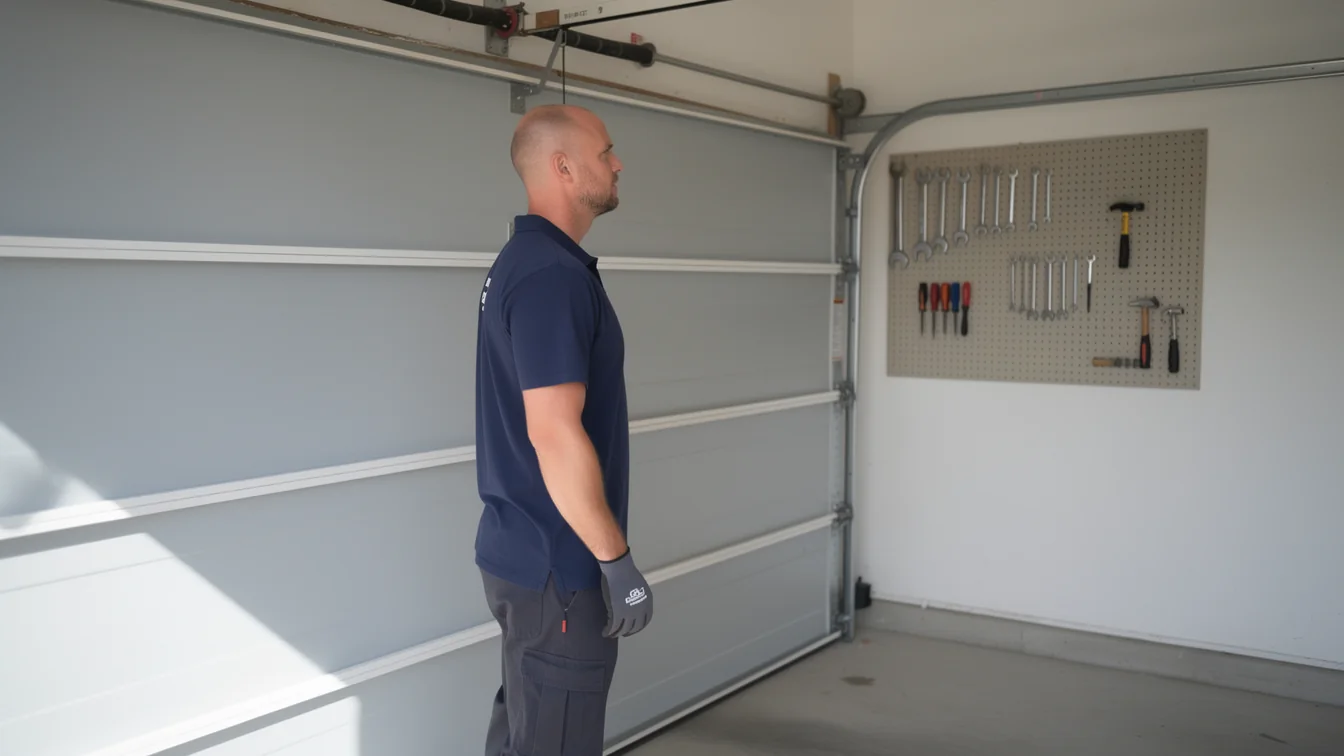
Before you assume the opener or the spring is the problem, look at the track itself. Stand the door open halfway and sight down each vertical rail - any gap where it pulls away from the bracket, or any spot where the rail bows instead of running straight, is where the trouble usually starts. Check the lag bolts holding the brackets to the framing; on a lot of original-era installs in this area, those have backed out enough to wiggle by hand. Look at the rollers too - dried-out grease and a roller that's worn narrower than the track groove is a common pairing on hardware from the 1960s-70s build era. What we won't tell you to do is bend the track back into place yourself. A track that's out of alignment is usually also carrying spring tension, and forcing it straight without releasing that tension is how a minor fix turns into a trip to the ER. That part's worth a call.
Talk to a local pro
Garage door trouble in San Dimas?
Same-day service with honest, upfront quotes.