Local detail
The Common Mistake
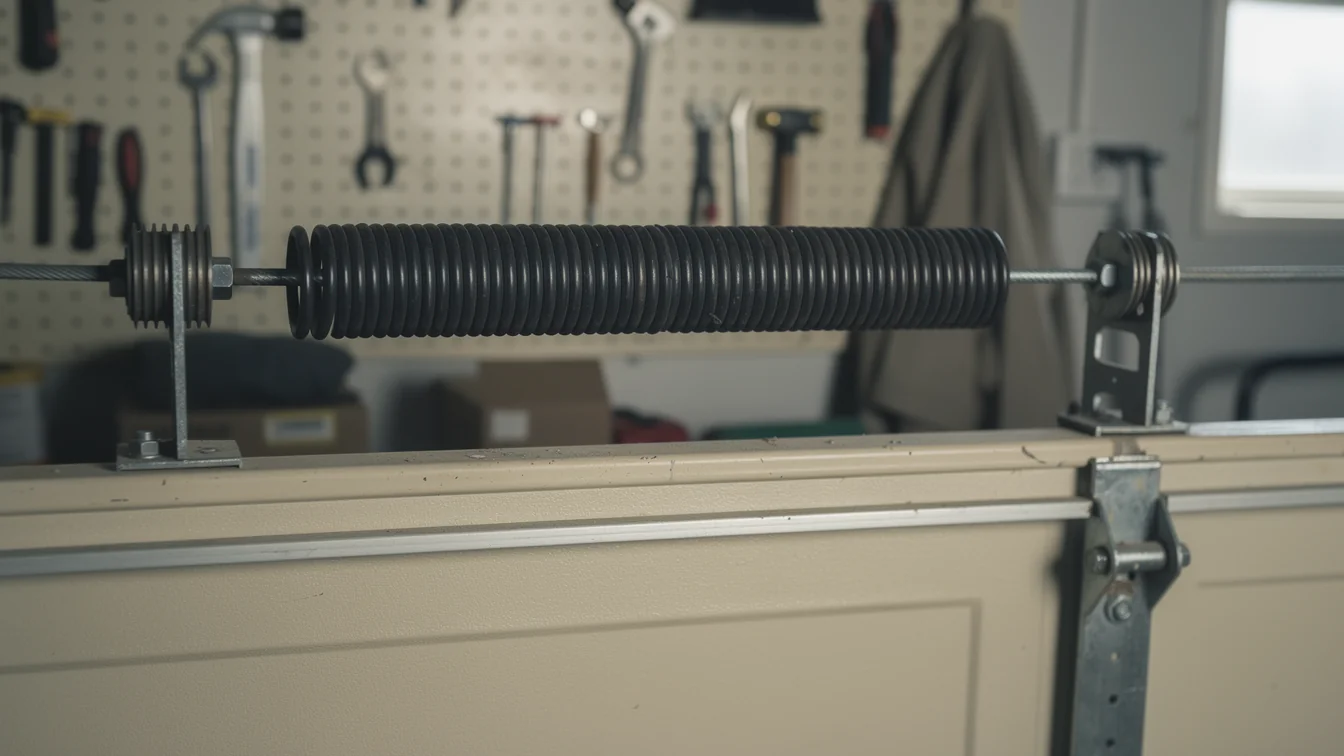
The mistake we see most is treating a snapped spring like bad luck. It isn't. Housing in San Dimas was mostly built between 1943 and 1987, with the median year landing around 1963, and a huge share of that stock is still running the torsion spring that went up with the original door or the first replacement job decades back. Owners wait for the spring to actually break before they think about it, then call it an emergency. It was never really sudden. A torsion spring loses a small percentage of its lift capacity every time it cycles through a temperature swing, and after fifty or sixty years of that, it's one cold morning away from letting go. The fix isn't reacting faster once it snaps - it's knowing which houses are sitting on borrowed time because of when they were built. If your house falls into that 1960s-70s band that covers most of the area, the spring under your door right now is a lot older than most owners assume, and that's the thing worth checking before winter, not after a cable snaps across the garage floor.
The area
The Situation
Across the service area there are 83,946 owner-occupied houses, and the bulk of them were built in that same 1943-1987 window, concentrated heavily in the 1960s and 70s. That matters because torsion spring life is measured in cycles, not years, and a door that's opened and closed twice a day for sixty years has put a spring through more fatigue than almost any other household part gets. Median household income in the area runs around $104,565, which means a lot of these owners can afford to replace the whole spring and opener assembly rather than limp along with a patch, but most don't do it until something fails. The pattern we see is consistent: houses from the older end of that build range, especially ones that never had the spring swapped since the door was installed, are the ones that call when the weather turns. It's not the newer builds in town causing the trouble - it's the original hardware on the older third of the stock that's finally run out of cycles.
What we find
What the Weather Here Does to It
San Dimas sits in a moderate-heat climate band, not a deep-freeze zone, so the failures we get aren't about ice or frost cracking metal. What happens instead is simpler: steel contracts when it cools, and a spring that's already fatigued from decades of heat-cycling loses just enough flex on a cold morning to cross the line from strained to broken. The overnight temperature drop here is modest compared to a true winter climate, but it's enough to stiffen a spring that was already near its limit from age, not cold. That's why these calls cluster on the first genuinely cool mornings of the year rather than during the heat of summer - the metal that tolerated the heat all year finally meets a condition it can't absorb anymore. It's not that San Dimas winters are harsh. It's that a 1960s spring doesn't have the margin left to handle any change at all, warm or cool, without giving out.
How we work
What to Look At First
Start with the build era of your house, not the door itself - doors get replaced, springs often don't. If your home falls in that 1943-1987 range common across San Dimas, especially the 1960s-70s cluster, ask when the spring was last swapped, not just the door. Look at the spring coils for gaps, rust streaks, or a visible stretch when the door is down. Listen for a bang or a loud creak on the first cool mornings - that's the fatigue showing up before the full break. One honest limitation: we can't tell you a spring's exact remaining life from a visual check alone, and we won't guess a number just to sound confident. What we can do is match the spring to your door's weight and the hardware era it's sitting on, which on a house this old is usually not the same spec as what's sold off the shelf today.
Talk to a local pro
Garage door trouble in San Dimas?
Same-day service with honest, upfront quotes.