Why It Happens Here
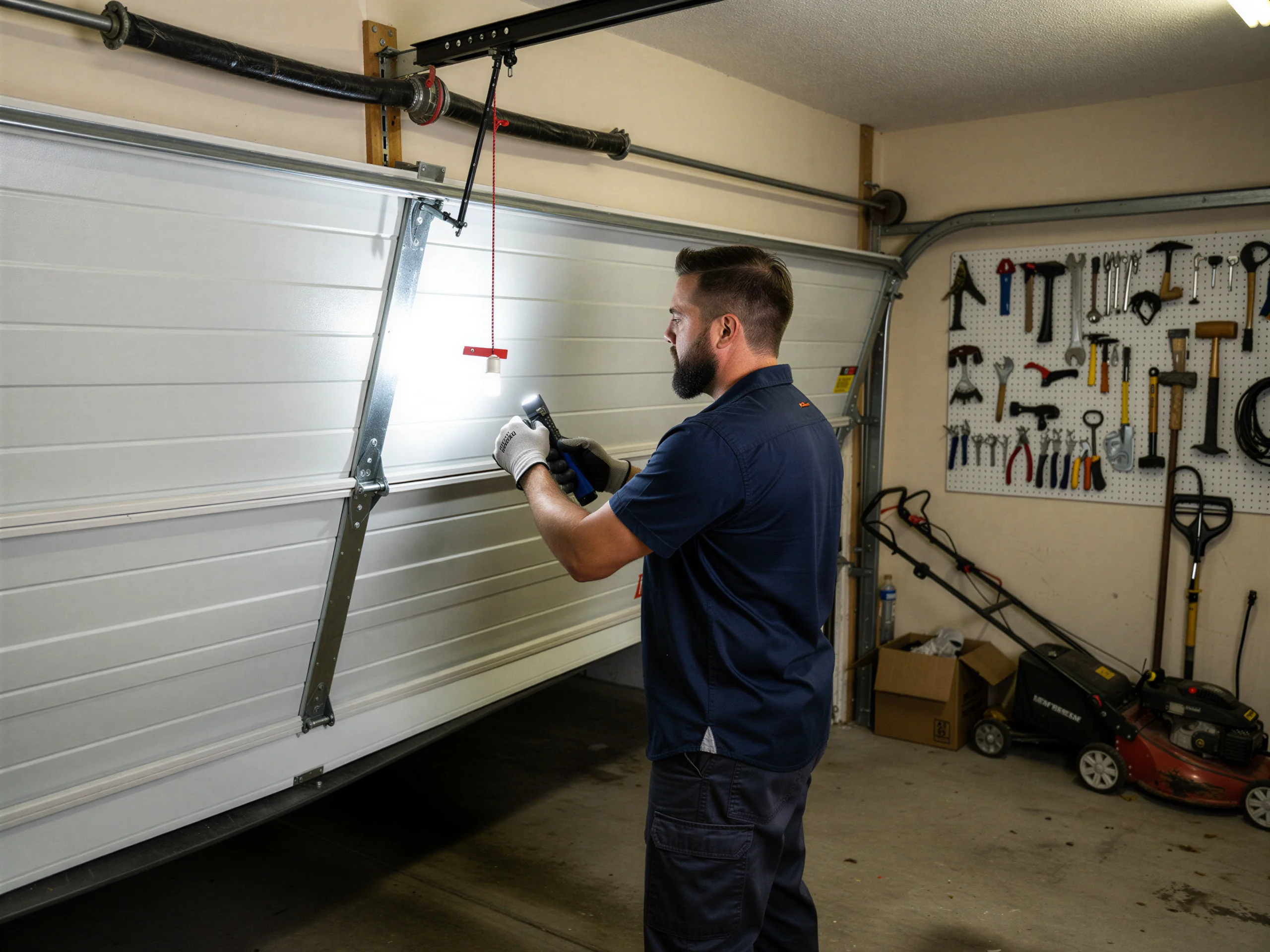
Off-track failures usually trace back to one of three things, and the age of East San Gabriel's housing stock shapes which one is most likely. With a median build year of 1961, a lot of these garages still have original or first-generation replacement track, and steel track work-hardens and develops stress points over sixty-plus years of door cycles. A door that's run thousands of cycles on the same bent spot eventually walks off the rail.
The area sits in a moderate heat climate band, which is gentler on hardware than the extreme swings some inland areas see, so we're not dealing with the kind of daily expansion-contraction that warps track fast. That's a point in this area's favor, not against it.
With 7,702 households in East San Gabriel and a median income of $107,184 - a bit above the $104,565 median across our service area - a lot of these garages have had at least one opener upgrade or door replacement since 1961. When that upgrade kept the original track but changed the door's weight or spring tension without rechecking roller alignment, that mismatch is often what we find has been slowly working the door off true.
How Long You Are Without the Door
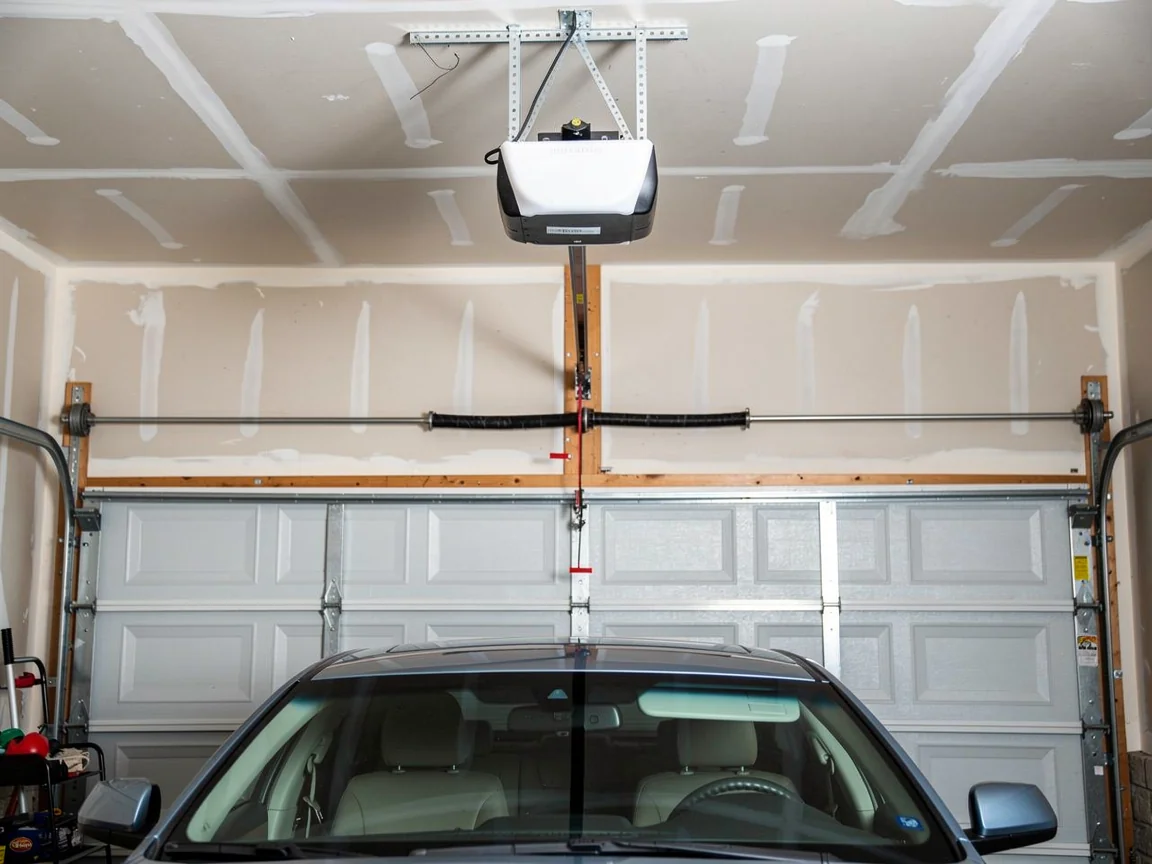
Most off-track jobs on these doors are a same-visit fix once we're there: straighten or swap the bent section of track, replace the roller or bracket that failed, re-square the door, and test it through a full cycle.
Discontinued track profile
Where it runs longer is when the track itself is an older profile no longer stocked in standard sizes, which does turn up on houses built in the early 1960s more than on newer stock. In that case we either source a compatible replacement section or, if the whole track run is worn out, talk through full track replacement instead of patching one section that will likely bend again.
Cable and opener checks
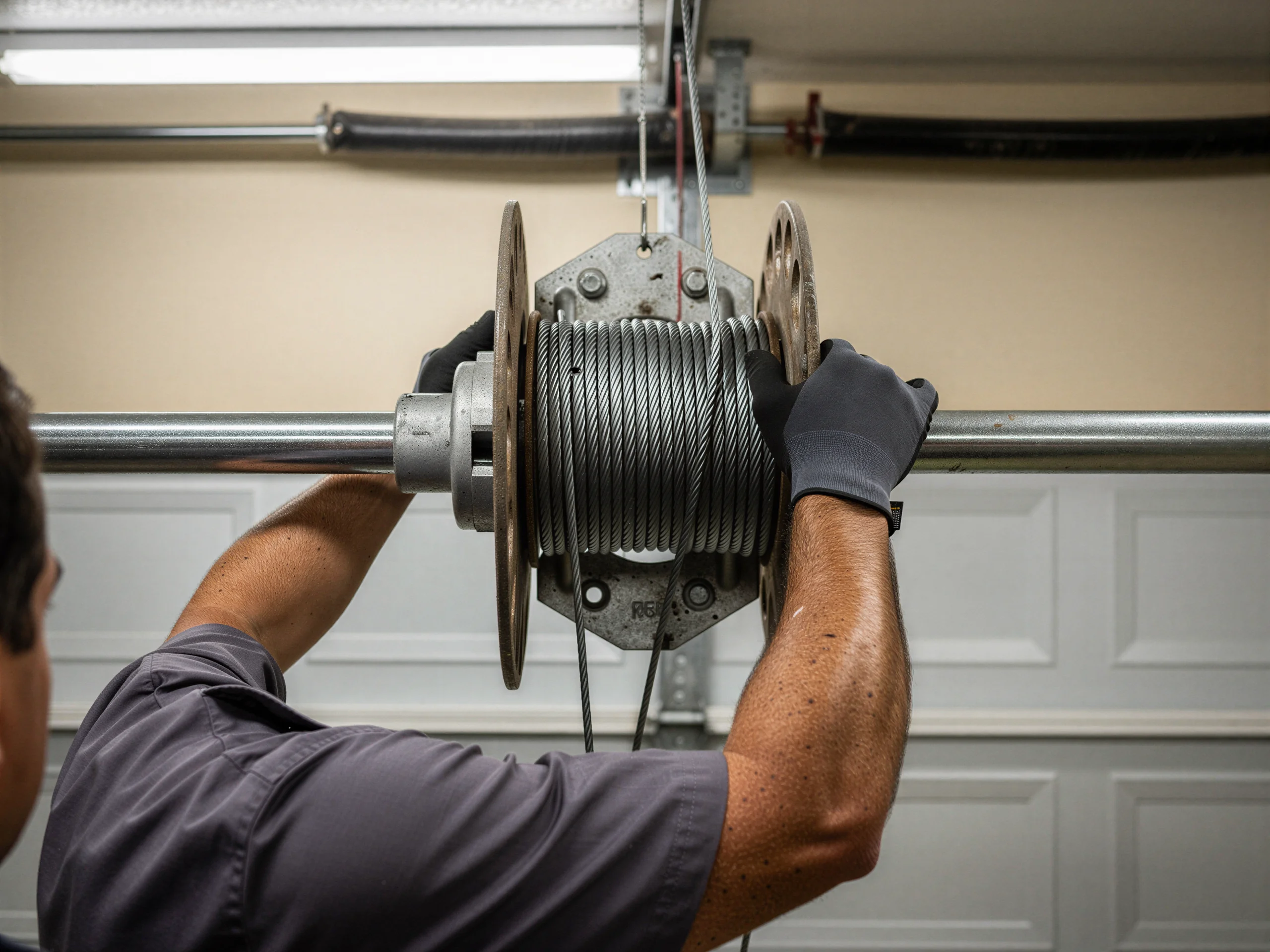
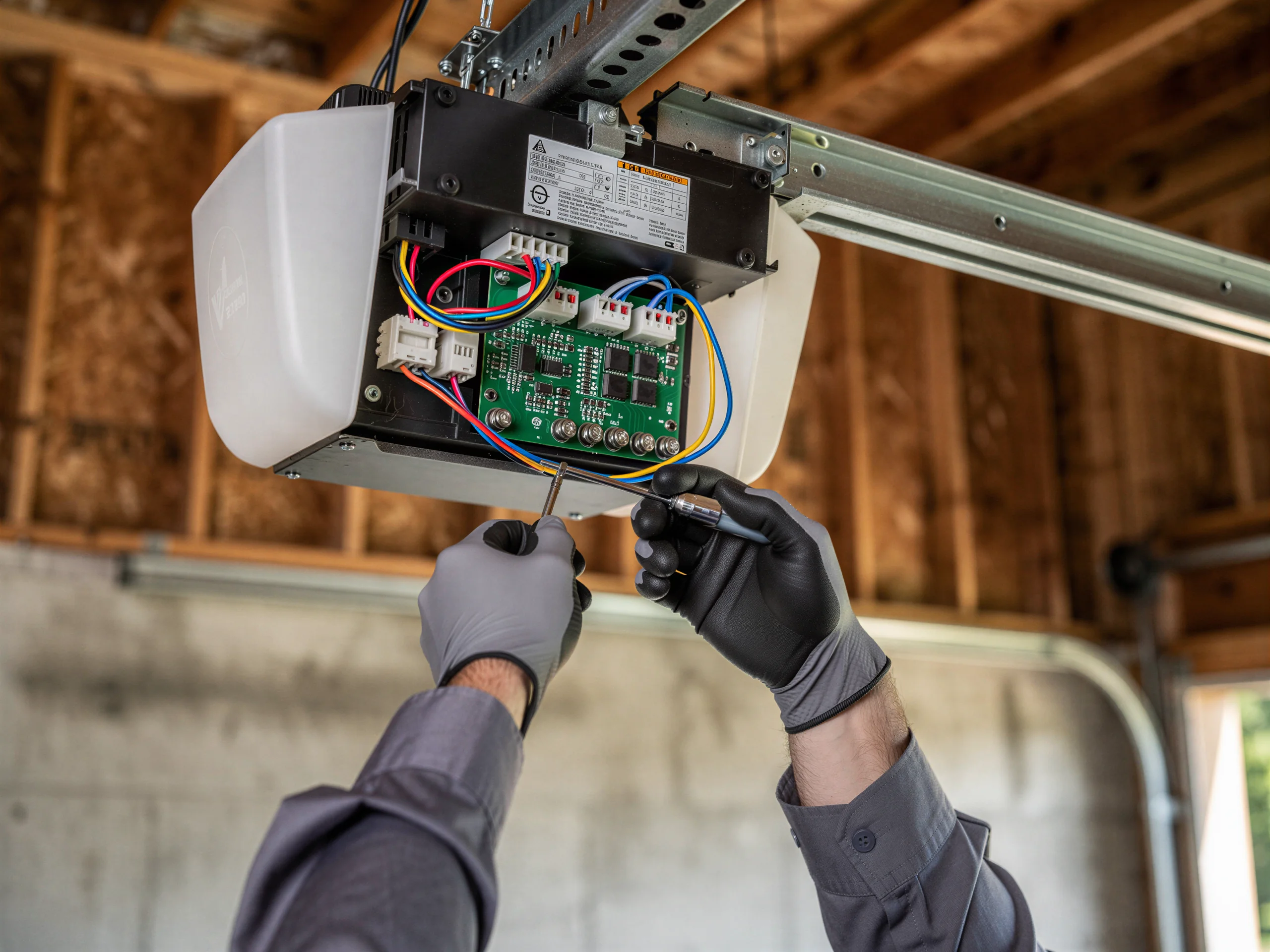
We won't pretend every job wraps in an hour. If a cable let go at the same time the door left the track, or the opener was still trying to run the door after it jumped, we check the opener's gearing and the cable drum before calling it finished.
Window given at booking
That adds time but it's the difference between a fix and a repeat visit. Because we're coming from San Dimas, we don't carry a local response-time promise for East San Gabriel specifically. We'll give you a real window when you call, based on where the truck is that day.
How We Fix It
East San Gabriel's housing stock carries a median build year of 1961, which puts it two years ahead of the 1963 median we see across the wider San Dimas Garage Door Pros service area.
Narrow early track profile
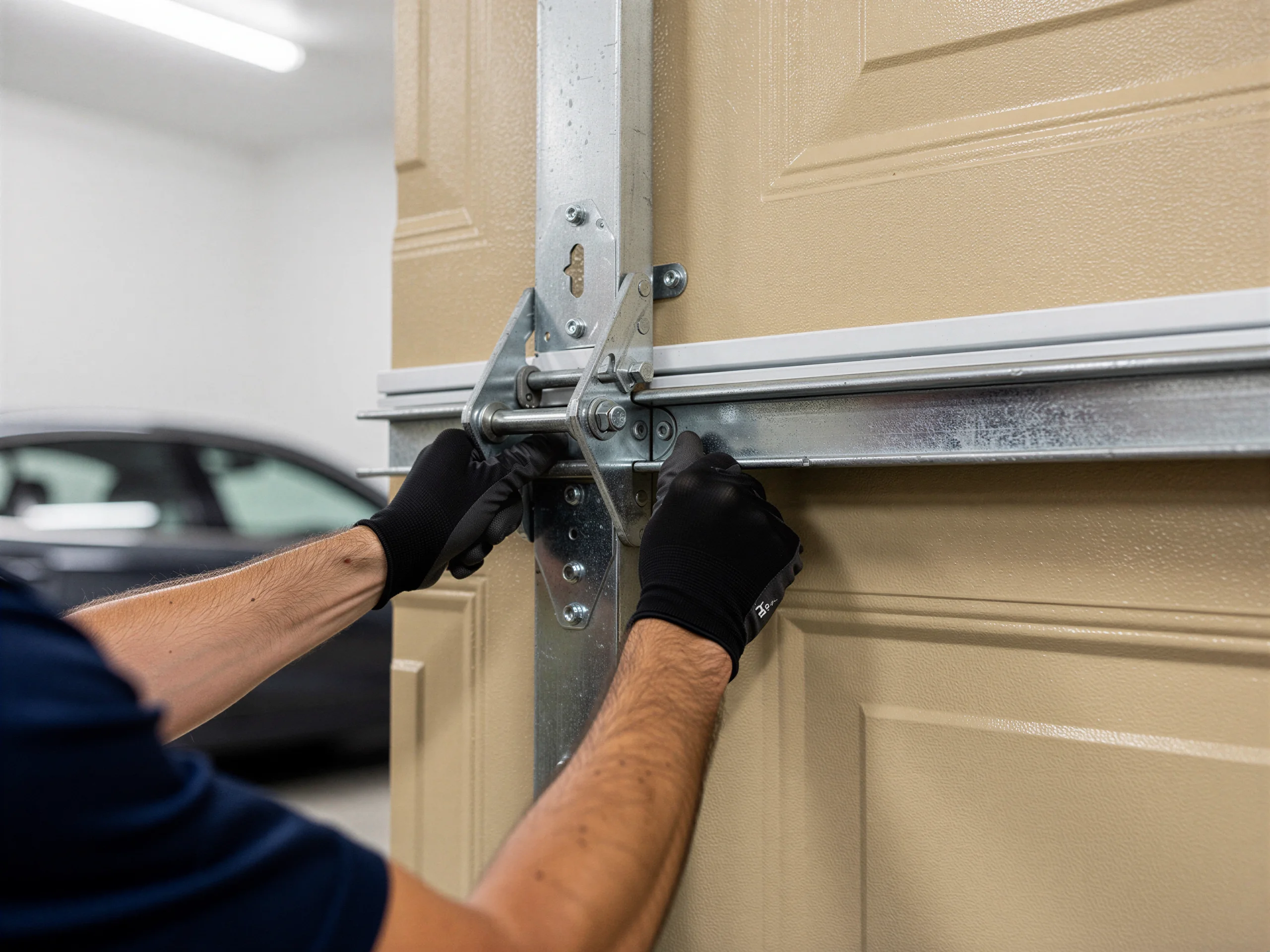
That gap matters on an off-track call. Homes from the early 1960s were more often fitted with narrower-gauge steel track and lighter roller brackets than the doors going up later in that same 1943-1987 window across the rest of our territory. When a door jumps track on one of these houses, the bracket that held it is usually thinner stock, and it's bent, not just loose.
Cause before reseating
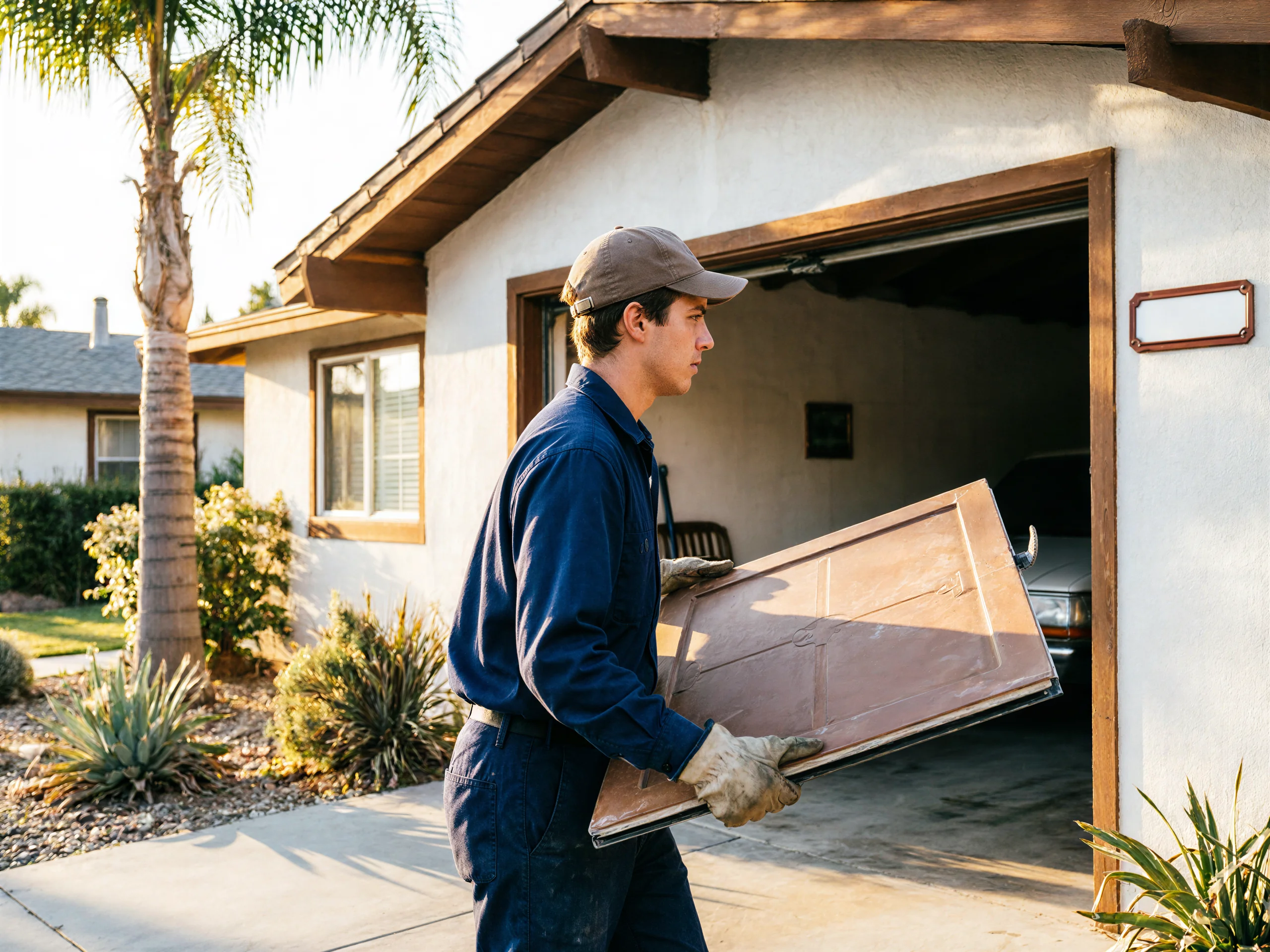
Our approach starts the same way everywhere: we don't force the door back onto the track before checking why it left in the first place. A bent track gets straightened if the metal allows it, and replaced section by section if it doesn't. A broken roller or a snapped cable that let the door swing free gets replaced outright.
Re-securing split-wood brackets
If the bracket mounting into the framing has pulled loose, that gets re-secured before anything else happens, because putting a door back on a track anchored to split wood just means a second call. We drive in from San Dimas, 16 miles each way, so we bring what a typical off-track job needs on that trip rather than guessing once we're on site.
Doing It Yourself
If your door has jumped track, do not run the opener. Pulling a door along a bent or broken track with the motor still engaged is how a roller housing or a cable gets torn out, and that turns a track repair into a full hardware replacement.
Bracket pull-away check
You can safely check a couple of things before calling. Look at the track brackets where they bolt into the wall framing - if a bracket has pulled away or the lag screws are backing out of the wood, that's visible without a ladder in most garages.
Kinks along the rail
You can also look along the track itself for an obvious kink or gap where the door left the rail. Don't try to muscle the door back onto the track yourself, even by hand - torsion springs on a door that's off its rail can still be under load, and a door that slips while you're holding it is a real way to get hurt.
Patches fail on old profile
We'll be honest about the limit here: if the track is an older narrow profile that no longer matches available replacement rollers, patch repairs sometimes don't hold past a few months, and we'll tell you that up front rather than sell a fix we don't expect to last.
Talk to a local pro
Garage door service in San Dimas?
Same-day service with honest, upfront quotes.