Why It Happens Here
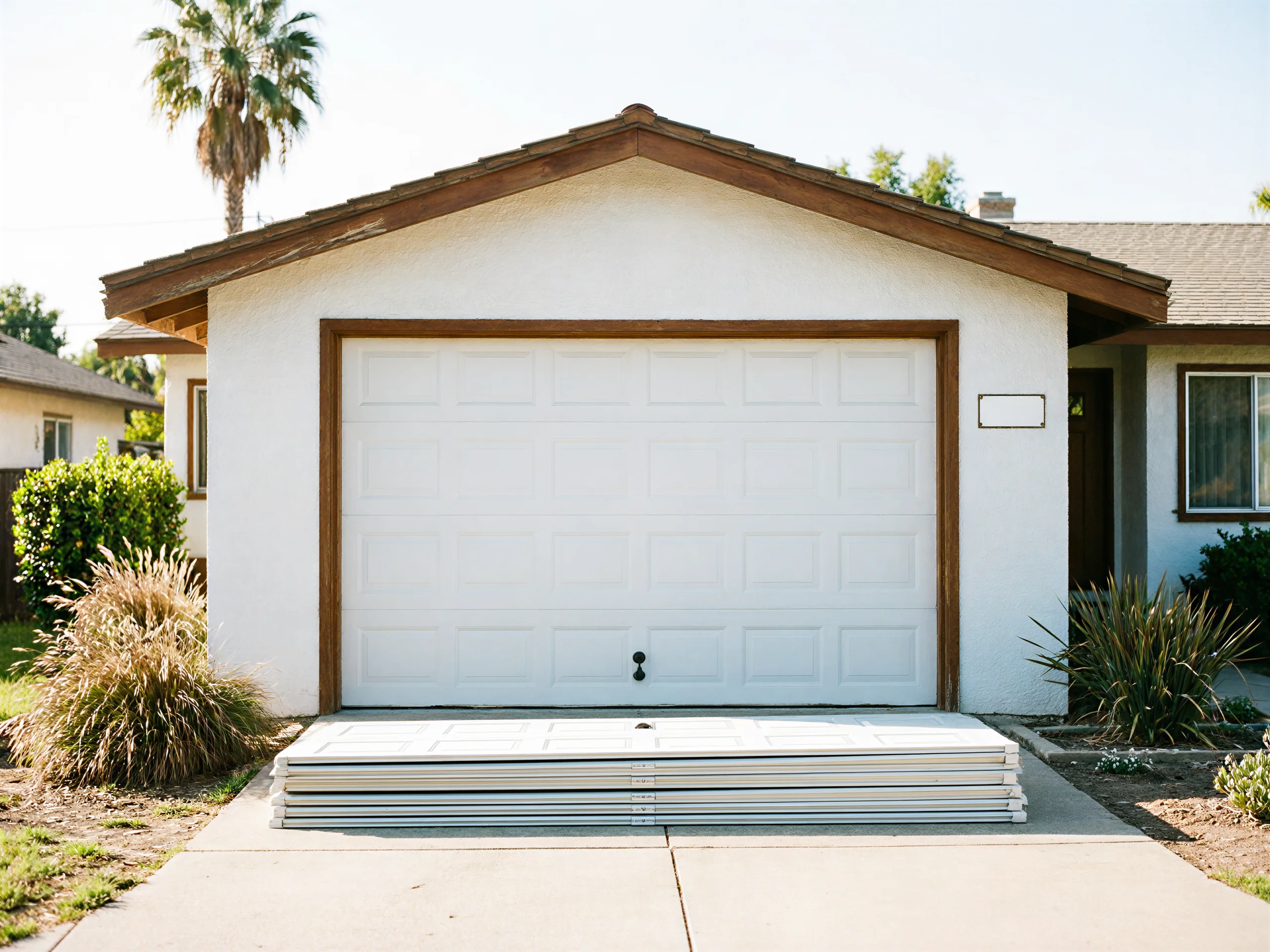
East San Gabriel's housing sits right in the middle of the wider 1943-1987 build range across the service area, with a median year of 1961.
Openers added decades later
That matters for openers more than most homeowners expect. A house built in 1961 didn't come with an automatic opener - those got added later, often in waves during the 70s and 80s, and again when owners upgraded in the 90s and 2000s.
Systems past expected life
That means a lot of these systems are themselves 20 to 40 years old, well past the point where gears, capacitors, and circuit boards are expected to last. It also means mismatched parts.
Mixed parts are finicky
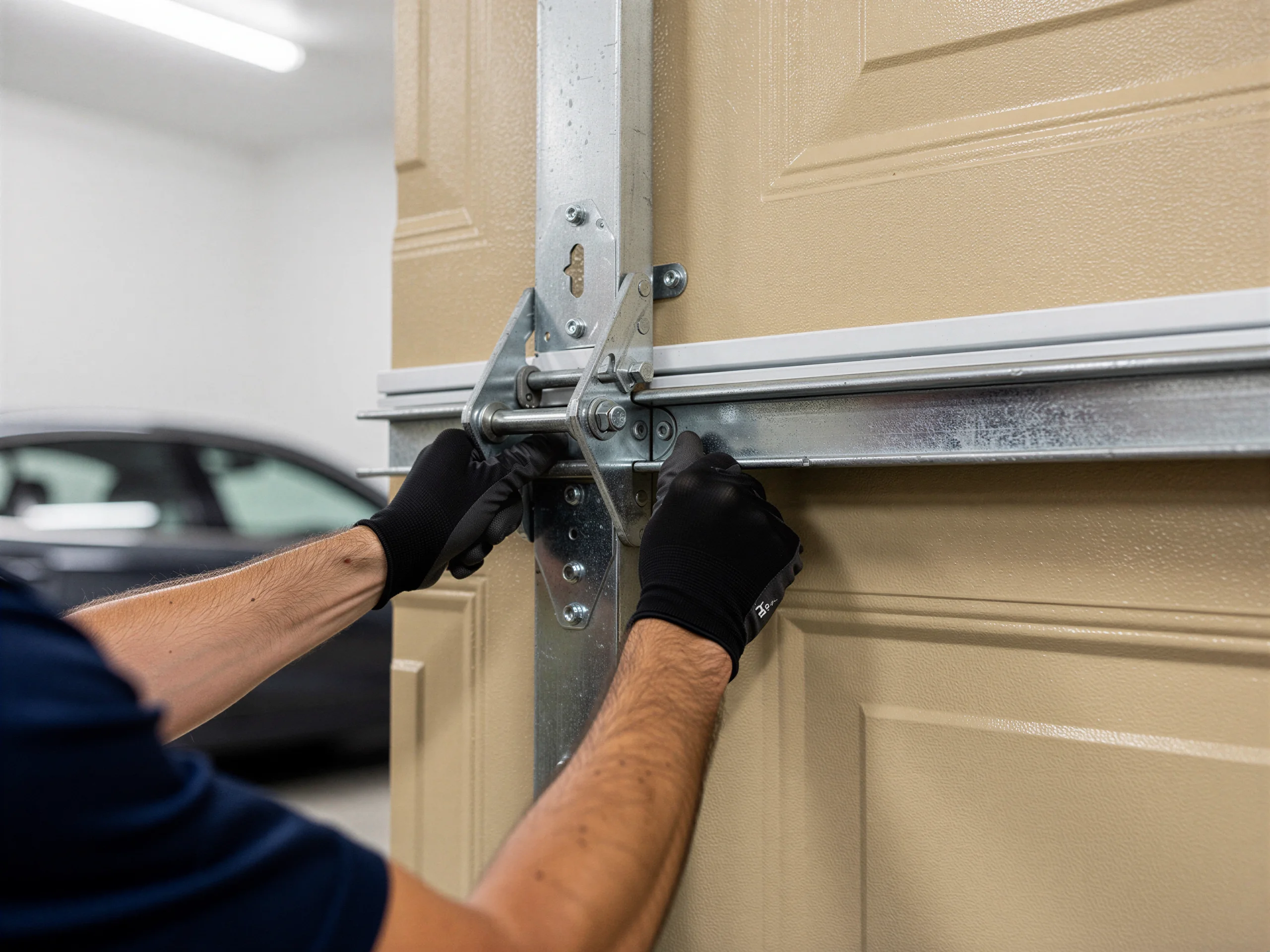
A homeowner here might have a newer motor head bolted to an original track and rail setup, or a safety-sensor retrofit added after the federal reversal-sensor rule, wired into a much older unit. Those combinations are workable but finicky, and they're exactly what sends a repair call sideways when a generic part doesn't fit a system this old.
How Long You Are Without the Door
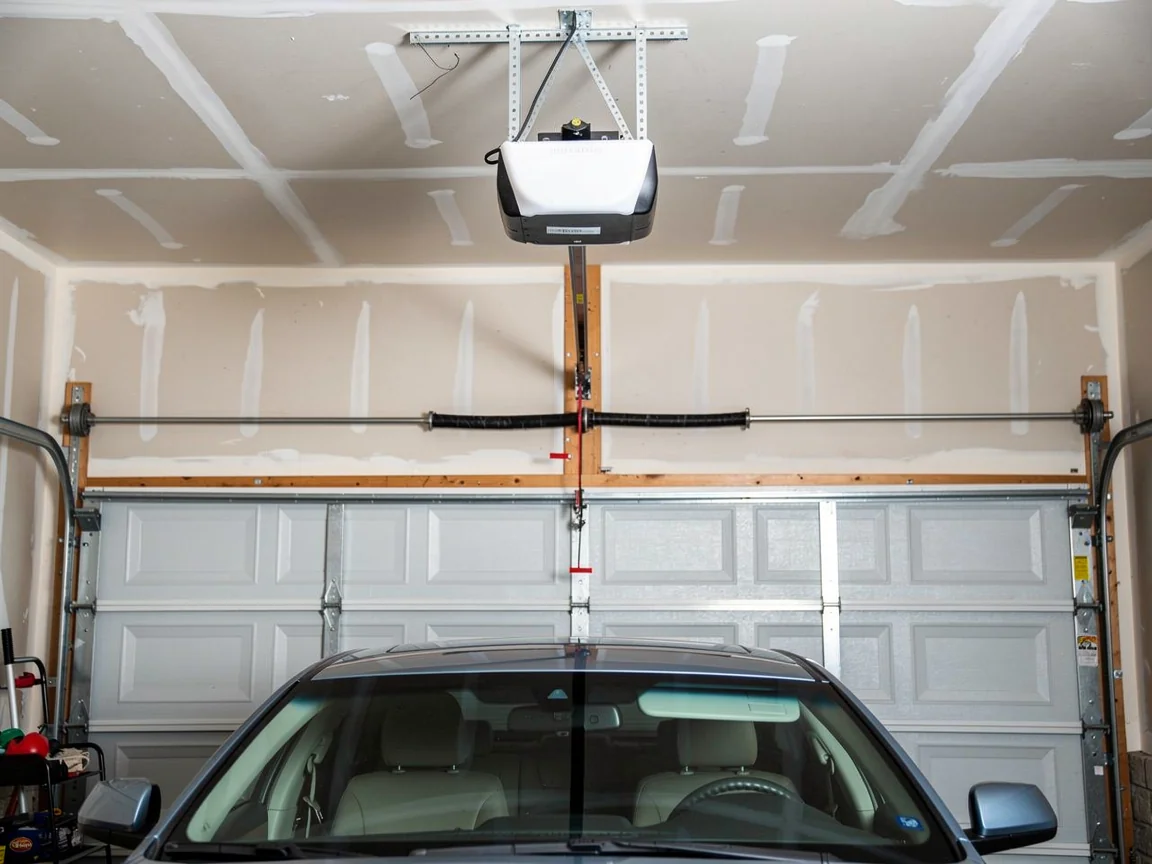
Because we're coming from San Dimas, 16 miles away, we don't carry every opener model or every control board on the truck for every brand. If the fix is a gear kit, a sensor, or a logic board we stock, the door's running again in that same visit. If it's a less common board or a discontinued motor assembly, that part has to be ordered, and the door may sit unopened by motor (you can still lift it by hand using the release cord) until the part arrives.
We won't quote you a turnaround time we can't back up. What we can tell you is that the distance from San Dimas means we're not a same-day emergency crew for East San Gabriel the way we might be for a neighborhood five minutes from the shop - we schedule the visit, diagnose it properly, and move fast on whatever we can fix on the spot.
How We Fix It
Most opener calls in East San Gabriel start the same way: the motor hums but the door doesn't move, or it moves a few inches and reverses.
Easy checks first
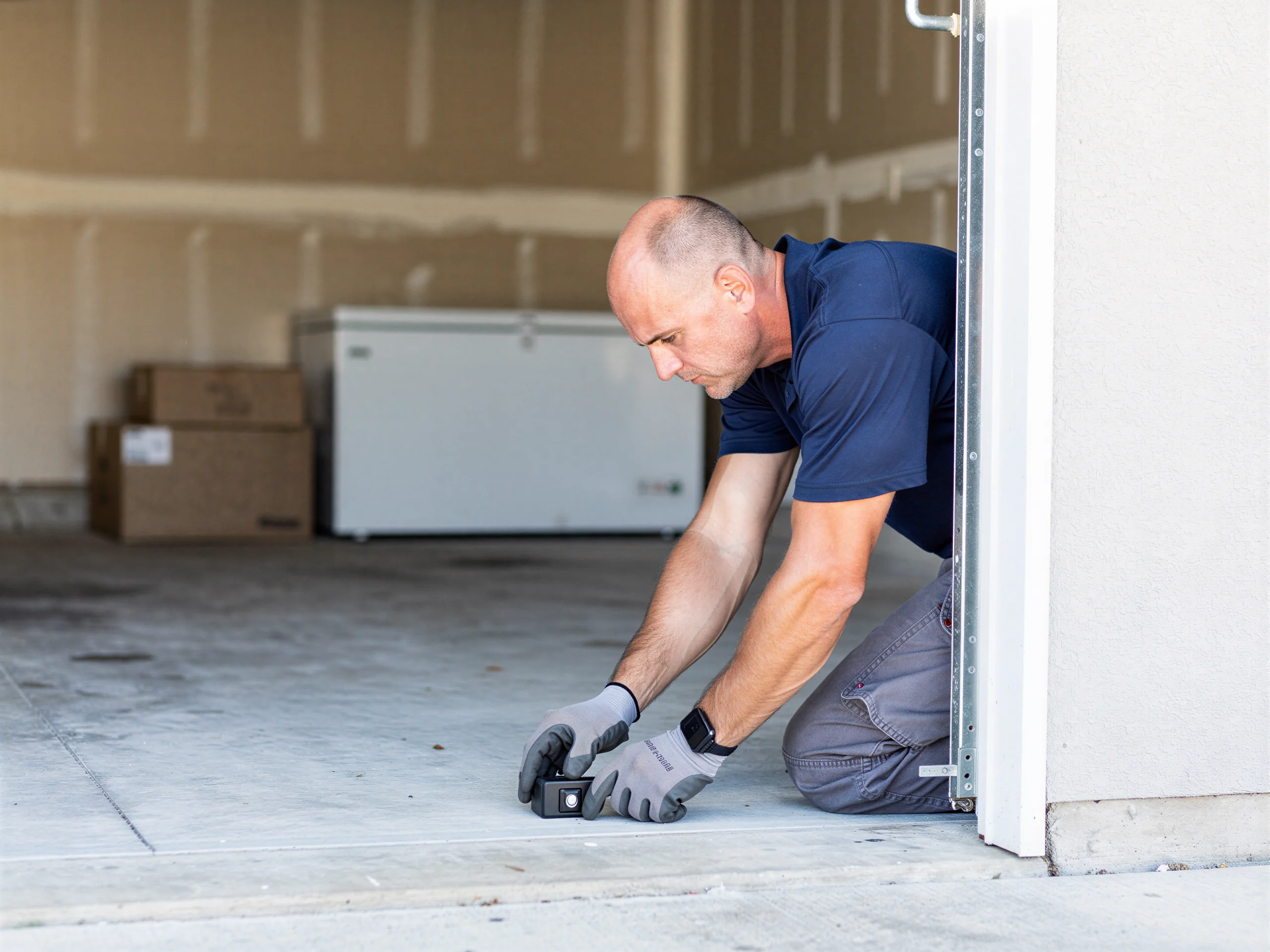
We check the easy stuff first - the wall button, the remote batteries, the photo-eye sensors at the bottom of the track - because those cause more "broken opener" calls than the motor itself ever does. If the sensors are knocked out of alignment or caked in dust, that's a five-minute fix, not a new unit.
Motor failure patterns
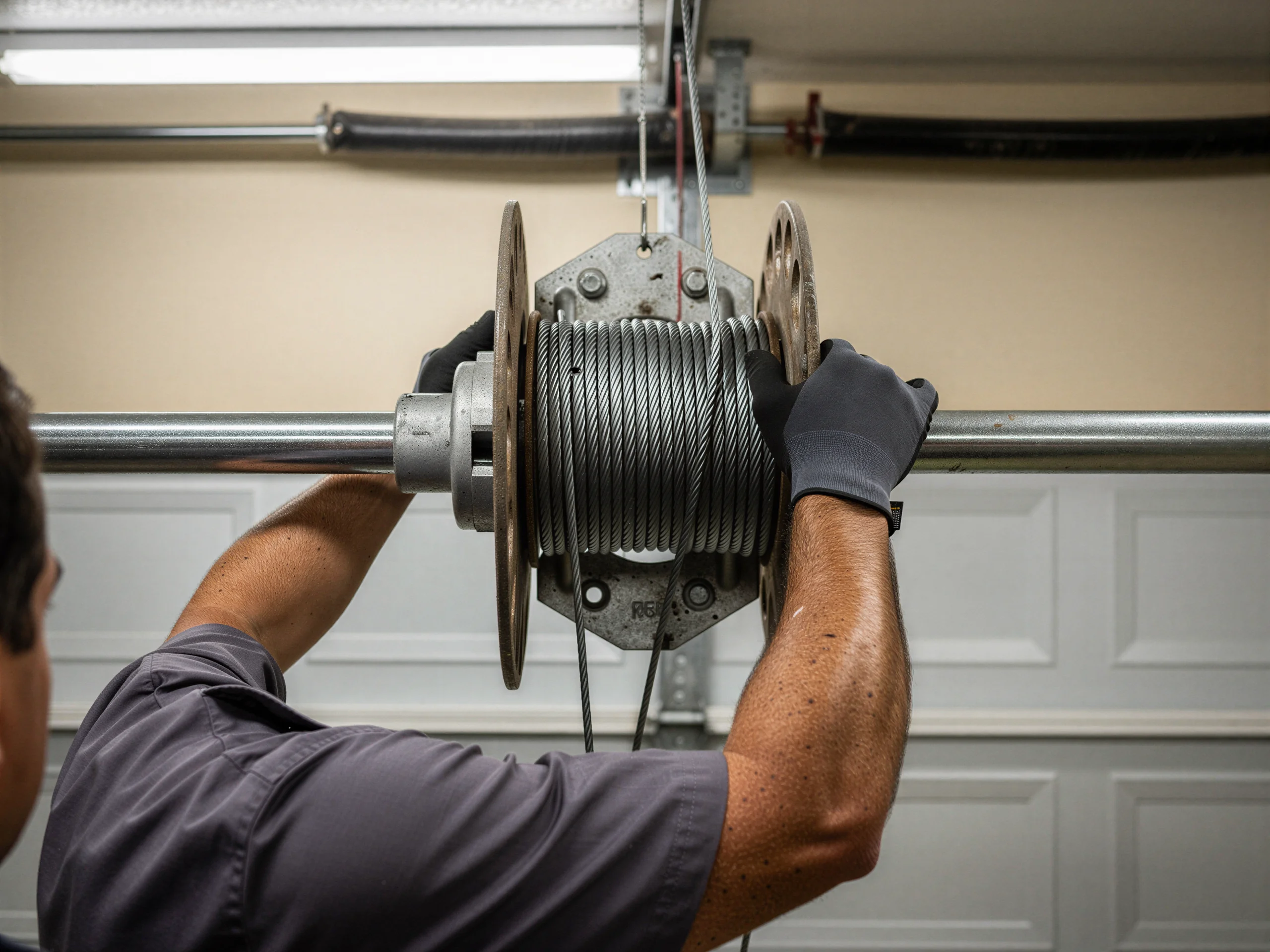
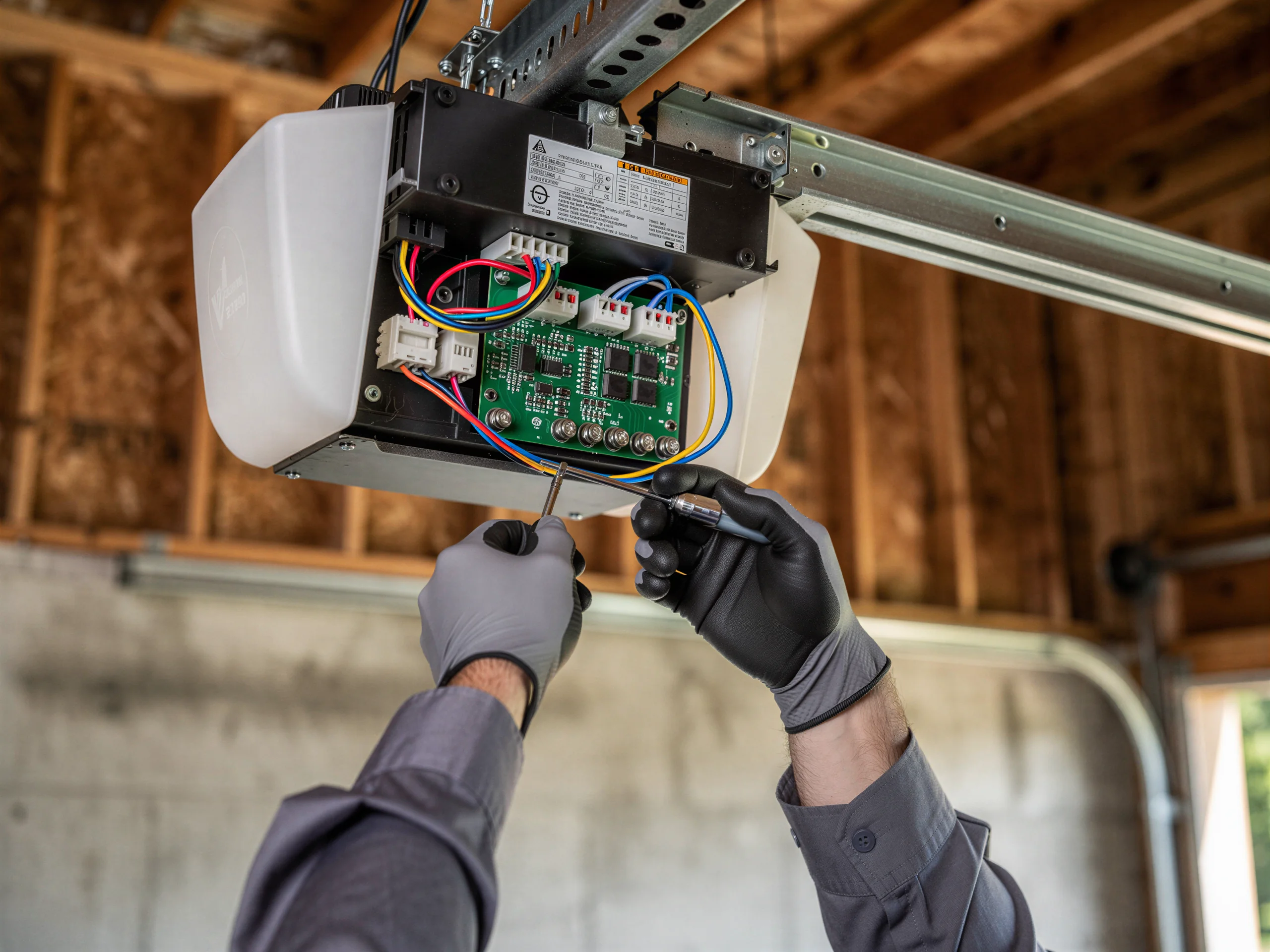
When it's the motor, we're usually looking at a stripped drive gear, a burnt-out circuit board, or a capacitor that's given out. On a chain-drive unit from the 1980s or 90s - common on homes going back to East San Gabriel's 1961 median build year - the gear kit is the first thing to wear, and it's a part we carry rather than order.
Replace over chasing parts
Boards and logic units are a different story; some older models use parts nobody stocks anymore, and we'll tell you straight if replacement makes more sense than chasing a part. We travel from San Dimas, about 16 miles out, so the first visit is a full diagnosis with tools on hand, not a guess over the phone.
Doing It Yourself
Before you call anyone, there are a few things worth checking yourself. Swap the remote batteries and the wall-button batteries if it uses them - it sounds obvious, but it accounts for a real share of "dead opener" calls. Look at the two small sensor eyes near the bottom of the tracks; if they're not pointed at each other, dusty, or if one has a blinking light instead of solid, that's your reversal problem right there, and realigning them is a job you can do with your hands, no tools.
Check the wall switch for a lock-out setting, which some models have and which gets bumped by accident more often than you'd think. If the motor runs but the door doesn't travel, that's usually the drive gear or belt, and that's not a safe DIY repair - the assembly carries spring tension and moving parts that can pinch or snap back. At that point, pull the manual release cord, lift the door by hand, and leave the gear work to someone who does it regularly.
Talk to a local pro
Garage door service in San Dimas?
Same-day service with honest, upfront quotes.