How Long You Are Without the Door
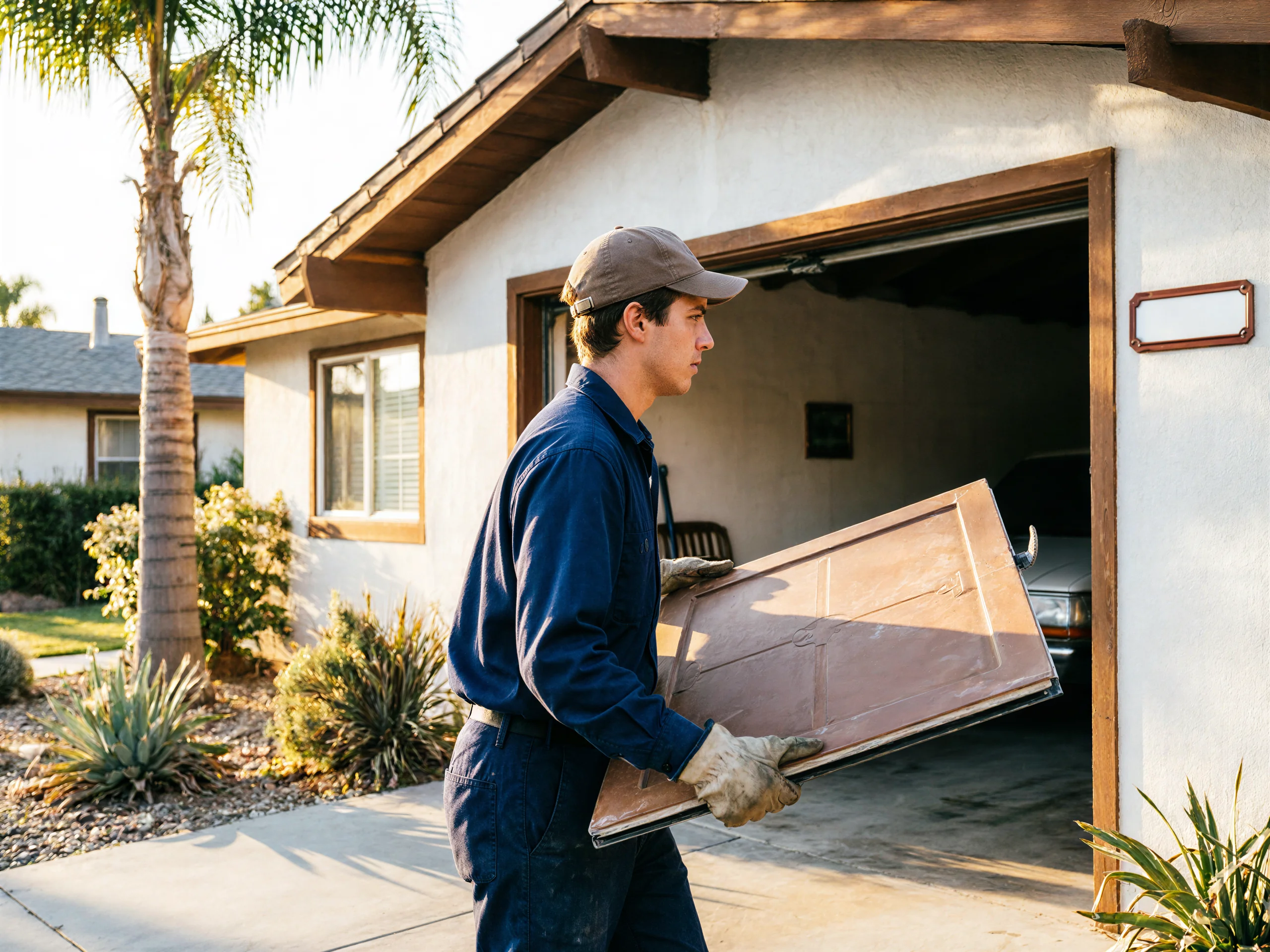
We're not based in Walnut - we run out of San Dimas, about 6 miles away - so the honest answer starts with that drive. Once we're on site, a torsion spring replacement on a standard sectional door usually takes under two hours start to finish, including testing the balance and the opener's force settings afterward.
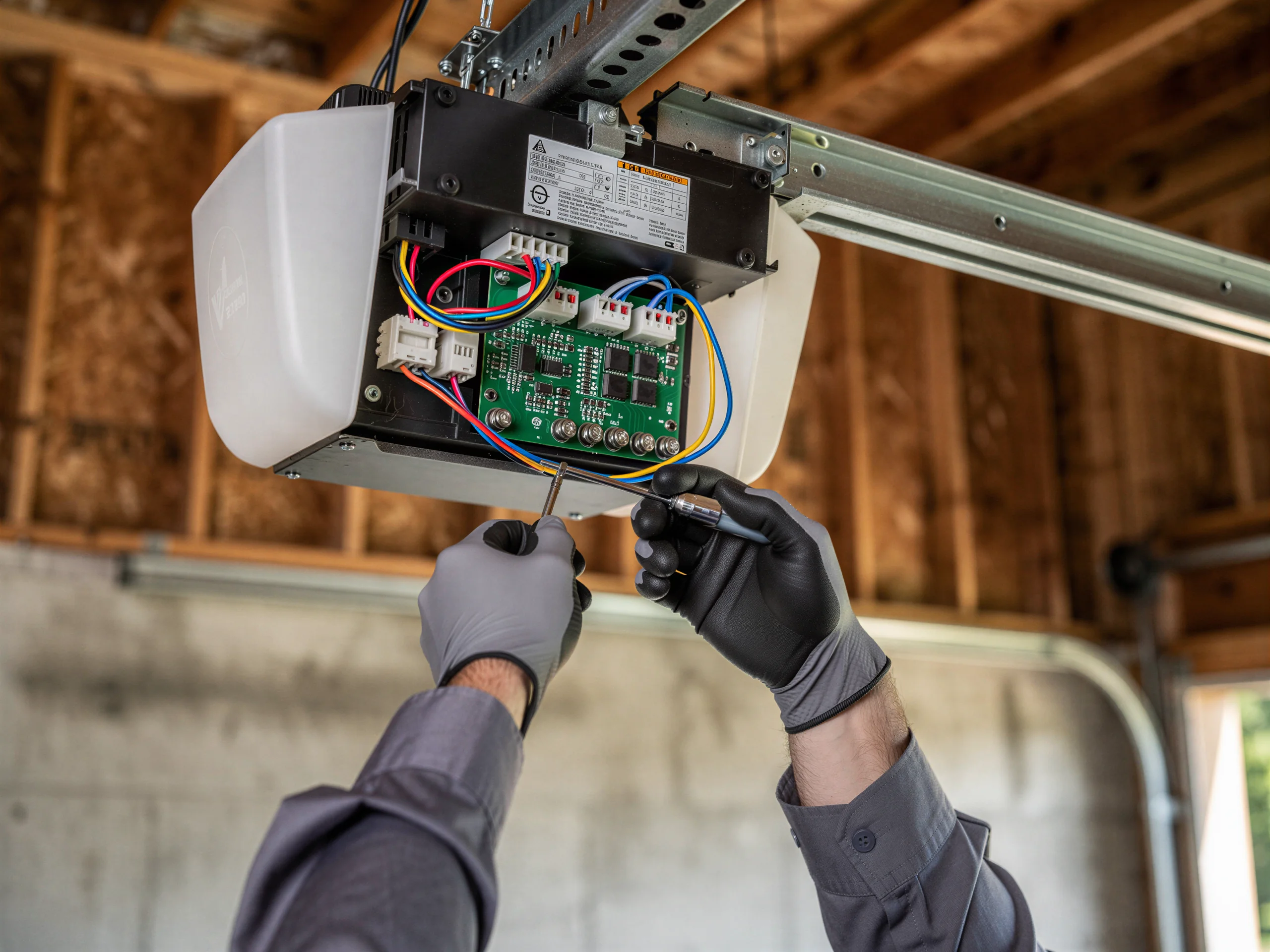
If the job also needs new cables or drums because they were worn alongside the spring, add another 30 to 45 minutes. Opener swaps run longer, typically two to three hours, since we're also rewiring safety sensors and reprogramming remotes.
We can't promise a same-day slot sight unseen, but a broken spring on a Walnut door is a job we can usually turn around within the day once we've confirmed parts on hand, given how standard 1980s-era torsion hardware tends to be.
How We Fix It
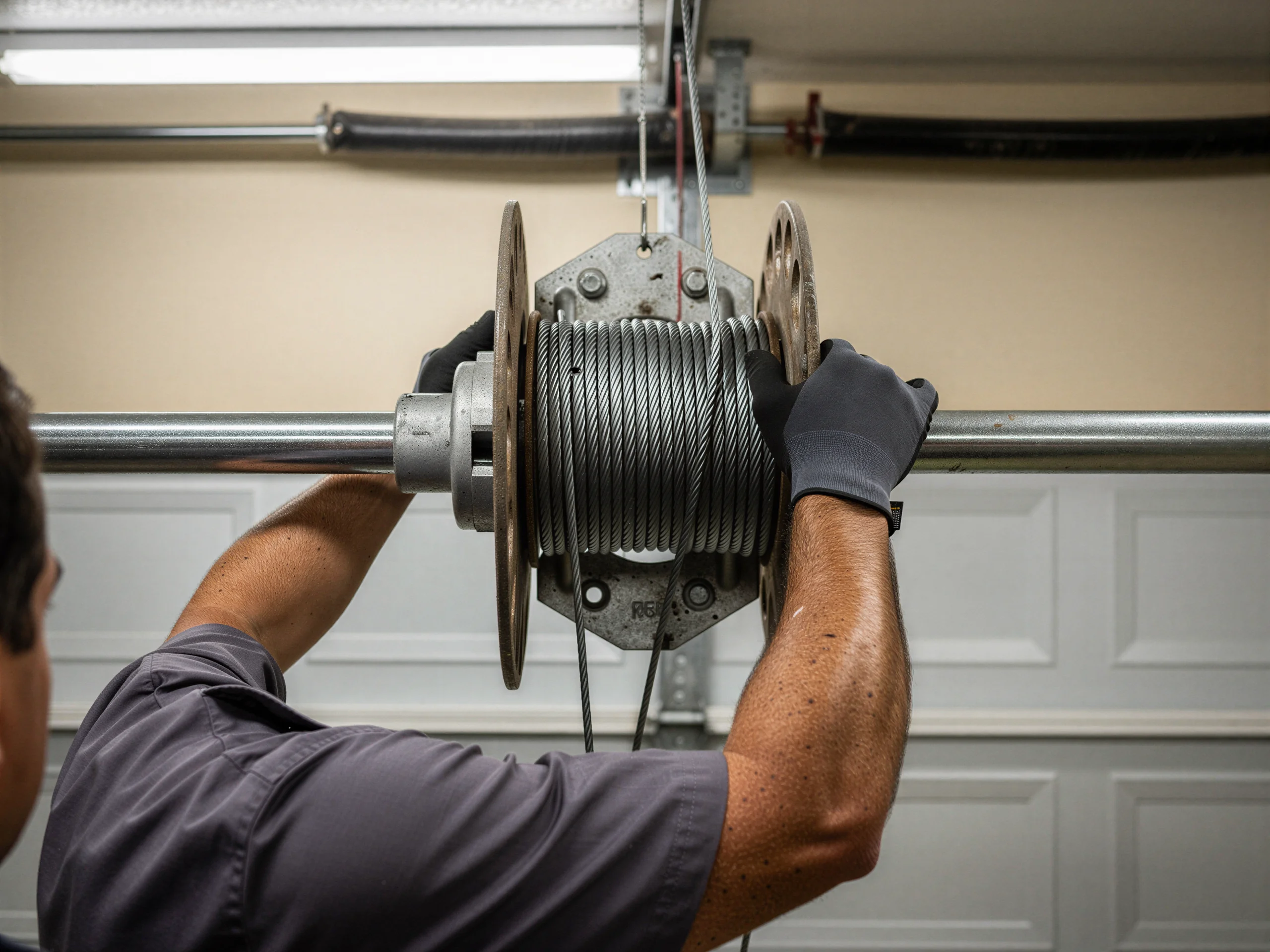
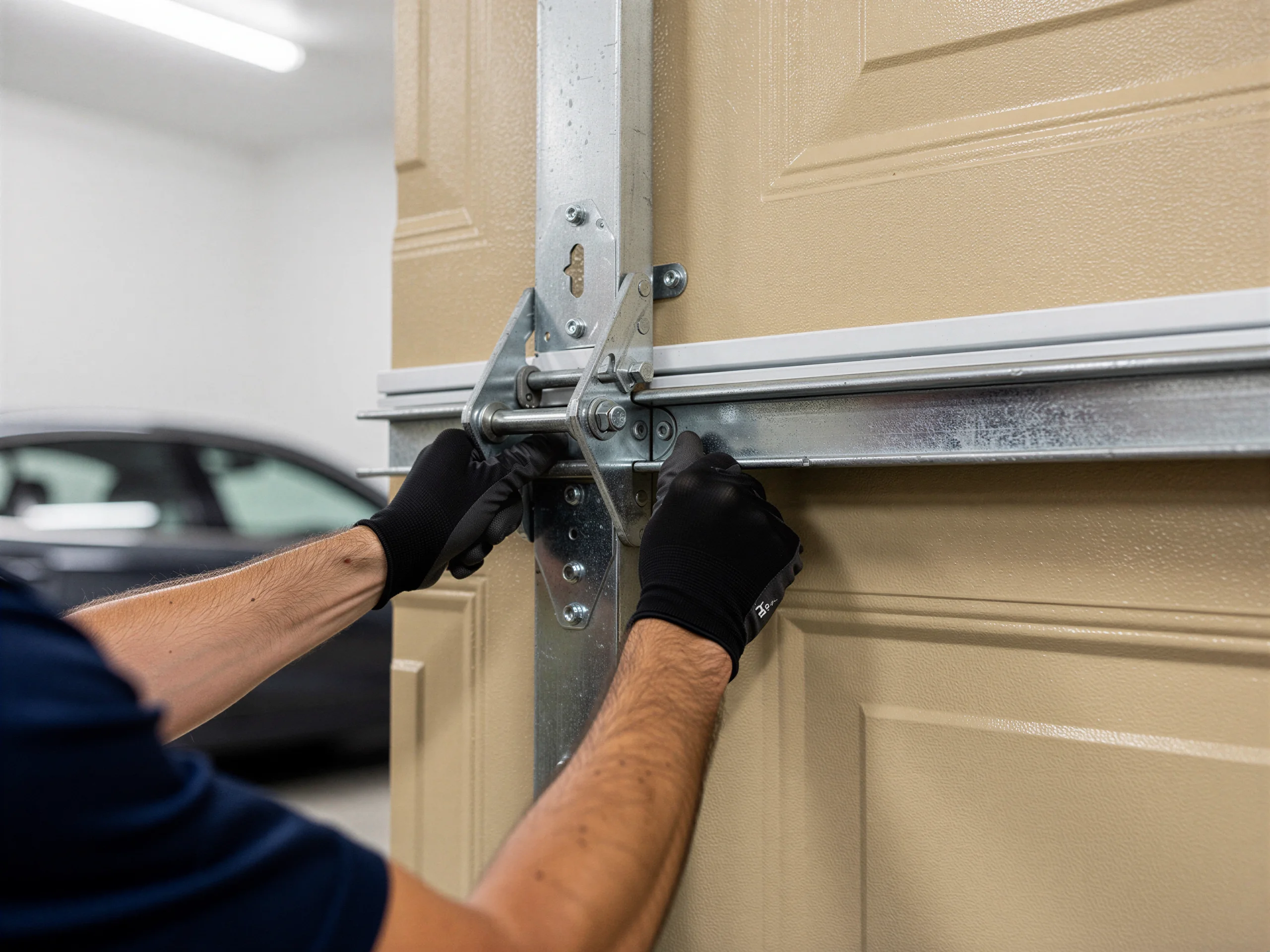
We start by matching the spring to the door's actual weight and track configuration rather than guessing off the old spring's wind count, since a previous repair on an older house sometimes left a spring that was never quite right for the door. On a 1983-built sectional door, that usually means a standard torsion spring sized for a two-car steel door, but we measure rather than assume.
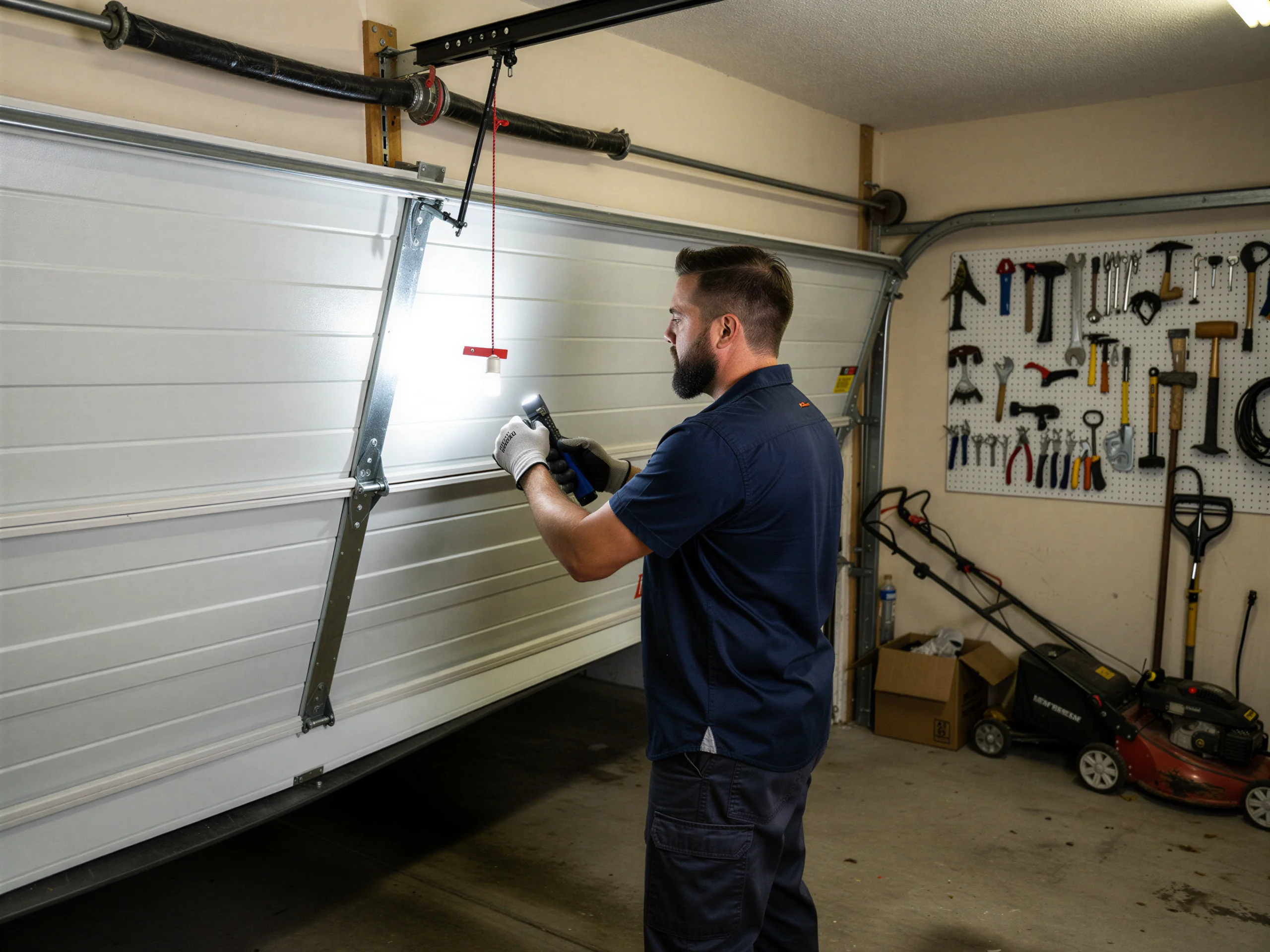
We set the new spring's tension, check the cables and drums for fraying while we're in there, and run the door through a full cycle to confirm it holds at any point without drifting. If the opener is straining or outdated, we'll say so plainly and give you the option - repair the spring alone, or replace the opener at the same time, since doing both in one visit saves a second trip from San Dimas.
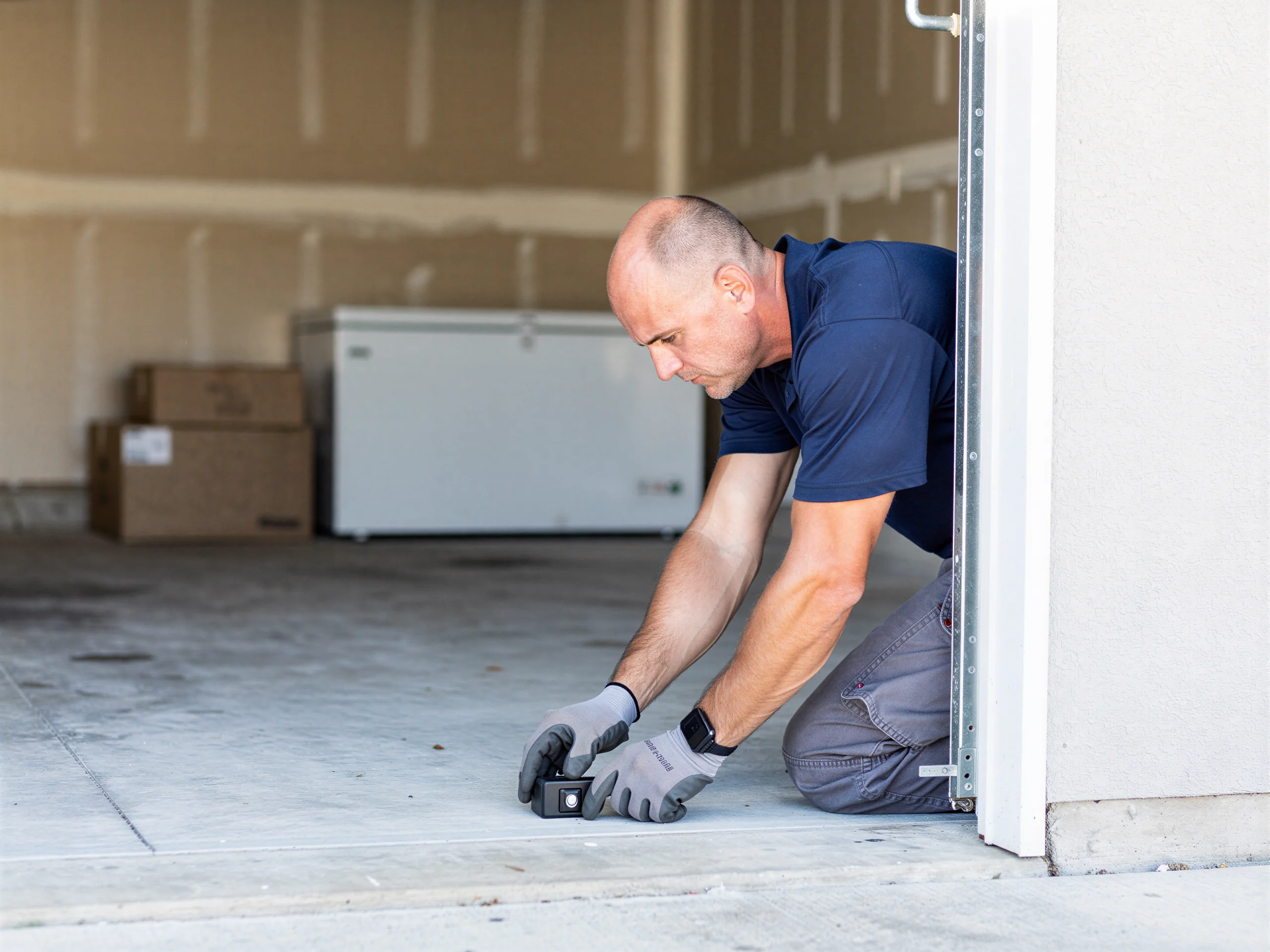
We test the auto-reverse and photo-eye safety features before we leave, every time, regardless of what the original call was for.
Why It Happens Here
San Dimas as a whole has houses going back to 1943, with the service area's median landing around 1963. Walnut sits on the newer end of that range - its median build year is 1983, a full two decades later. That gap matters more than it sounds like it should.
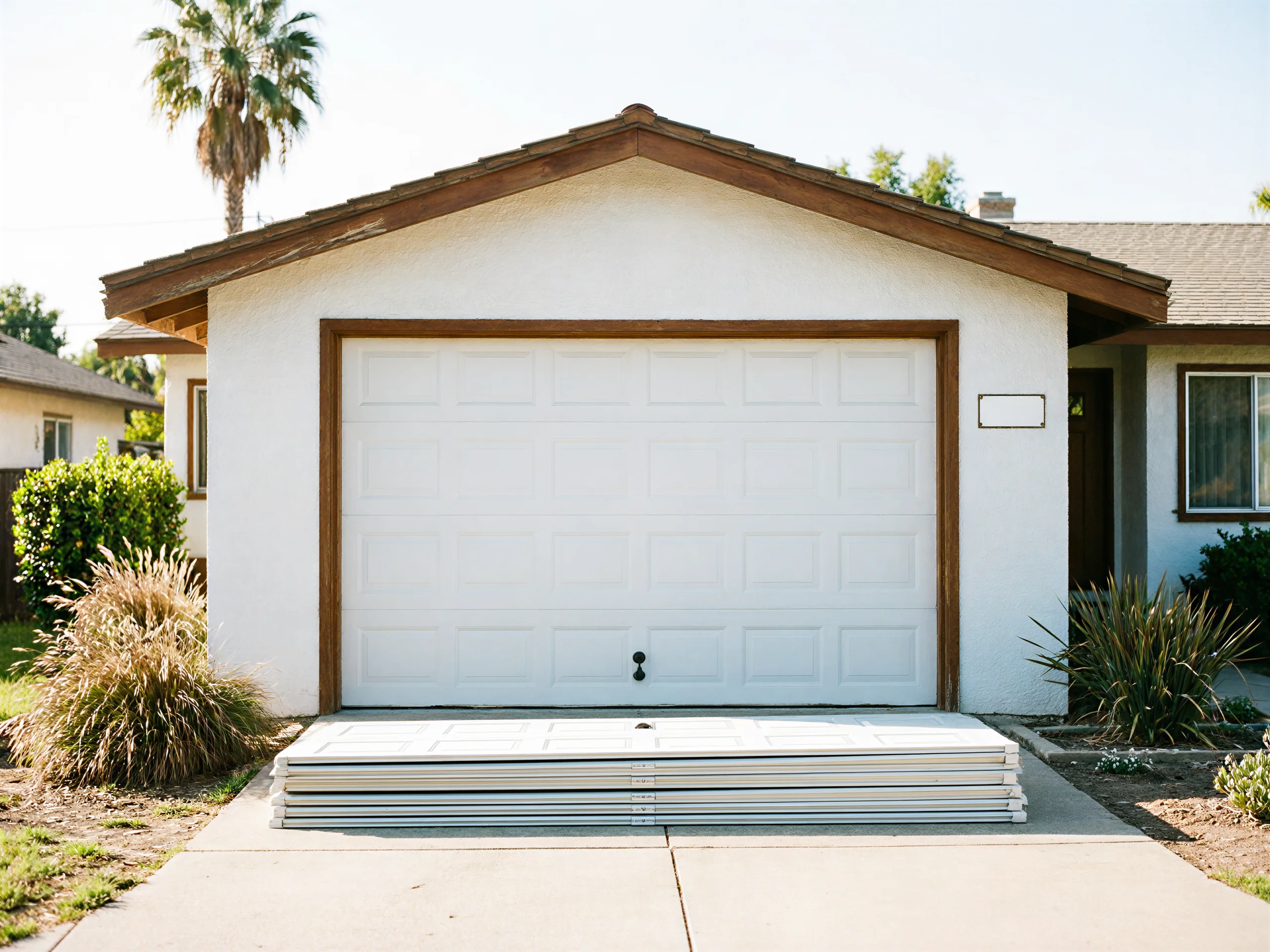
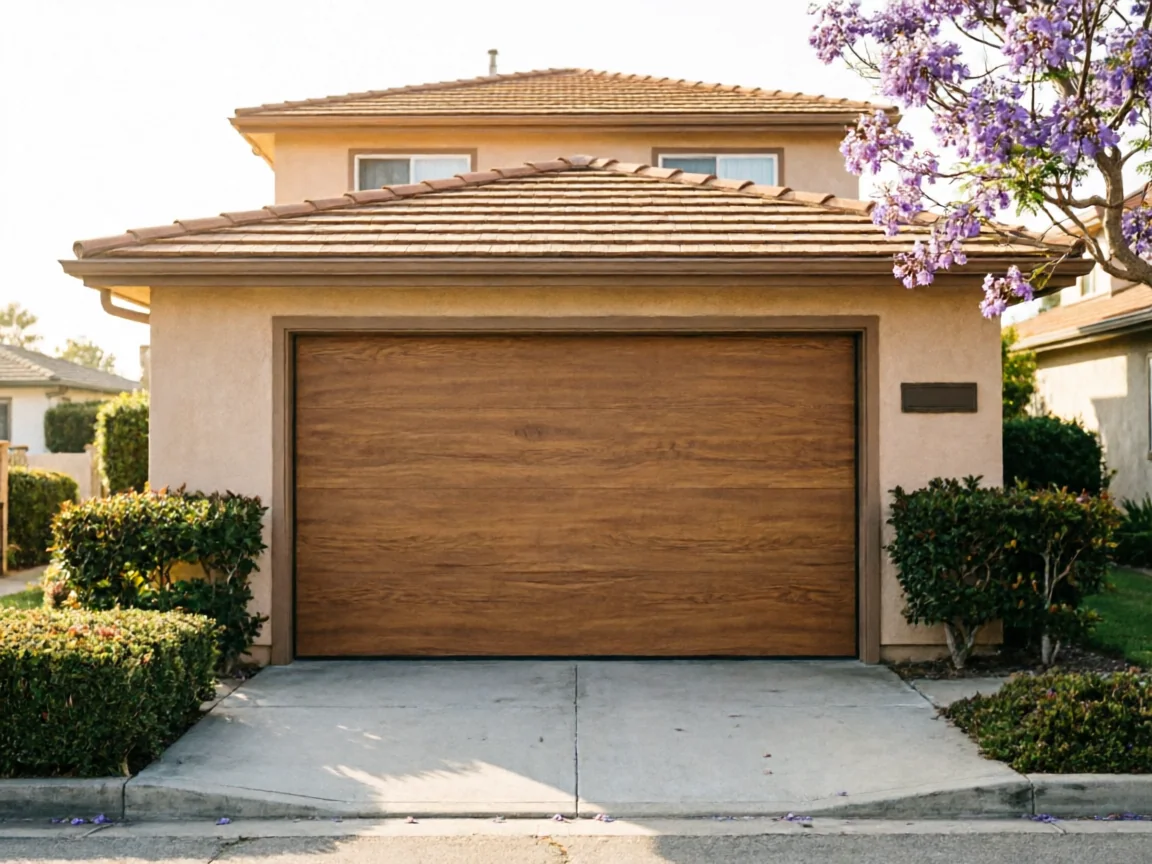
A garage installed in 1983 almost never has the one-piece slab doors or side-mounted torsion hardware that show up on 1960s houses. By the early 80s, sectional doors with center-mounted torsion springs and steel tracks were standard, and that's what we find on most Walnut calls. The failures run different too: these doors have had roughly 40 years of cycles on springs that were never meant to last past 10,000 of them, so the common call here is a snapped torsion spring or a worn extension spring on an original steel sectional door, not a jammed one-piece slab.
Openers are the other story. A house built in 1983 likely has had at least one opener swap already, sometimes two, and we see a real mix of decades-old chain drives next to newer belt-drive units bolted onto the same bracket. Mismatched age between the door hardware and the opener is its own failure mode - the opener forces a door whose springs have lost tension, and you get a motor that strains or a door that reverses halfway up.
Heat plays a smaller role here than in some climates - this is a moderate heat band, not an extreme one - but it still dries out lubrication and nylon rollers over the years, which compounds whatever the spring and opener are already dealing with.
What It Costs
We don't have a Walnut-specific price list to publish, and quoting a number without seeing the door is a good way to lowball or overcharge someone.
Sectional cost drivers
What we can tell you is what drives the number on a typical 1980s sectional door: spring size and whether it's one or a matched pair, whether the drums or cables need replacing alongside the spring, and whether the opener's logic board is original or already a replacement.
Income shows in choices
Walnut's median household income in the service area sits above the broader San Dimas service area figure - $133,762 here against $104,565 across the wider area - and that shows up less in what we charge and more in what homeowners choose to do with a repair estimate.
Repair-only number first
We see more requests here for full opener upgrades done at the same time as a spring job, rather than a patch-and-wait approach, simply because the household budget allows it. We'll always give you the repair-only number first and let you decide whether to bundle.
Doing It Yourself
A torsion spring under tension can take a finger or worse, and on a 1983-era sectional door the spring is sized for a heavier door than the lighter slab doors from earlier decades - more stored energy, less margin for a mistake.
Sensor alignment self-check
We don't recommend touching the spring, the cables, or the drums yourself. What you can safely check: the photo-eye sensors near the floor on either side of the track, since a knocked-out-of-alignment sensor is a common no-start cause and costs nothing to fix yourself.
Strain signals spring loss
You can also listen for the opener straining on the way up - that's usually the spring losing tension, not the motor failing, and it tells us what to bring before we even get to the house. Where DIY makes sense: tightening loose hardware bolts on the track brackets, lubricating rollers and hinges with a silicone-based spray rather than grease, and clearing the track of debris.
Old motor parts scarce
Where it doesn't: anything involving the spring, the cable drums, or removing panels. If the opener is original to a 1983 install, it's also worth knowing that parts for a motor that old are often unavailable, which usually makes replacement the honest answer rather than a repair.
Talk to a local pro
Garage door service in San Dimas?
Same-day service with honest, upfront quotes.