How Long You Are Without the Door
A standard maintenance visit - lubrication, hardware tightening, track and balance check - doesn't put your door out of service. You keep using it the same day. If we find a spring or cable that needs replacing on the spot, the door may sit closed for that part of the visit while the old hardware comes off, but we don't have a fixed turnaround time to promise you here, since it depends on what's actually found and what parts the job needs. We'd rather tell you that plainly than give you a number that doesn't hold up once we're under the door.
How We Fix It
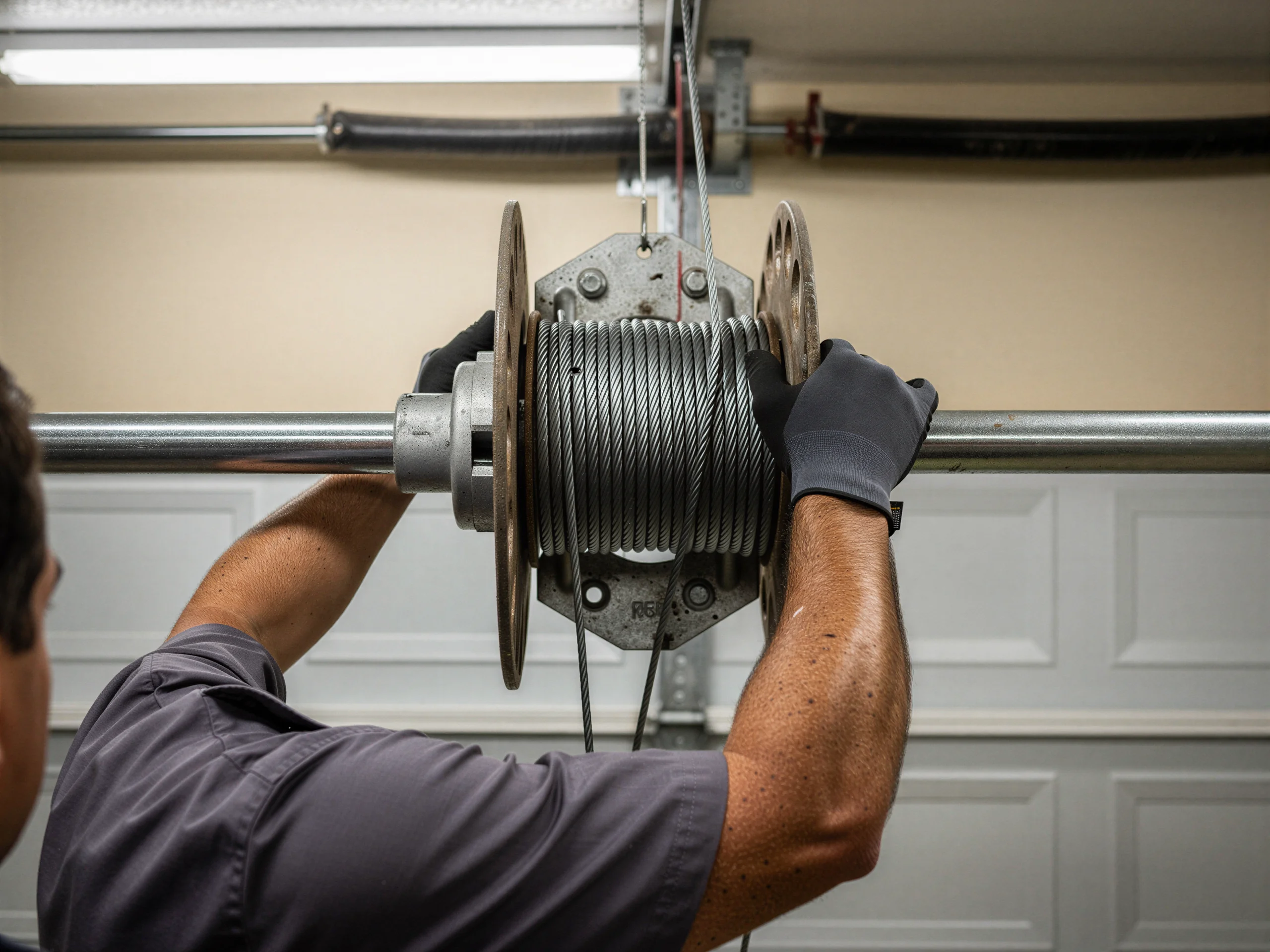
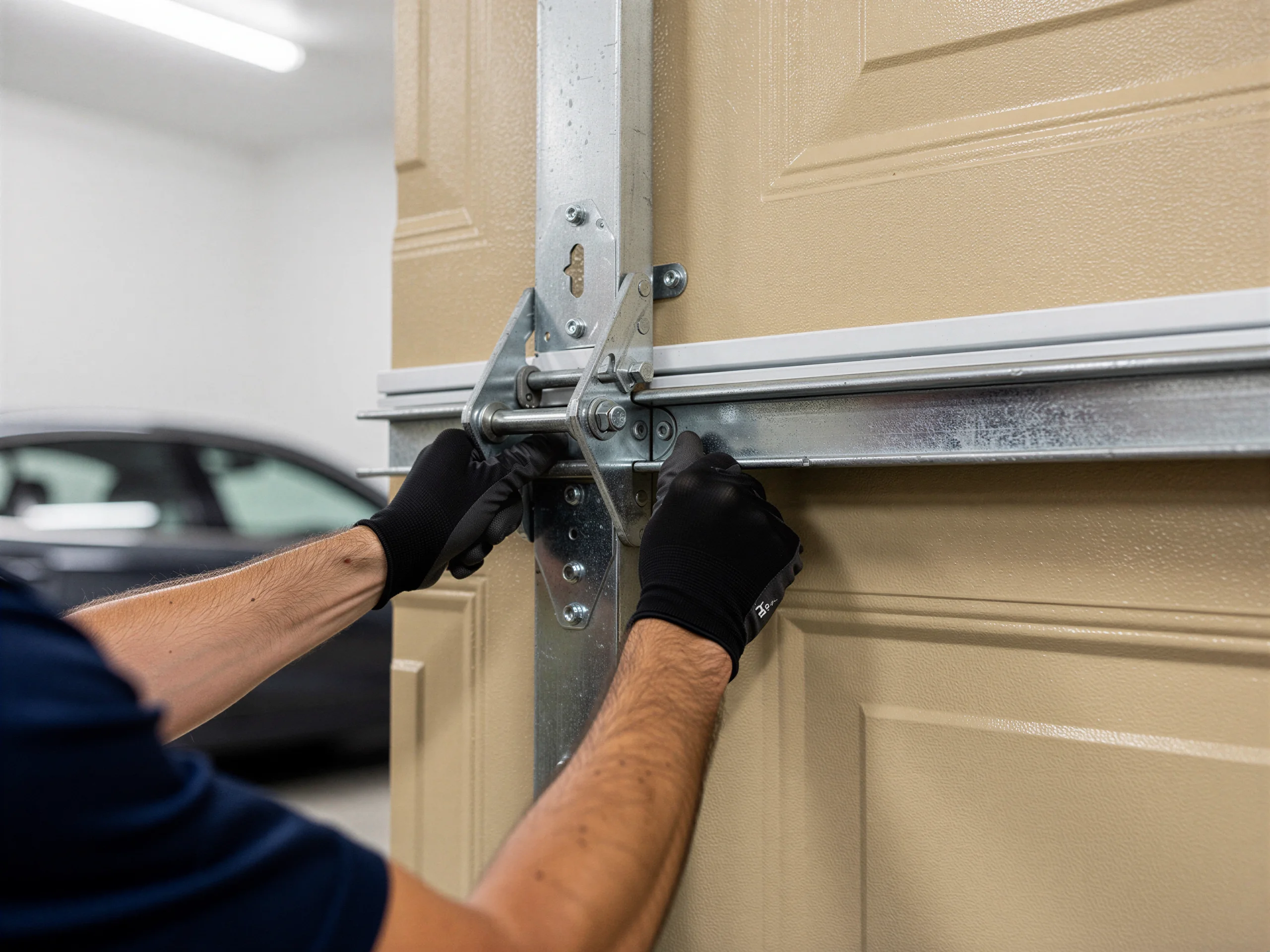
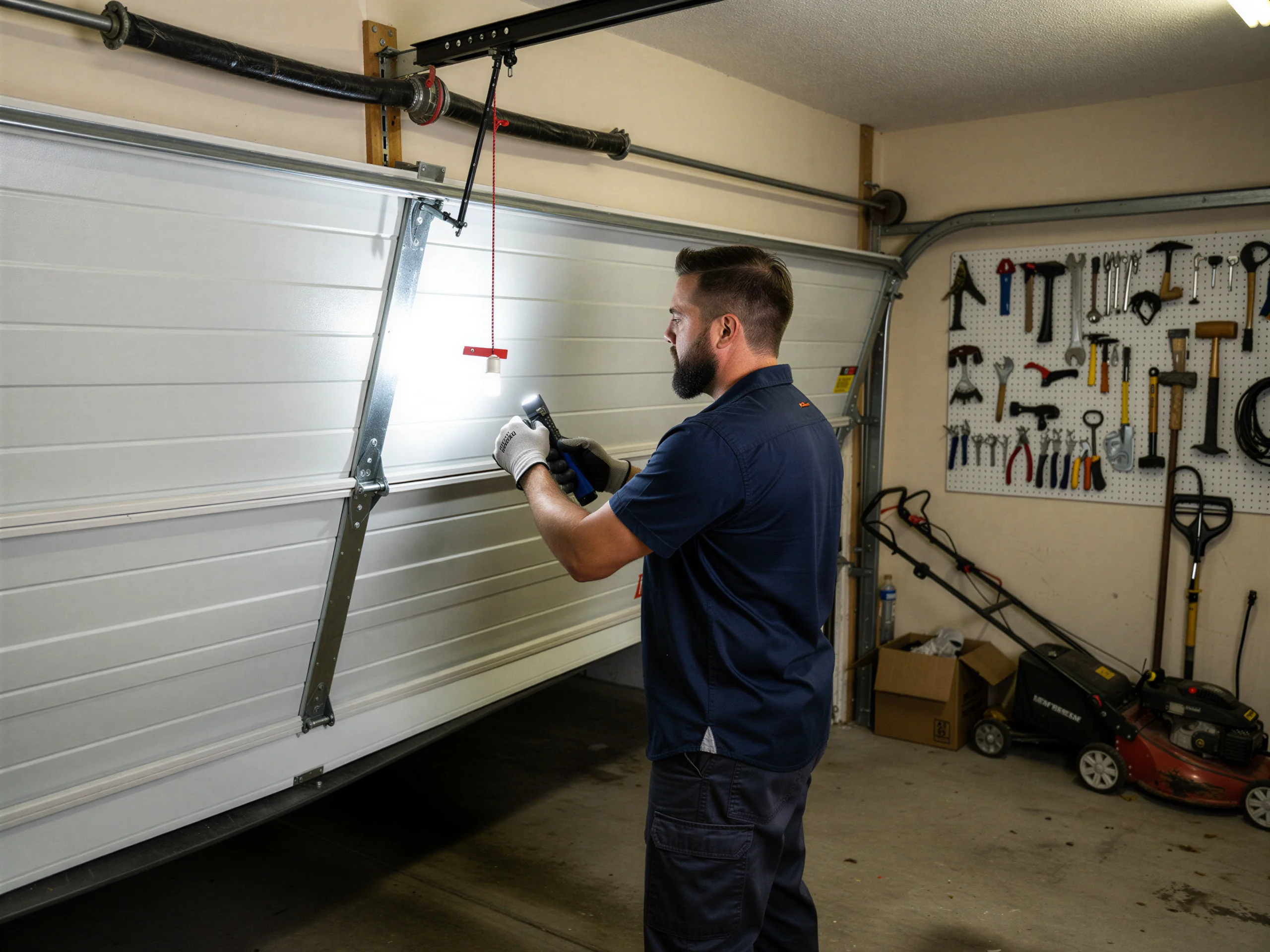
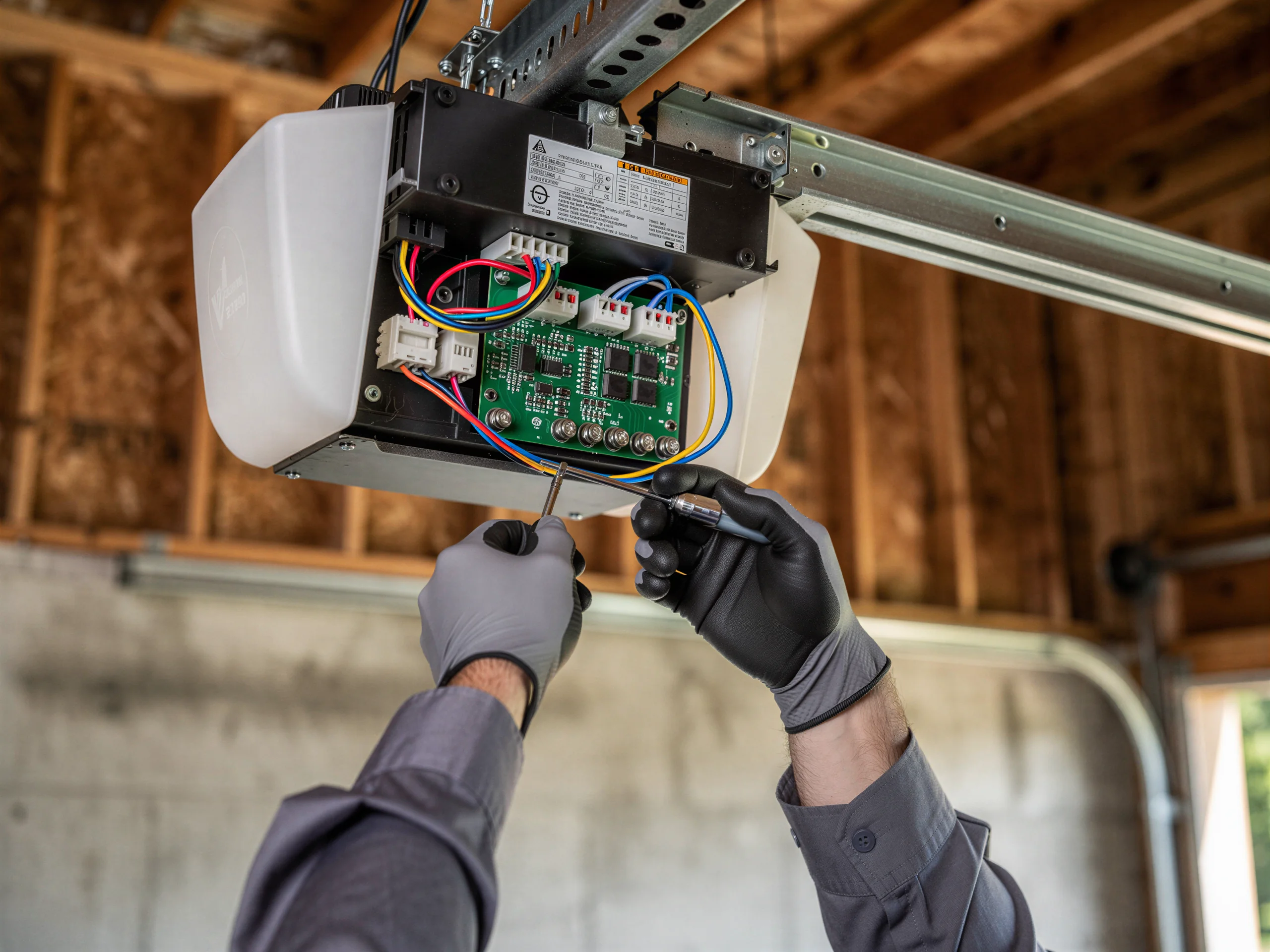
We run the truck out from San Dimas, about six miles to Walnut, so a maintenance visit here is a normal stop on the route, not a special trip. On an 1980s-built door, we're checking the things that match that hardware generation: torsion spring tension and wear, the condition of the original rollers if they're still nylon, chain-drive opener alignment and the limit switches, and whether the bottom panel's seal still does its job. Walnut's median household income runs well above the wider service area's, and we see that reflected less in fancier doors and more in owners who've kept up with service instead of waiting for a spring to snap. That makes most Walnut visits a tune-up rather than an emergency call, which is the point of doing maintenance at all.
Why It Happens Here
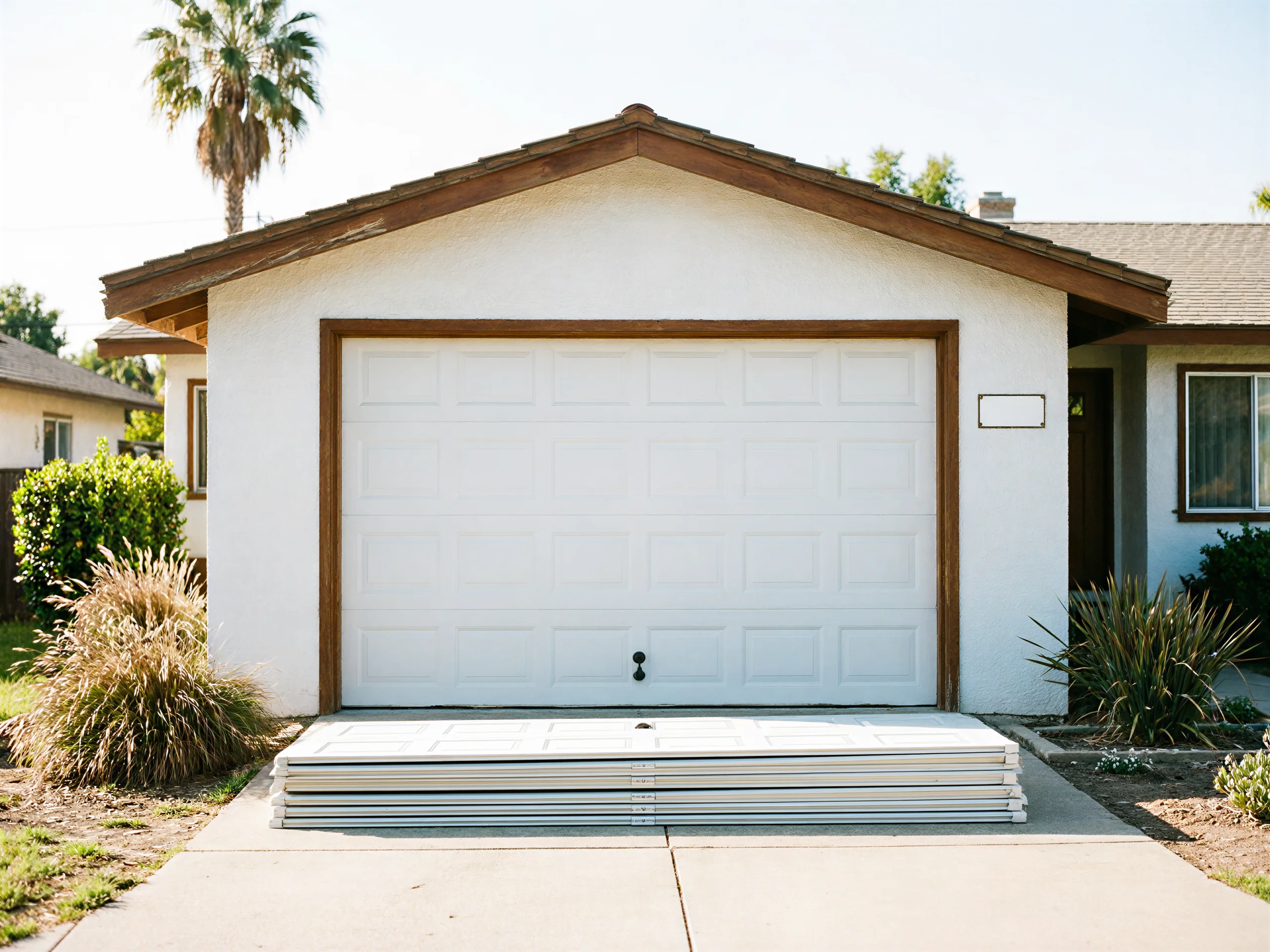
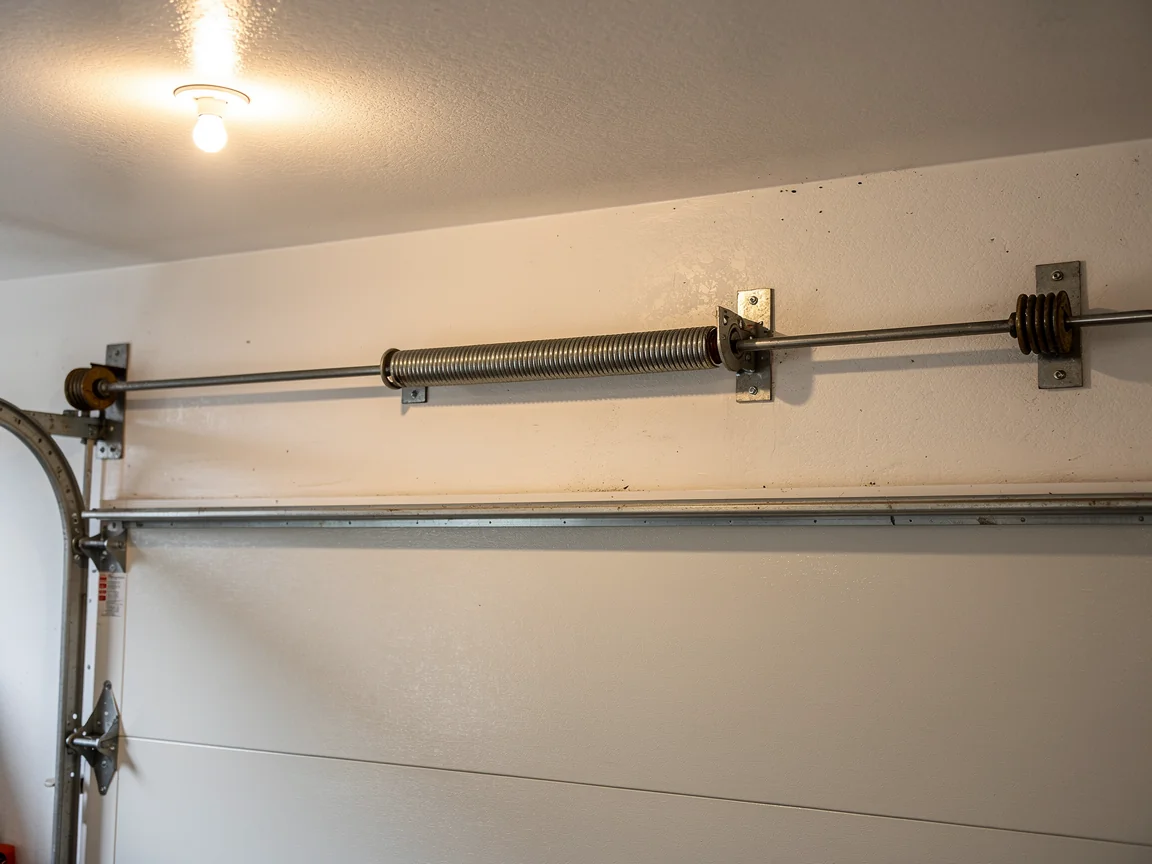
Walnut's houses skew newer than a lot of what we cover out of San Dimas. Across our wider service area the typical home was built around 1963, but Walnut's median build year lands closer to 1983, two decades later. That gap matters for the door. A house from 1983 almost never has the old extension-spring setup you'll find on a 1960s build - by then torsion springs mounted on a center bracket were standard, along with steel sectional panels replacing the older one-piece slab doors. The openers from that era were mostly chain-drive, and a lot of those original units are still bolted to the ceiling, just tired.
The failure pattern follows the hardware. Torsion springs from the early 1980s are now past 40 years old if they're original, which is well beyond any spring's rated cycle life regardless of how little the door gets used. Nylon rollers from that period have usually gone brittle and noisy. The climate here runs moderate on heat, so you're not dealing with the kind of extreme thermal swings that crack seals fast, but decades of sun on a steel panel still dries out weatherstrip and glazing compound around any windows in the door. None of this is dramatic - it's just age catching up with hardware nobody's touched since it was installed.
What It Costs
We don't have a flat rate to quote here, and anyone who gives you one sight unseen for a 40-year-old door is guessing.
Findings set the final number
What drives the number is what we find: whether the torsion spring is original and needs replacing outright, whether the rollers are still nylon or have already been swapped to steel ball-bearing, and whether the opener is worth tuning versus retiring. A door that's had occasional care over the decades costs less to service than one that's never been touched since 1983.
Original springs are safety calls
One honest limitation: if your springs are original to the house, we're not going to recommend just lubricating them and calling it done. A spring that old is a safety call, not a maintenance call, and we'll tell you straight when that's what we're looking at rather than padding a maintenance visit with a repair you didn't ask for.
Doing It Yourself
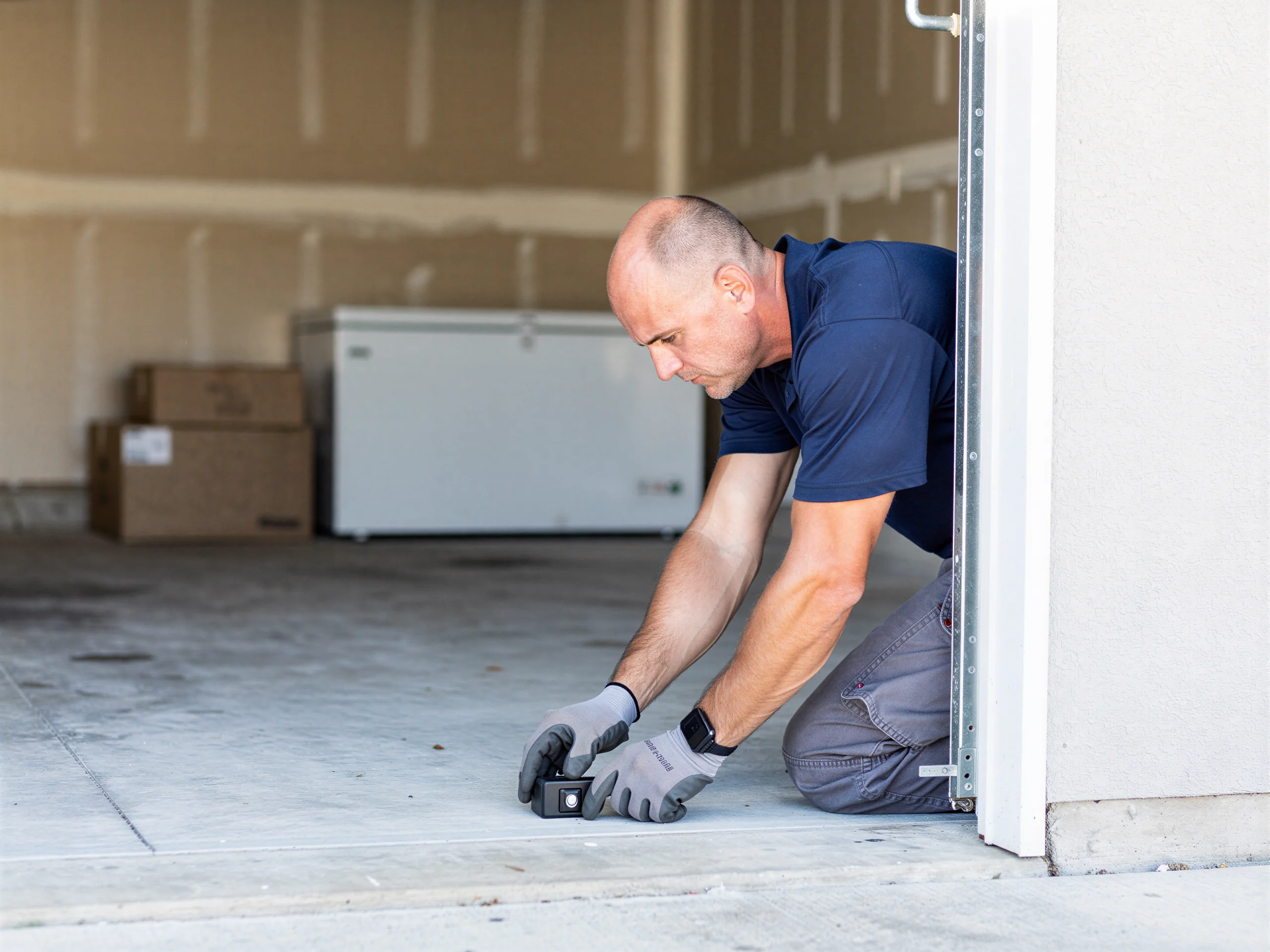
Between visits, there's real work an owner can do. Wipe down the tracks and check them with a level - four decades of settling can throw a track out of plumb even if nothing's visibly bent.
Pick the right lubricant
Lubricate the rollers and hinges with a garage-door-specific spray, not WD-40, which washes grease out rather than replacing it. Check the weatherstrip along the bottom panel for cracking; on an 1980s-era door this is usually the first part to fail outright. The balance test matters most.
Manual balance test for springs
Disconnect the opener, lift the door halfway by hand, and let go. It should stay put. If it drops or shoots up, the torsion spring has lost tension and it's not a DIY fix - that's stored energy that can take a finger off. Leave the spring itself alone.
Talk to a local pro
Garage door service in San Dimas?
Same-day service with honest, upfront quotes.