What It Costs
We don't post a flat number for cable repair here because the job varies with whether it's one cable or two, whether the drums are still good, and whether it's a torsion or extension setup.
Quote before touching
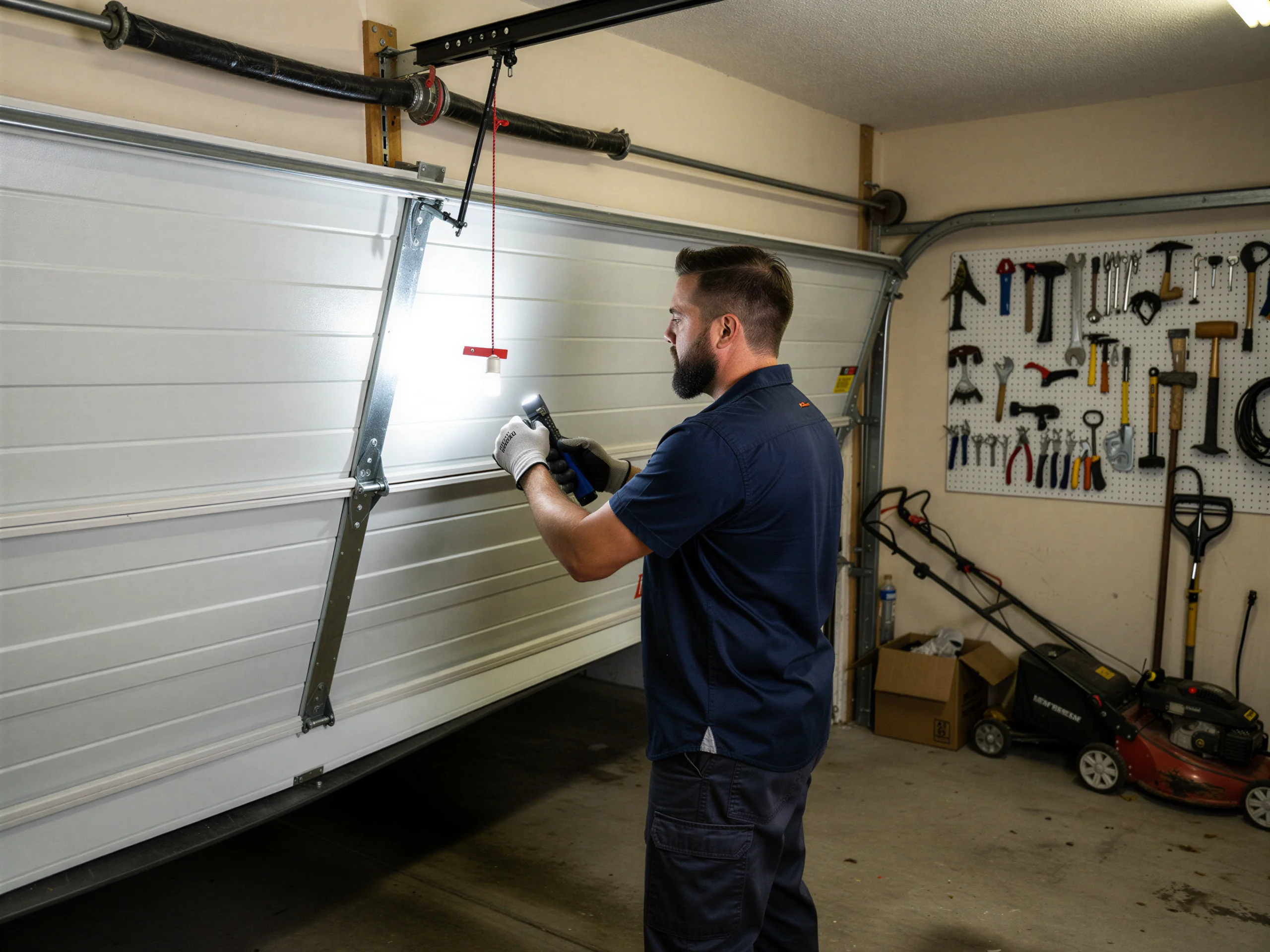
What we can tell you is how we price it on-site: we look at the door, tell you what's actually wrong, and quote before we touch anything - no guessing after the fact.
Straight cable swaps
Income levels in this part of the service area run close to but slightly under the wider area average, and in practice that shows up in what people ask for: most jobs here are a straight cable swap, not an upsell into a full hardware replacement, unless the drums or pulleys are genuinely failing too.
Won't patch worn hardware
If a repair isn't worth doing because the rest of the hardware is too worn to support it, we say so rather than patching something that'll fail again in months.
Getting It Booked In
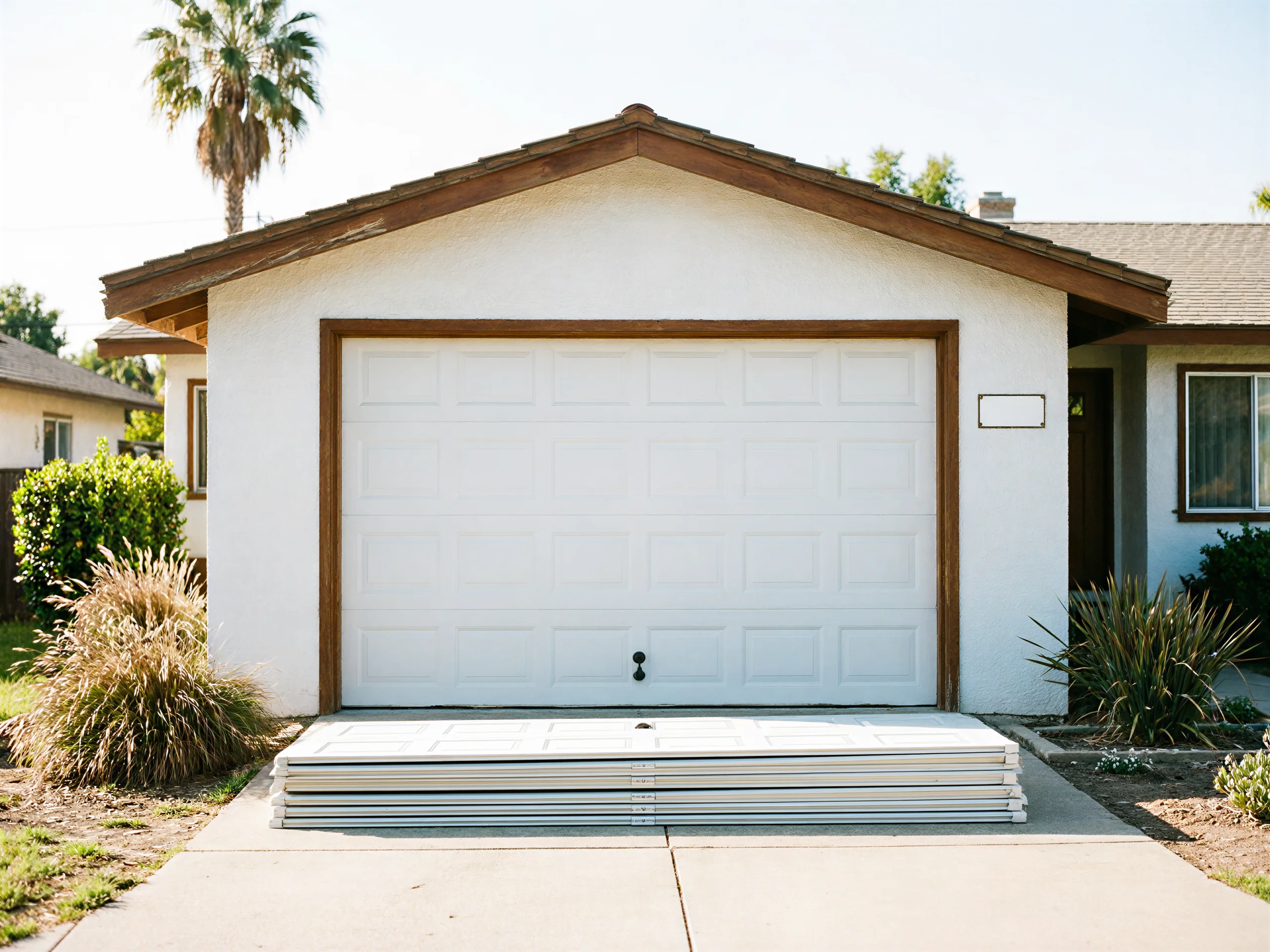
We cover West Whittier-Los Nietos out of San Dimas, about 18 miles away, so there's no local branch to swing by - it's a scheduled truck visit, same as the rest of this part of the service area. When you call, tell us whether the cable snapped clean or is still hanging on, and whether the door will move at all with the opener disconnected; that tells us what to bring.
You can see the areas we run from on our service area page, and if you're after a broader look at cable repair as a service rather than this specific area, our San Dimas cable repair page covers that. For West Whittier-Los Nietos specifically, the short version is: older stock, older drums, call before you touch the cable.
Doing It Yourself
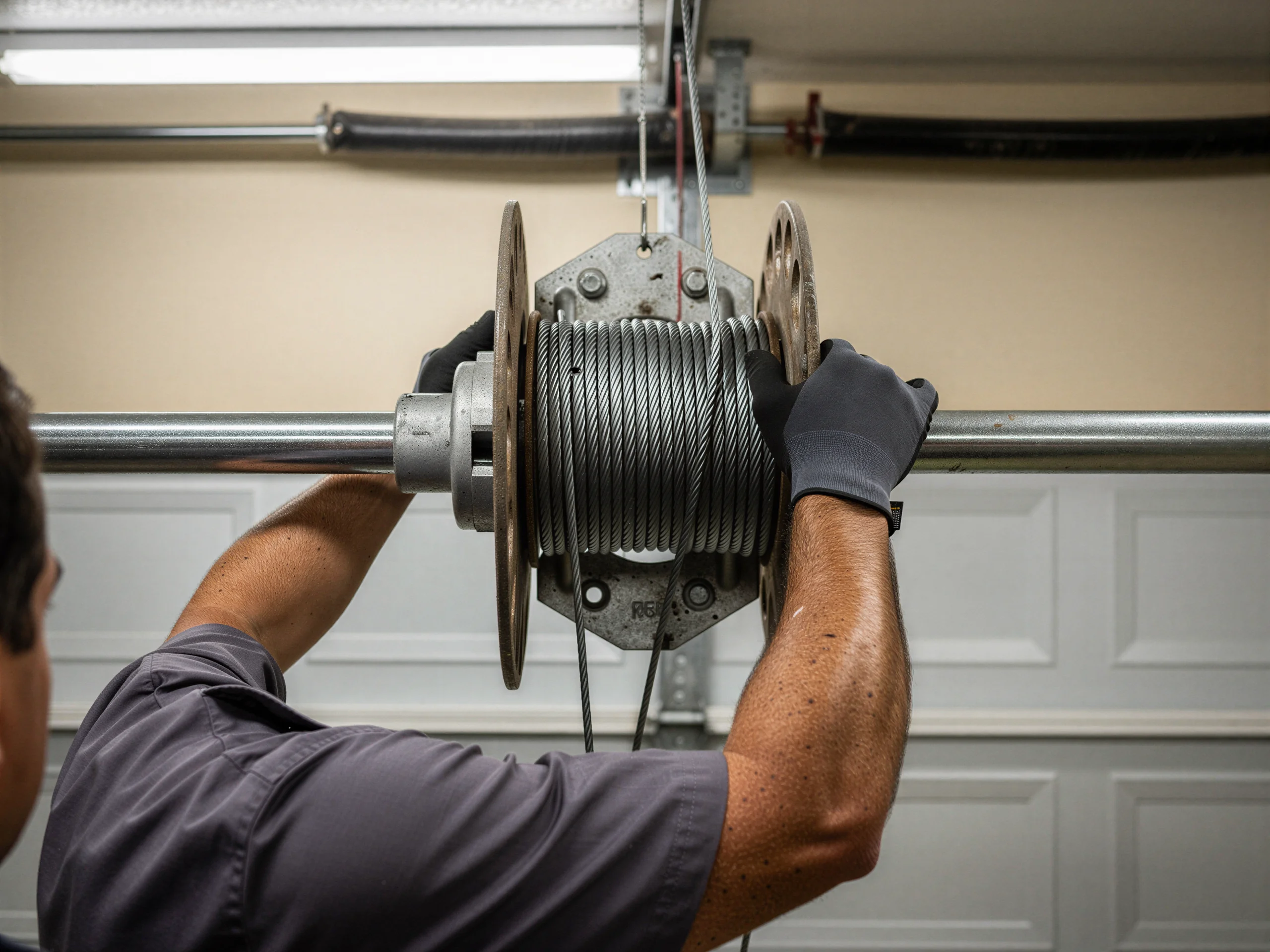
A garage door under spring tension is not a place to improvise. The cables on either side of the door carry the full weight of the panel when the springs let go, and a cable that's already frayed can snap while you're standing under it.
Popped cable protocol
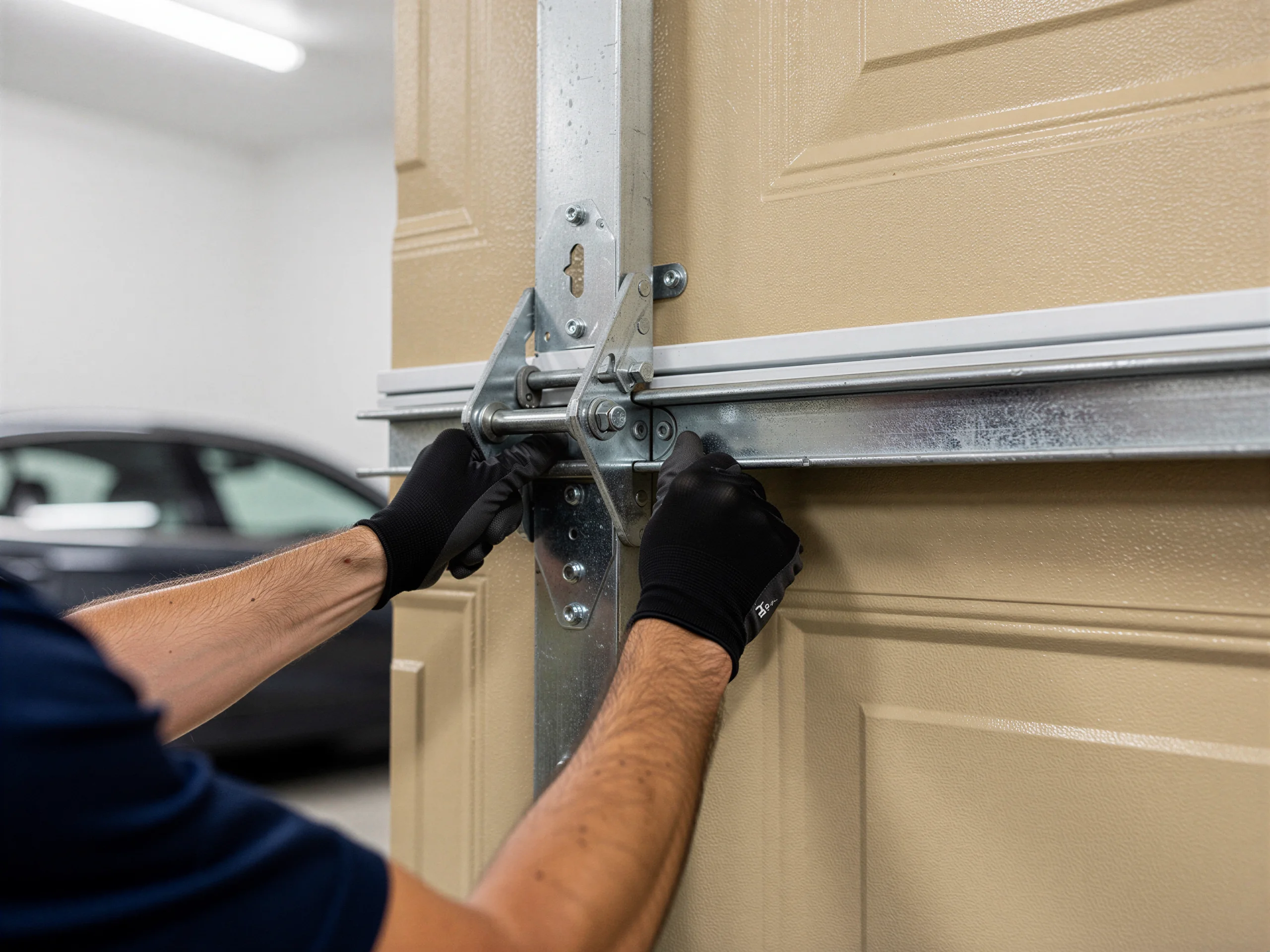
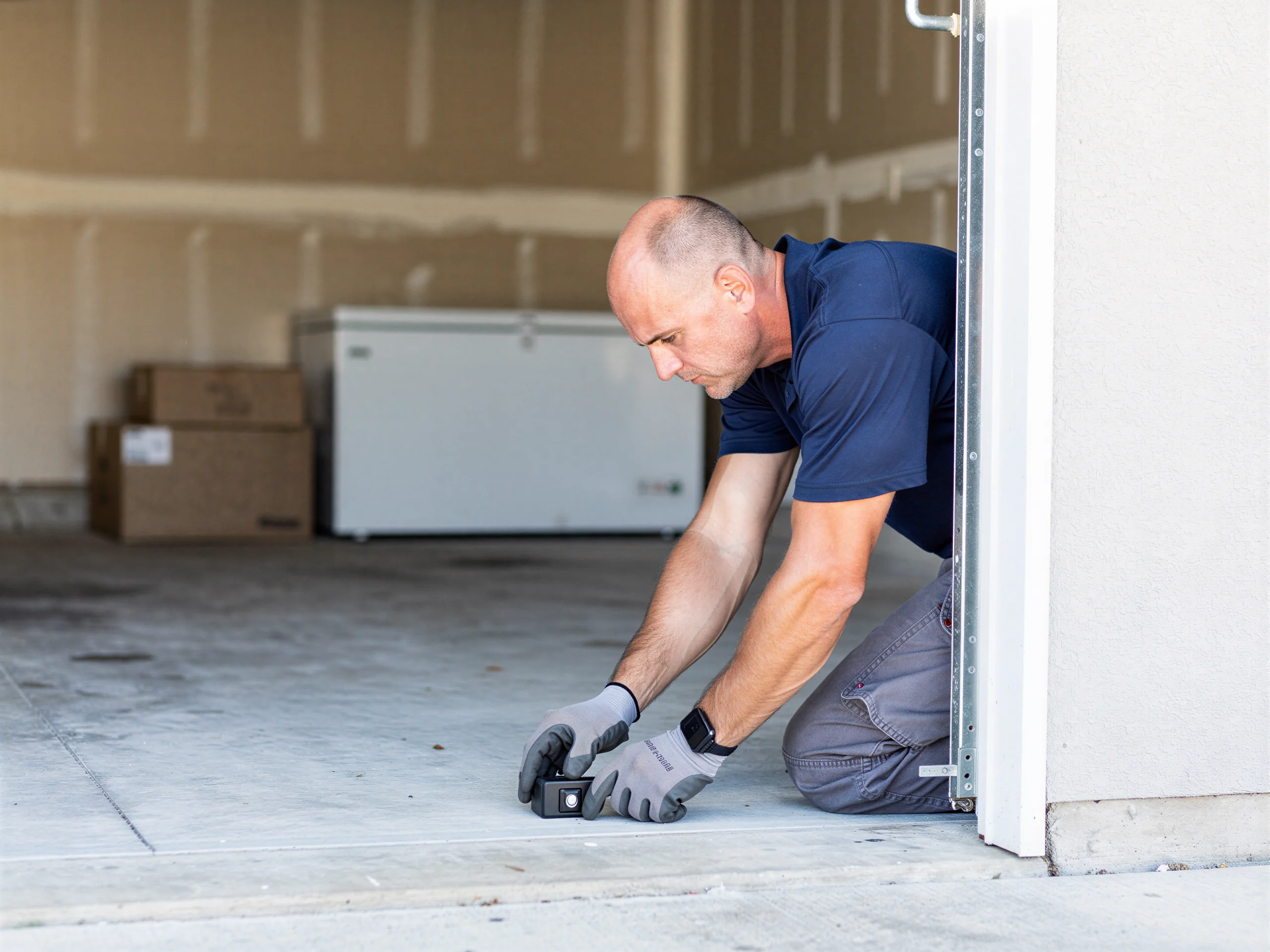
If a cable has popped off the drum or you can see wire strands sticking out like a broom bristle, the right move is to leave the door down, unplug the opener so it doesn't try to run on a bad cable, and make the call. There's a narrow set of things a homeowner can safely check first: whether the door is binding on a track, whether a roller has jumped out of its channel, or whether the cable simply slipped off a drum without fraying.
Visual check only
None of that requires touching the cable itself. Anything past a visual check - loosening a drum, rethreading a cable, backing off tension - is a two-person job with the right clamps, and it's the kind of job where a mistake costs a finger, not just a door.
Phone walkthrough first
We'd rather talk you through what you're looking at over the phone than have you find out the hard way. We're honest that we don't do same-day guarantees from here - we're coming from San Dimas, not sitting around the corner, so timing depends on the day's route.
Why It Happens Here
West Whittier-Los Nietos runs older than most of the rest of the service area we cover. The median home here went up around 1954, compared with a 1963 median across the broader area, and the wider stock spans 1943 to 1987. That nine-year gap matters for cable work specifically: doors from the early-to-mid 1950s were more often built with extension springs riding on open cable drums rather than the torsion-and-safety-cable setups that became standard later. Those older drums wear cables unevenly, and a worn groove on a drum will fray a cable faster than a smooth one will.
The climate band here sits in the moderate-heat range, which doesn't sound dramatic, but repeated heat cycling dries out the light lubricant on a cable faster than a mild climate would, especially on a door that's original or close to it. A cable that's been drying out quietly for a couple of decades doesn't usually announce itself - it just goes, usually on the next cold snap or the next time the door gets used twice in one day instead of once.
What Can Go Wrong
The most common call is a snapped cable on one side, which drops that corner of the door and can rack it badly enough to bend a track if someone tries to force it closed anyway.
Jumped groove grinding
On older extension-spring setups like the ones common in this area's 1950s stock, we also see cables that have jumped the drum groove and are grinding against the drum itself - not snapped yet, but close. Less common, but it happens on doors this age: a cable that's rusted at the bottom fitting where it clips to the bracket, which is hard to spot without putting eyes right on it.
Worn pulley one side
We also see pulley wear on extension-spring doors, where the cable has been riding on a worn pulley long enough to fray on one side only. Our honest limitation: if the drums themselves are shot or the door is an original single-piece panel on hardware nobody stocks replacement parts for anymore, patching the cable alone isn't worth doing.
Shot drums mean replacement
At that point we'll tell you straight that the fix is a new drum set, or in some cases a new door, rather than charging you for a cable that'll just chew through the same bad drum again in a year.
Talk to a local pro
Garage door service in San Dimas?
Same-day service with honest, upfront quotes.