What It Costs
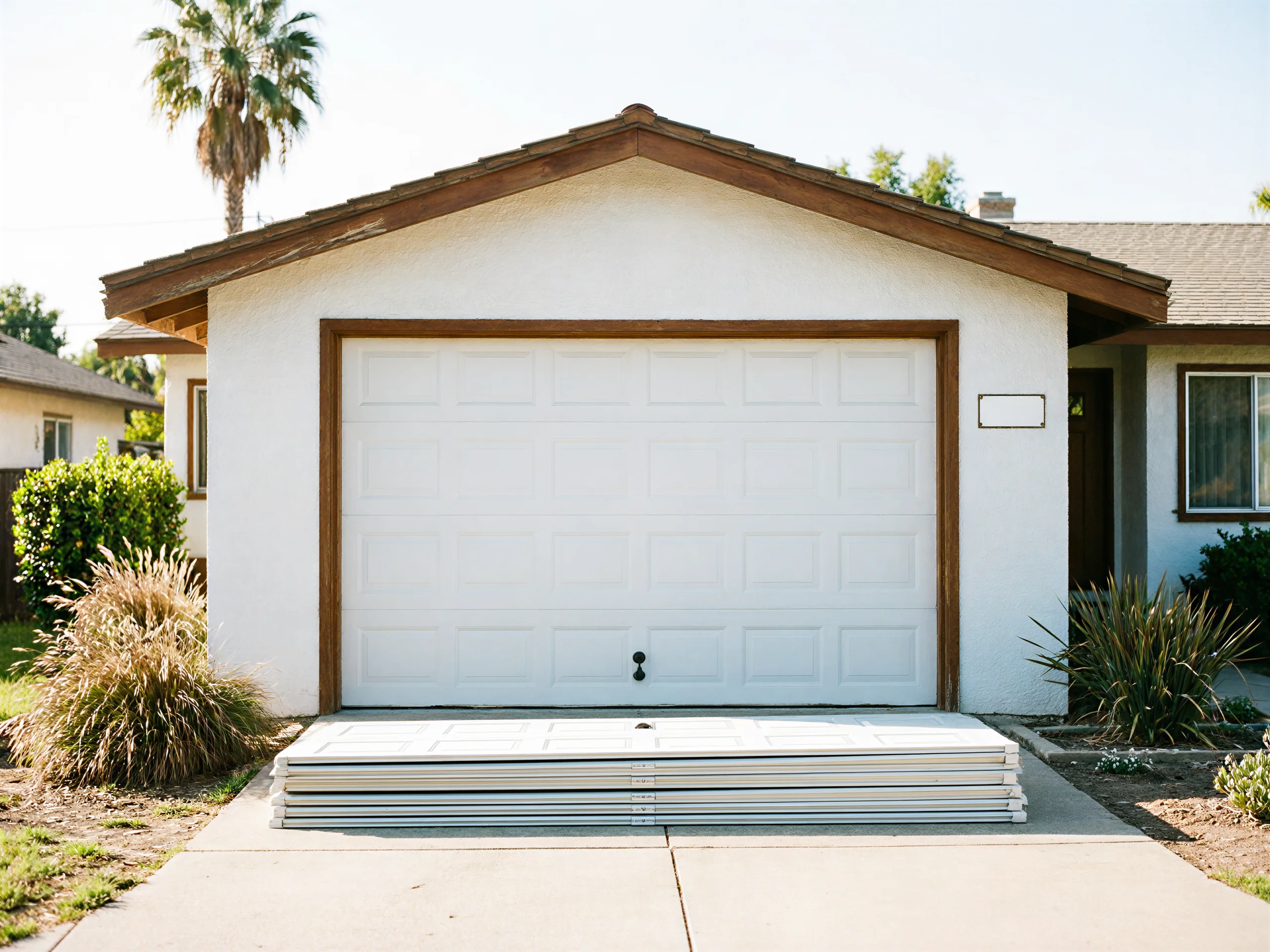
Median household income in West Whittier-Los Nietos is $101,138 - solidly in the range where a $150-300 tune-up almost always beats letting a problem become a $600+ spring-and-cable replacement, let alone a full door swap running well into four figures. That math holds at this income level because the labor cost of catching a problem early is small relative to the cost of an emergency repair plus a service call. Where it doesn't hold: if the door itself is original 1954-era wood or an early steel panel that's already warped or rusted through, a tune-up is money spent on a door you'll replace within a year or two anyway. We don't have pricing specifics to publish here beyond that general math - what a given door needs depends on what we find on site.
Getting It Booked In
We run out of San Dimas, about 18 miles from West Whittier-Los Nietos, so this isn't a same-block drop-in - it's a scheduled visit, which is exactly what maintenance should be anyway. A tune-up isn't an emergency call; it's worth planning rather than waiting until something binds or snaps. Given the age of hardware common in this area, we'd rather look at hinges, cables, and spring tension on a planned visit than meet you for the first time at a stuck door at night. You can check whether we're covering your specific block before booking.
Doing It Yourself
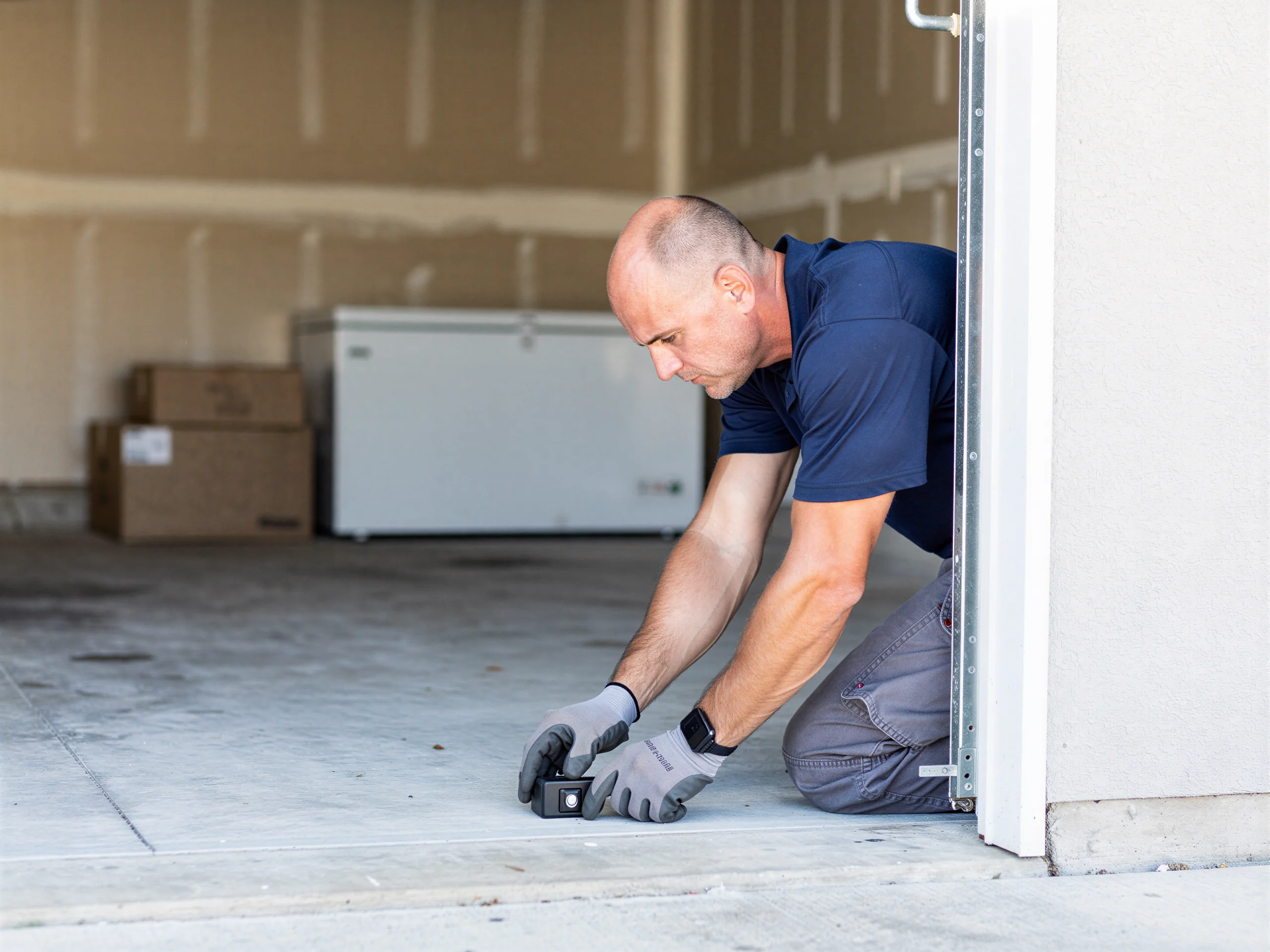
There's a real split between what a homeowner can safely do and what needs a tech, and the split doesn't move just because your door is older. You can keep the track clean, check that the photo-eye sensors aren't knocked out of alignment, wipe down and lightly oil the rollers if they're not sealed-bearing, and look at the weatherstripping on the bottom panel. What you should not touch: the torsion spring, the cables, or anything on the mounting hardware that bolts into the header. On a door built around 1954-era framing, that hardware was sized for a lighter door than a lot of the insulated replacements homeowners add later, and over-tightening or re-tensioning a spring on old brackets is how people end up in the ER. If you're not sure which category a job falls into, that's the line where it's worth a call instead of a guess.
Why It Happens Here
West Whittier-Los Nietos sits on housing stock centered around 1954, a good decade older than the median across the wider service area (1963, built mostly 1943-1987 per F1). That matters for maintenance because doors and openers installed or replaced on these houses are more likely to be running on original or first-generation-replacement track and hinge hardware, which wears differently than the galvanized stock used from the 1970s on. With 6,678 households in this pocket, a lot of them are at the point where a door that's never had a real tune-up is starting to show it: sagging hinges, glazed rollers, a spring that's lost a coil of tension. The climate here runs moderate on heat, so you're not fighting the extreme thermal cycling that cracks seals in hotter desert-adjacent areas, but age and use still take their toll on hardware regardless of weather.
What Can Go Wrong
On houses from this era the most common failure we see isn't dramatic - it's a slow one.
Worn hinges and rollers
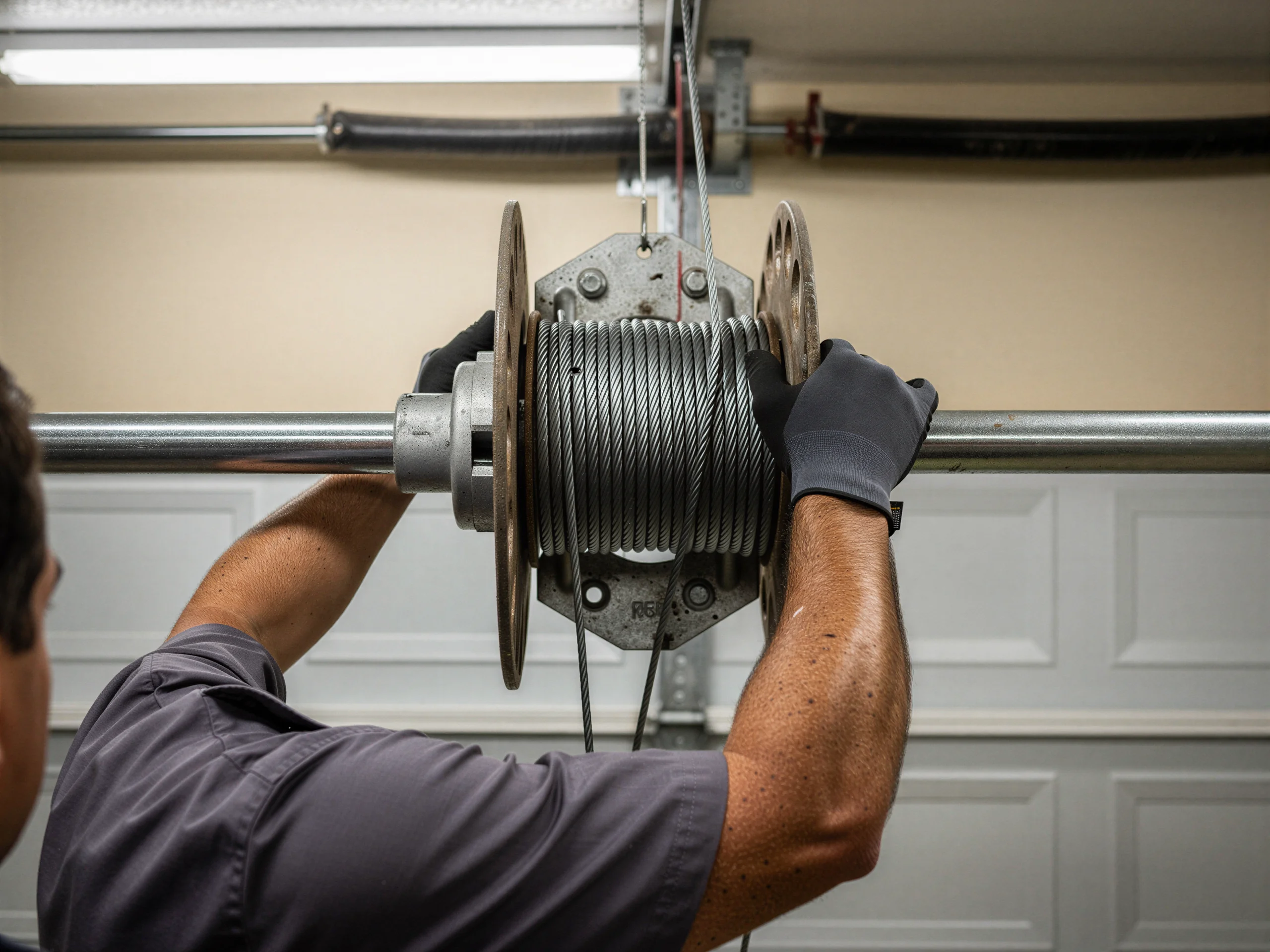
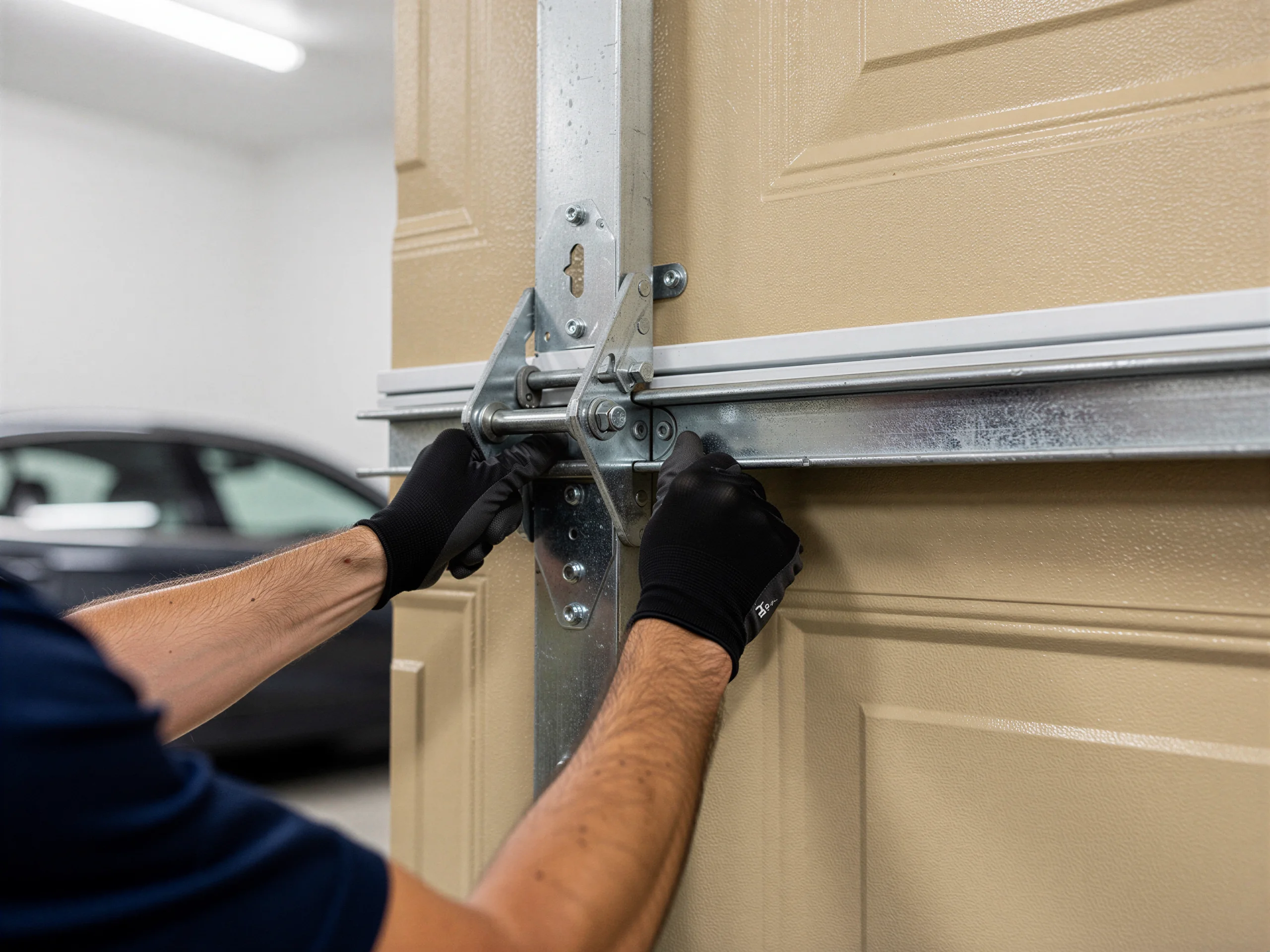
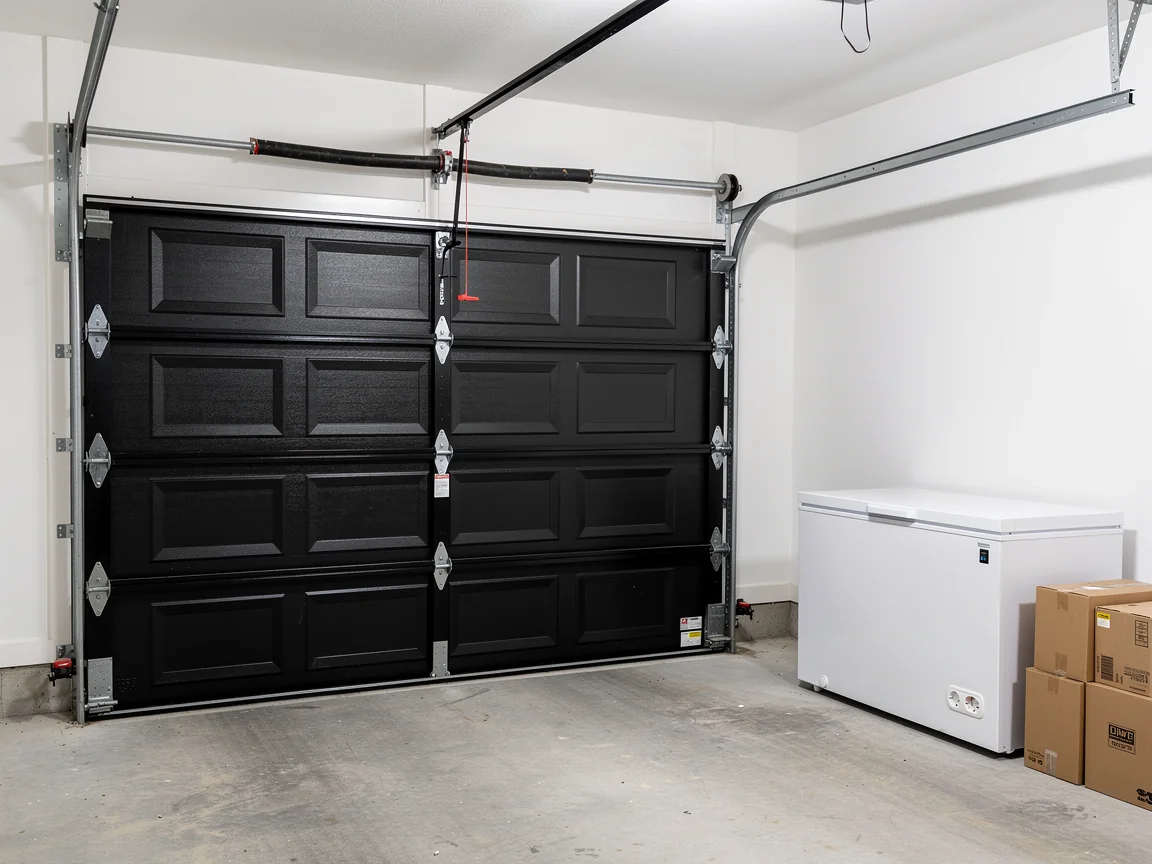
Hinges elongate their bolt holes from decades of panel flex, rollers go out of round and start binding in the track, and the torsion spring loses enough wind that the opener starts straining to lift a door it used to handle fine. Cables fray where they wrap the drum, usually invisible until one snaps.
Maintenance catches small faults
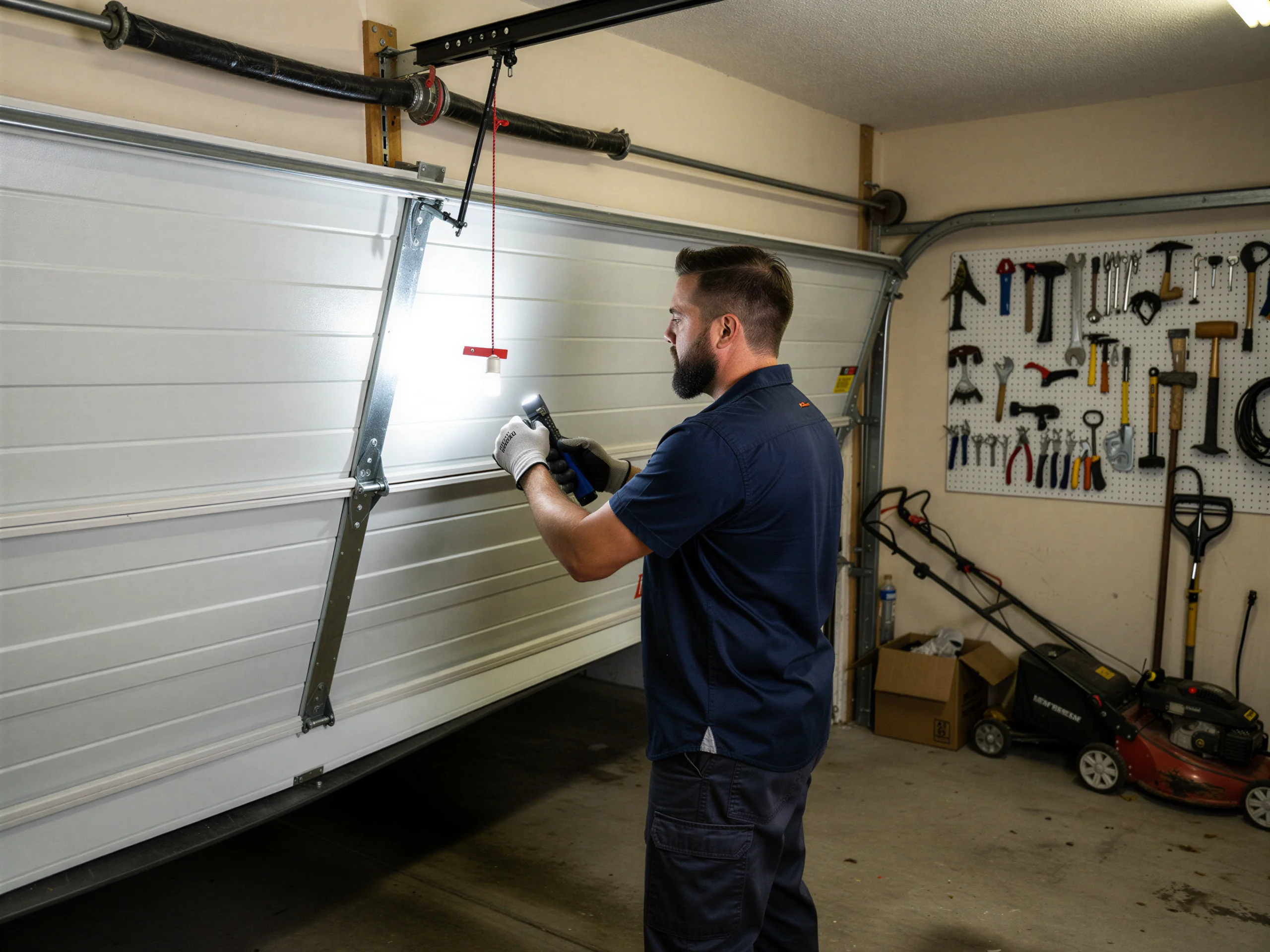
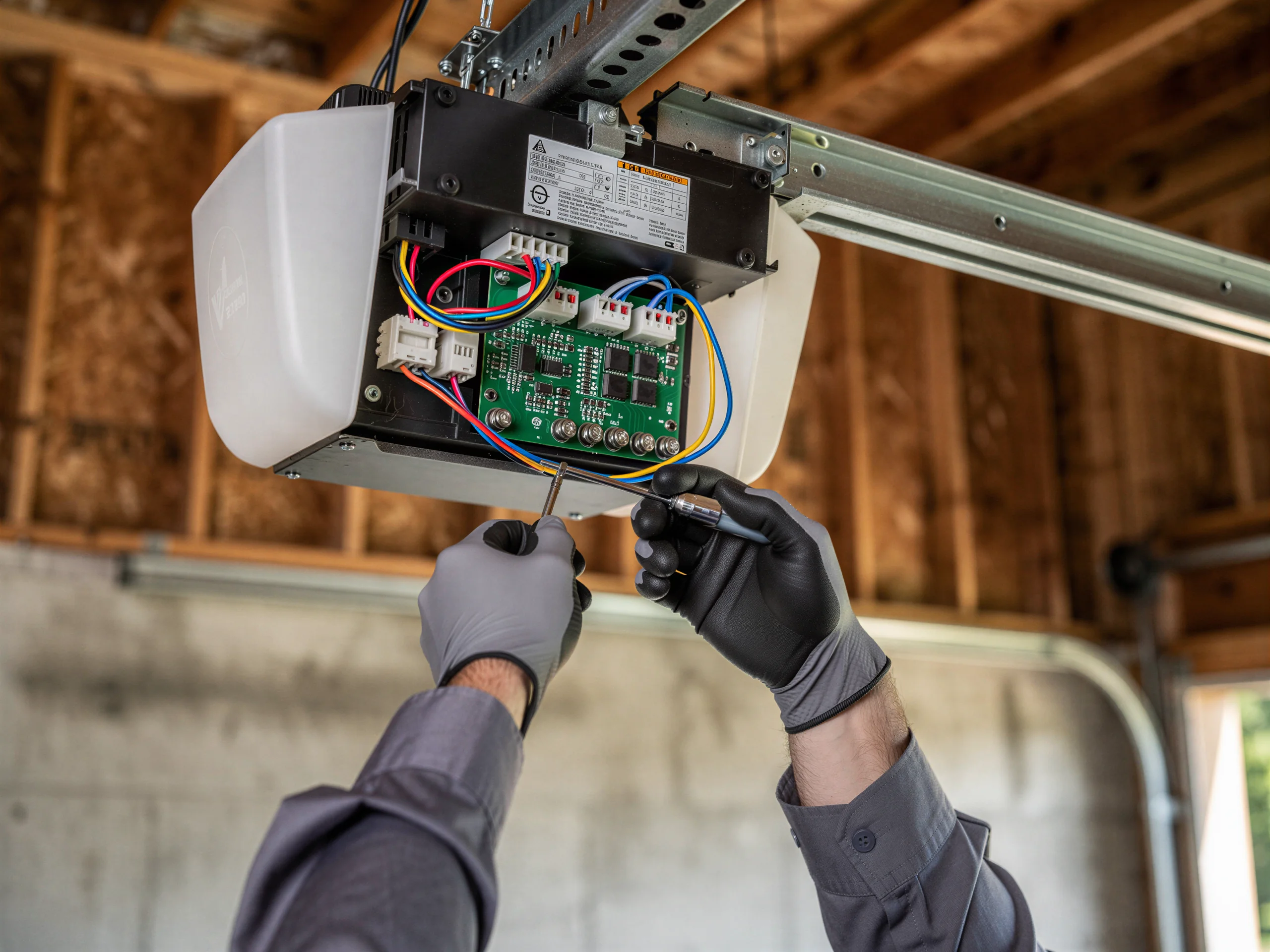
None of this is specific to this neighborhood's weather - it's specific to the age of the hardware itself. A maintenance visit catches most of it before it turns into a 10 PM stuck-door call: re-tensioning hinges, swapping worn rollers, checking spring wind and cable wear, and making sure the opener's force settings haven't drifted to compensate for a door that's gotten harder to lift.
Talk to a local pro
Garage door service in San Dimas?
Same-day service with honest, upfront quotes.