What It Costs
We don't have a published price list specific to West Whittier-Los Nietos jobs, and we're not going to quote a number here that doesn't hold up once we see the actual hardware.
Reuse brackets and track
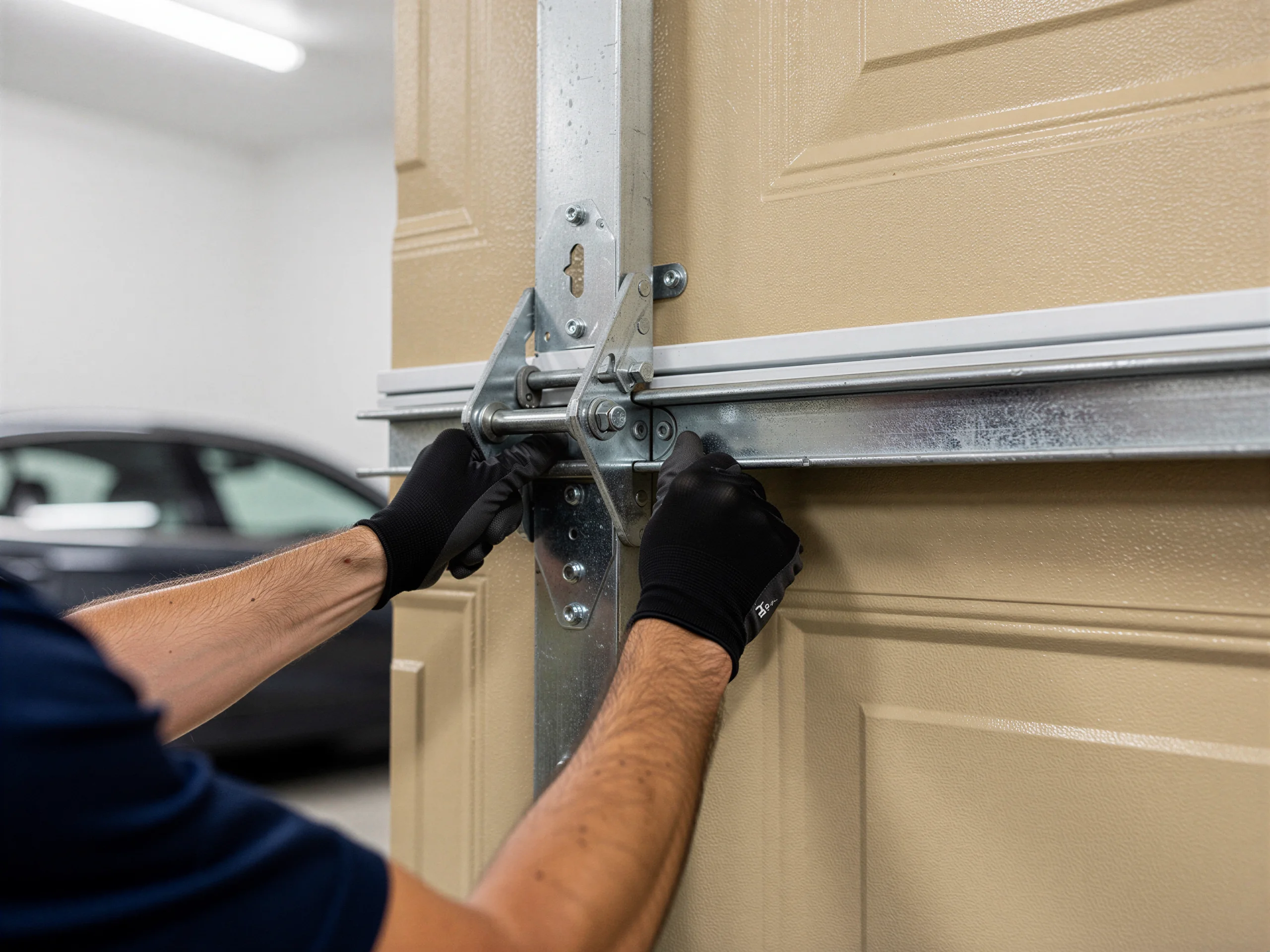
What we can say is that cost on a house from this era usually comes down to one variable: whether the original bracket and track system can be reused or needs replacing alongside the spring.
Repair versus replace income
Homes with a median income around $101,138 in this area tend to ask us the same question - repair or replace - and for a door with original 1950s hardware still largely intact, repair is often still the right call rather than a full system swap.
Cracked panel patch limits
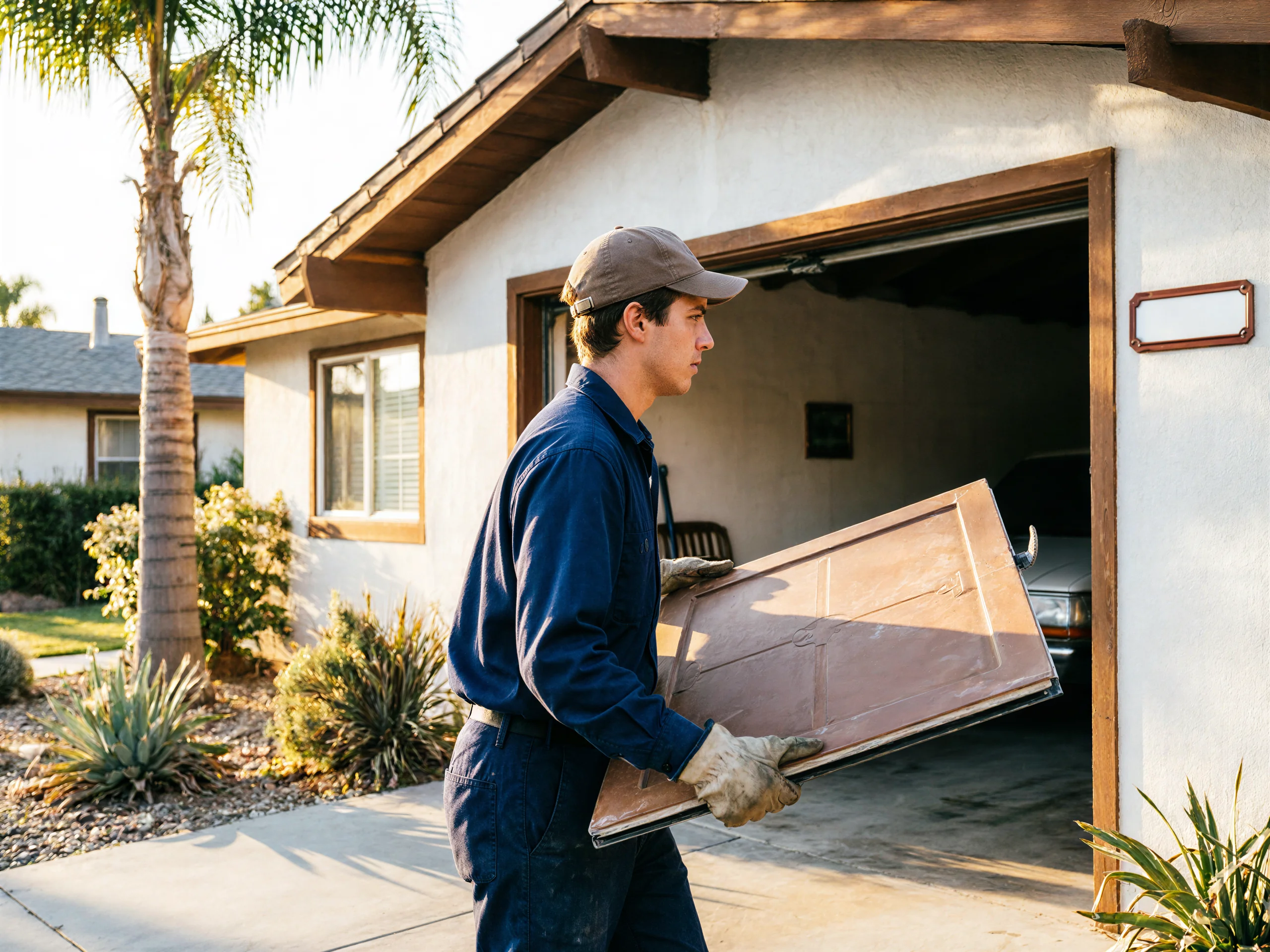
That's not true everywhere; a door with cracked panels or a bent track usually isn't worth patching. Since we travel in from San Dimas, we also factor that distance into scheduling rather than pricing. We'll give you a real number once we've seen the door, not before.
Getting It Booked In
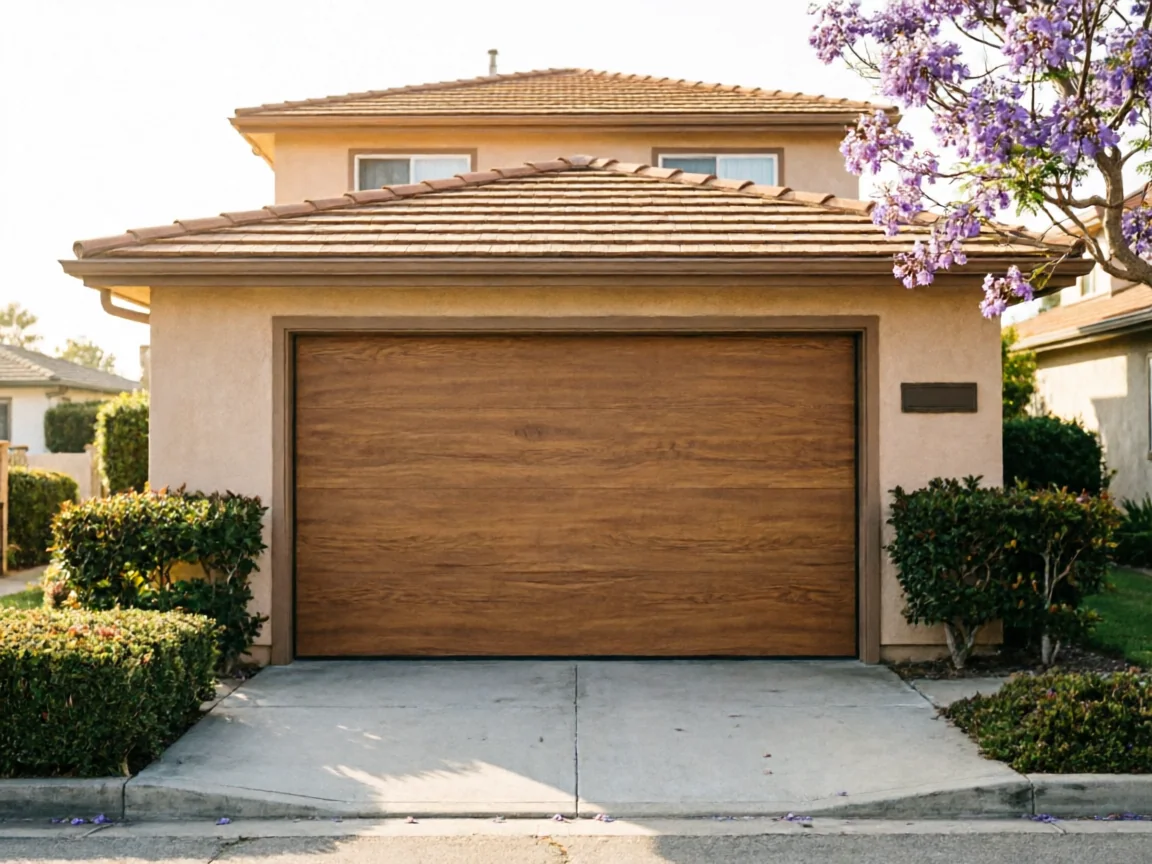
Because we run out of San Dimas, about 18 miles from West Whittier-Los Nietos, we book this area in alongside other calls on that side of the route rather than keeping a truck stationed locally. That means we're straightforward about not promising a same-hour response here - we'll give you a realistic window when you call.
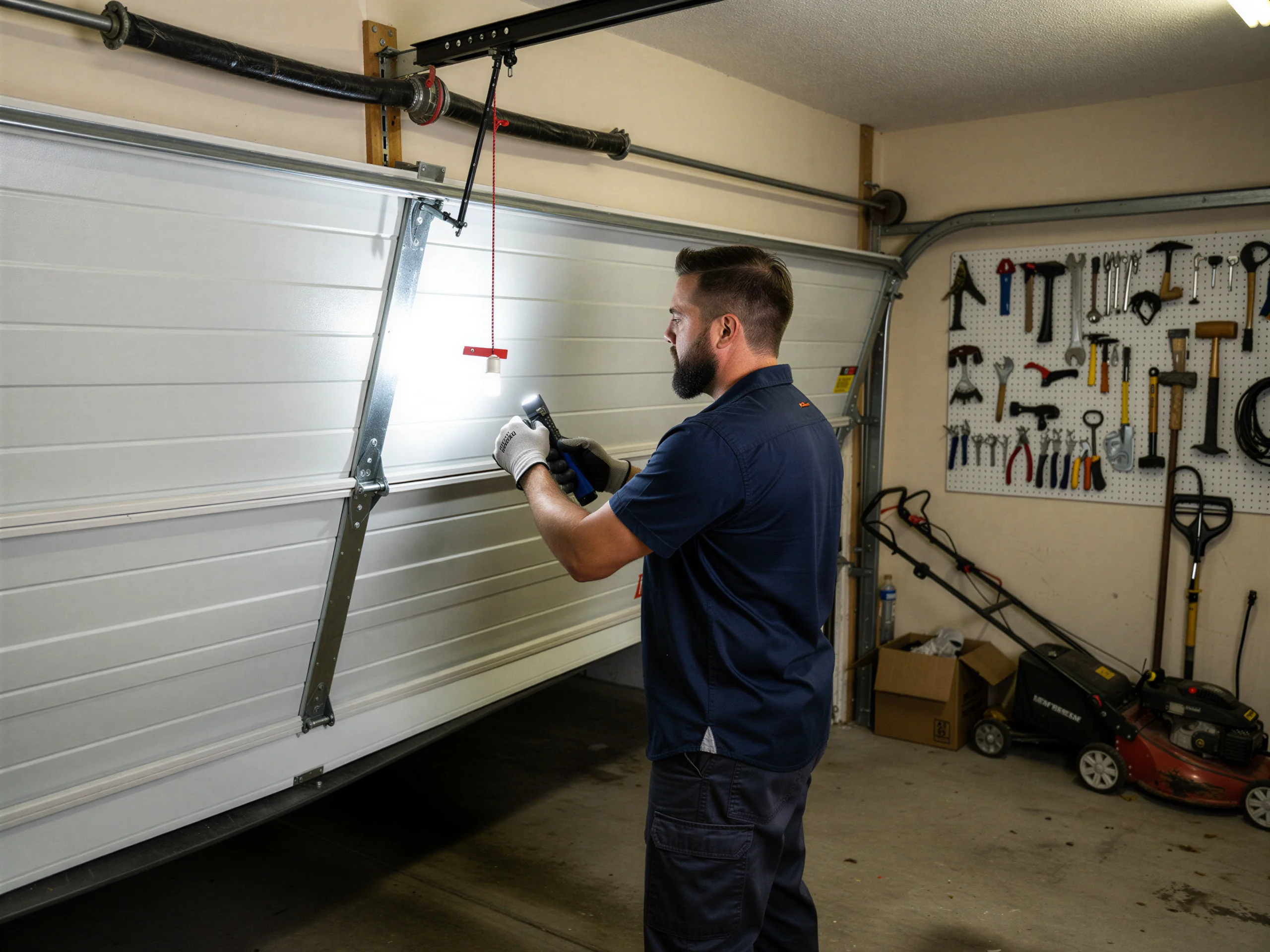
If you're not sure whether what you're hearing (grinding, a door that won't stay up, a spring that's visibly separated) is a quick fix or something bigger, describe it when you reach out and we'll tell you honestly what we think before anyone drives out. For houses this age, a lot of the work is matching new parts to old hardware correctly the first time, which saves a second visit.
Doing It Yourself
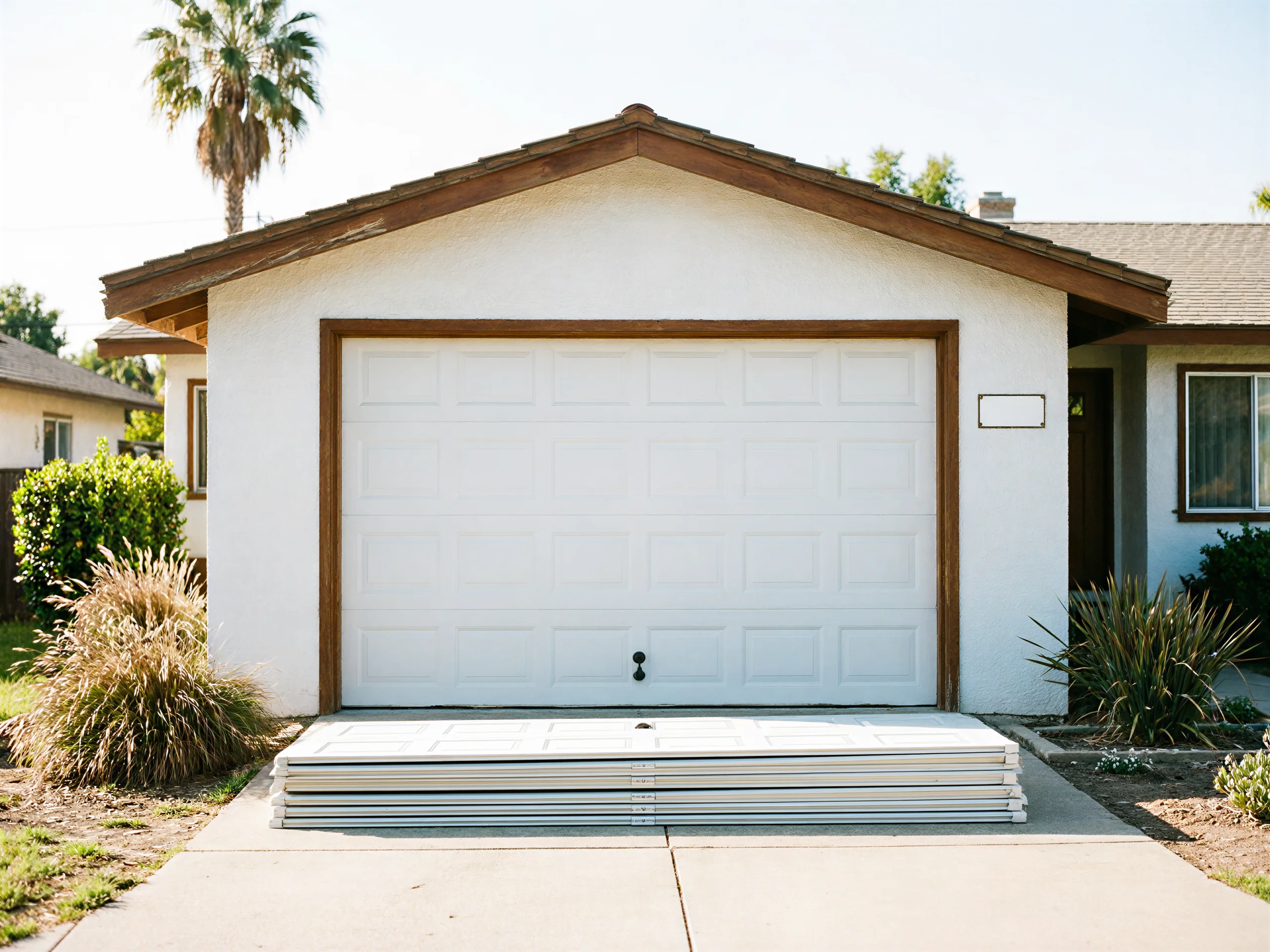
If your house in West Whittier-Los Nietos went up around 1954, which is typical for this pocket, you're dealing with hardware that predates almost everything sold at the big box stores today.
Original track mismatch
A lot of these garages still have the original track configuration, even if the door itself has been swapped out once or twice over the decades. That mismatch - new door panel, old track and bracket geometry - is something a lot of owners don't catch until the door starts binding.
Safe household upkeep
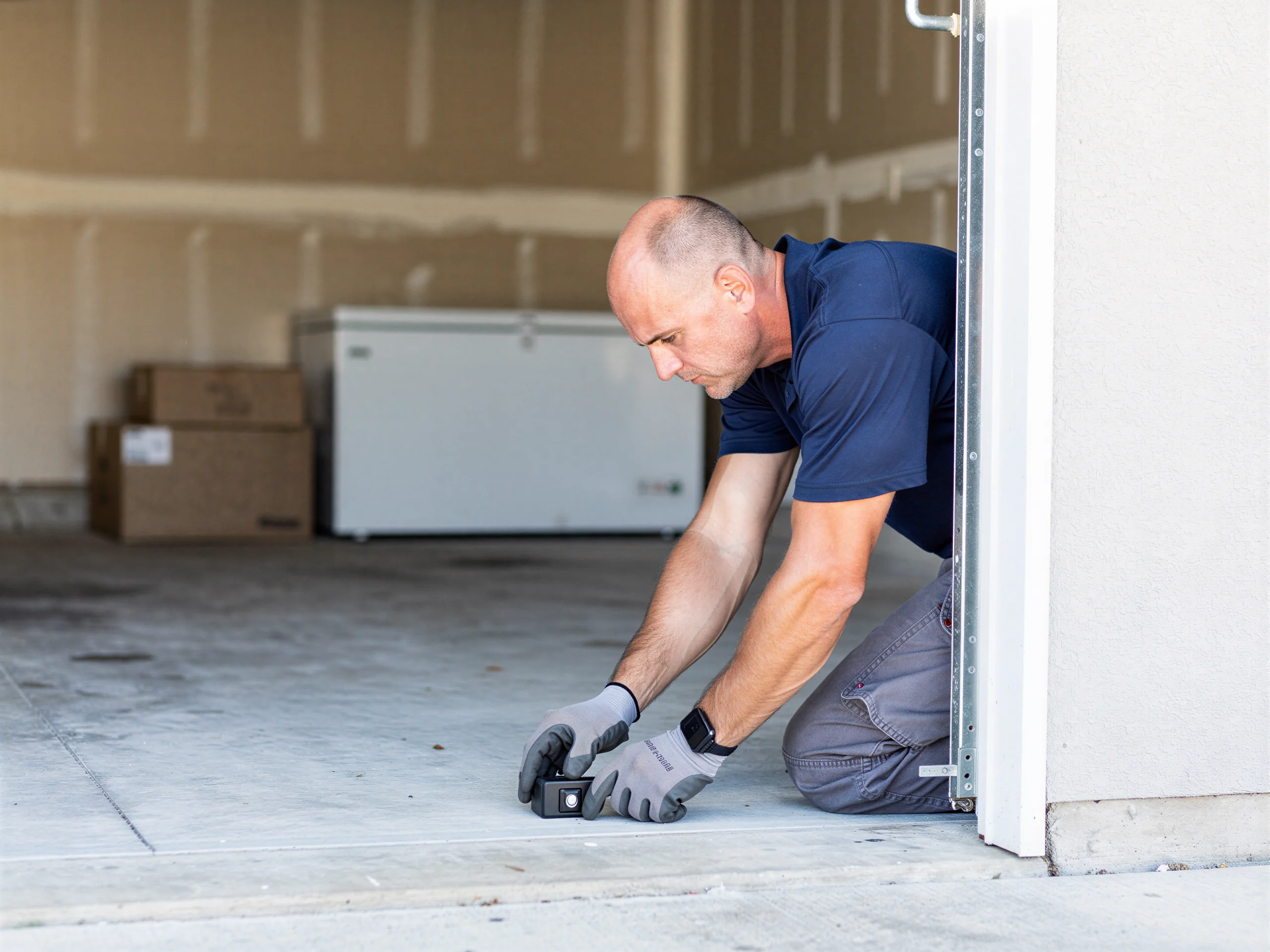
There's plenty you can safely do yourself: clean the tracks, check the weatherstripping at the bottom, lubricate rollers and hinges, and look at the cables for fraying. What you shouldn't touch is anything involving the torsion spring itself - the thing loaded with enough tension to break a wrist or worse.
Self-swapping openers risky
If your opener is from the same era as the house, swapping it out yourself without matching it to the existing rail length and mounting points usually creates more problems than it solves. We're honest that some of this work is a judgment call best made in person. A photo over text can tell us a lot, but it can't tell us whether your bracket is original 1954 stock or a 1980s replacement, and that detail changes the whole job.
Why It Happens Here
West Whittier-Los Nietos sits about 18 miles from our San Dimas shop, and the housing here runs older than much of the broader service area - a median build year around 1954 versus 1963 across the wider territory we cover. That ten-year gap matters more than it sounds. Garages built in the mid-1950s were framed for single-car or narrow double doors, often with lighter-gauge tracks than what became standard by the 1970s.
The region's climate band is moderate heat, not the kind of extreme swings that crack panels outright, but decades of steady warm-season expansion and contraction still take a toll on steel that's 70 years old. Springs fatigue. Rollers wear unevenly in tracks that were never perfectly level to begin with.
With roughly 6,678 households in this area, a good share of them are working with doors and openers installed well before modern safety-reversal standards existed. That's not a knock on the neighborhood - it's just the math of a housing stock this age, and it's the main reason the failures we see here differ from what shows up in newer-built parts of our service area.
What Can Go Wrong
The most common call from this part of the territory is a torsion spring that's simply reached the end of its cycle count - not surprising on hardware that's been doing its job since before most of the current owners bought the house.
Brackets outpaced by panels
Original brackets, if they're still in place, were never designed around today's heavier insulated door panels, so if a previous owner upgraded the door without upgrading the spring system to match, the wear shows up faster than it should.
Drum fray and shift
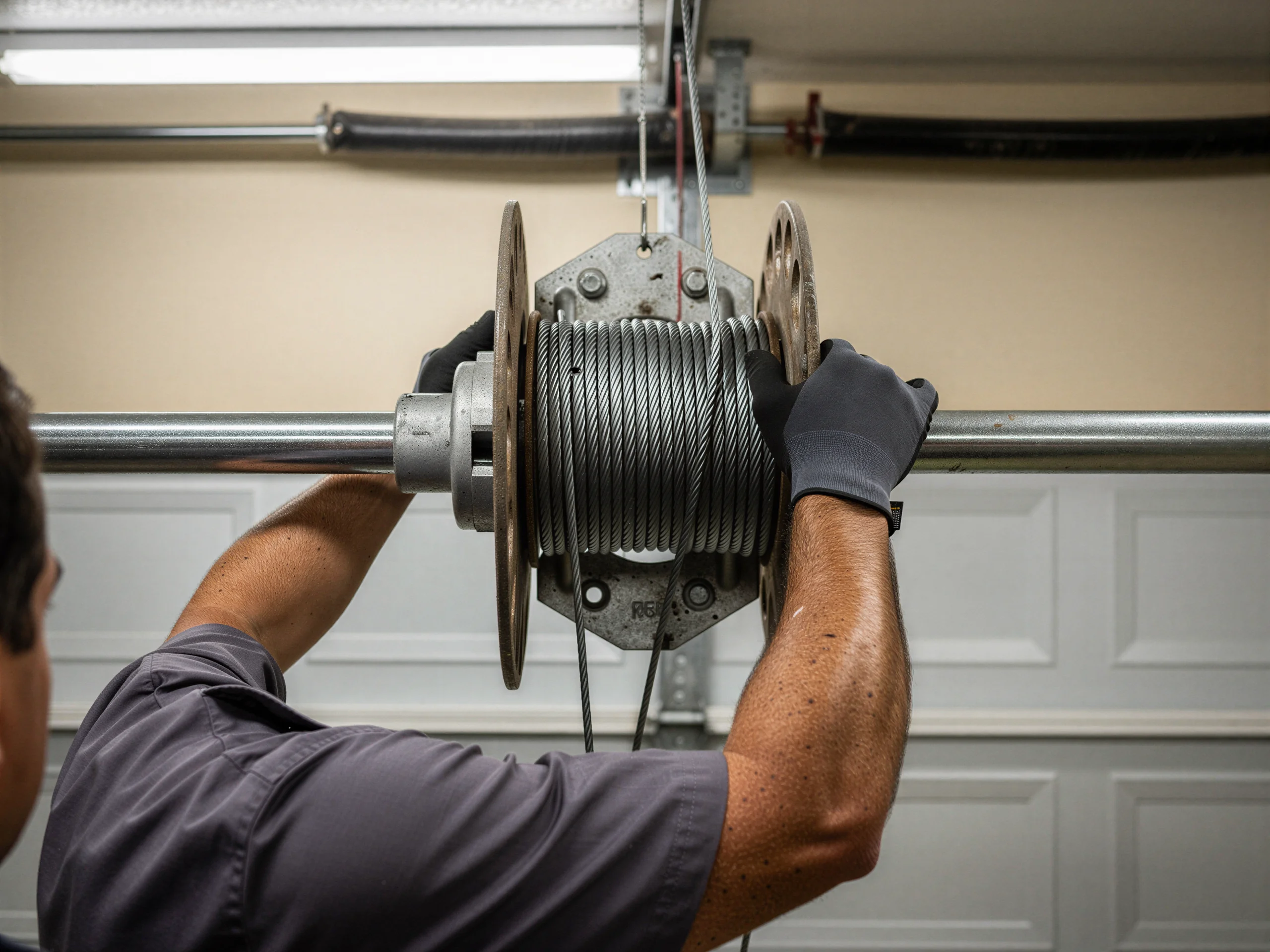
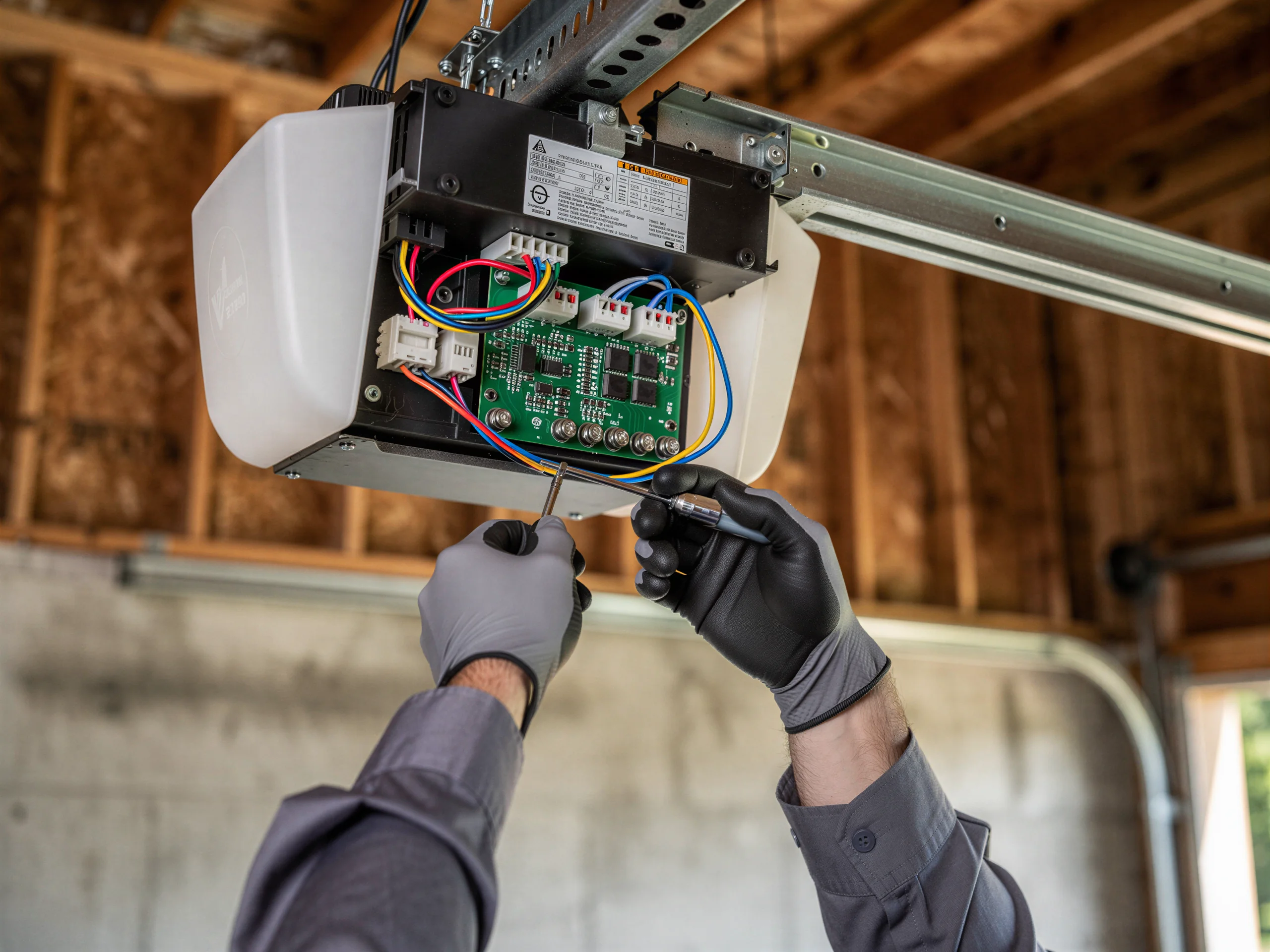
Cables fraying at the drum is another frequent issue on older installs, especially where the original track alignment has shifted slightly over seven decades of settling. We also see openers that still run on worn gear-driven mechanisms with no modern safety-reversal sensor - not dangerous by design, just outdated by current code expectations.
Inland, no salt corrosion
What we don't see as often here: panel rust from coastal salt air, since this area sits inland. The moderate heat band means the failures tend to be mechanical fatigue rather than material degradation from weather extremes. That's a smaller list of culprits, which makes diagnosis more straightforward once we're looking at the actual hardware.
Talk to a local pro
Garage door service in San Dimas?
Same-day service with honest, upfront quotes.