Doing It Yourself
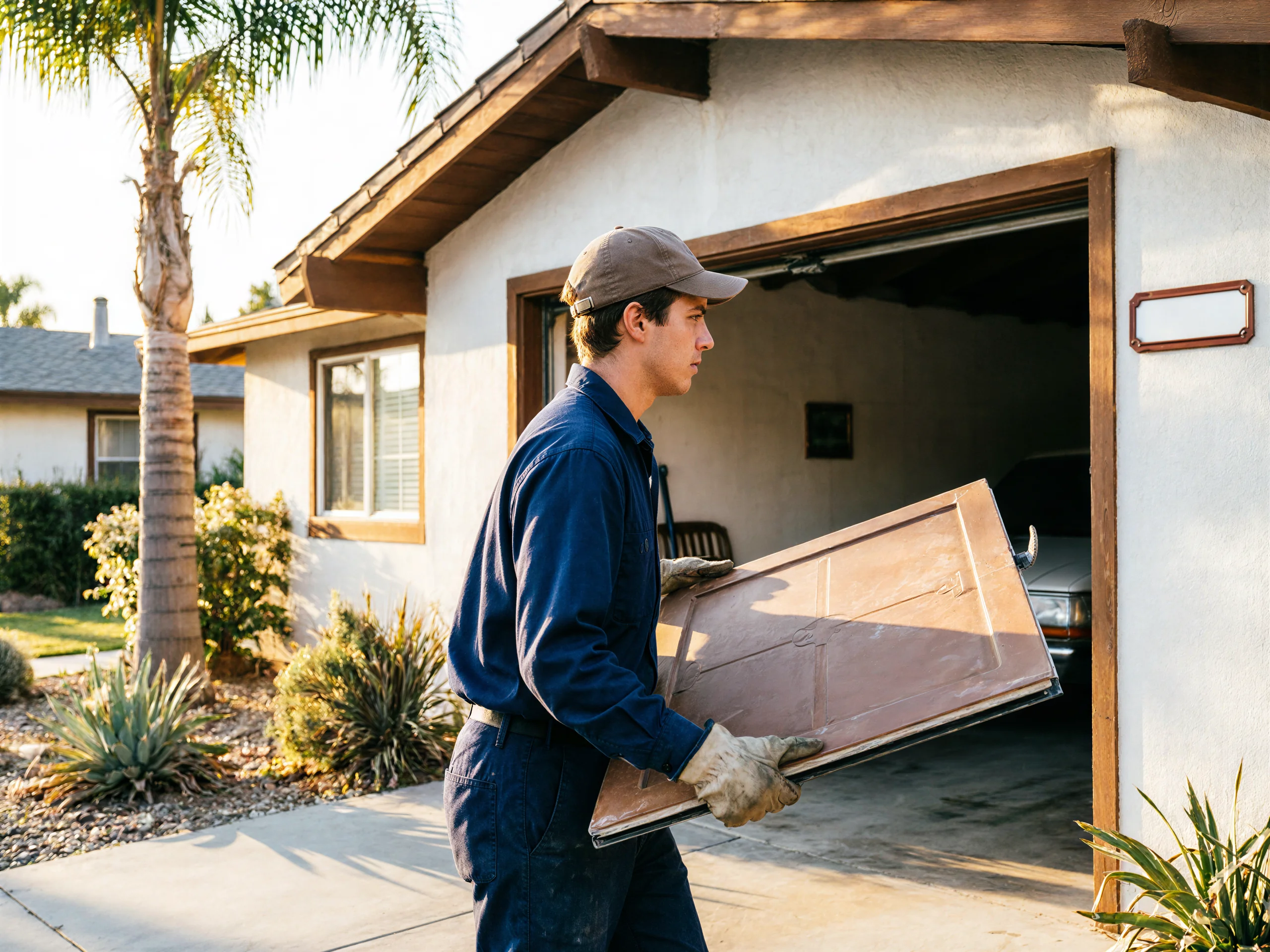
If it's just a scratch or surface dent, you can sometimes pull the panel and straighten it yourself with basic tools, especially on steel sections.
Old hinge patterns differ
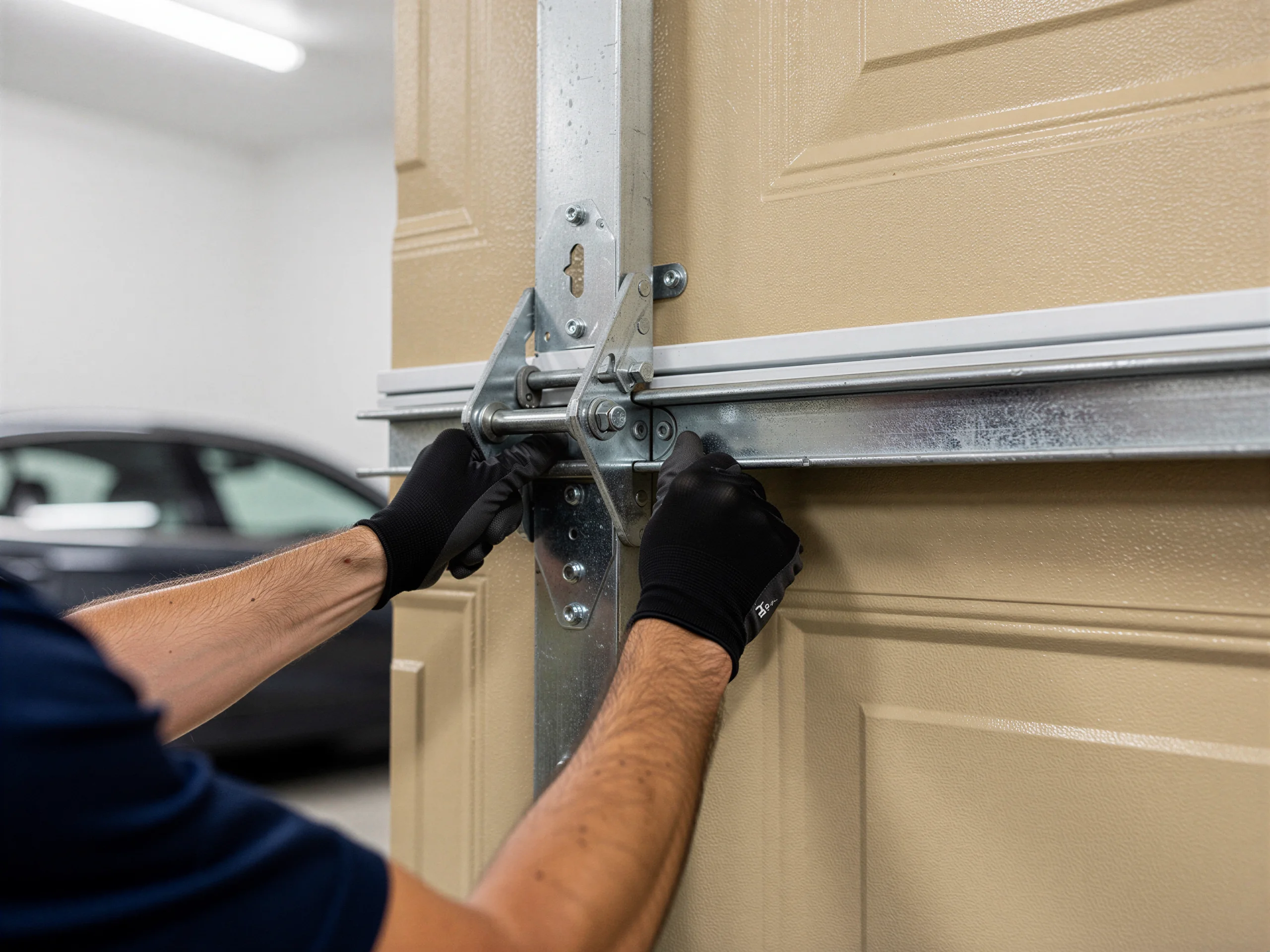
Where we'd stop you is pulling a full panel off a door this old without knowing what's behind it - on 1940s-era doors the mounting brackets and hinge pattern are often not drilled the same as current panels, and getting it wrong means a door that won't track straight or won't seal at the bottom.
Cosmetic dents can be DIY
We're honest that for a single cosmetic dent, a DIY straighten-and-paint job is fine. For anything involving the bottom rail, the seal, or a panel that's actually cracked through, that's where we'd want eyes on it before you buy a replacement part that doesn't fit.
What Is on the Truck
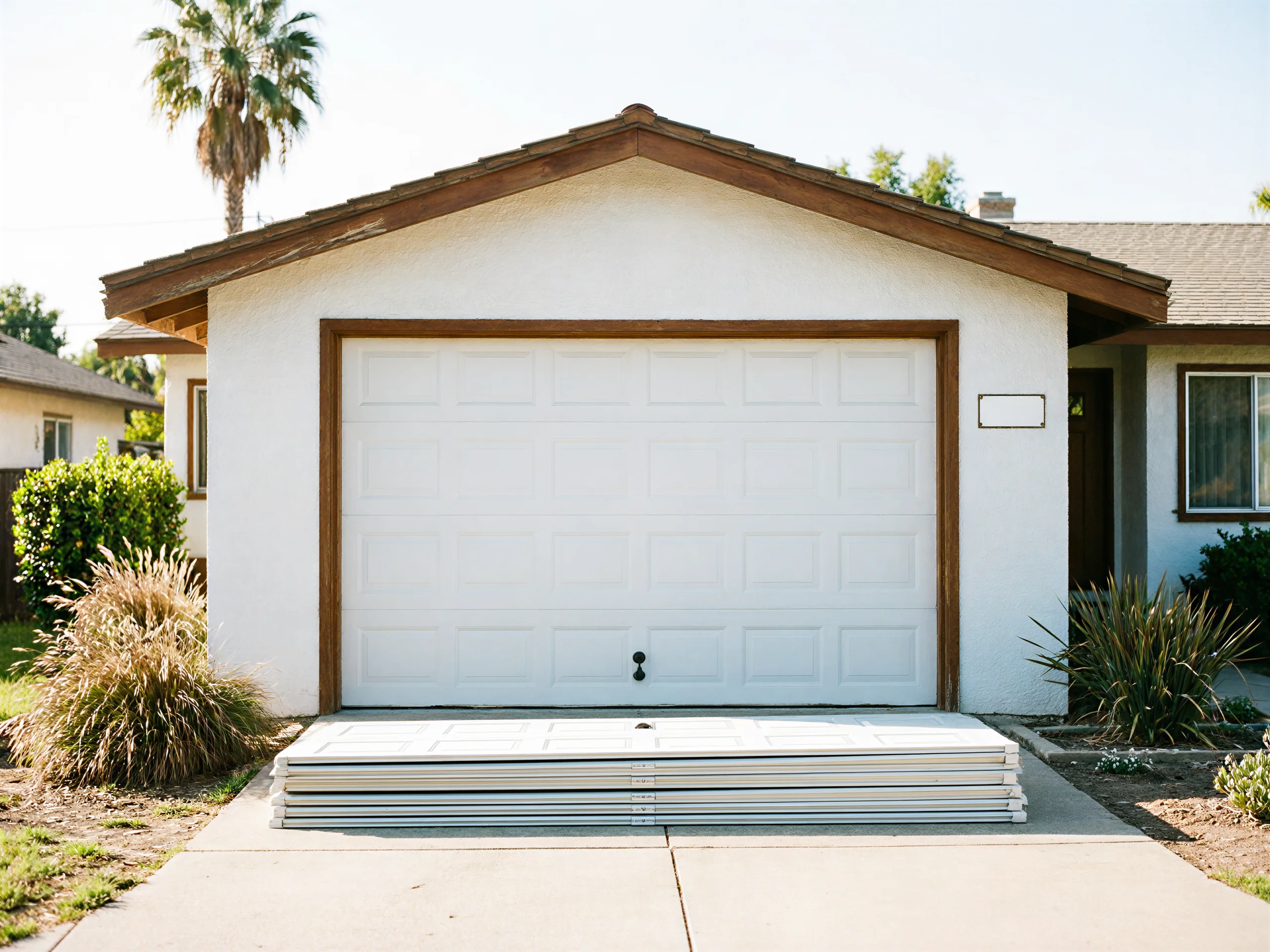
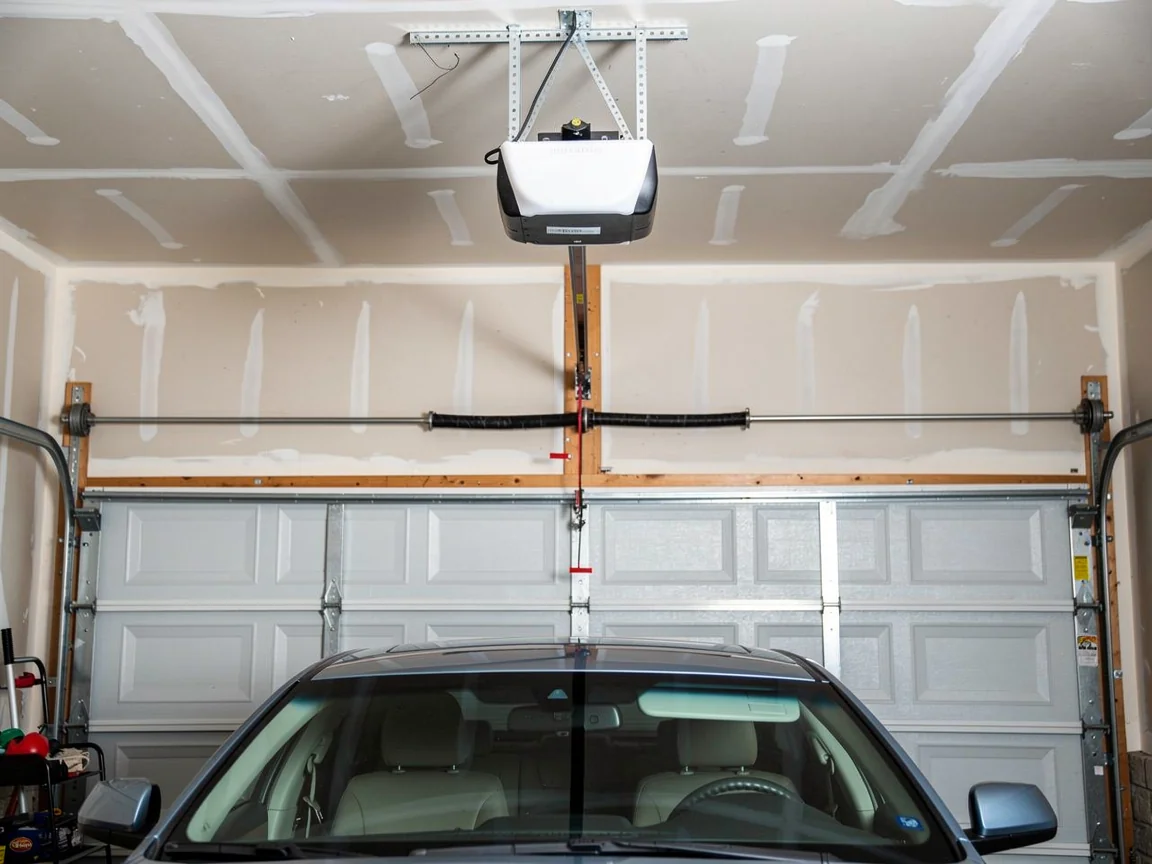
Since we're coming from San Dimas, about 17 miles out, we load for the job type before we leave rather than guessing on site. For San Marino calls that means panel stock in a few standard widths plus the fasteners and seal strip that fit older narrow-track doors, since that's what this town's housing age calls for more often than newer stock elsewhere in the service area. We don't carry every discontinued panel profile ever made - if a door needs a panel style that hasn't been produced in decades, we'll tell you that up front rather than stall the job pretending we can match it exactly.
Why It Happens Here
San Marino is a small town, just 3,807 households, which means the panel jobs we get called out for here aren't spread across a dozen different subdivisions built in different decades. They cluster around one thing: houses built close to 1943, the median year here. That's a good fifteen to twenty years older than the typical build across the rest of this service area, and it shows up in the doors. A lot of these garages still carry narrower wood or early steel panel sections on hardware that nobody standardized the way they did by the 1960s. When one panel on a door like that gets dented or rots at the bottom rail, you're not swapping in a stock big-box panel and calling it done - the width, the hinge spacing, even the track gauge can be off from what's sold today. With a town this size, we see the same handful of door styles again and again, which actually helps us plan the job before we're on site.
The Symptom
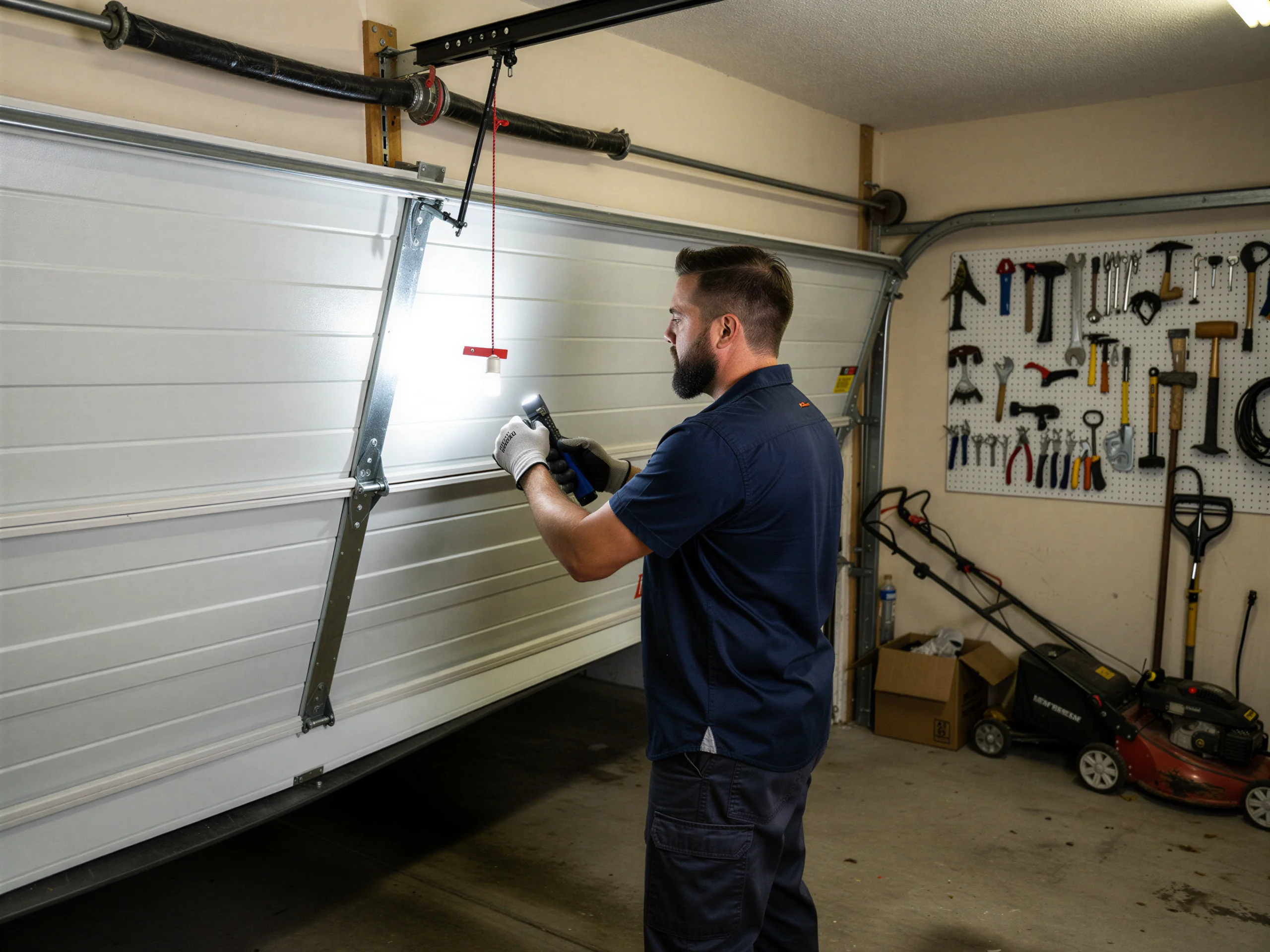
The usual call is a single bottom panel that's cracked, water-stained, or caved in from a bump - the rest of the door still runs fine on its track.
Bottom panels take the brunt
On a door built around the 1943 era, that bottom panel takes the brunt of sprinkler overspray and curb damage over eight decades, so it's almost always the first to go even when the upper sections are solid wood or steel that's aged well.
Swelling can bind the door
Sometimes it's not damage at all - it's a panel that's swollen or warped enough that the door binds in the track on the way down. Either way, the rest of the door usually doesn't need touching, which is good news for the bill.
What It Costs
We don't have a flat price to quote here, because the range depends on whether we're matching an original panel section or whole-door replacing is actually the better call once we've measured. What we can tell you is the direction: with San Marino's median household income at $187,633, most owners we talk to want the door repaired correctly to match the house rather than patched with a mismatched panel that's visibly off in color or ribbing. That preference changes the sourcing time more than the labor cost. A single matched panel job is a lot cheaper than a full door - but if the track, hinges, and rollers on an 80-year-old door are also shot, replacing the whole section at once can save you a second trip.
Talk to a local pro
Garage door service in San Dimas?
Same-day service with honest, upfront quotes.