What Can Go Wrong
Houses in Claremont cluster around a 1966 build year, which puts a lot of original garage doors and first-generation openers well past any reasonable service life.
Mid-century spring setup
The area-wide housing stock runs 1943 to 1987 with a median of 1963, and Claremont sits right in that window, maybe a touch newer. Doors from that era are usually steel or wood single-layer panels on torsion springs sized for a lighter door than what's sometimes been swapped in since.
Repeat recoiled spring
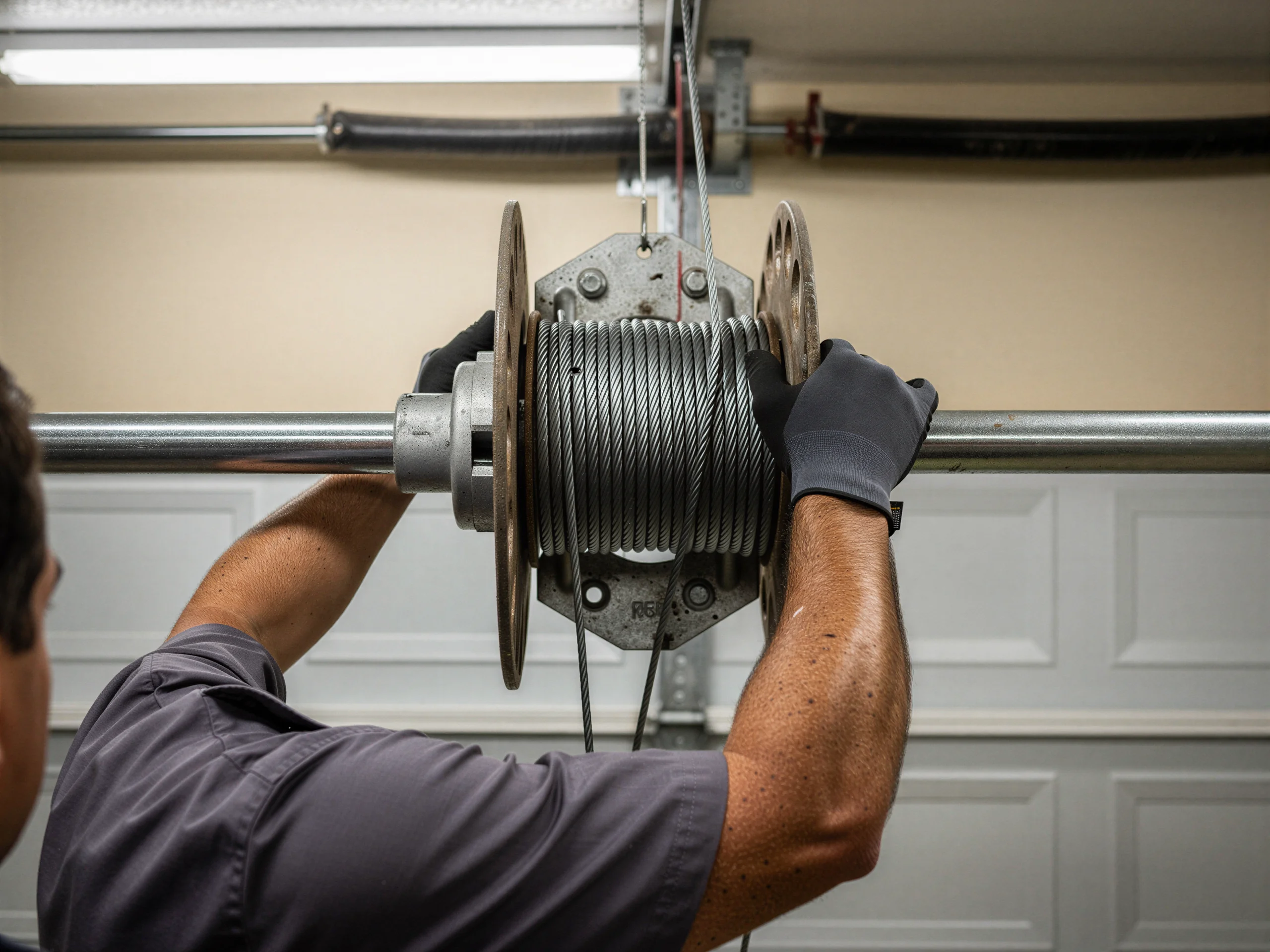
The failure pattern we see: a spring that's been recoiled once already, now going a second time, or a torsion bar with a cable that's frayed from decades of the same groove.
Stripped gear hum
Openers from the 1970s and 80s also fail in a specific way - the motor still runs, but the gear that drives the chain has stripped, so the door doesn't move even though the unit hums. None of this is a weather story. It's an age story, and Claremont's housing age is the reason.
How We Fix It
For the torsion spring failures common on doors from Claremont's era, we replace with a correctly sized spring rather than matching whatever's currently installed, since the original sizing was often wrong for later hardware swaps anyway.
Gear kit, not unit
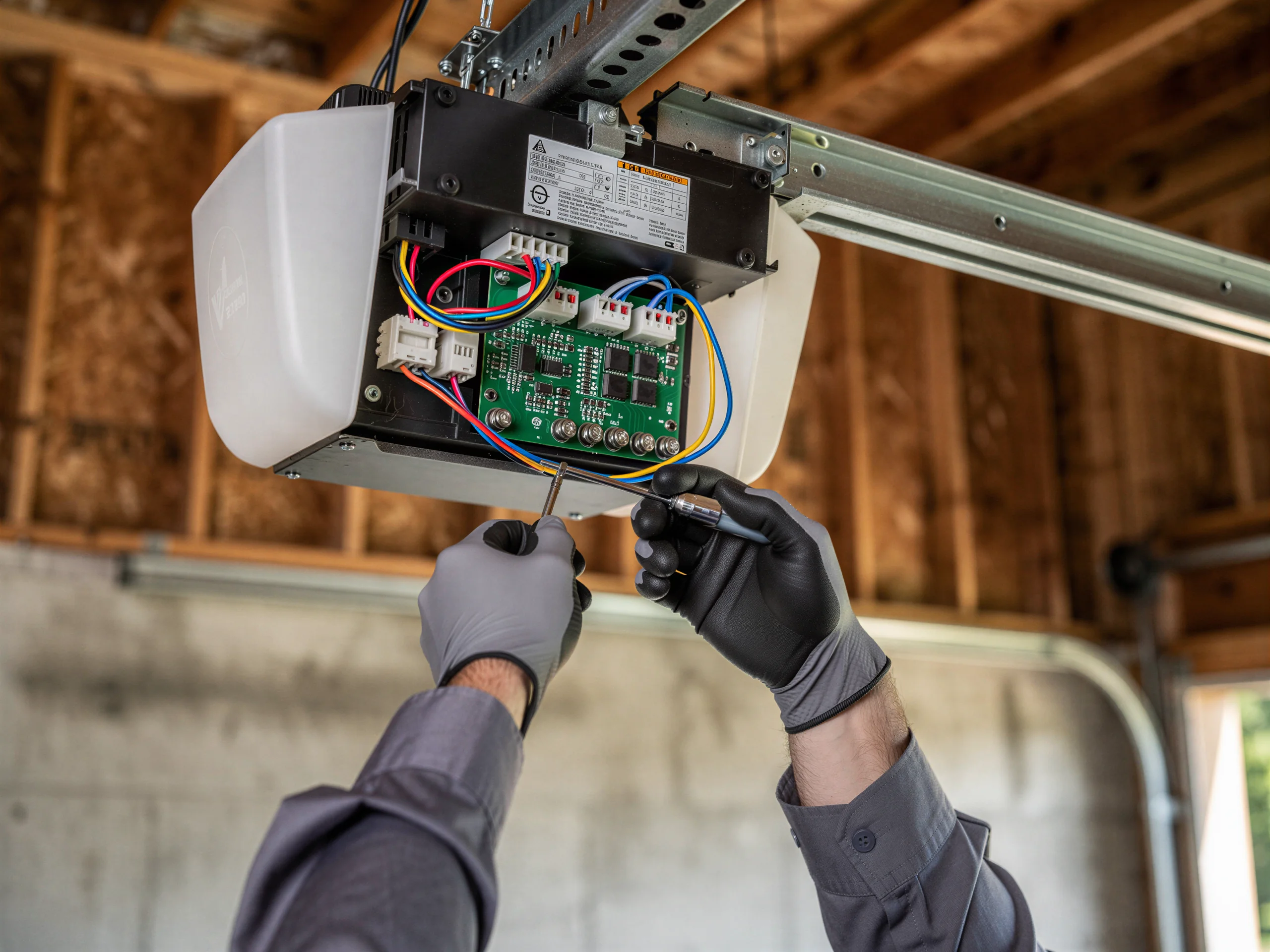
If the opener's gear has stripped, that's a kit replacement, not a full unit swap, in most cases - we'll tell you straight if the motor itself is also going.
Realigning settled track
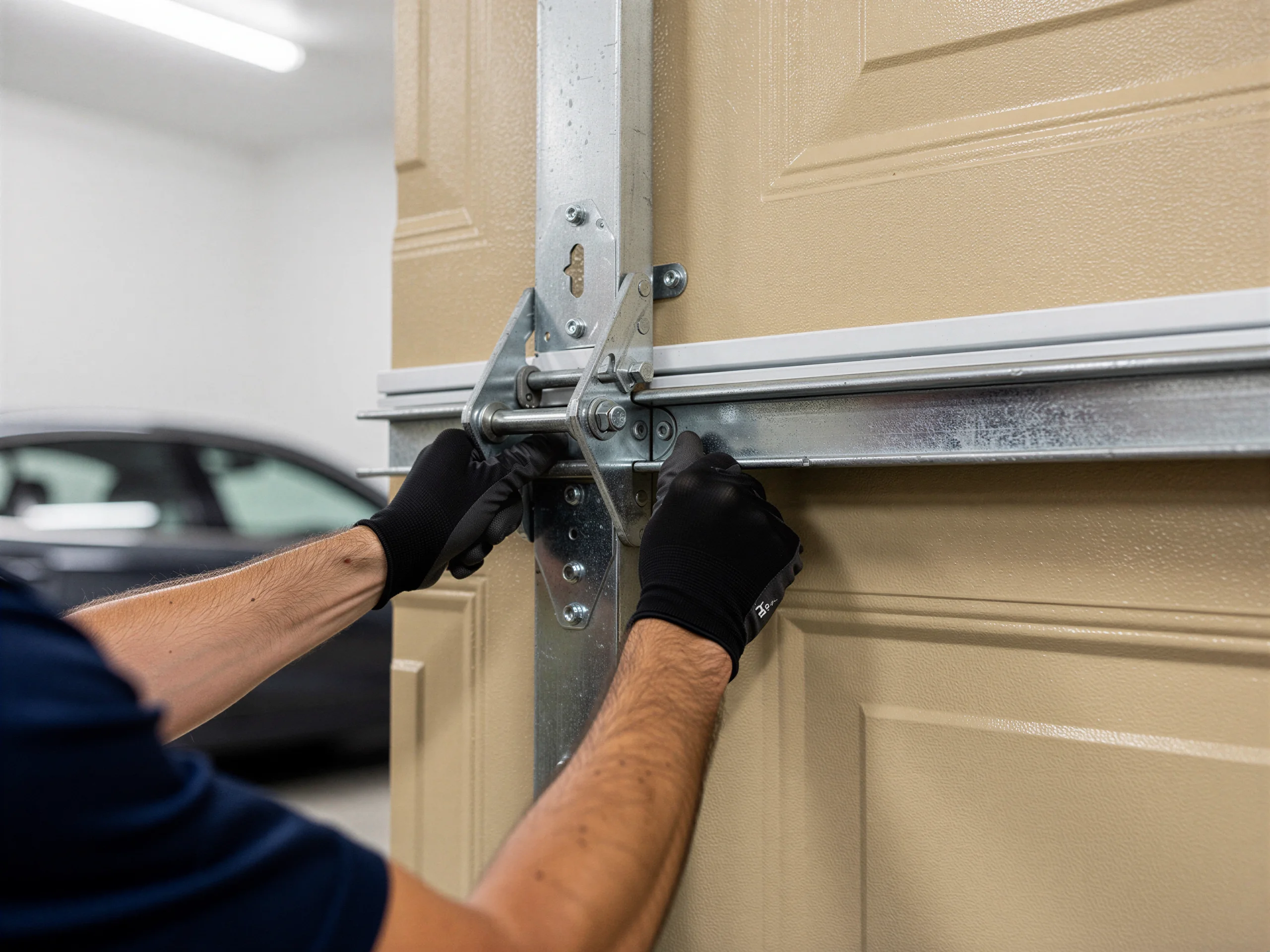
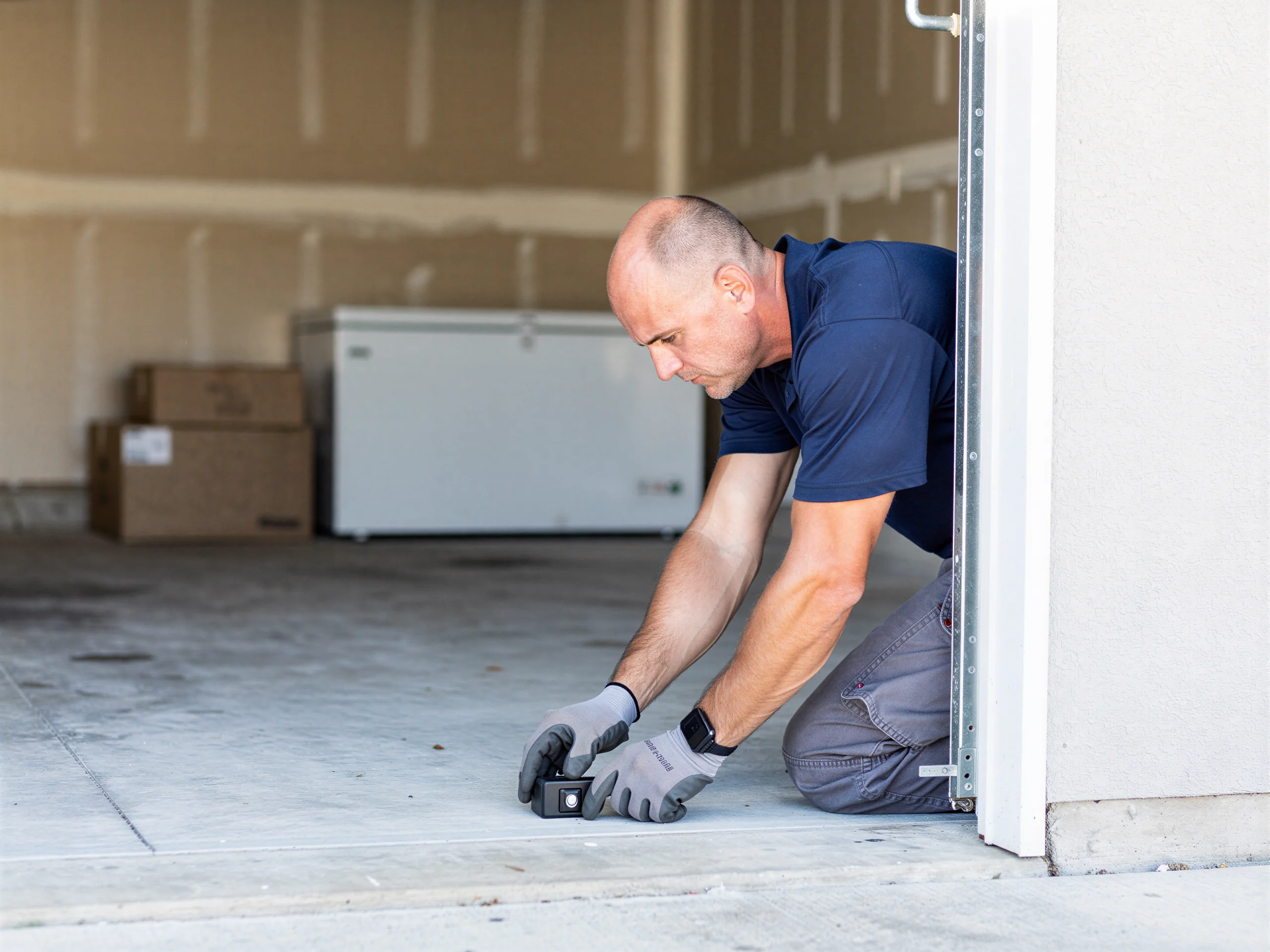
Track and roller work on these older doors usually means realigning a track that's shifted slightly out of true over fifty-plus years of the house settling, which is common in this part of the valley.
Dented original panels replaced
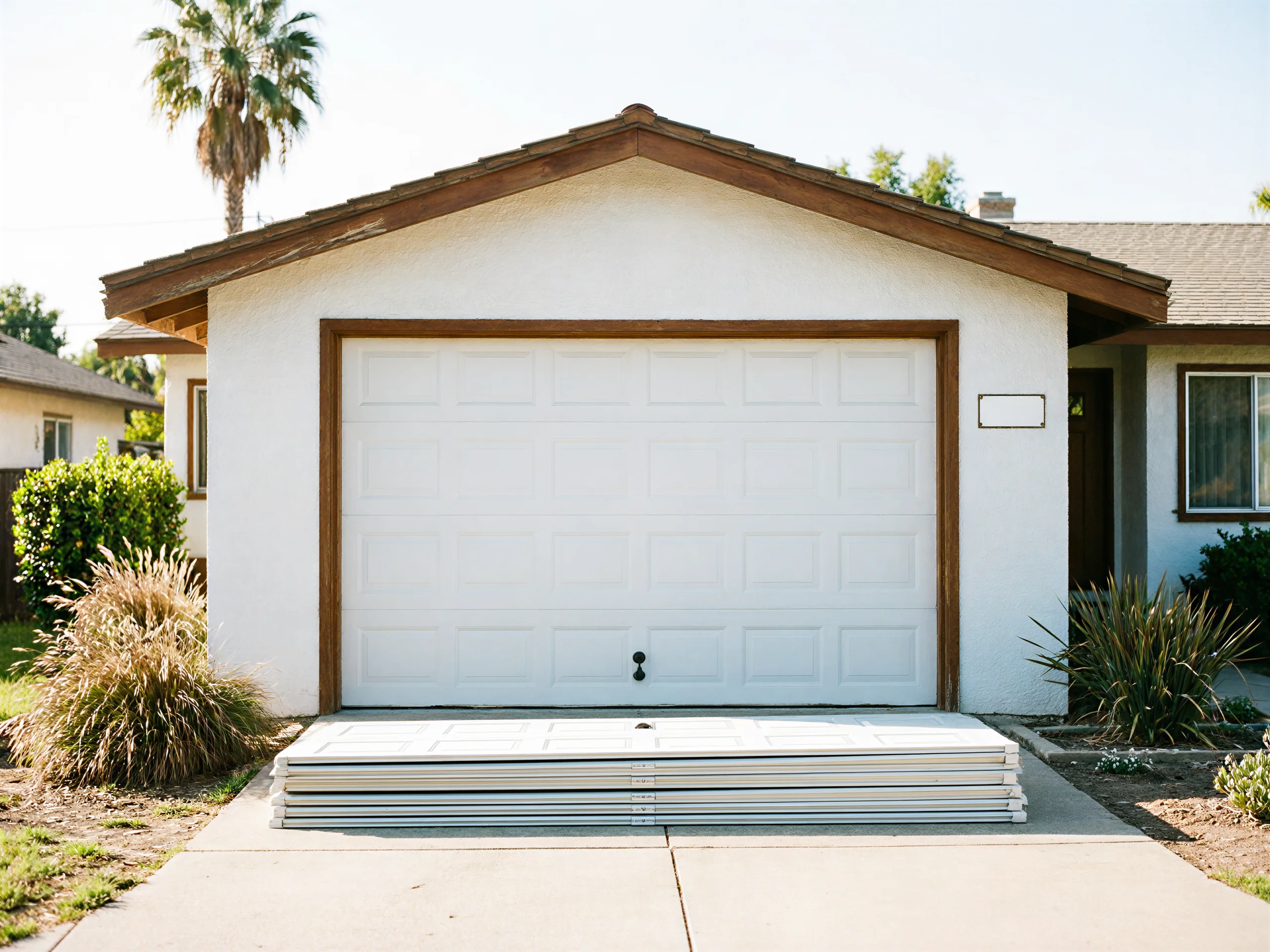
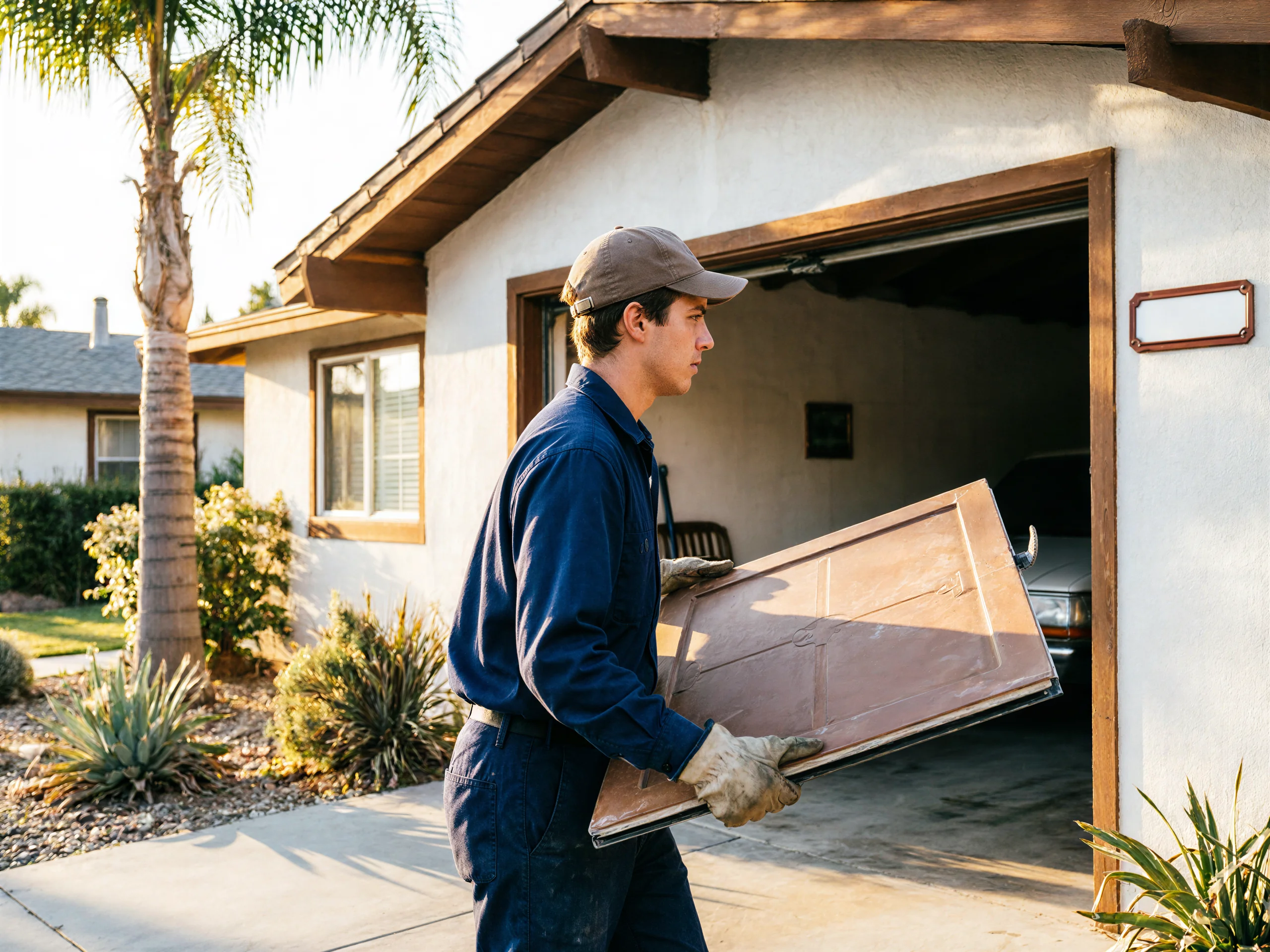
One honest limit: if the door panel itself is original steel from the 1960s and it's dented or rusted through, we're not going to pretend a patch job is worth your money at that point. Replacement makes more sense for a door that old, and we'll say so instead of billing you for a repair that won't hold.
Why It Happens Here
Claremont's climate sits in the same moderate heat band as the rest of this service area, so this isn't a page about extreme weather beating up hardware. It's a page about age. A door and opener installed around 1966, when most of this housing went up, has had roughly six decades to wear through springs, cables, rollers and gear teeth - and most of these systems have had at most one partial service in that span, if any. The area has 12,185 households, and a meaningful share of them are sitting on garage doors that have never seen a professional beyond the original installer. When a spring finally lets go, it's usually not sudden damage - it's the last cycle after years of slow wear nobody noticed because the door kept working until the moment it didn't.
The Symptom
The most common call from this part of the valley: the door won't open, the opener motor runs, but nothing moves, or moves only an inch and stops.
Broken torsion spring first
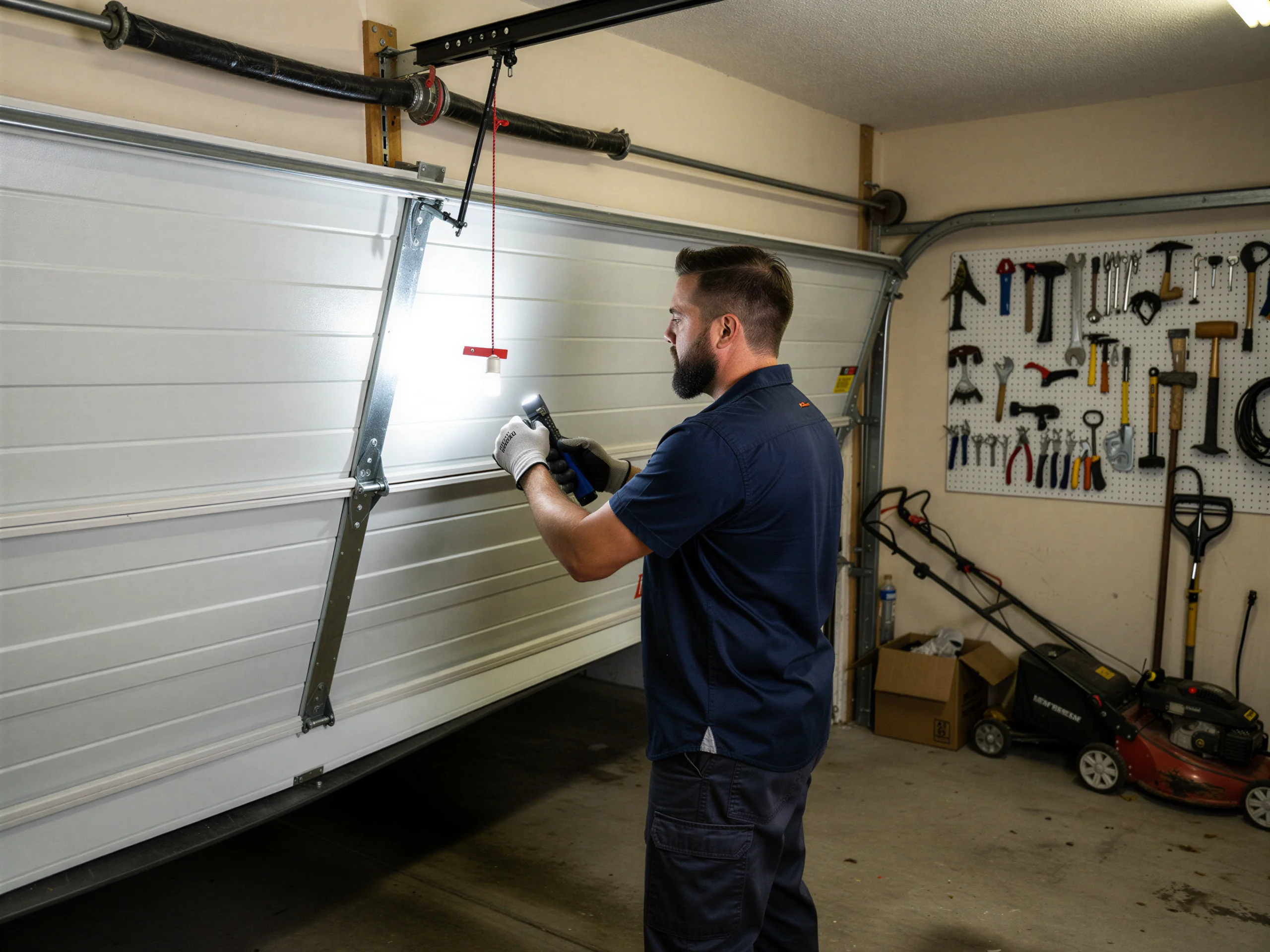
That's almost always a broken torsion spring, not the opener itself - the motor isn't built to lift a door's full weight without spring assist, so it strains and gives up. A close second is a door that opens but comes down crooked, which points to a roller or track that's worn unevenly after decades of use.
Bang means spring snapped
If you hear a loud bang from the garage followed by the door refusing to budge, that's very likely the spring snapping outright, and it's not a safe DIY fix - the tension stored in that spring is enough to cause real injury.
What It Costs
We don't quote a price without seeing the door, because a 1966-era single-layer steel door on original hardware costs differently to fix than a newer insulated door with a modern opener, and guessing over the phone does nobody favors. What we can tell you is the decision point: given the age of hardware typical in Claremont and the income level here, most owners find that once a door needs both a spring and a roller overhaul, replacement starts making more financial sense than another round of patch repairs. We'll walk the actual numbers with you on site before anything gets scheduled, and we won't push a replacement if a repair genuinely gets you another several years.
Getting It Booked In
We run this job from San Dimas, about 6 miles out, so there's no branch office in Claremont and no crew sitting around the corner waiting.
Truck dispatched, not depot
That's worth saying plainly rather than pretending otherwise. What it does mean: when you call, we're scheduling a truck to come to you, not dispatching from a depot down the street. Claremont's median household income sits at $122,127, well above the wider service area's $104,565, and that number matters more than it sounds like it should.
Owners want done-right
At that income level, most owners aren't looking to patch a door for another five years - they want it done right once, with parts that match what's actually on the house.
Intake questions first trip
We ask a few questions up front: age of the door, whether it's ever been serviced, what it's doing when it fails. That lets us bring the right spring size and the right opener gearing on the first trip instead of a second one.
Talk to a local pro
Garage door service in San Dimas?
Same-day service with honest, upfront quotes.