What Can Go Wrong
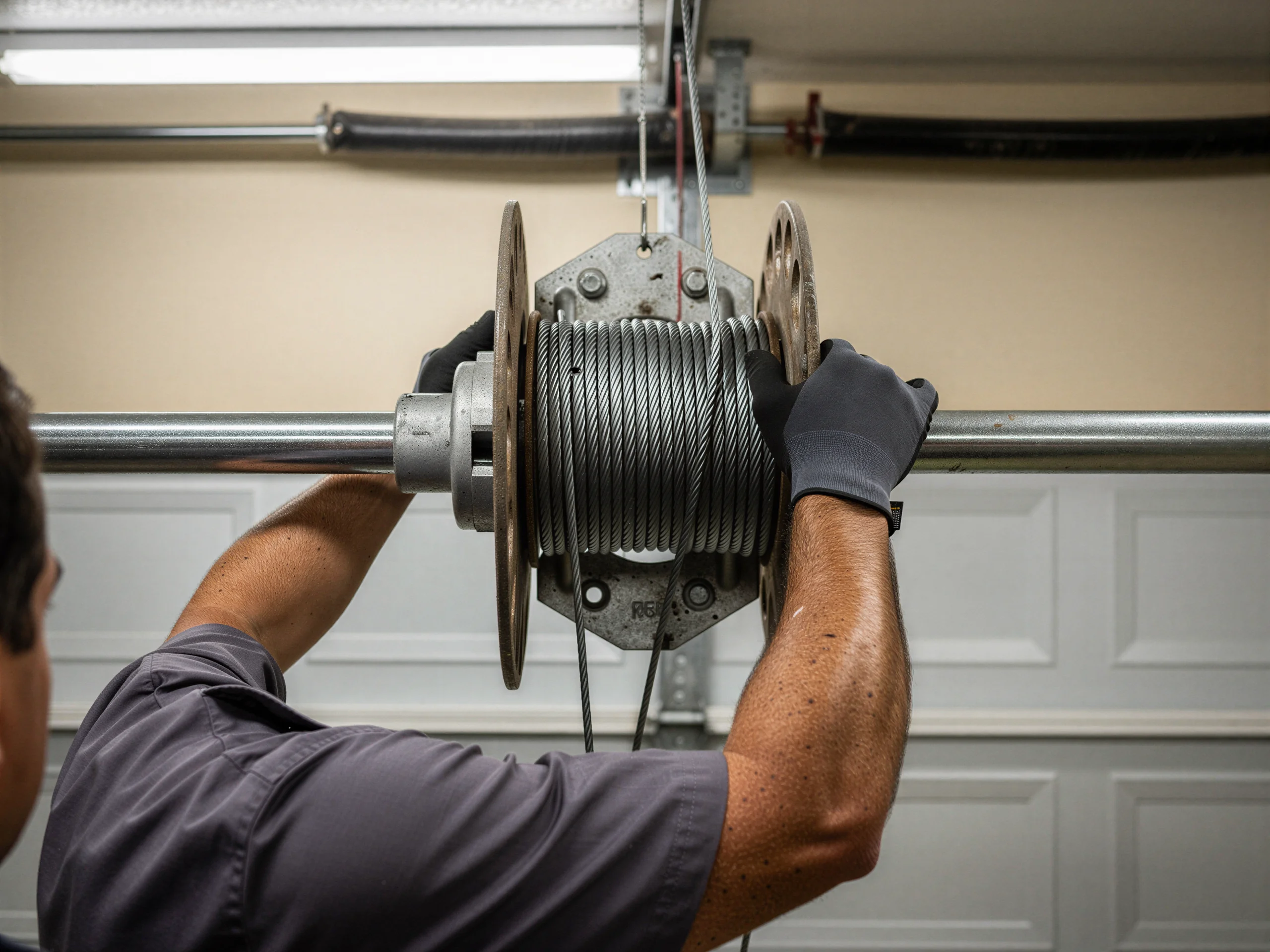
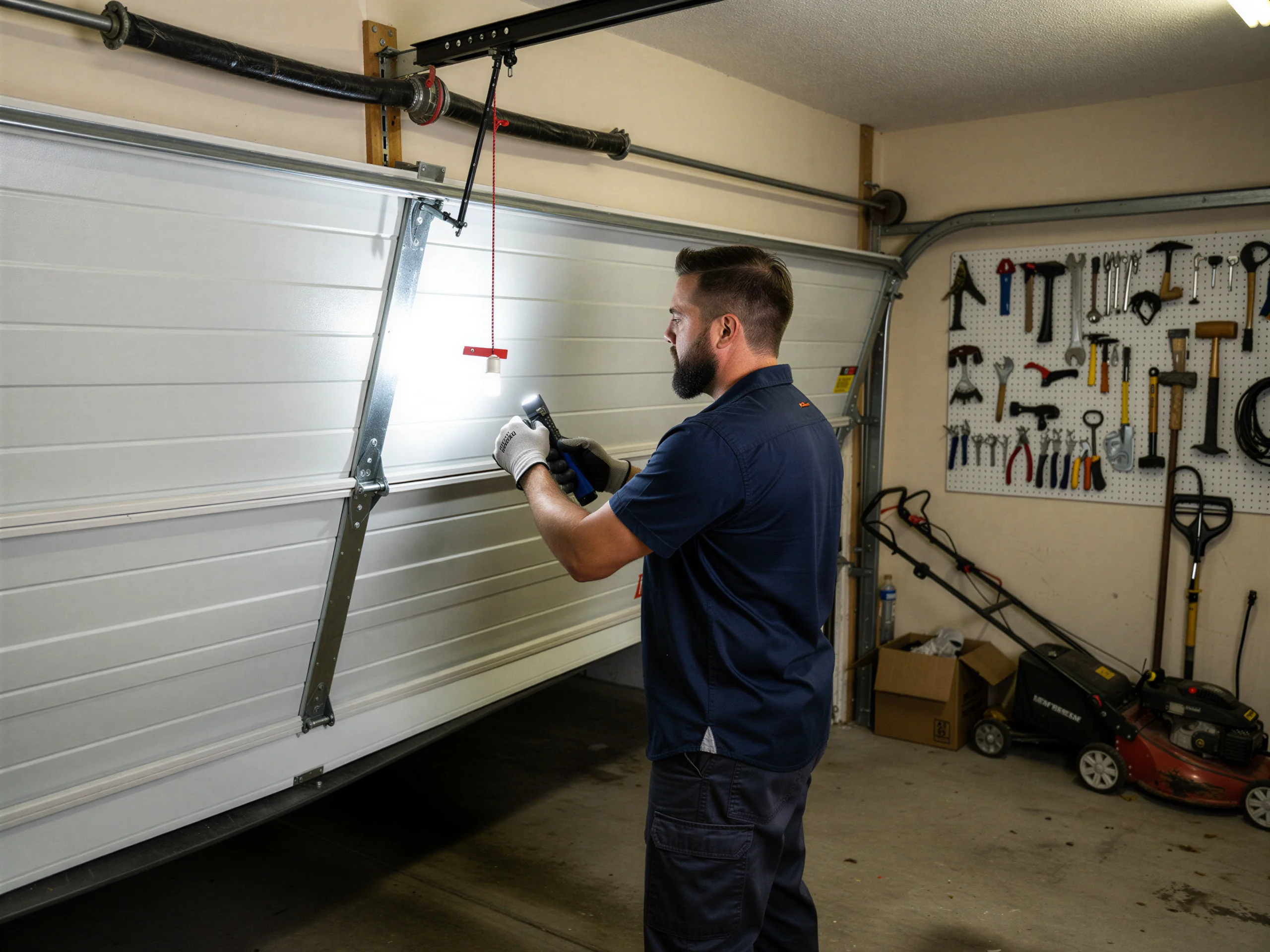
A single dented or cracked panel is the common call, usually from a car bumper, a dropped ladder, or a trailer hitch catching the bottom section. But on doors from the 1960s and 70s stock that makes up most of this part of the service area, the bigger issue is finding a matching panel at all - many of those original sections were sold in dimensions and ribbing patterns that newer manufacturers don't carry anymore. We also see delamination on the older aluminum sandwich panels, where the foam core separates from the skin after years of sun exposure, which shows up as a panel that looks fine from across the driveway but flexes or bows when you push on it.Rust along the bottom panel edge is another one, especially on doors that sit low and catch sprinkler overspray. None of these are urgent safety issues the way a broken spring is, but they get worse, not better, with time.
How We Fix It
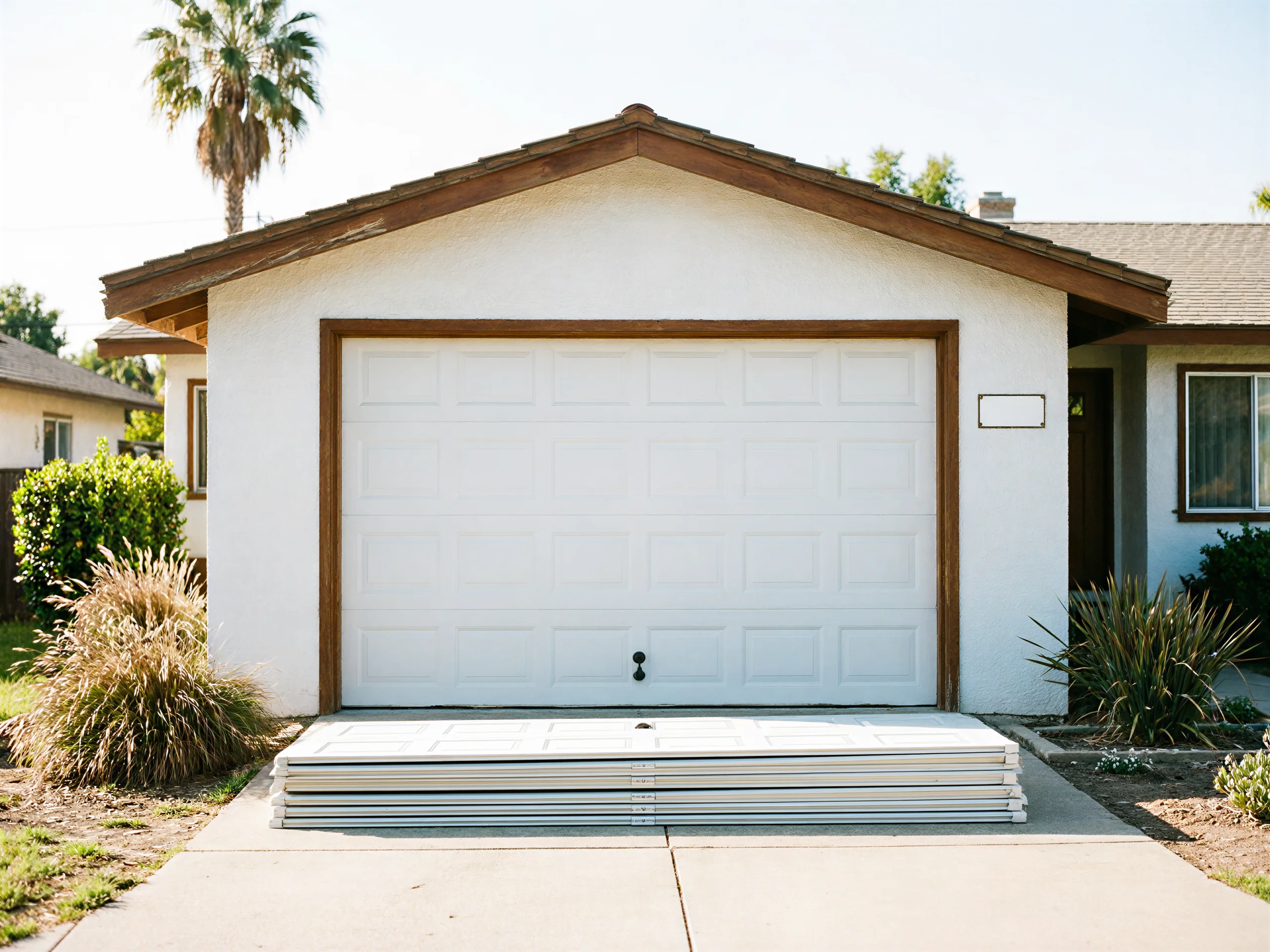
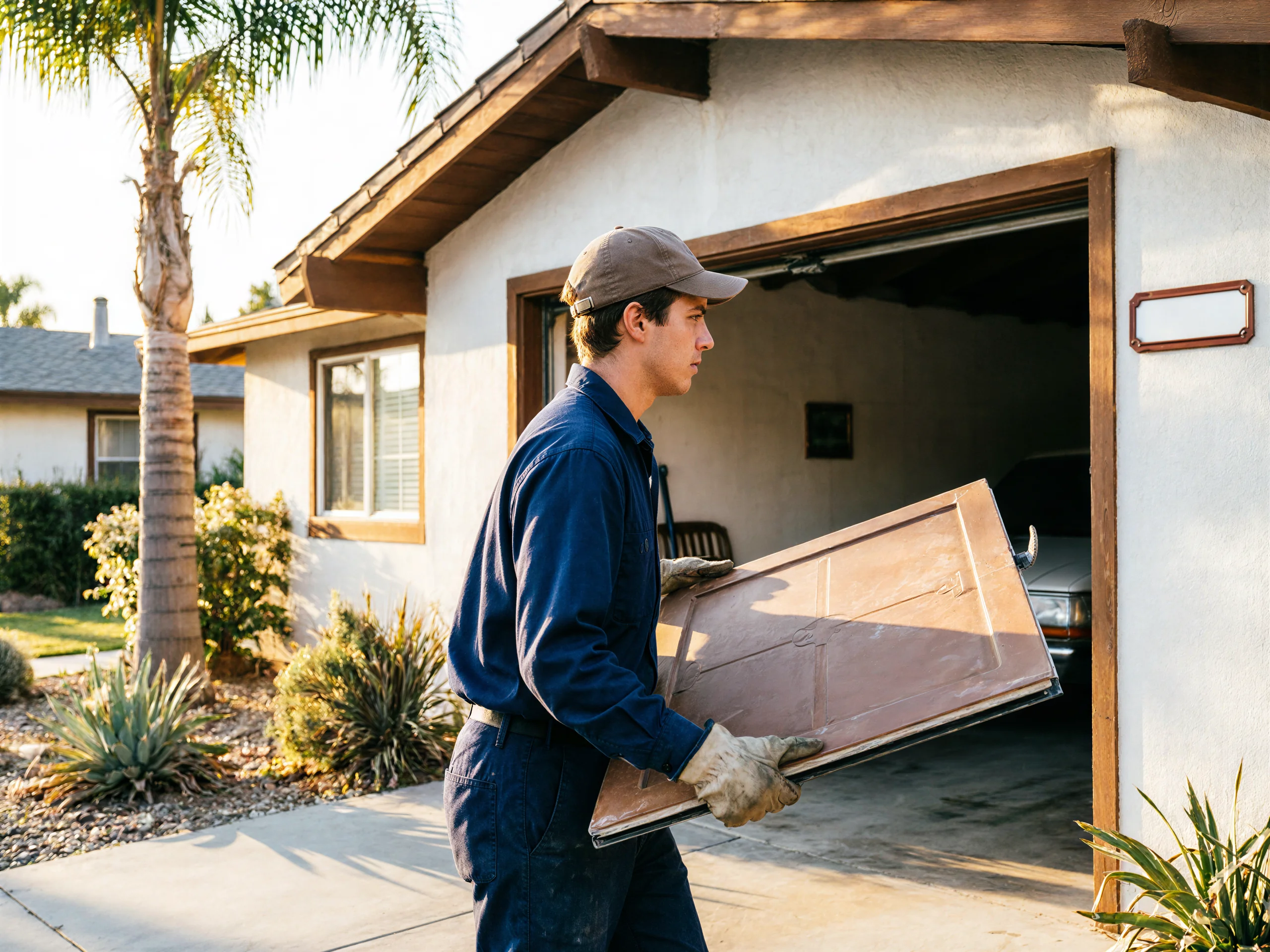
If the door is a newer model or a common width, we replace just the damaged panel and leave the rest of the door alone - no reason to replace four good sections to fix one bad one.
Discontinued profiles may mean replacement
If the door is from the original 1960s-70s batch common in this area and the panel profile is discontinued, we'll tell you that straight: sometimes the honest fix is a full door replacement rather than hunting for an obsolete part that may not exist anymore.
Matching panels when available
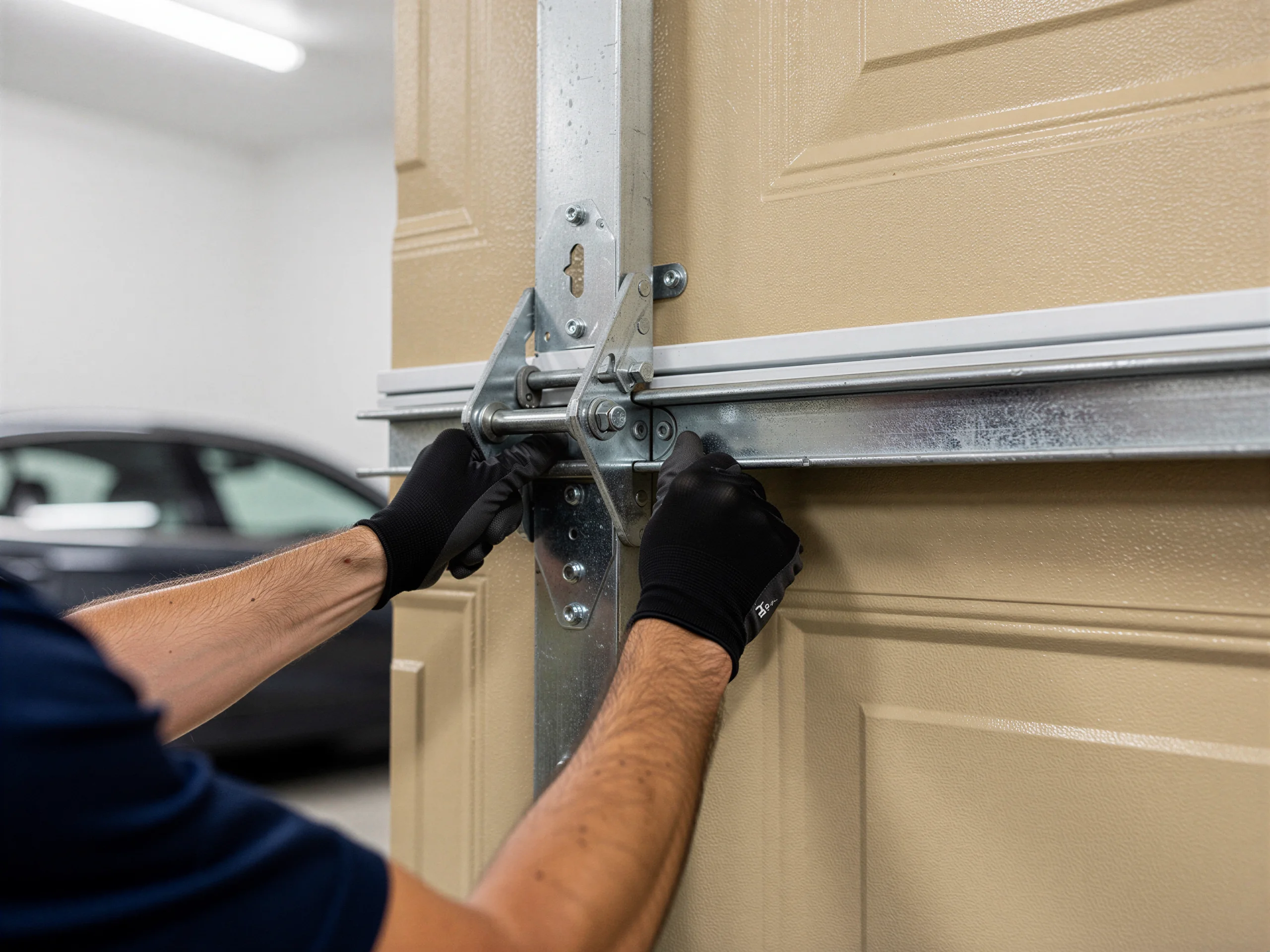
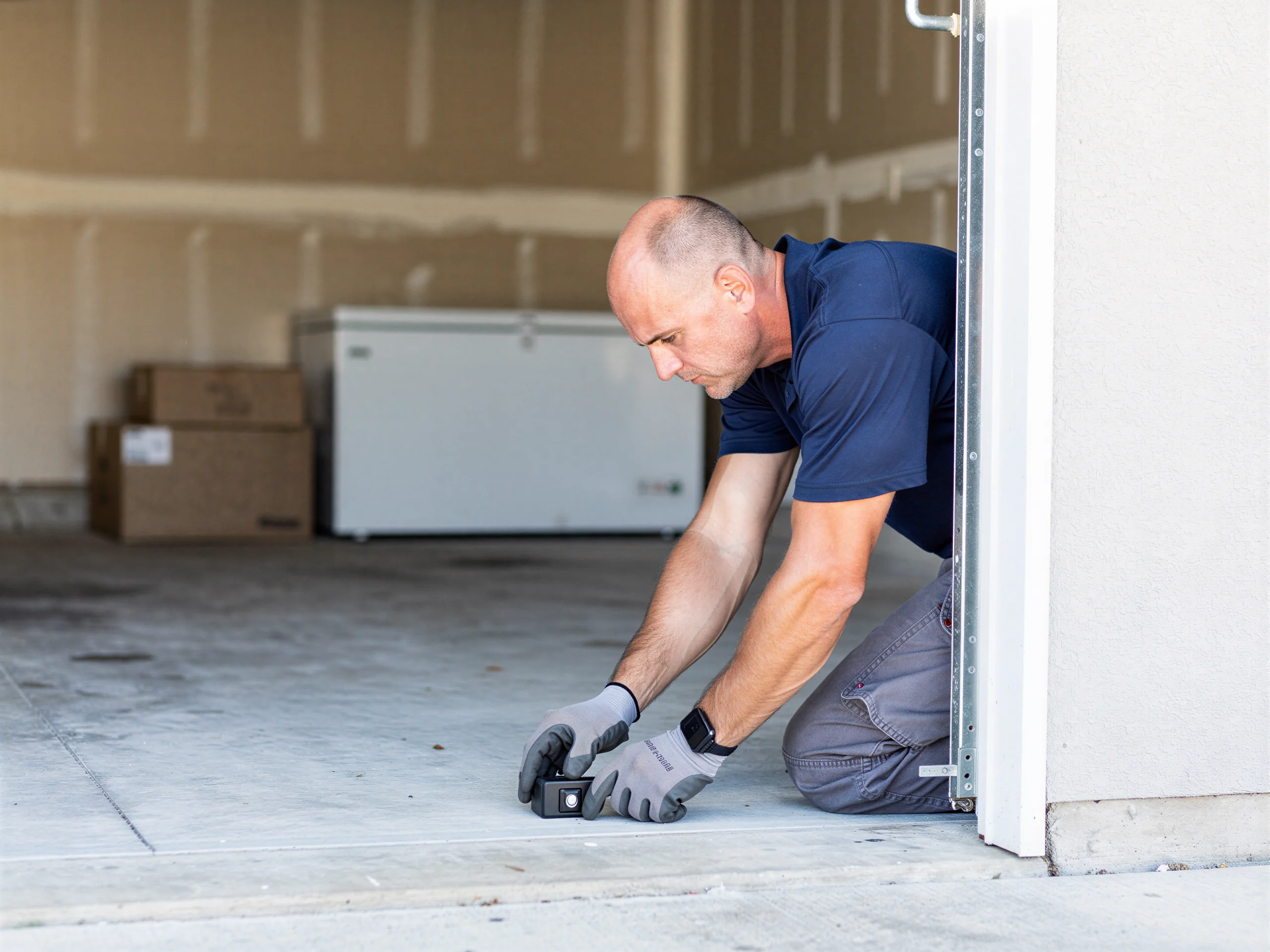
We're not going to pretend we can source a panel that isn't made.When a match is available, we pull the damaged section, transfer the hinges and rollers over if they're still sound, and reinstall without touching the torsion spring setup unless something there looks worn. Most single-panel jobs don't require any adjustment to the opener's travel limits, but we check anyway before we call it done.
Why It Happens Here
Claremont's housing stock centers on a 1966 median build year, which puts a lot of garage doors here into the range where original hardware and panel styles are aging out of production. Add in the heat load this part of the region gets - the climate band here runs warm enough that sun-facing doors see real thermal cycling - and you get panels that expand and contract enough over decades to loosen seams, crack old aluminum skins, and warp lightweight steel sections that were never insulated. A door facing west or south in direct sun ages differently than one tucked into shade, even on the same block.None of this is unique to one house - it's a function of when this area was built and what it's been sitting under since.
The Symptom
The giveaway is usually visual before it's functional: a dent or crack you can see from the driveway, a section that doesn't sit flush with its neighbors when the door is down, or a panel that visibly bows when the door cycles.
Quiet scraping from warped panels
Sometimes it's quieter - a scraping sound as a warped panel drags against the track on the way up, even though the door still opens and closes.
Uneven track pressure reverses openers
If the opener struggles or reverses partway through a cycle, that's often the panel putting uneven pressure on the track rather than a spring or opener problem, and it's worth having someone look before the track itself gets bent.
What It Costs
We don't have a fixed number to quote without seeing the door, since the cost swings a lot based on whether the panel is a common stock size or an obsolete one that needs a specialty order. What we can tell you is that a single-panel swap is almost always cheaper than replacing the whole door, provided a match exists. If you're in one of the homes built in that 1960s-70s window and the panel profile is discontinued, we'll walk you through the real choice between a custom-fabricated panel and full door replacement, with the costs and trade-offs of each laid out before you commit to anything.
Getting It Booked In
Claremont sits six miles from our San Dimas shop, which is close enough that a panel job doesn't turn into an all-day affair, but far enough that we ask a few questions before we load the truck.
Width, height, material needed
Panel replacement isn't a same-visit guess-and-go repair like a broken spring - we need to know the door's width, the panel height, and whether it's steel or the older aluminum stock that shows up a lot on houses built around 1966, which is the median build year for this area.
Photo and brand plate
If you can send a photo of the damaged section and the brand plate on the inner frame rail before we drive out, we can usually bring the right panel on the first trip instead of a second one.That six-mile run also means we're not treating Claremont as an afterthought tacked onto a San Dimas route.
Separate measure visit
It's a short enough drive that we can schedule a measurement visit separately from the install if the door is an odd size or if nobody's sure which manufacturer made it.
Talk to a local pro
Garage door service in San Dimas?
Same-day service with honest, upfront quotes.