What Can Go Wrong
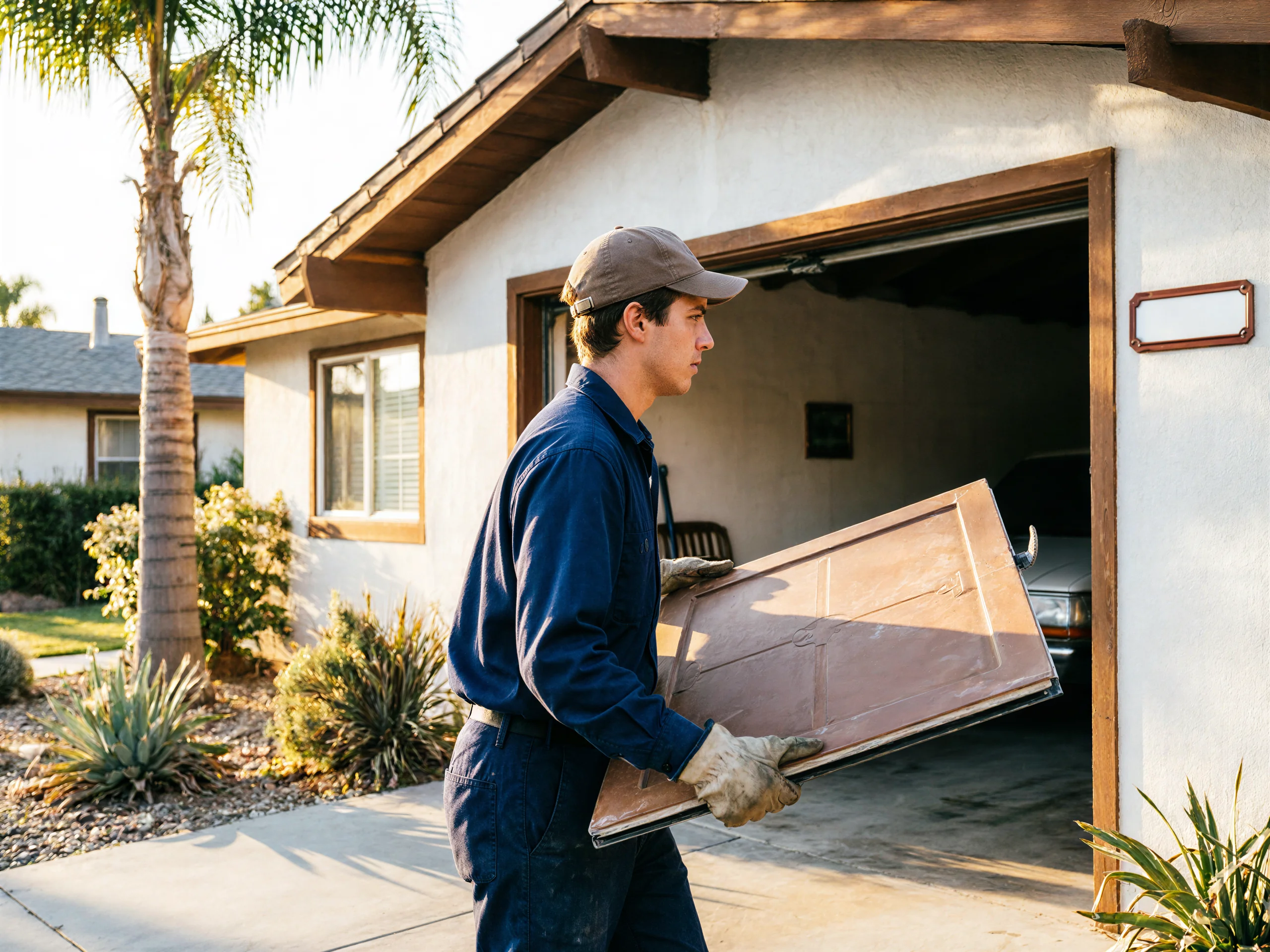
Claremont's median build year sits at 1966, a few years past the 1963 median for the rest of our coverage area. That gap matters more than it sounds. Doors and openers installed in the mid-to-late 1960s often got replaced once already in the 80s or 90s, which means the track and header hardware underneath isn't always original - sometimes it's a mismatched combination of two different eras bolted together. We see jamb brackets sized for a door that's no longer there, and track spacing cut for a panel width that got swapped out at some point. A new install on a house like this isn't always a clean swap; sometimes the opening itself needs correcting before a new door will sit square.
How We Fix It
We start by measuring the actual rough opening, not trusting the old door's dimensions, since on a house this age the frame has usually shifted a little or been patched.
Header height guides spring choice
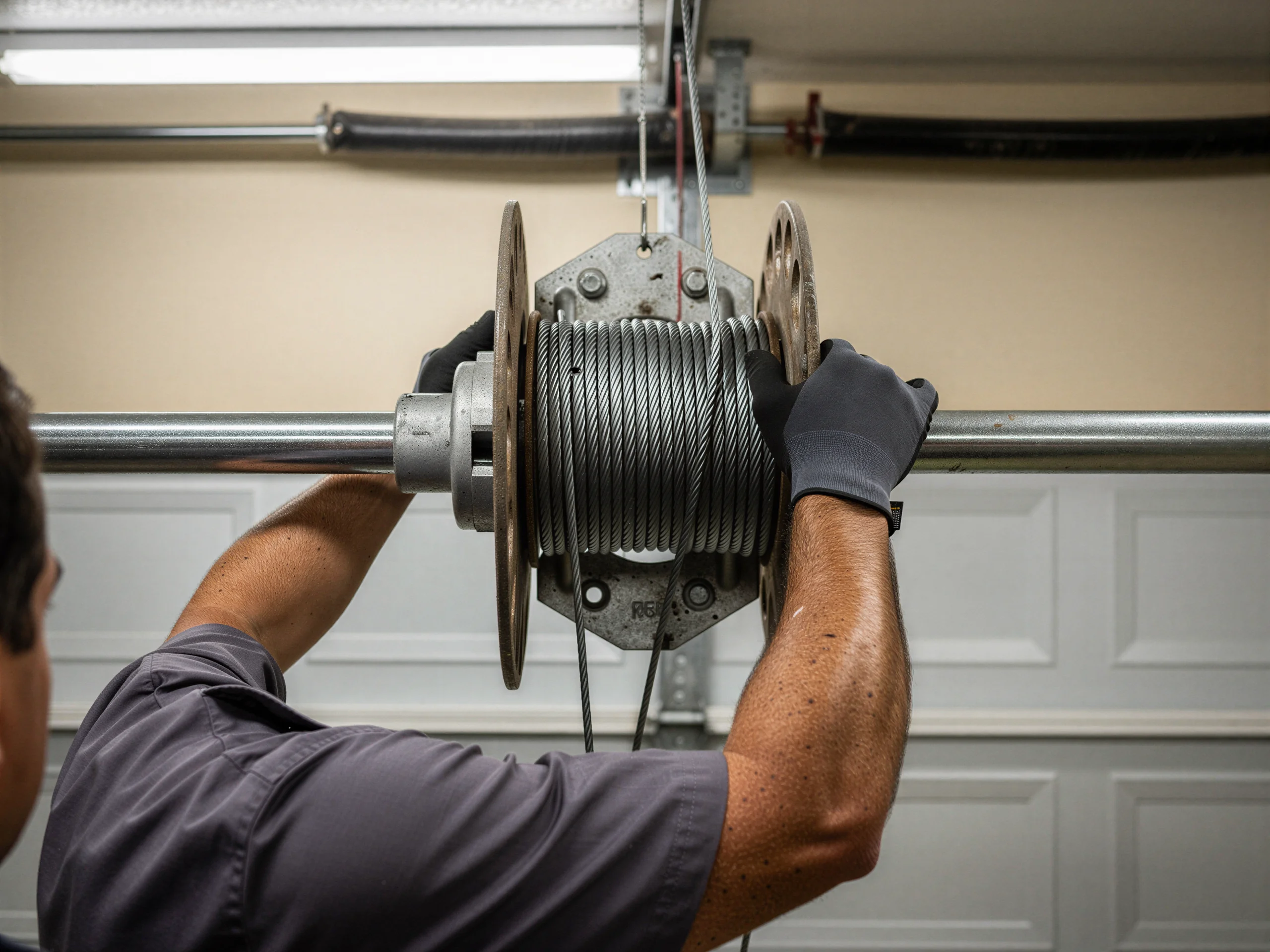
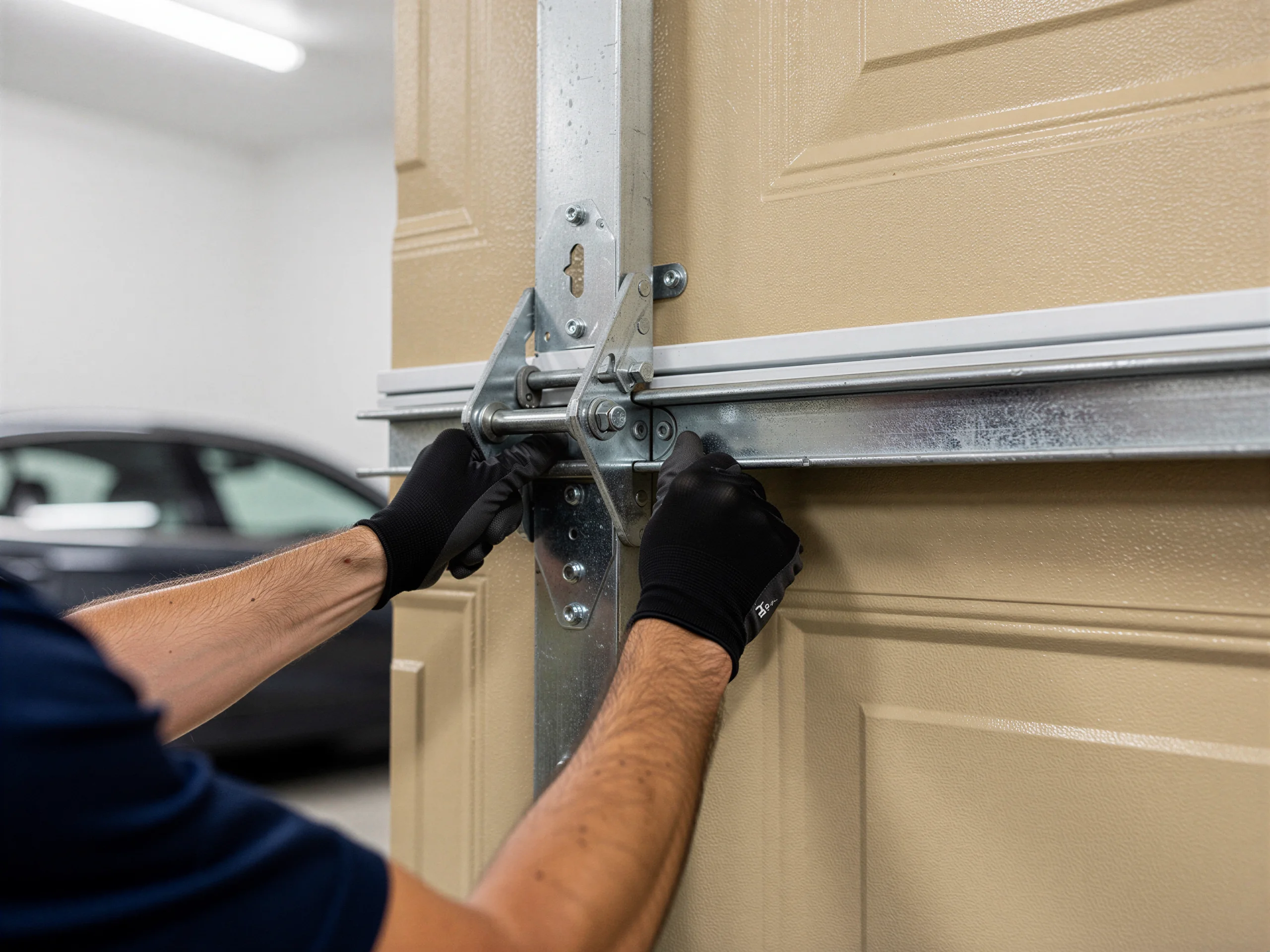
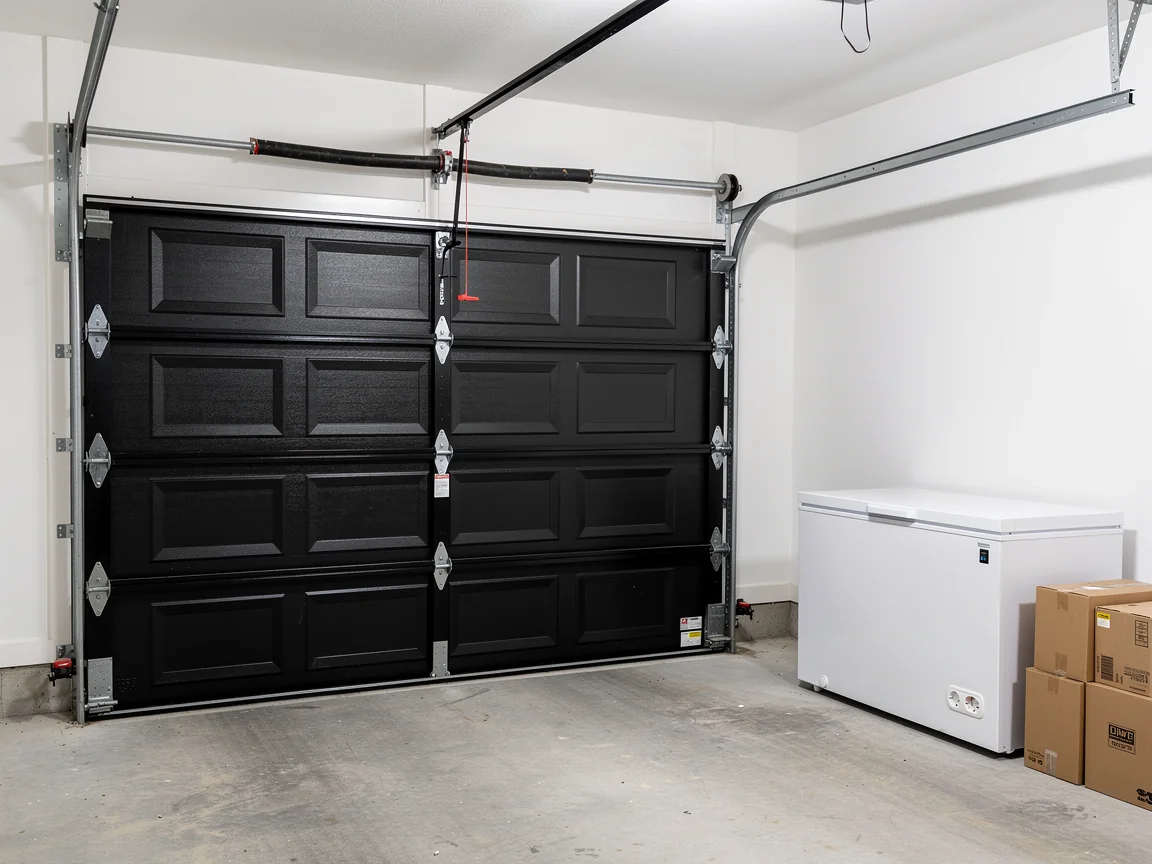
We check header height for the spring system you want - torsion springs need more headroom than the older extension-spring setups many of these homes still carry. If the jamb brackets are undersized for a modern insulated door's weight, we replace them rather than hang a heavier panel on hardware built for a lighter one.
Final balance and sensor alignment
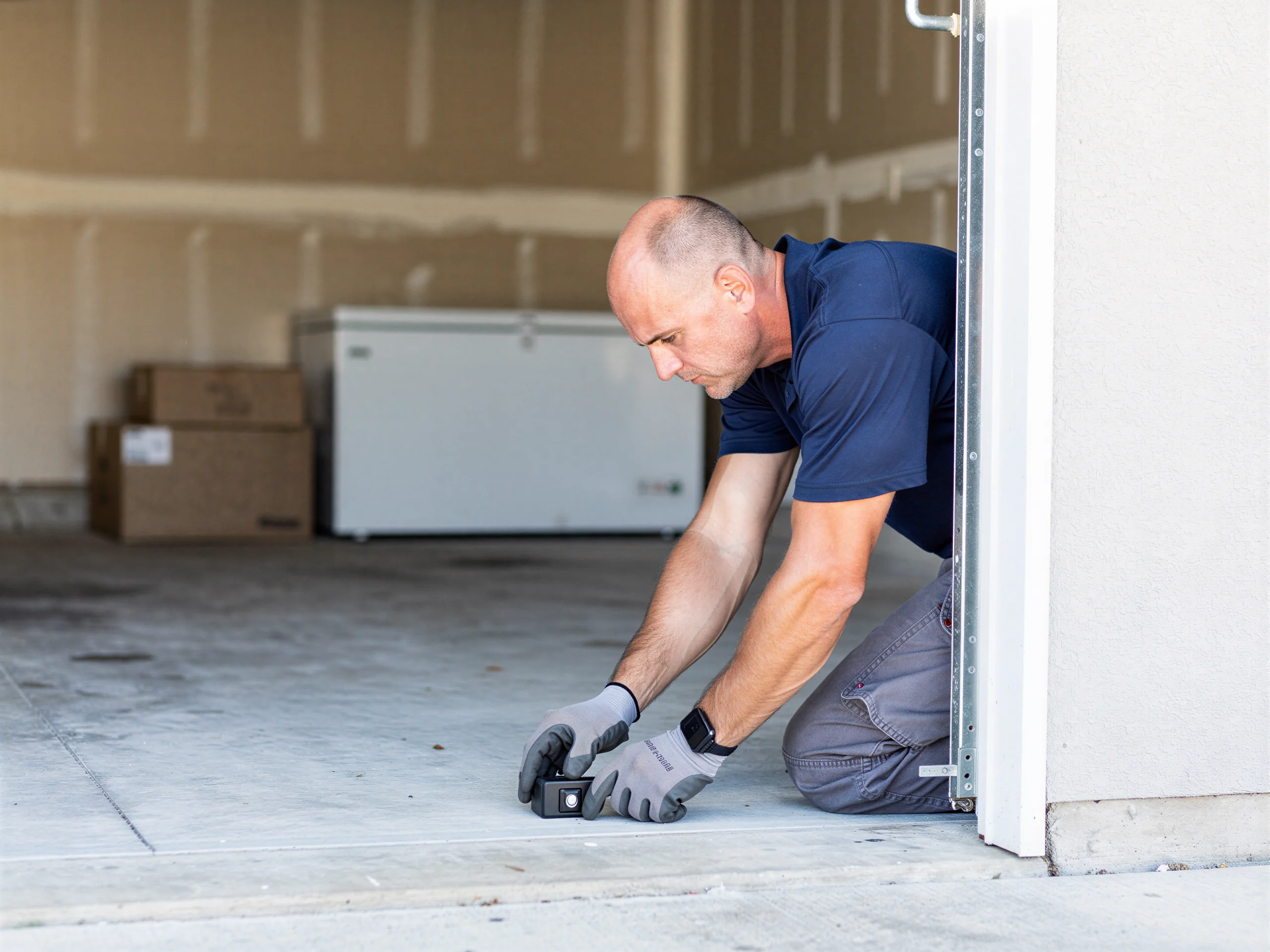
Once the opening is square and the track is plumb, the new door goes in, we balance the spring tension to the door's actual weight, and we run the opener through a full open-close cycle with the photo-eye sensors aligned before we call it done.
Why It Happens Here
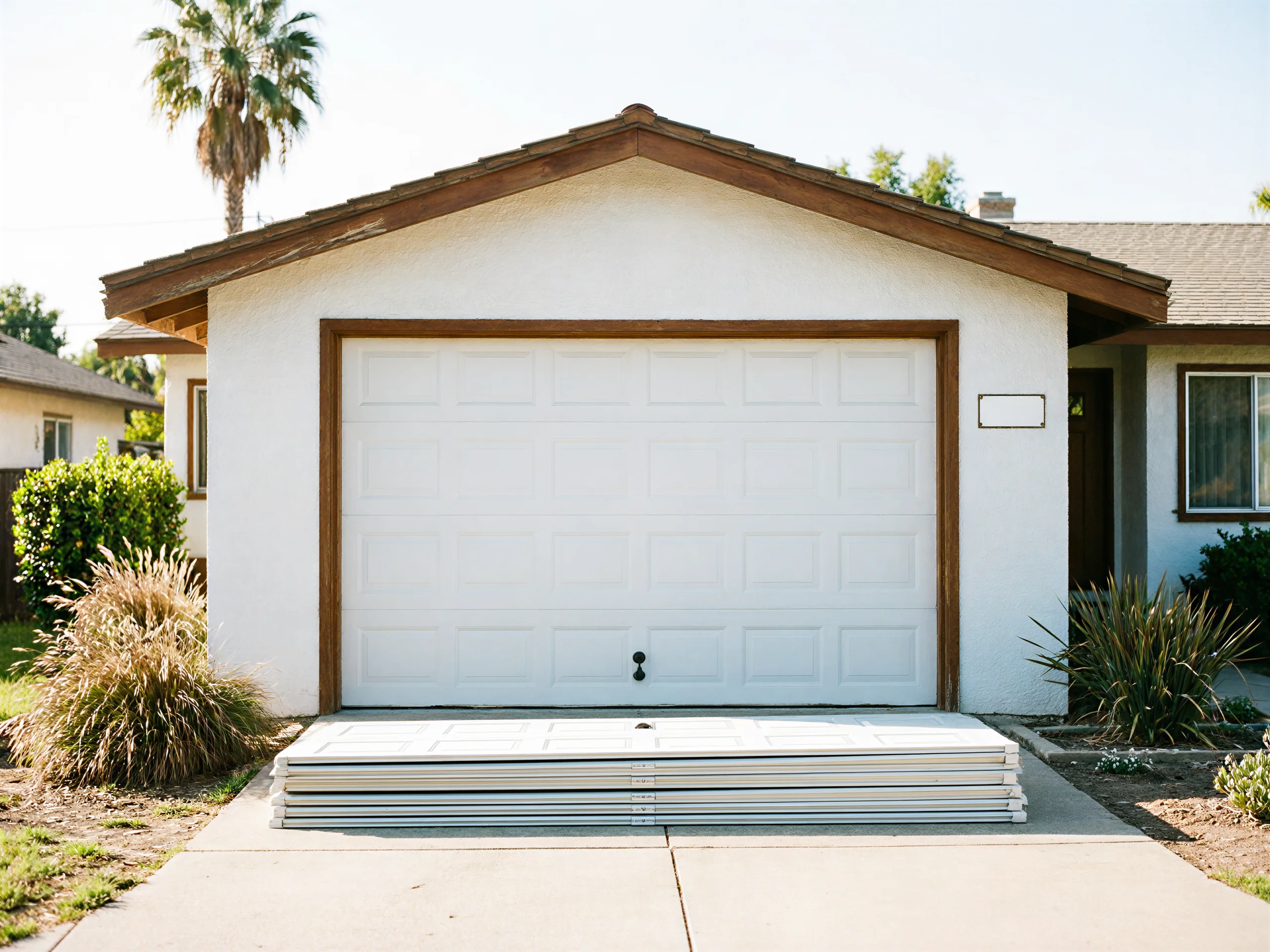
The climate here falls in the moderate-heat band, which is kinder to garage doors than a lot of inland California, but it still means steel panels on south- or west-facing garages take a steady dose of direct sun most afternoons. On a house built in 1966, that's close to sixty years of expansion and contraction on the same panel seams if nobody's replaced the door yet. Combine that with Claremont's median household income of $122,127 - well above the $104,565 figure for the wider service area - and we see more owners here opting to replace an aging door outright with a fully insulated steel unit rather than keep patching hinges and rollers on the original.
The Symptom
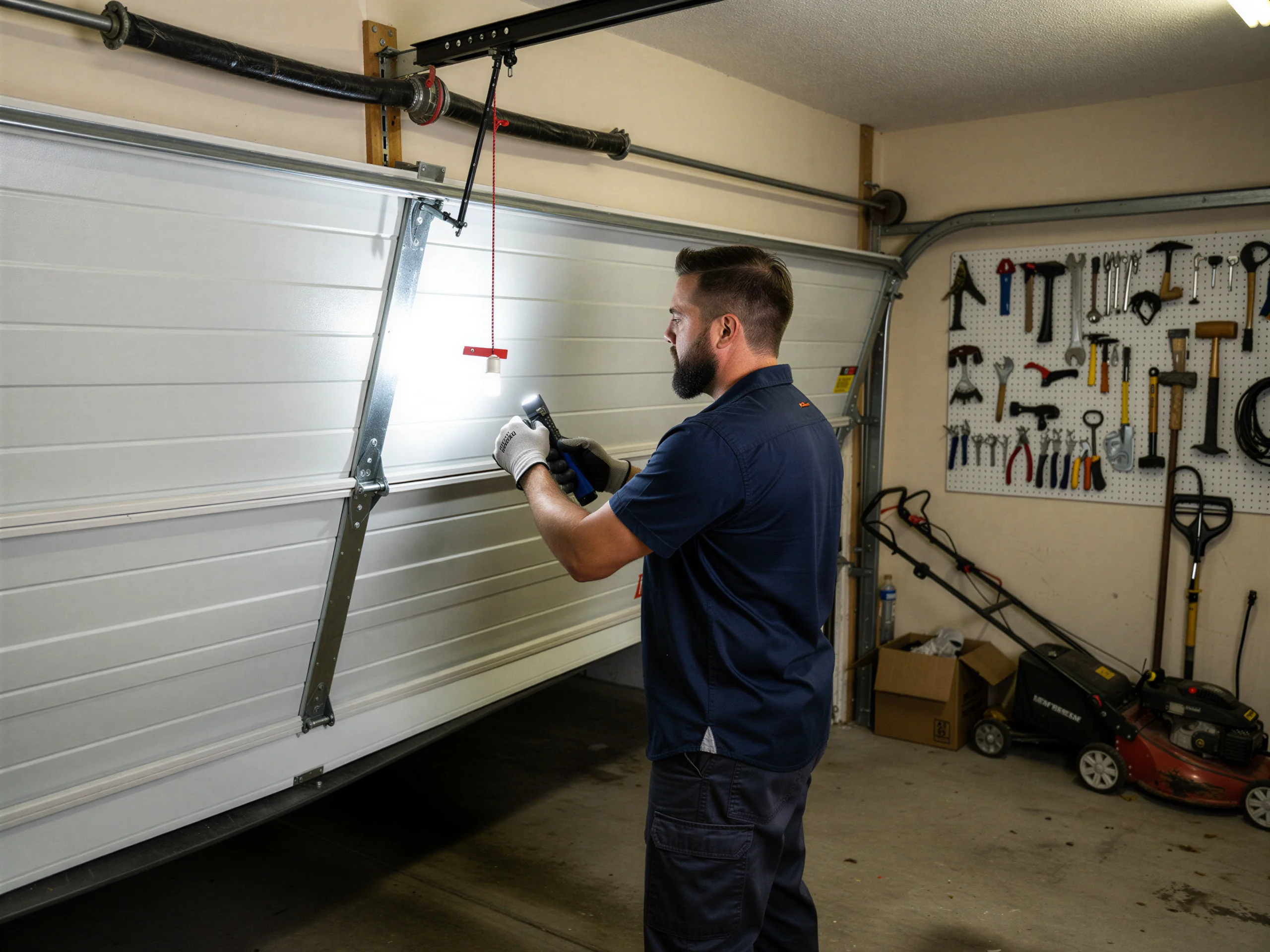
The usual tell on a house this age is a door that still opens but doesn't sit flush at the bottom anymore - you can see daylight at one corner even when it looks closed from the driveway.
Thin steel seams separate
Panels built in the 1960s and 70s were thinner steel than what's standard now, so after enough thermal cycling the seams between sections start to separate slightly at the joints, and the weatherstrip along the bottom stops making real contact with the slab.
Strain signals a heavier panel
If your opener is straining audibly at the start of the lift, or the door seems to hesitate on the way up, that's usually the spring compensating for a panel that's heavier or more warped than it was when it was new.
What It Costs
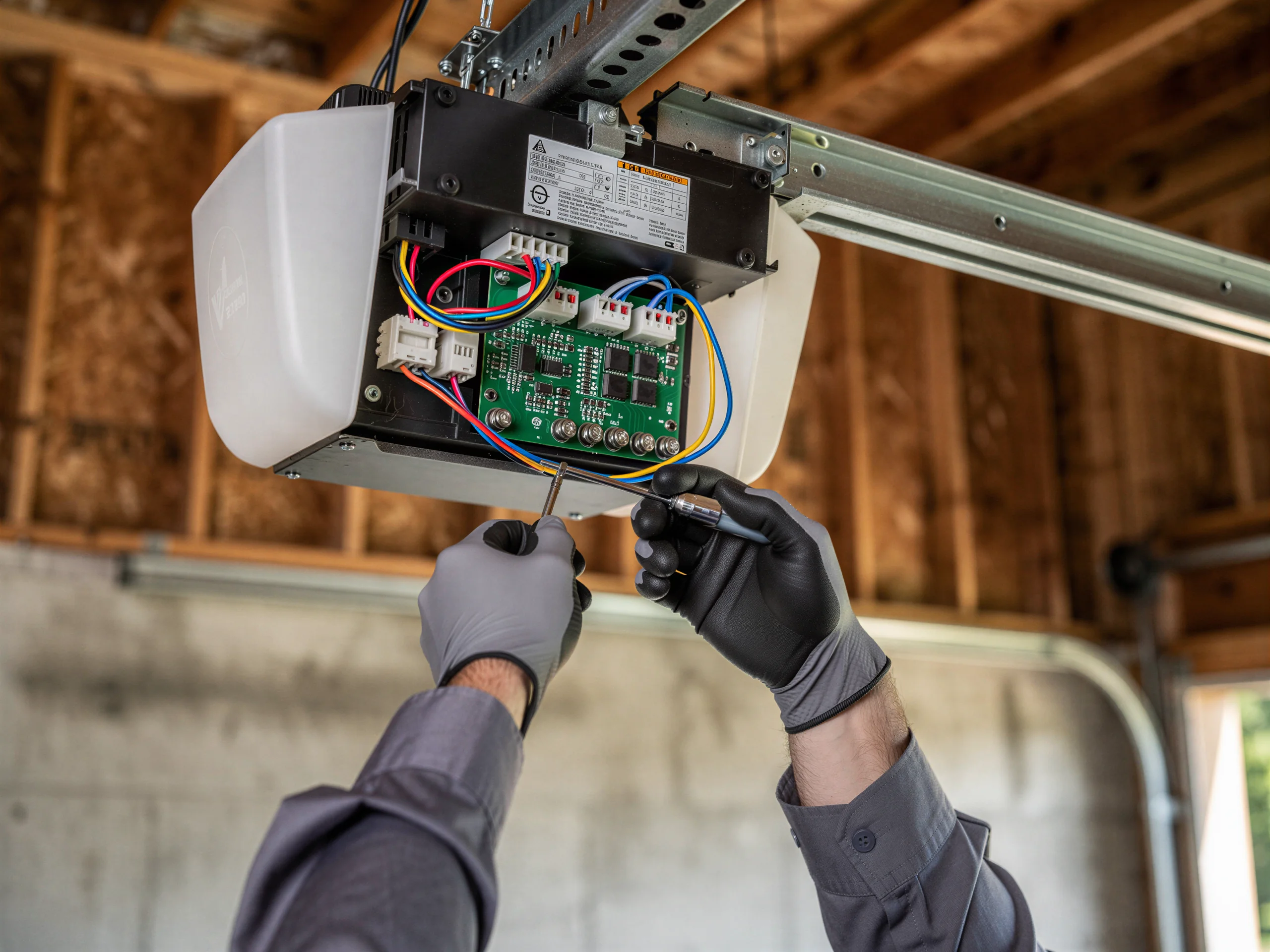
We don't have a flat number to quote here - door width, insulation level, and whether the jamb hardware needs replacing on top of the door itself all move the total, and that's true for any house. What we can tell you is that the measure visit itself is where that gets priced out properly, after we've seen the actual opening rather than guessing from a phone description. One honest limit: if your opener motor is original to a 1960s install, we'll likely tell you to replace it alongside the door rather than try to match new panel weight to forty-year-old gearing - patching the two together usually costs more in callbacks than it saves upfront.
Getting It Booked In
We run this job out of San Dimas, six miles up the road, so there's no branch office sitting in Claremont - just a truck that comes out when you call.
Short drive, no delay
That distance isn't a problem; it's close enough that travel time doesn't eat into the appointment window the way it would for some of the farther stops on our route, like Wrightwood or Norco.
Separate measure and install
What it does mean is we schedule the measure-and-quote visit and the install itself as two separate trips unless your situation is simple enough to handle in one.
Specify width when calling
If you already know you want a specific door width or an insulated steel panel instead of the old wood-look door, say so when you call - it saves a round trip and lets us bring the right opener bracket kit the first time instead of guessing.
Talk to a local pro
Garage door service in San Dimas?
Same-day service with honest, upfront quotes.