What Can Go Wrong
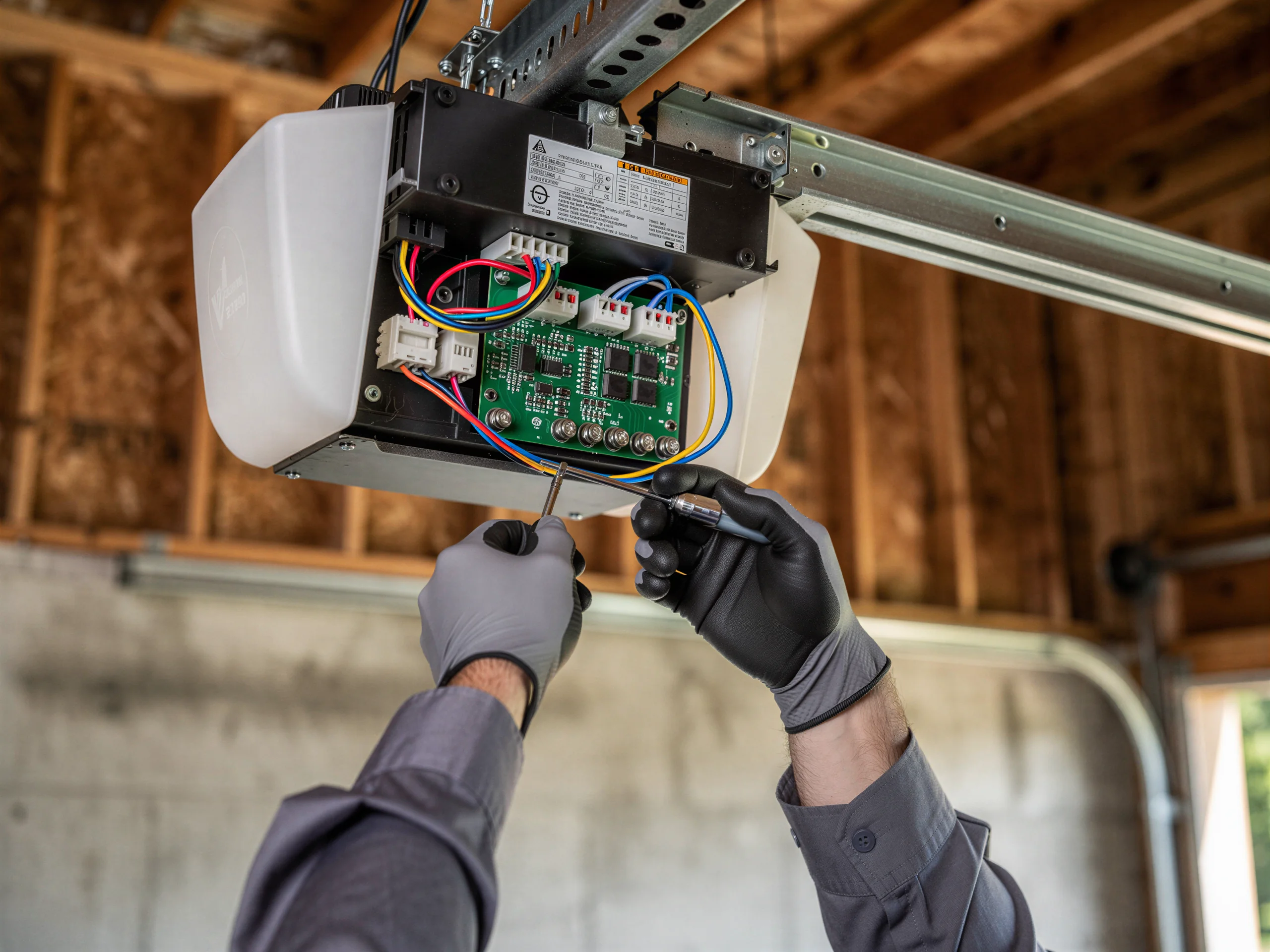
On a door that's original to a mid-1960s build, the failure points are predictable. The torsion spring loses tension gradually - you don't get a bang, you get a door that feels heavier every year until one day it won't stay up. Rollers that were never swapped out wear flat on one side and start binding in the track, especially if the track itself has drifted slightly out of plumb over decades of settling.
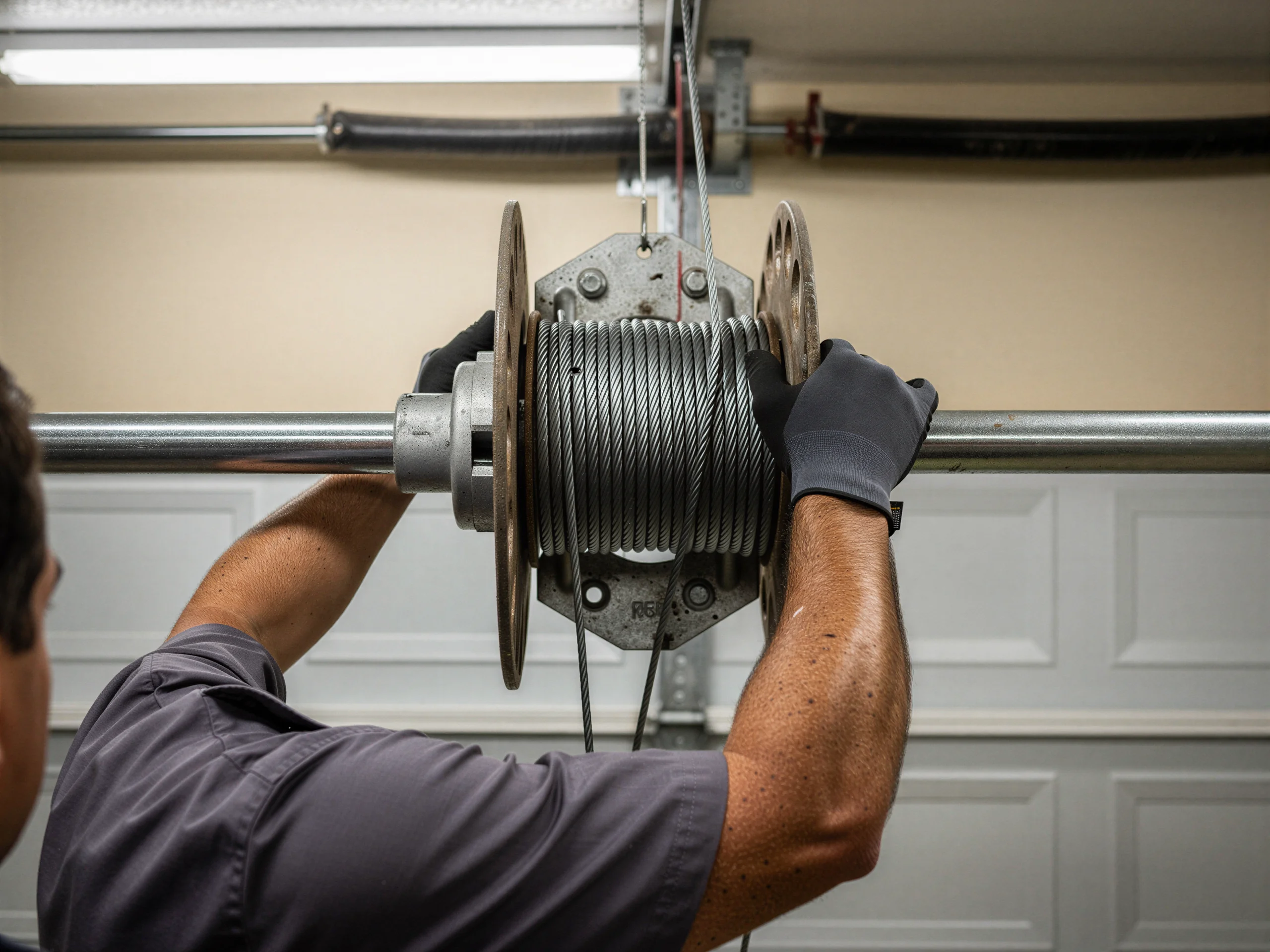
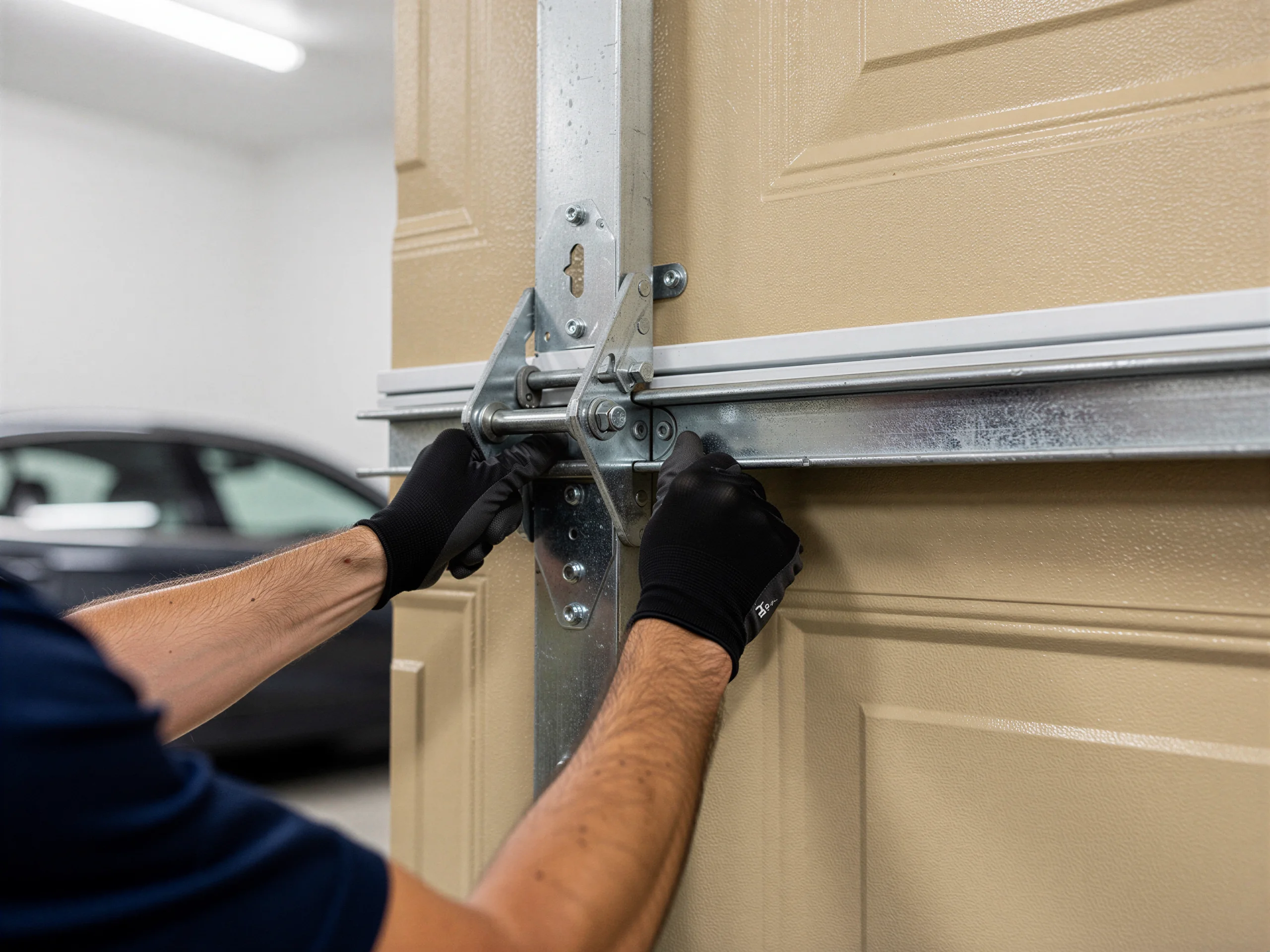
Cables fray at the drum end first, usually invisible until you're looking for it. Hinges loosen where the screws have worked themselves slightly out of thirty-year-old wood jambs. None of this is dramatic. It's wear that accumulates quietly on hardware that was installed once and never inspected again, which is the exact situation in a lot of Claremont's older blocks.
How We Fix It
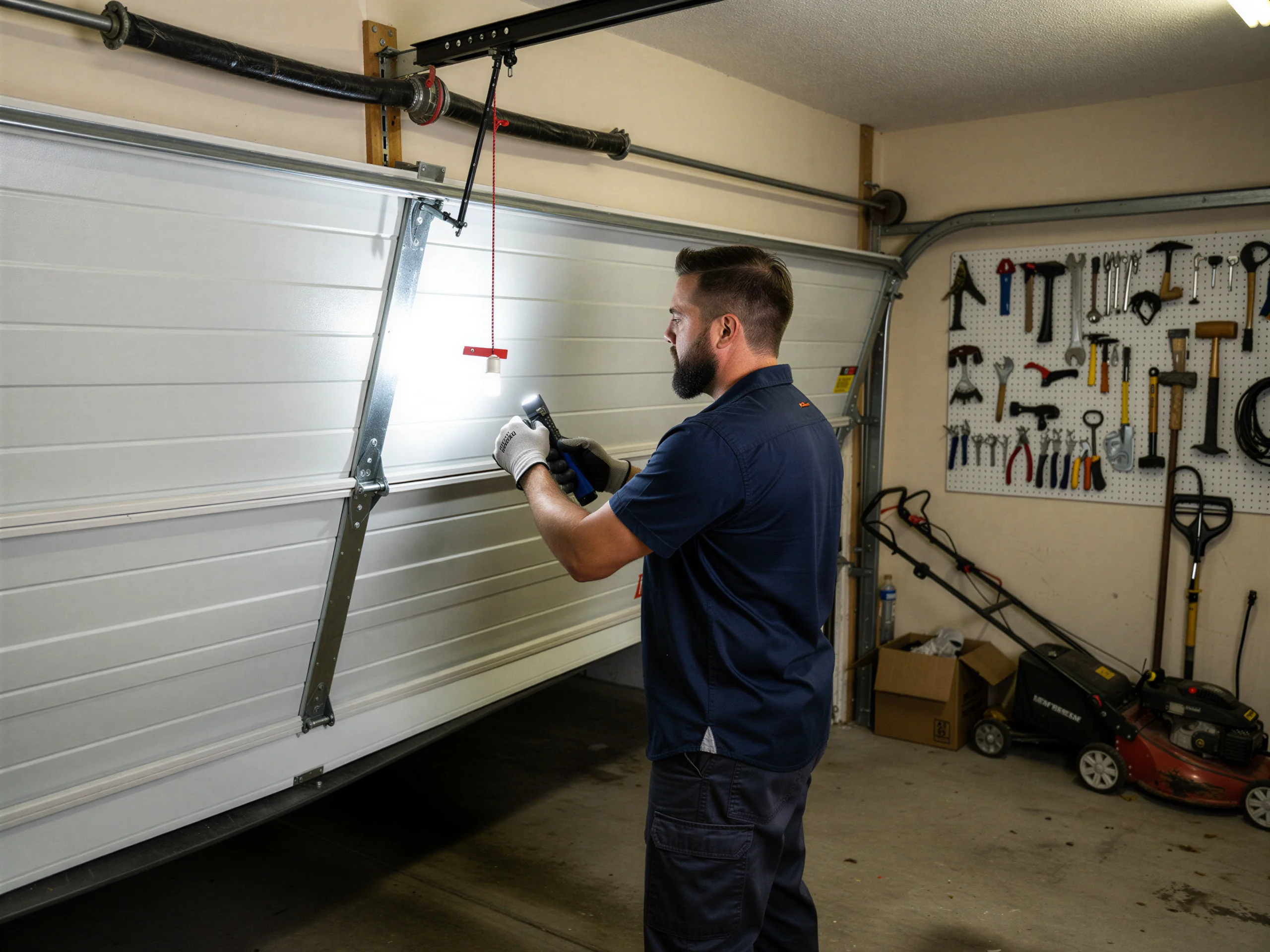
A maintenance visit on a door this age starts with the spring - we check tension and look for the kind of surface corrosion or thinning that shows up after fifty-plus years, even on a spring that's technically still holding.
Lubing for heat cycles
We lubricate the track, rollers, and hinges, which matters more here than in a newer build because the original hardware was never built with today's synthetic lubricants in mind and dries out faster under repeated heat cycles.
Realign and re-anchor hinges
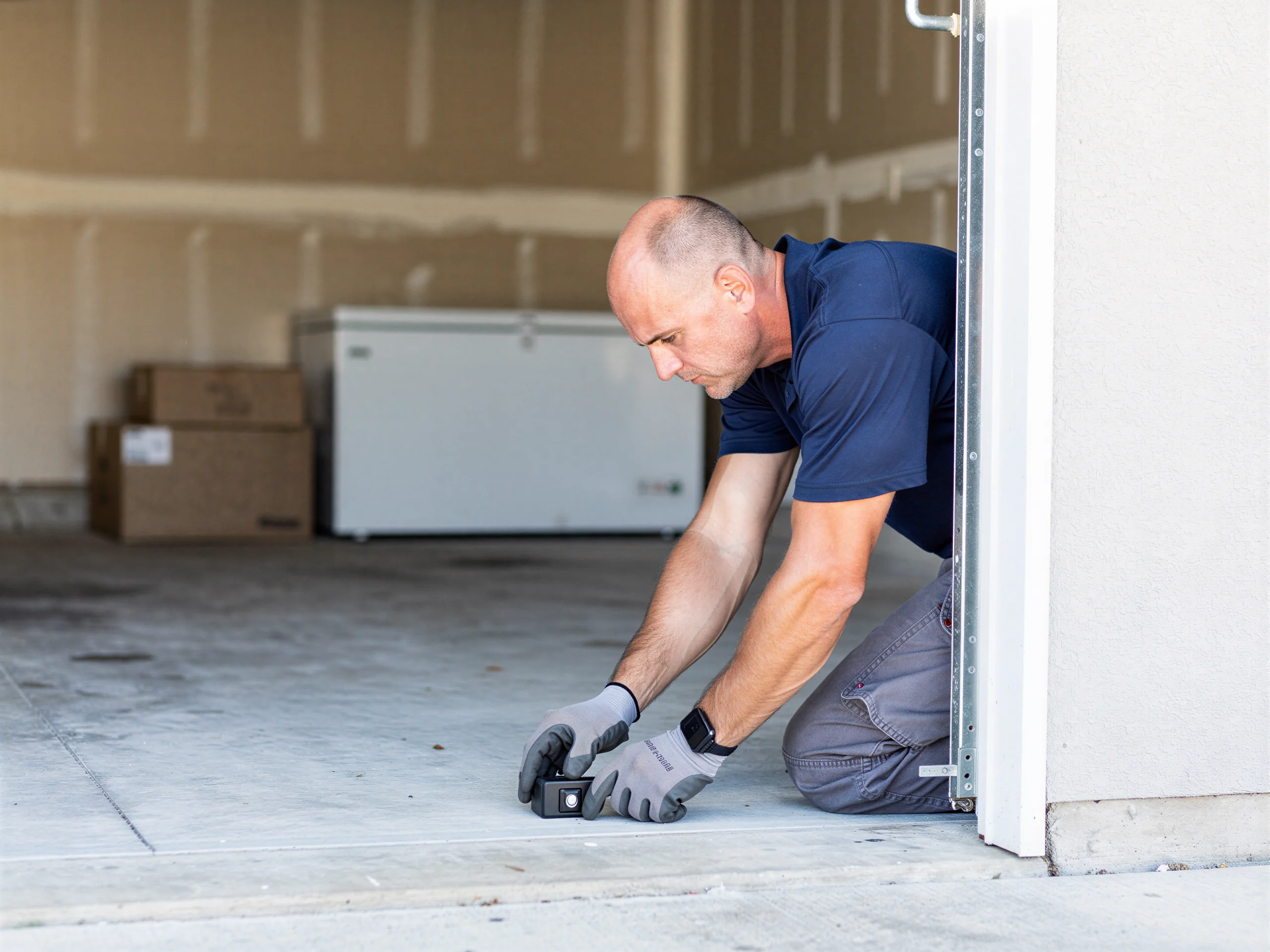
We re-align the track if it's drifted, tighten hinge plates back into solid wood where the screw holes haven't stripped out, and check cable wear at the drum.
Worn parts not saved
If a roller or hinge is original and visibly worn past safe use, we'll tell you straight rather than just lubing around it - on a door this old, some parts are past the point where maintenance alone keeps them safe.
Why It Happens Here
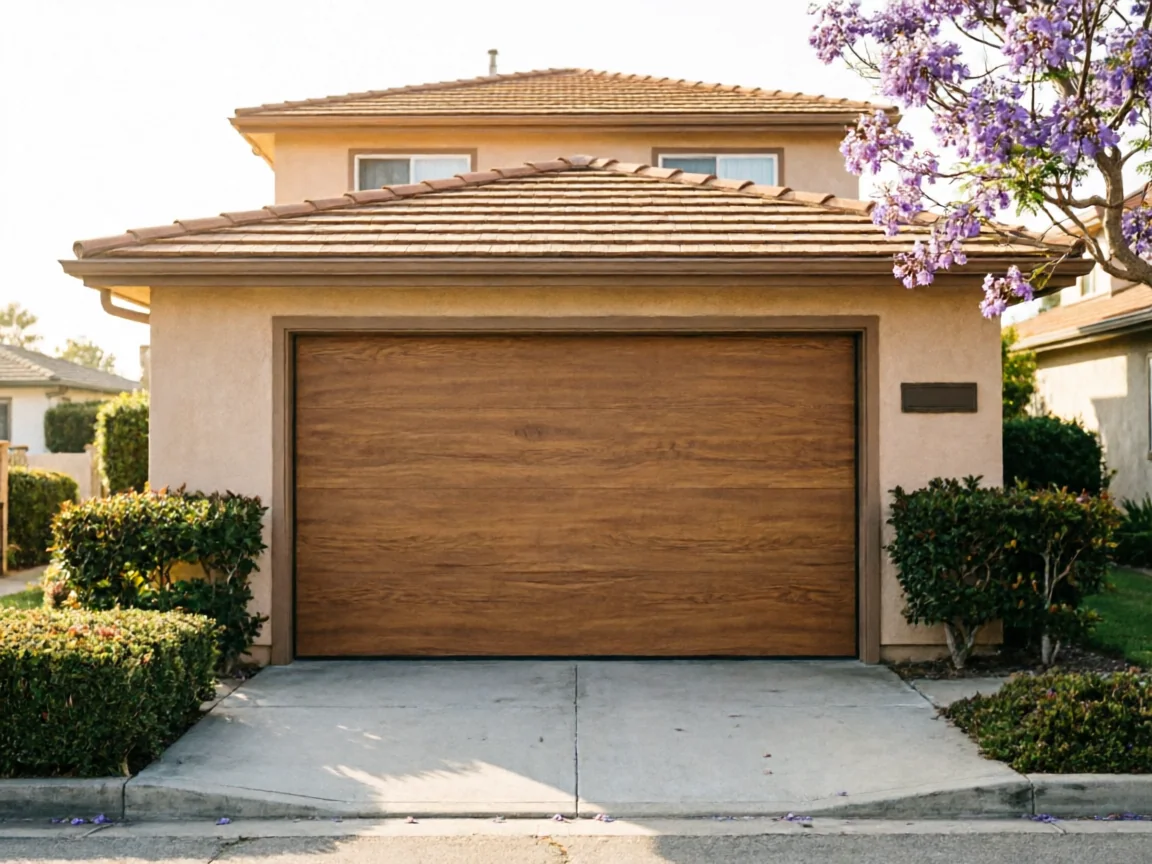
Claremont's housing sits squarely in the 1943-1987 build window that covers most of this service area, with the neighborhood median landing around 1966 - a few years off from some of the surrounding towns, but close enough that it shares the same era of hardware. That means one-piece or early sectional doors on side-mounted torsion springs, installed once during a construction boom and rarely touched since.
The climate here runs moderate on heat, which is kinder to seals and lubricant than a harsher band would be, but it still dries out grease over enough summers that a door serviced once in its life and never again will show it. With roughly 12,185 households in Claremont and a median income noticeably higher than the roughly $104,565 median across our wider service area, a lot of these houses could afford a full door replacement years ago and simply haven't needed to - the original hardware has been good enough, right up until it isn't.
The Symptom
The one we hear about most from Claremont calls is a door that's gotten slow and heavy over a season or two, not a door that's broken outright.
Grinding at one track point
It opens, but the opener strains on the last foot of travel, or it drops faster than it used to on the way down. Sometimes there's a grinding sound at one specific point in the track rather than the whole run. That's consistent with original torsion hardware losing tension gradually rather than snapping.
Slow spring decline, not bangs
A spring that's fifty-some years old doesn't usually fail with a bang; it fails by slowly doing less work until the opener is carrying weight it was never sized for. If your door's been getting harder to lift by hand over the last year, that's the spring talking, not the opener.
What It Costs
We don't have a fixed price to quote here - what a visit costs depends on what the door needs once we're looking at it, and a door with original 1960s hardware sometimes needs more than a quick lube job, sometimes needs almost nothing. We're not going to make up a number that isn't accurate to your door.
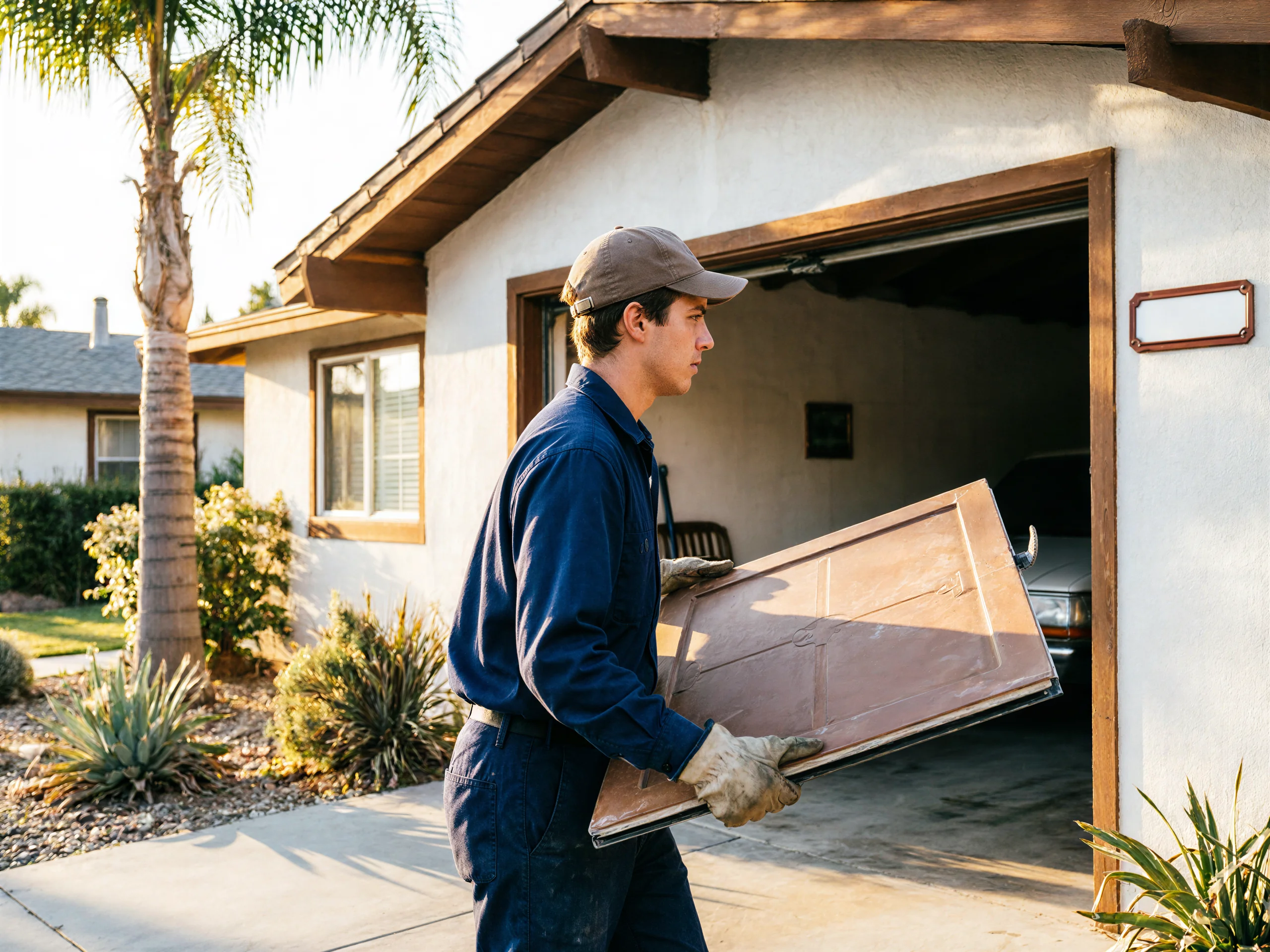
Worth saying plainly: if a spring or set of rollers is original and worn past the point of safe adjustment, replacing that part is usually the honest call rather than stretching out a repair that won't hold. We'd rather tell you that up front on the visit than have you call back in six months with the same problem.
Getting It Booked In
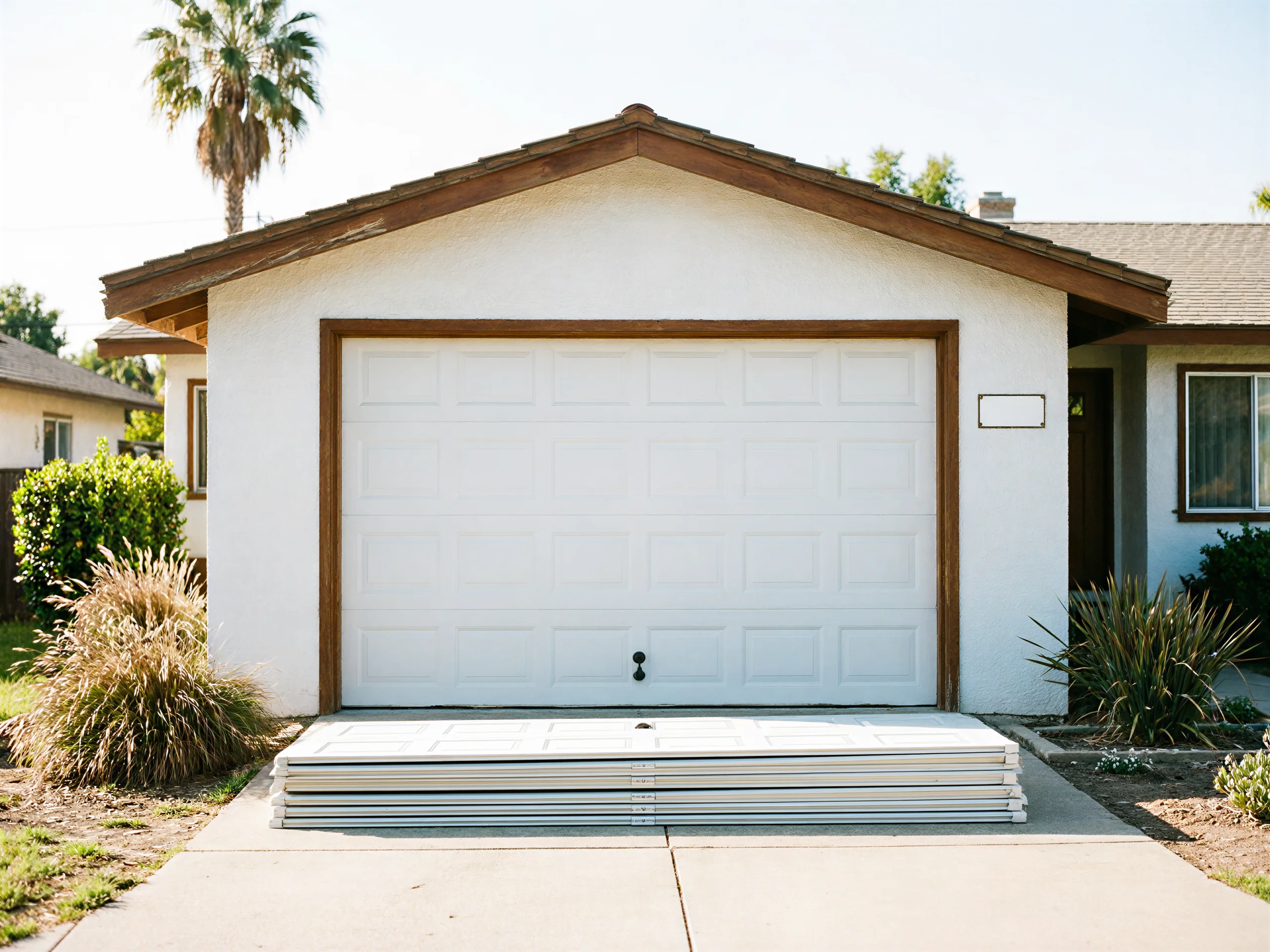
A lot of the garage door hardware in Claremont has never been touched since the house was built. The median home here went up around 1966, and in a lot of these houses that means the original torsion spring, the original hinges, and in some cases the original door are still doing the work six decades later.
Slow, loud, heavy wear
Nobody's replaced them because nothing has failed outright yet - it's just gotten slower, louder, heavier to lift by hand. We run out of San Dimas, about 6 miles from Claremont, so there's no branch office here and no separate local crew - just a truck that comes out on a scheduled visit.
Visit scheduling not walk-in
That's worth knowing going in: we're not based in town, we're based close to it. Booking a maintenance visit means picking a day that works and we drive over.
Details on main page
If you want the broader rundown of what a maintenance visit covers across our whole service area, that detail lives on our San Dimas maintenance page - this page is specifically about what we see on Claremont doors.
Talk to a local pro
Garage door service in San Dimas?
Same-day service with honest, upfront quotes.