
Why It Happens Here
The houses in this part of the service area mostly went up in the late 1950s, with a local median build year around 1958 - earlier than the broader area's 1963 median across the 1943-1987 span we see in the housing stock overall. That ten-year head start matters for garage doors specifically. A door and track system installed or replaced in a 1958 house has had more decades of thermal cycling, more coats of driveway sealant tracked onto the floor, more owners who painted over the hardware without ever pulling the fasteners to check them.
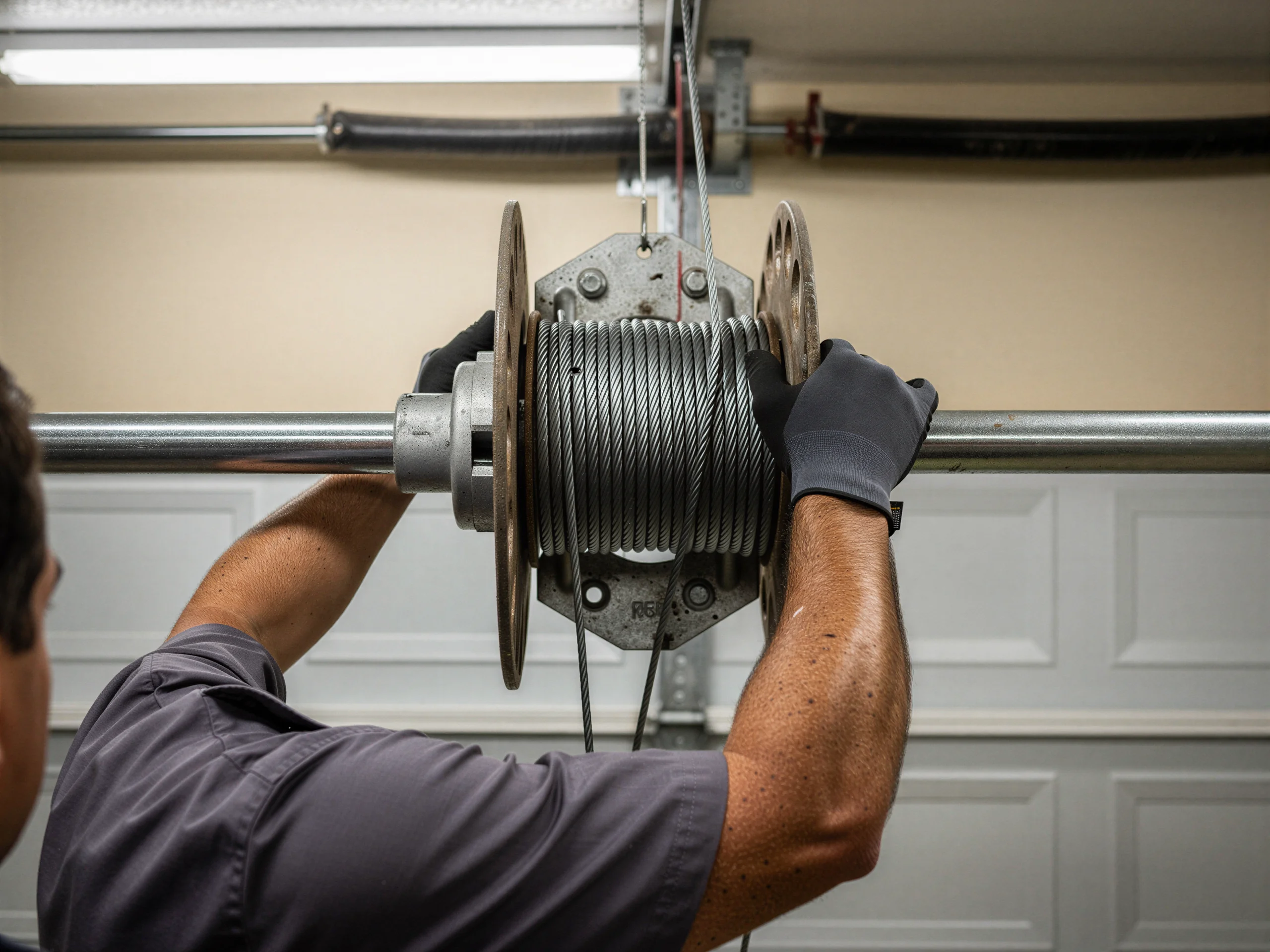
Temple City's climate band is moderate heat, not the extreme swings some inland areas see, so we are not dealing with the kind of panel warping that comes from big daily temperature swings. The failures here are closer to slow fatigue: galvanized cable that has quietly lost strands, torsion springs rated for a door weight that got heavier after a panel replacement somewhere along the way, and tracks bent slightly out of plumb from decades of settling rather than one dramatic event.
What Can Go Wrong
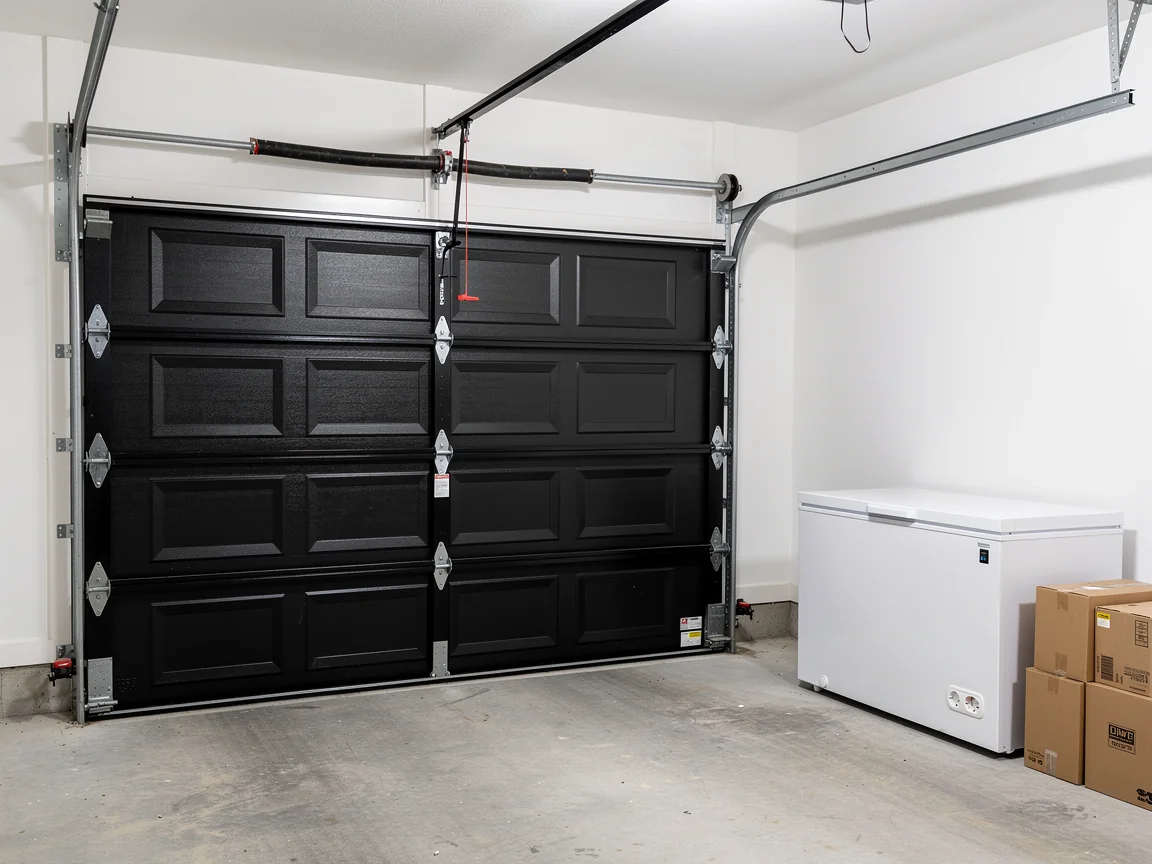
On houses from this era, the most common call is a broken torsion spring on a double door, usually the original size spring still carrying a door that has gained weight from added insulation panels over the years.
Mixed roller materials
Second most common: rollers that have gone from steel to a mix of steel and cracked nylon, pulling unevenly and chewing at the track edges until the door starts binding on one side before it binds on both.
Cheapest opener swaps
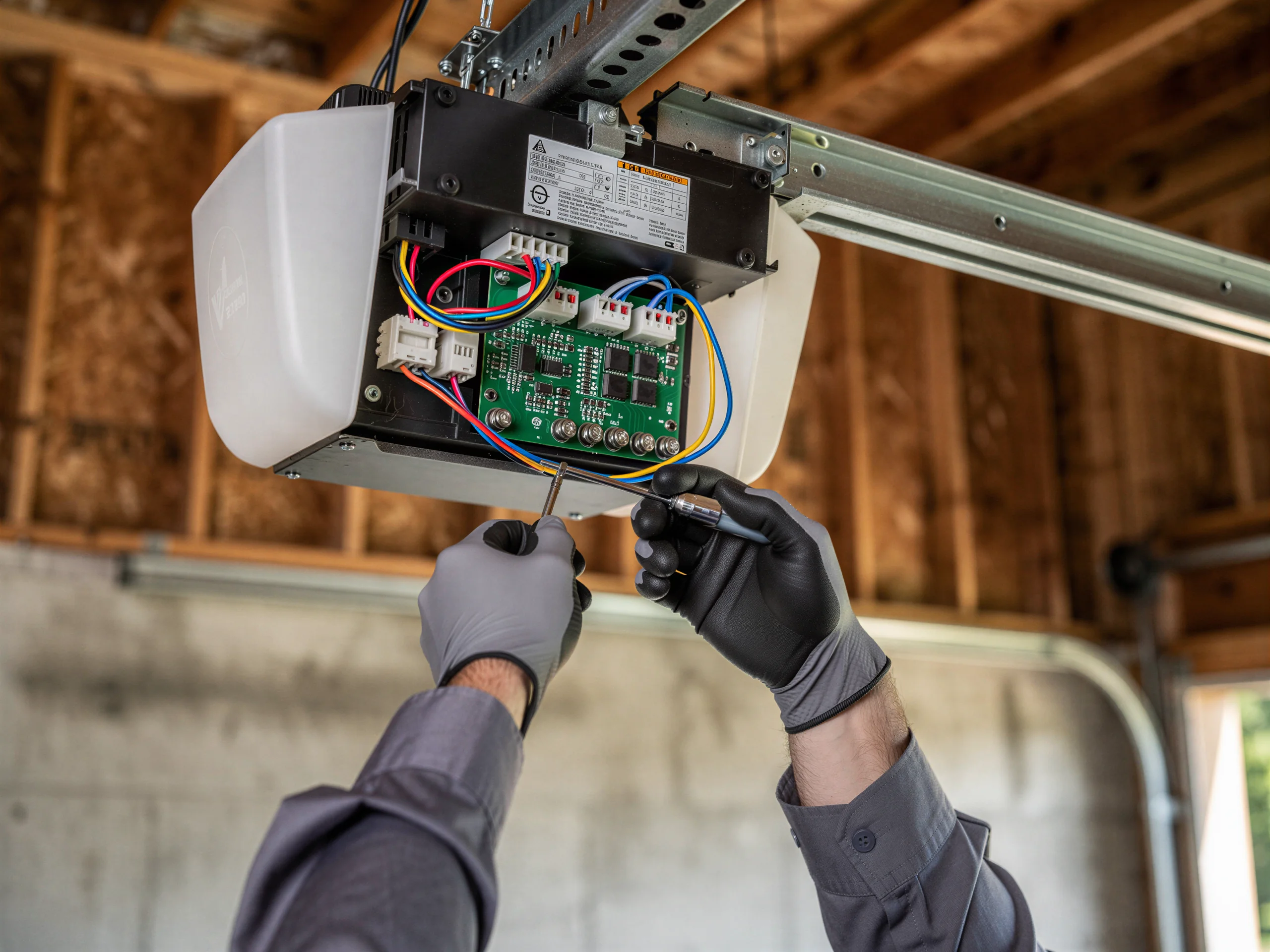
Openers are the other big one. A lot of these houses have had at least one opener swap already, sometimes installed by whoever was cheapest at the time rather than matched to the door weight and spring tension already in place.
Strain and random reversal
That mismatch shows up as an opener straining on the way up, or a door that reverses itself for no clear reason. None of this is unique to any one street - it is what you get when a door and an opener from two different decades end up on the same track.
What Is on the Truck
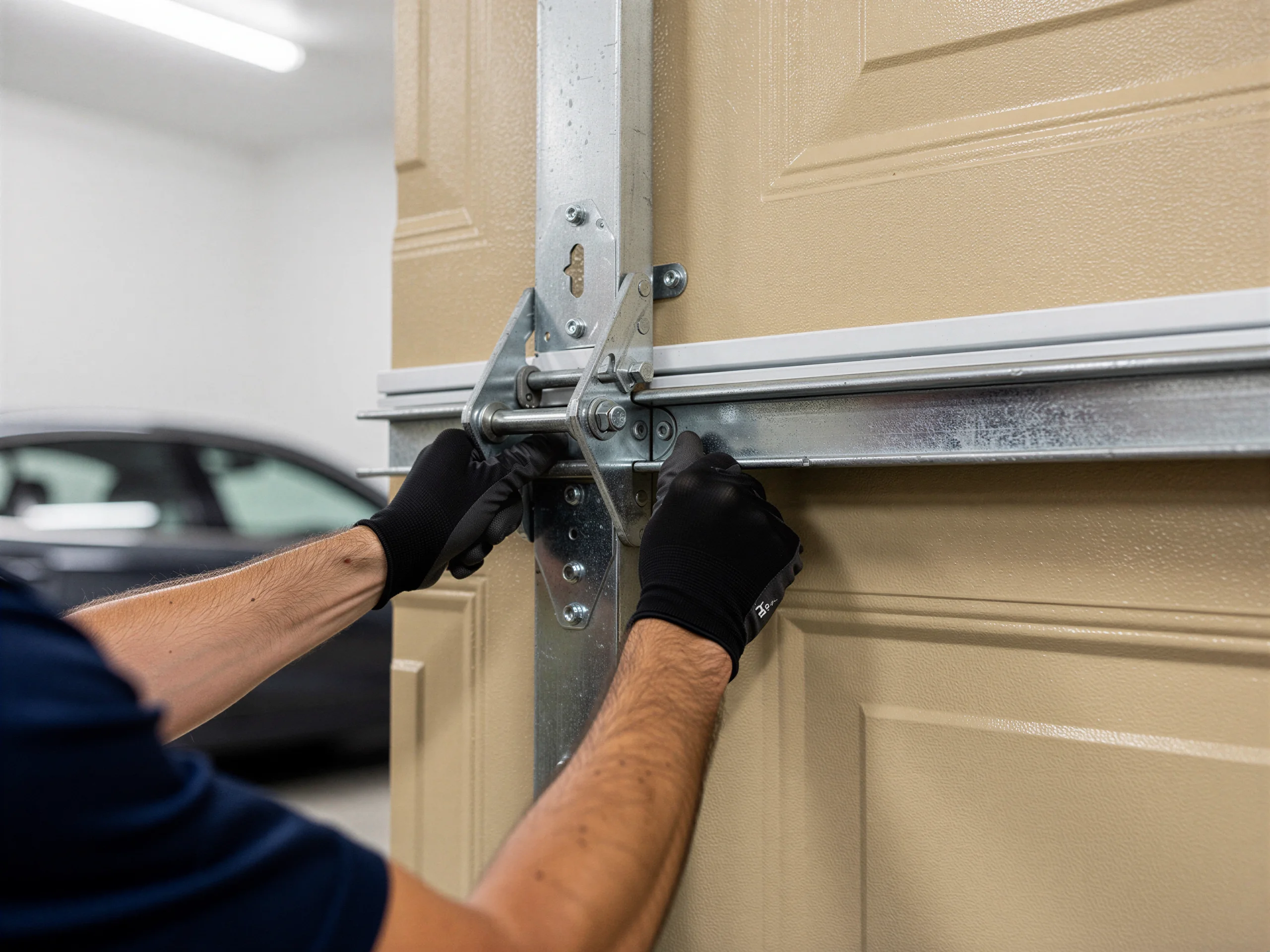
For a 14-mile run from San Dimas, we stock what actually breaks on doors from this period: torsion springs in the sizes common to 1950s-60s double-door openings, galvanized lift cable, steel rollers, and standard track hardware. Weatherstripping and hinges are always on hand since they're the most-replaced parts industry-wide.
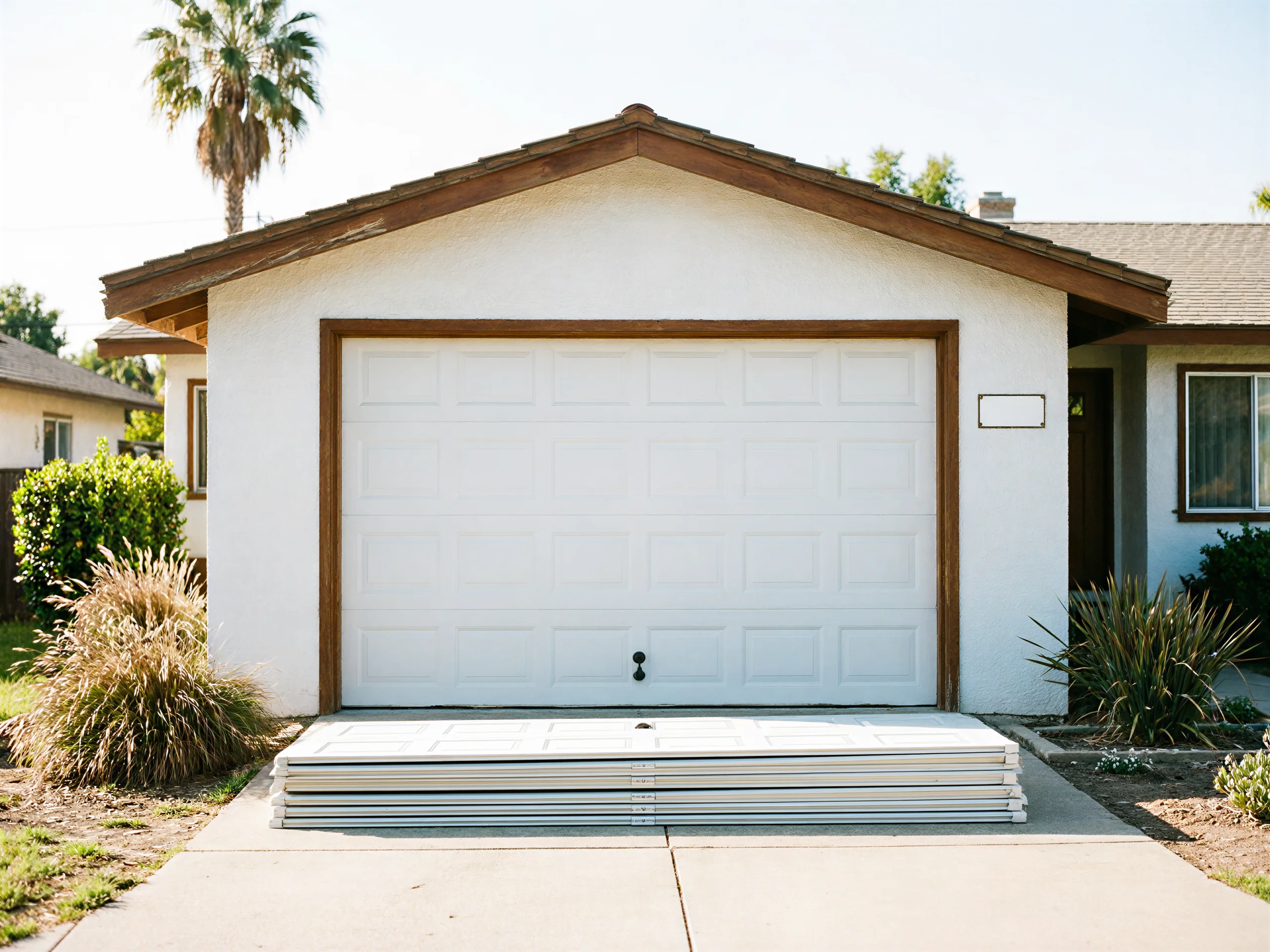
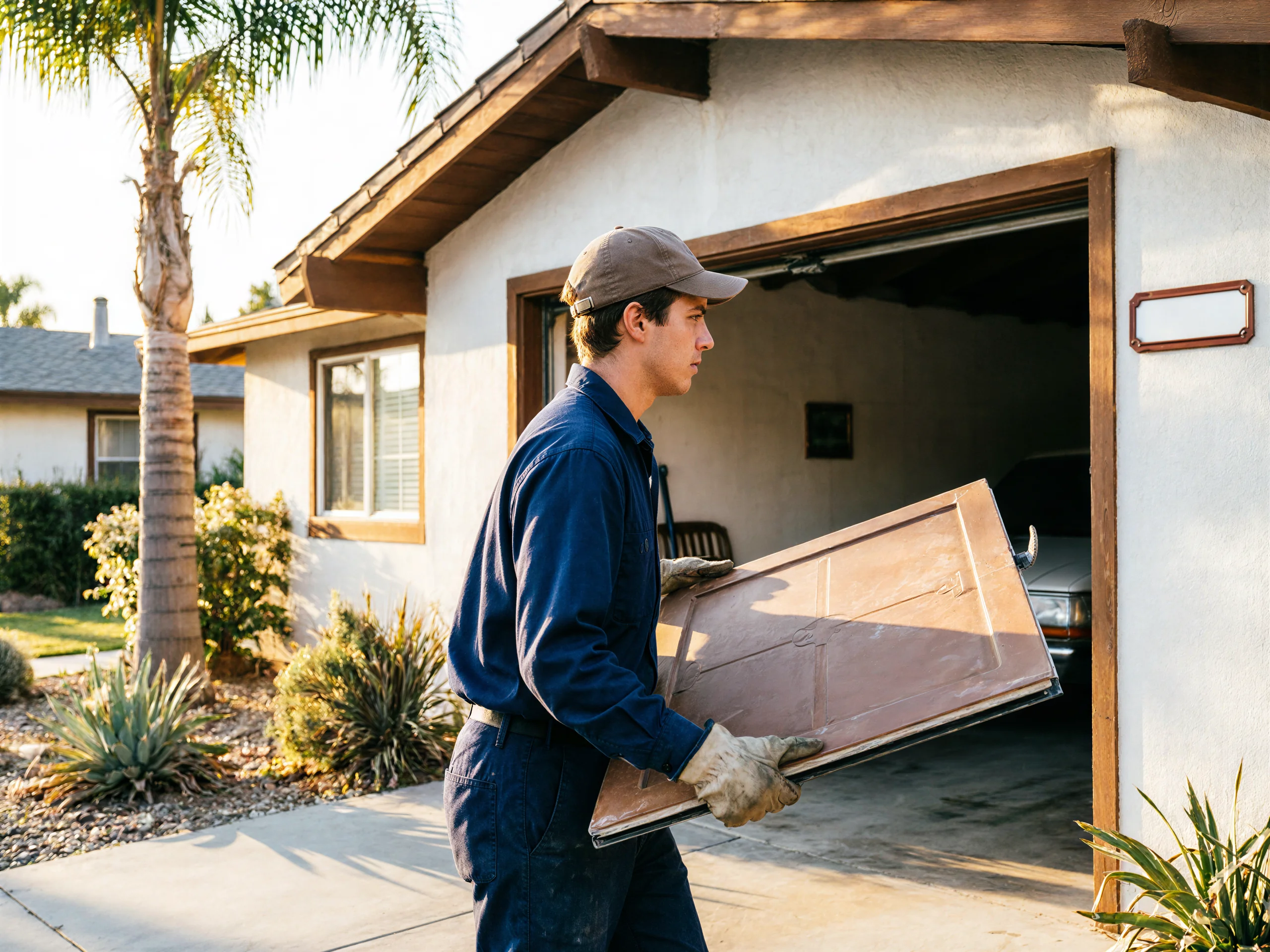
What is not always on the truck: a specific panel to match an older discontinued door design. If your door is original to the house and a single panel has cracked or dented, we may need to source a replacement panel or, more often, talk through whether a full door replacement makes more sense than hunting for a match that may not exist anymore. That's the honest limit - we carry what fixes most jobs on the first visit, not every obsolete part ever made.
Getting It Booked In
Because we travel from San Dimas, about 14 miles to Temple City, we schedule the run rather than treating it as a drop-in stop.
Describe symptoms before arrival
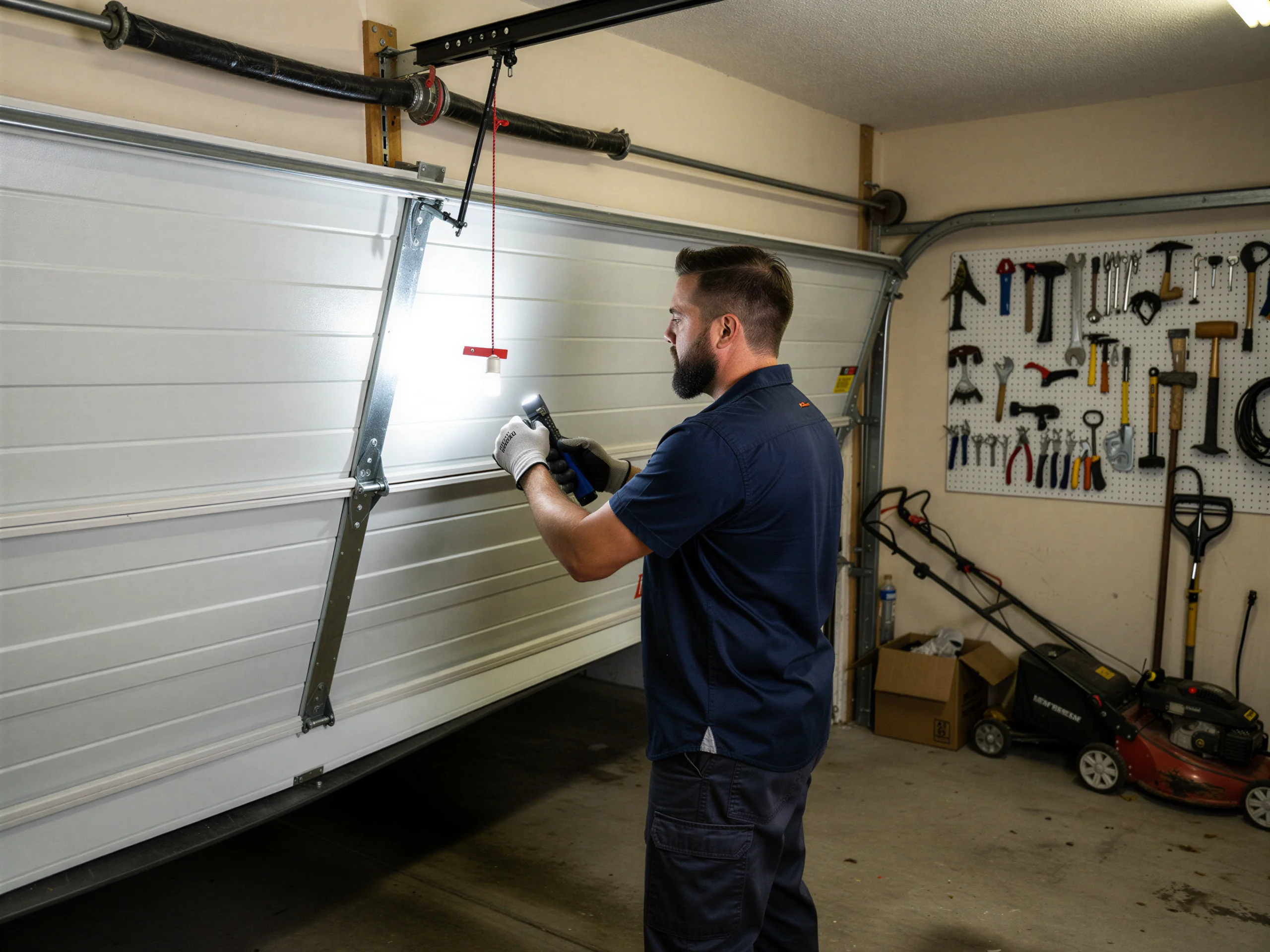
Tell us what the door is doing - won't open, opens then reverses, spring snapped, opener grinding - and we'll bring the parts most likely to match that symptom on houses from this era rather than showing up to diagnose from scratch.
Door age helps diagnosis
If you know the door's age or when it was last serviced, that detail alone can save a trip. A door original to a 1958-era house behaves differently under diagnosis than one installed ten years ago, and knowing which one we're dealing with before we arrive means fewer surprises once the garage is open.
What It Costs
At a median household income of $102,449, most Temple City callers we hear from want the repair-versus-replace math laid out plainly rather than a generic estimate range. A single broken spring, a cable, or a roller set on an otherwise sound door is almost always worth fixing - the door itself, especially original steel from this era, is often heavier-gauge than what gets installed new today.
Where replacement starts making more sense is when the track is bent in multiple places, the panels are cracked beyond patching, or the opener and door have been mismatched for years and both need attention at once. We don't quote a flat number here because every one of those combinations changes the job - but we'll tell you on-site which side of that line your door is actually on, and why.
Doing It Yourself
Temple City sits at a median household income of $102,449, a little under the $104,565 median across the wider area we cover. That gap matters more than it looks on paper, because it sets where the repair-or-replace line actually falls.
Eight-to-ten year goal
At this income level, most owners we talk to want the door fixed if fixing gets them another 8-10 years out of it, and they want a straight number before any truck shows up, not after.
Light DIY tasks
Some jobs are fine to do yourself: swapping worn weatherstripping, tightening loose hinge bolts, lubricating rollers and hinges with the right lubricant. What is not a DIY job is anything involving the torsion spring under load, or a cable that has started to fray - those store enough energy to break a hand or worse.
Uncertainty means calling
If you are not sure which category your problem falls into, that uncertainty itself is a reason to call rather than guess, especially on a door old enough that the hardware was never designed to current spring-container standards.
Talk to a local pro
Garage door service in San Dimas?
Same-day service with honest, upfront quotes.