Why It Happens Here
Temple City's housing mostly dates to around 1958, a few years ahead of the 1963 median across the wider service area we cover. That matters for openers specifically: a house built in 1958 has usually been through at least two or three openers in its life, and the garage itself - header height, framing, the way the track was hung - was built around whatever opener style was common at the time, not around what's sold today. New openers often need bracket adjustments or a different rail angle to fit cleanly into a header that age.
The climate here runs moderate heat, which is kinder to openers than a true desert band, but garages still run hotter than the house, and that heat dries out old grease on the worm gear and softens nylon drive gears faster than people expect. On a house from this era, we see worn drive gears and dried-out gear grease more than almost anything else short of a dead logic board.
What Can Go Wrong
The most common call on an older Temple City opener is a stripped nylon drive gear - the opener motor runs, you can hear it, but the door doesn't move.
Designed-to-shear part
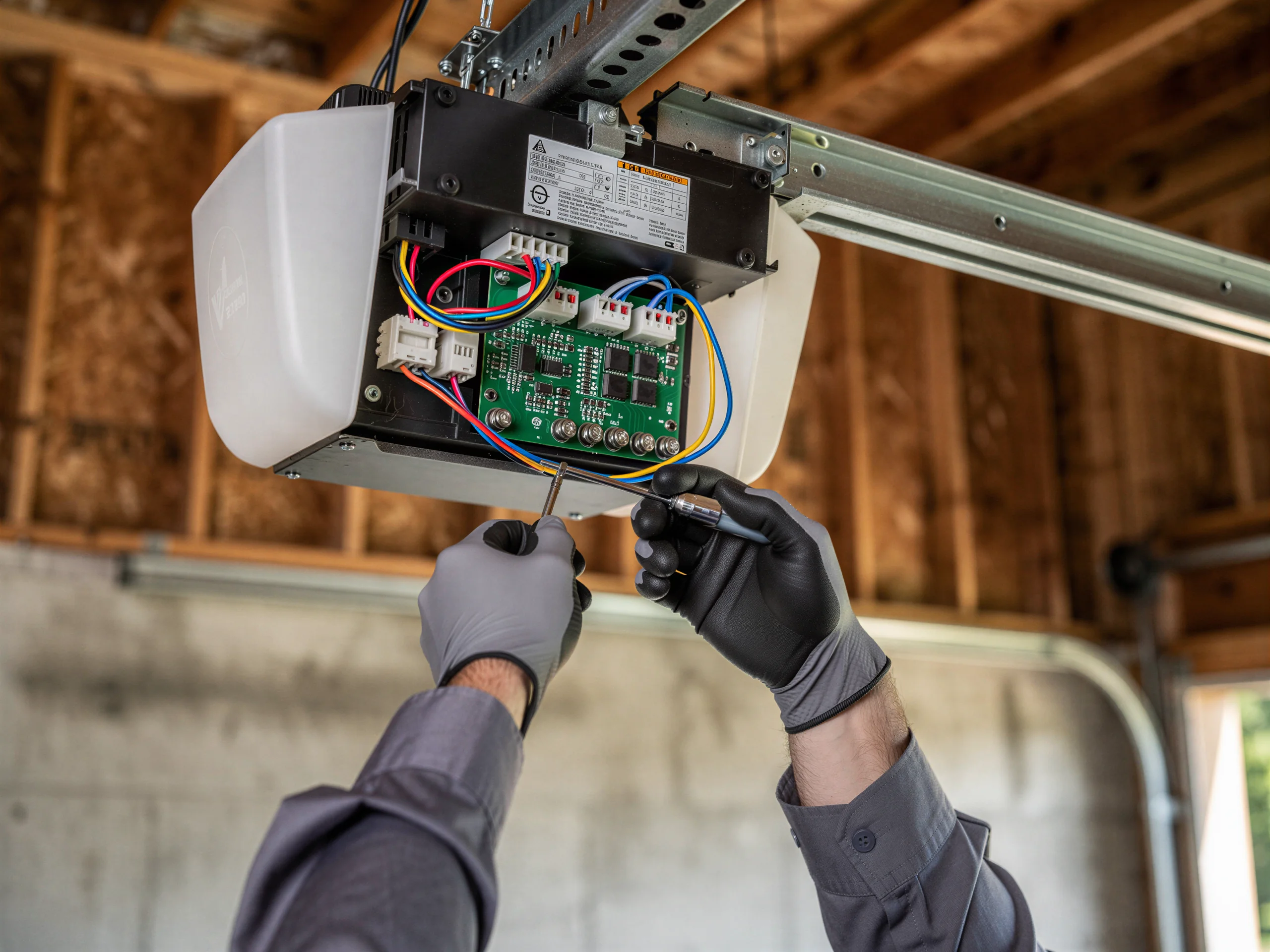
That part wears out by design; it's meant to shear before something more expensive breaks. Next most common is a circuit board that's taken a power surge or just aged out after years of daily cycles, which shows up as a unit that won't respond to the remote or the wall button at all.
Sensor wiring damage
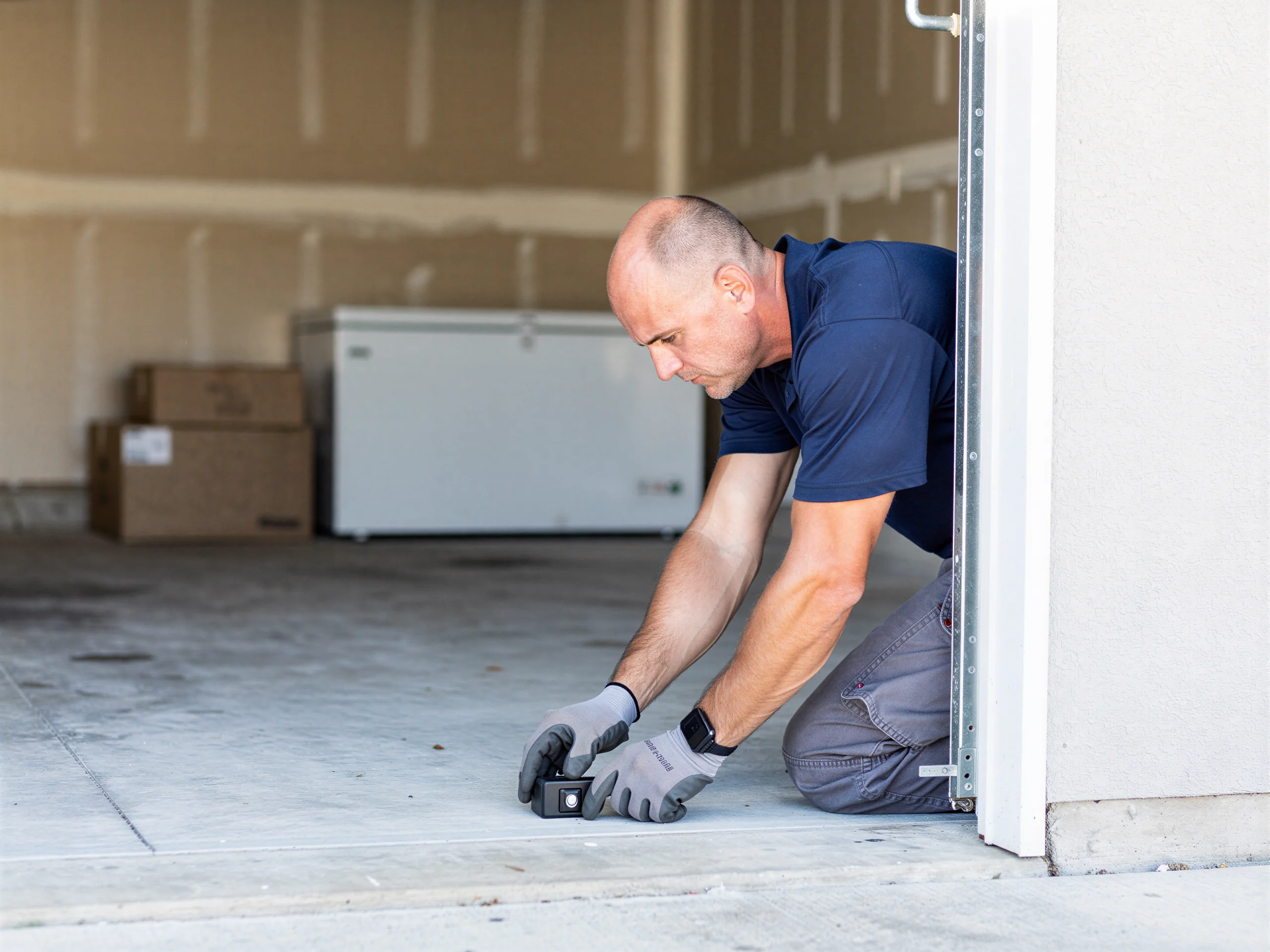
Safety sensor wiring is another one we see often on houses this age, especially where a sensor bracket has been bumped or the wire run has been pinched behind stored items over the years - the opener will reverse or refuse to close, and people assume the opener itself is bad when it's a loose wire.
Chain and belt wear
Chain and belt wear is less common but shows up as a grinding or snapping sound during the cycle. We don't recommend patching a logic board that's already failed once; if it's thrown a second fault, replacement is usually the better call than a second repair.
What Is on the Truck
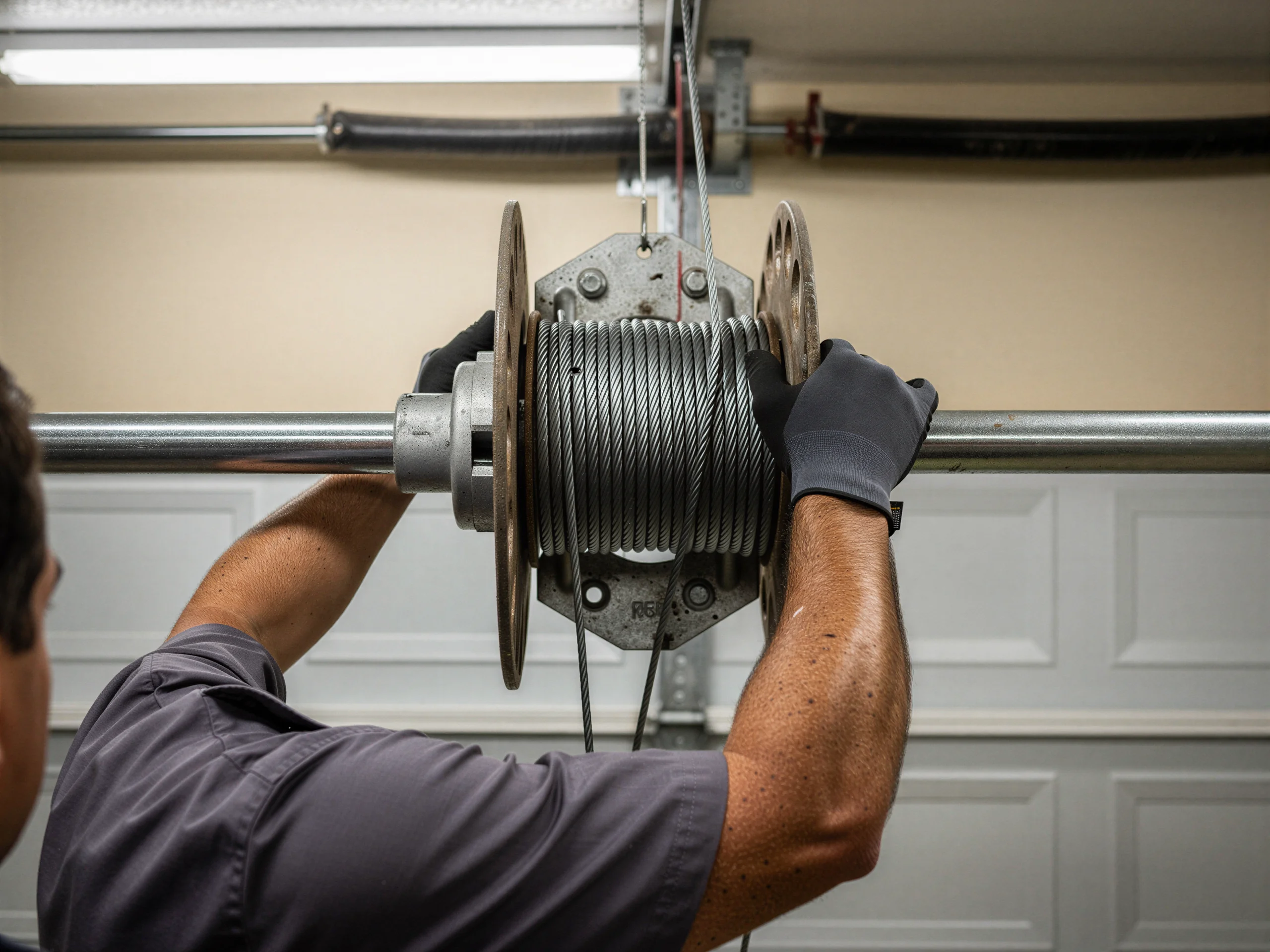
We carry standard replacement logic boards for the common opener brands, drive gear kits, and both chain and belt drive components, since older Temple City garages have a mix of both depending on which era the opener itself was replaced.
Sensors, harnesses, remotes
We stock safety sensor pairs and the wiring harnesses that go with them, along with a range of remotes and keypads to match units that are no longer sold new but are still running in plenty of garages built around 1958.
Pre-sensor openers excluded
What we don't carry are parts for openers so old they predate modern safety sensor systems entirely - if a unit has no photo-eye sensors at all, the right fix is a new opener, not a patched-up original.
No unsafe rigging
We'll tell you that straight rather than try to rig something that doesn't meet a reasonable safety standard for a house with kids or pets in and out of the garage.
Getting It Booked In
We run the truck out from San Dimas, about 14 miles to Temple City, so when you call, tell us the opener brand if you can read it off the unit and what it's doing - won't respond, runs but doesn't move the door, reverses on its own. That lets us bring the right board or gear kit instead of guessing. We don't keep a branch in Temple City itself; every job here is a trip out from the home shop, which is normal for towns at this distance and doesn't change what we can fix once we're on site.
You can see the areas we cover on our area page, and if the issue turns out to be the door itself rather than the opener, our general opener repair page for San Dimas covers more of what that job involves.
What It Costs
We don't have a published price list for opener repair here, and quoting a number without seeing the unit would be a guess, not a fact. What drives the cost on a job like this is usually straightforward: whether it's a gear kit versus a full board, whether the opener brand uses a proprietary board that costs more to source, and whether the job turns into sensor rewiring on top of the original complaint. A gear kit repair is typically the cheapest fix we do; a board replacement costs more because of the part itself, not the labor.
With a median household income of $102,449 in Temple City, close to the $104,565 median across the wider service area we cover, most of what we see here are repair jobs on openers that are worth fixing rather than replacing outright - the hardware from this era was built solidly enough that a board or gear swap usually makes more sense than starting over.
Doing It Yourself
Before you call anyone, there are a few things worth checking yourself. Pull the manual release cord and see if the door moves freely by hand - if it's heavy or binds, the problem is probably the door or springs, not the opener, and no opener repair will fix that.
Remote versus wall test
Check that the wall button and remote both fail the same way; if only the remote quits, that's a battery or a reprogramming job, not a board replacement. Look at the two sensors near the floor on each side of the track.
Sensor lens and alignment
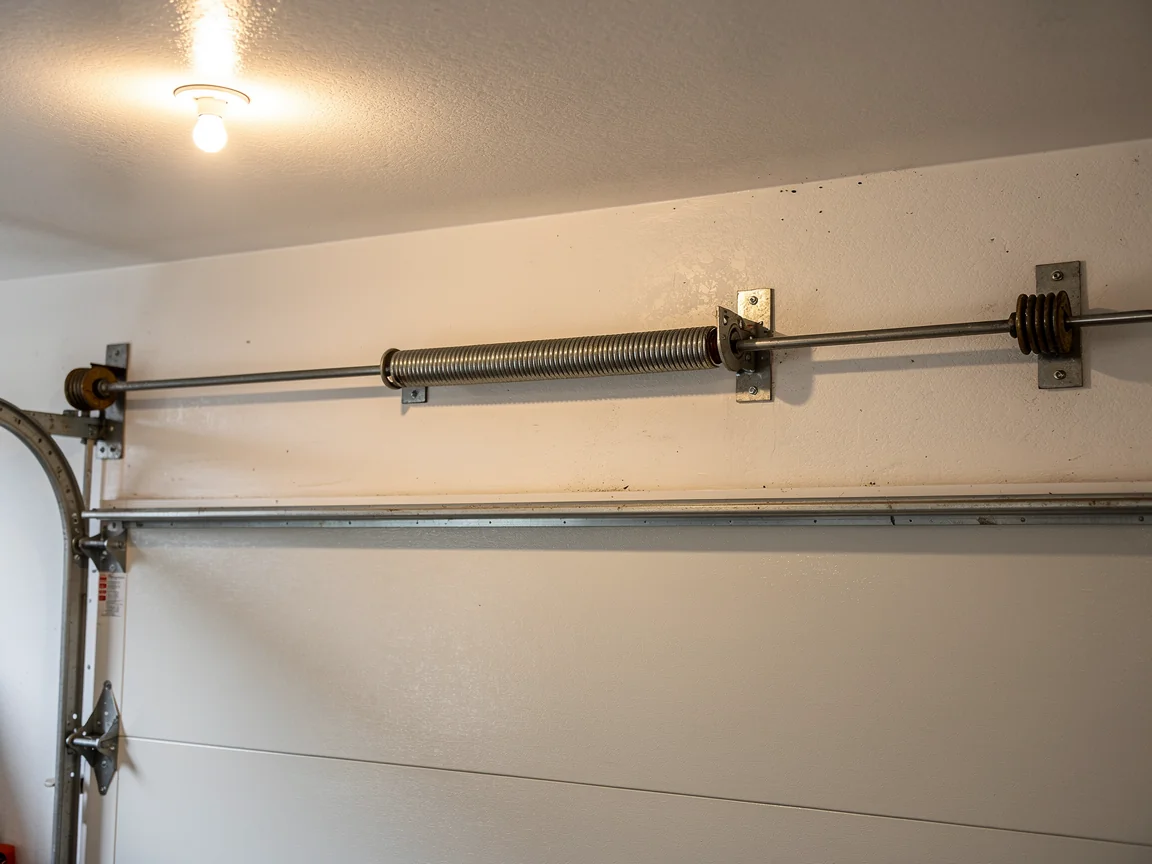
If the opener runs the lights but won't close, a sensor that's knocked out of alignment or has a spider web across the lens is the usual reason, and straightening it yourself costs nothing. What we don't recommend DIY-ing: opening the opener housing to get at the circuit board, or working on anything connected to a wound torsion spring.
Capacitor and spring hazards
Boards carry capacitors that hold a charge after you unplug the unit, and spring tension on an older bracket can let go without warning. If the cord-pull and sensor checks don't solve it, that's the point to stop and call someone who does this for a living.
Talk to a local pro
Garage door service in San Dimas?
Same-day service with honest, upfront quotes.