Why It Happens Here
A door built around the Temple City area's 1958 median construction date sits on hardware that predates the wider range of housing across the rest of the service territory, which runs from 1943 up through 1987. Older track brackets were set with fewer anchor points into the jamb, and over decades of wood shrinkage and minor settling those brackets loosen. The moderate heat band this part of the region sits in doesn't crack doors the way freeze-thaw cycles do elsewhere, but it does make steel track rails expand slightly on hot afternoons - enough, on a track that's already a few degrees out of plumb from age, to let a roller walk out of the channel. It's a slow problem that shows up as a sudden one: the door looks fine for years, then jumps the track on an ordinary Tuesday.
What Can Go Wrong
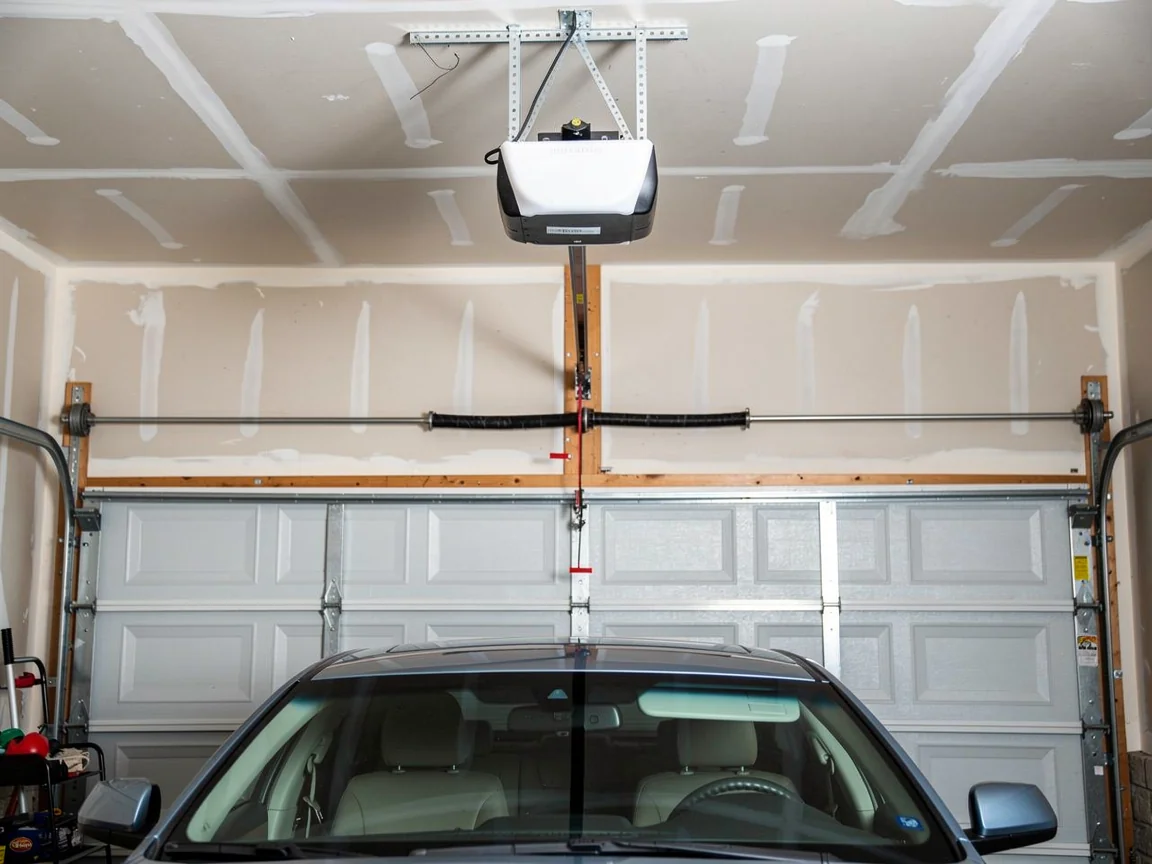
On a door this old, off-track rarely means just the track. The rollers themselves are often the original stamped-steel kind, worn oval instead of round, which is part of why they ride up and out of the rail in the first place.
Rusted drums uneven tension
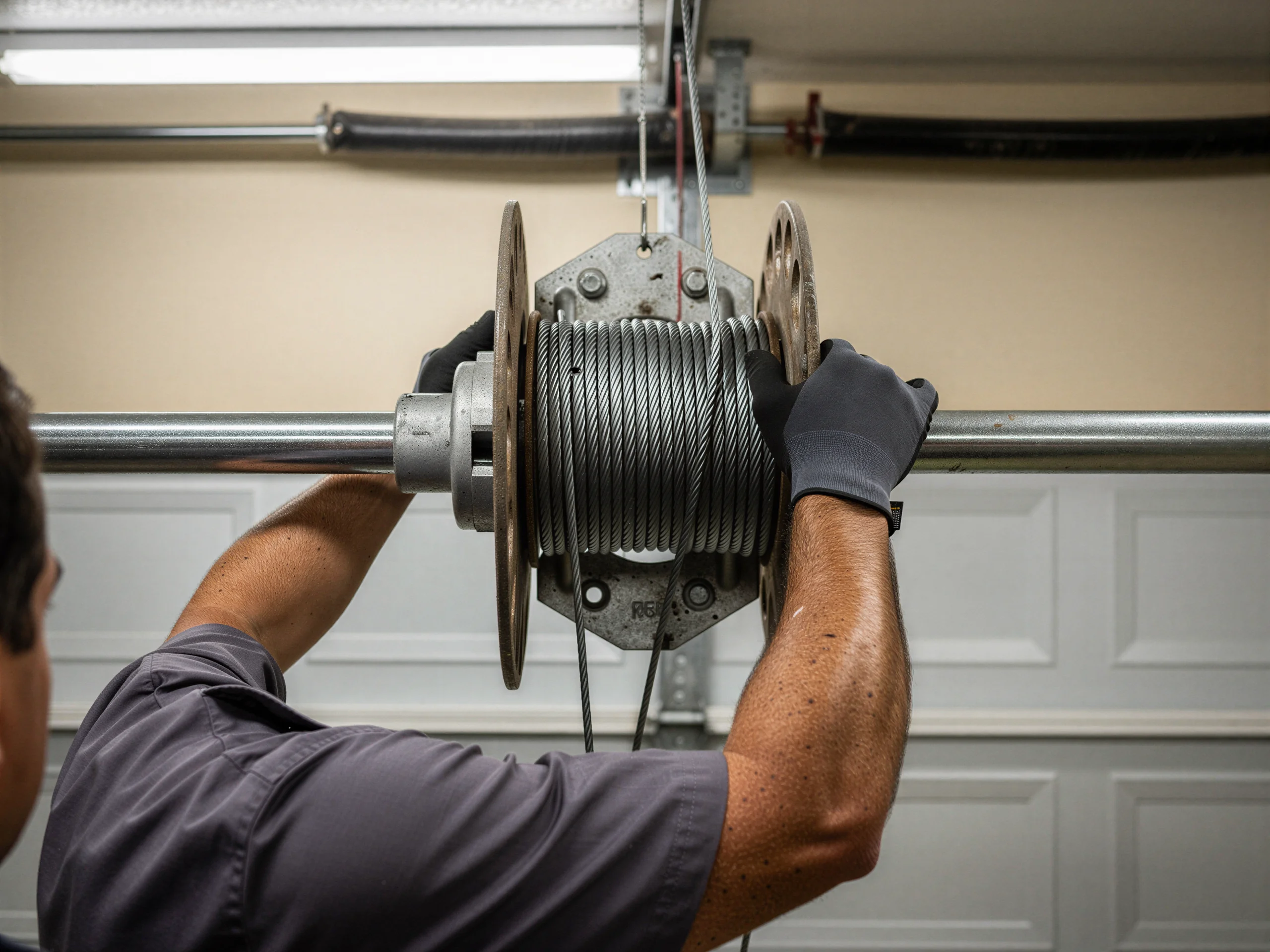
The cable drums can be rusted enough that reseating the door puts uneven tension on one side, which looks like a quick fix but comes back within weeks.
Bent track replaced
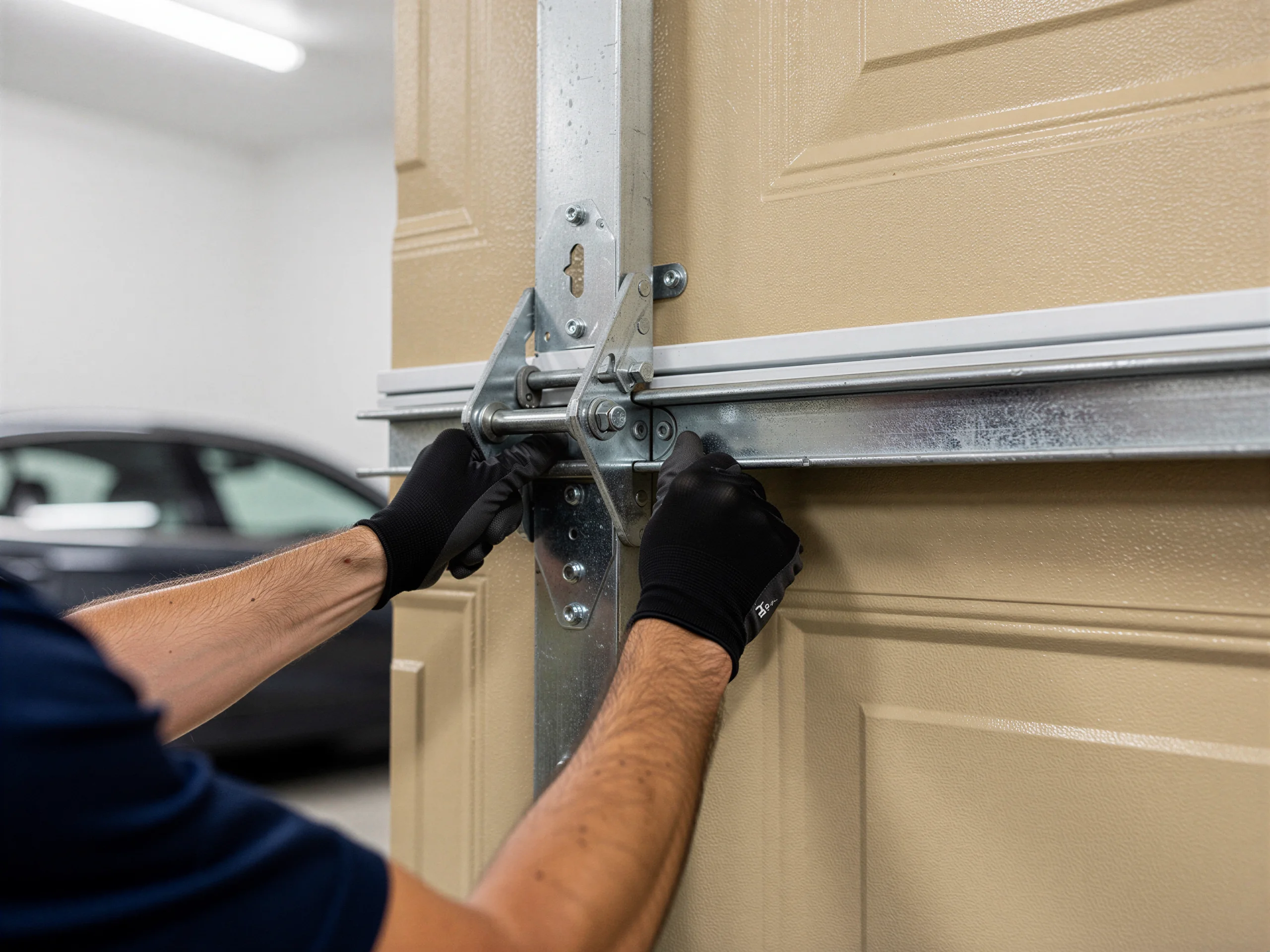
Bent track is common, especially near the bottom bracket, and a bent section has to be replaced, not hammered straight - a straightened rail rarely holds a true line twice.
Panel gauge matching
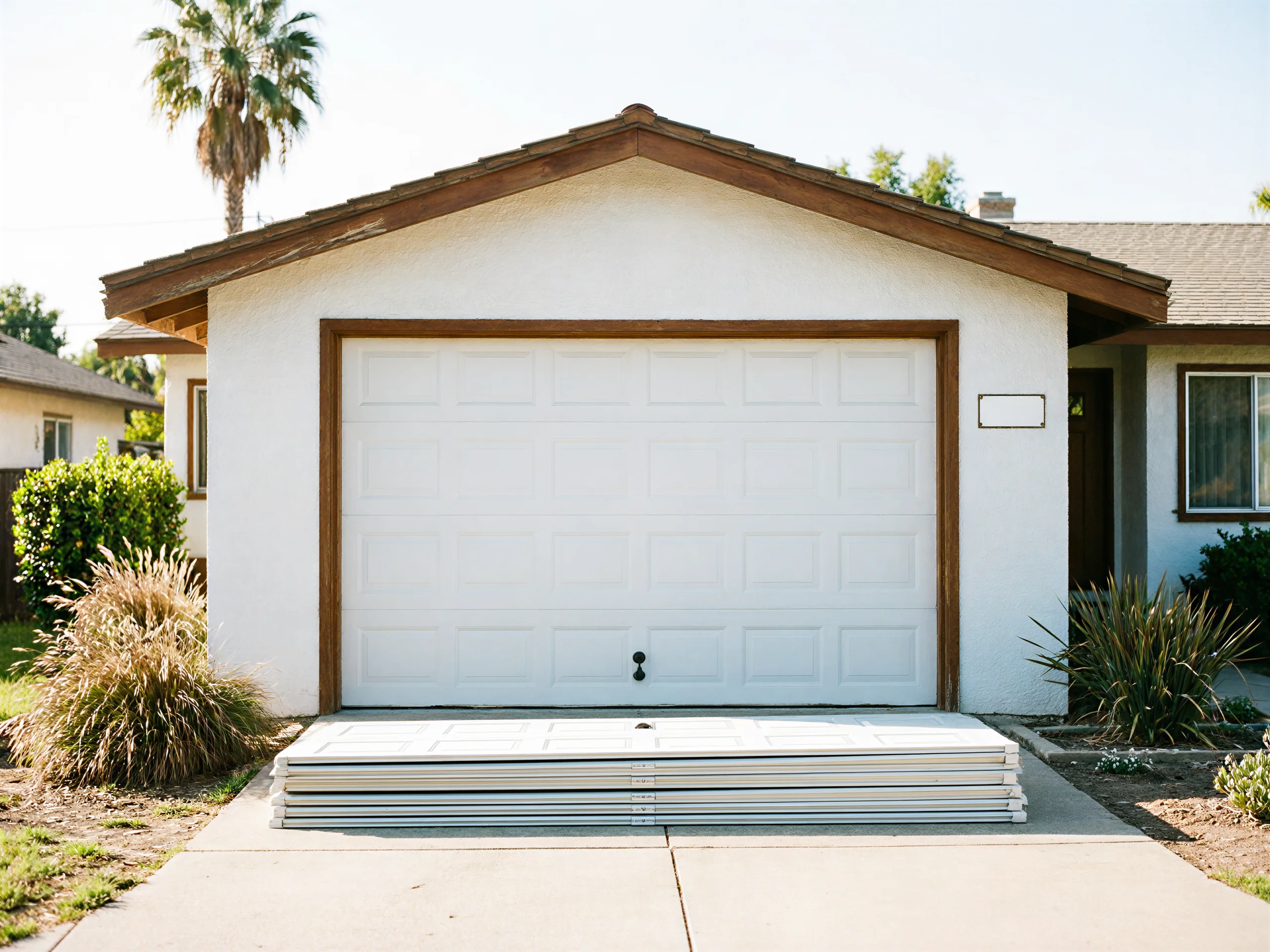
Door panels from this era are also heavier gauge steel than what's sold now, so if a panel face got dented when it jumped the track, matching it isn't always possible and the honest answer is sometimes a new section rather than a patch.
What Is on the Truck
For an off-track call in this area we carry replacement roller sets in a few sizes, since stock rollers on 1950s-era doors don't match what ships with newer sectional doors. We carry short runs of standard track in common widths for a straight bracket swap, along with lag bolts long enough to bite into older jamb framing that's seen some shrinkage. Cable and drum stock covers the common gauges used on single and double doors from that build period. What we don't carry is custom-width track or discontinued panel sections - if the door needs a specific obsolete part, that sometimes means a short wait on order rather than a same-visit fix, and we'll tell you that up front rather than quote a job we can't finish.
Getting It Booked In
We run this call out of San Dimas, about 14 miles from Temple City, so there's a drive built into the job - we're not a branch sitting around the corner.
Share track status on call
When you call, tell us whether the door is fully off the track or partially caught, whether the opener is still engaged, and roughly how old the door is if you know it. That lets us bring the right roller and track stock instead of guessing.
Moderate income, simple swaps
Temple City households run close behind the rest of the area on income, with a median around $102,449, which doesn't change the repair but does mean most of these jobs are straightforward hardware swaps rather than last-resort patch work on a door nobody can afford to replace.
What It Costs
We don't have a fixed number to post here that would mean anything across every door we see in Temple City - a worn roller swap and a bent-track-plus-cable job are not the same bill, and quoting one figure for both would be a guess, not a price. What we can say is that the age of the door usually sets the range: original hardware from the late 1950s tends to need more replaced at once because the rollers, track, and cables wore down together, not one at a time. We'll look at the door, tell you what's actually bent versus just worn, and give you a number before any work starts.
Doing It Yourself
Most garage doors in Temple City went up around 1958, and that means a single steel sectional panel hung on narrow-gauge tracks with rollers that were never built for daily cycling over sixty years.
Avoid shoving door back
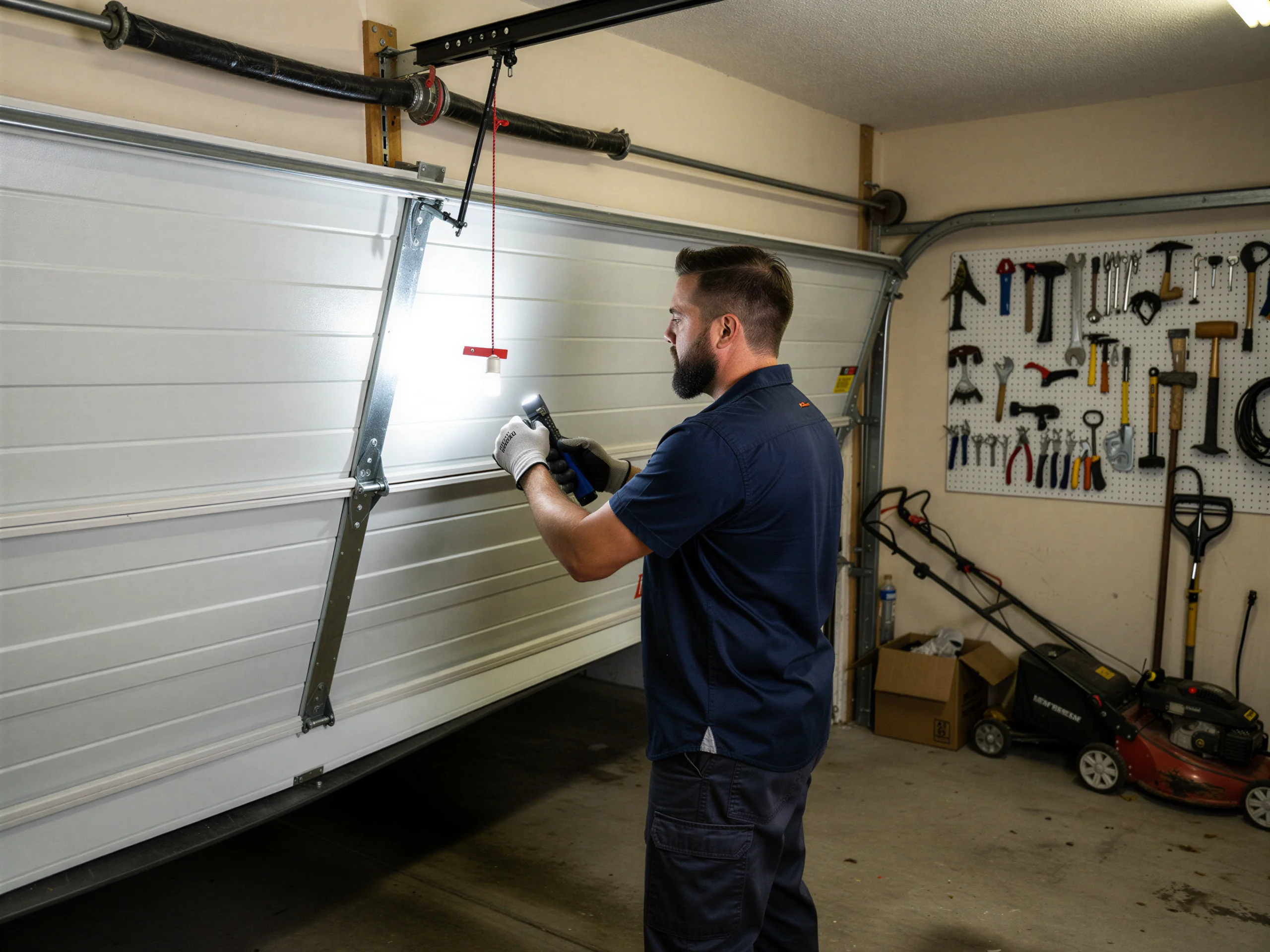
When one of these doors jumps the track, the first instinct is to grab the bottom edge and shove it back into the rail. Don't. A door that age is heavier than it looks, the track is thinner than a modern one, and a shove can bend the rail further or pull a cable off a drum that's already worn thin.
Unplug before anything
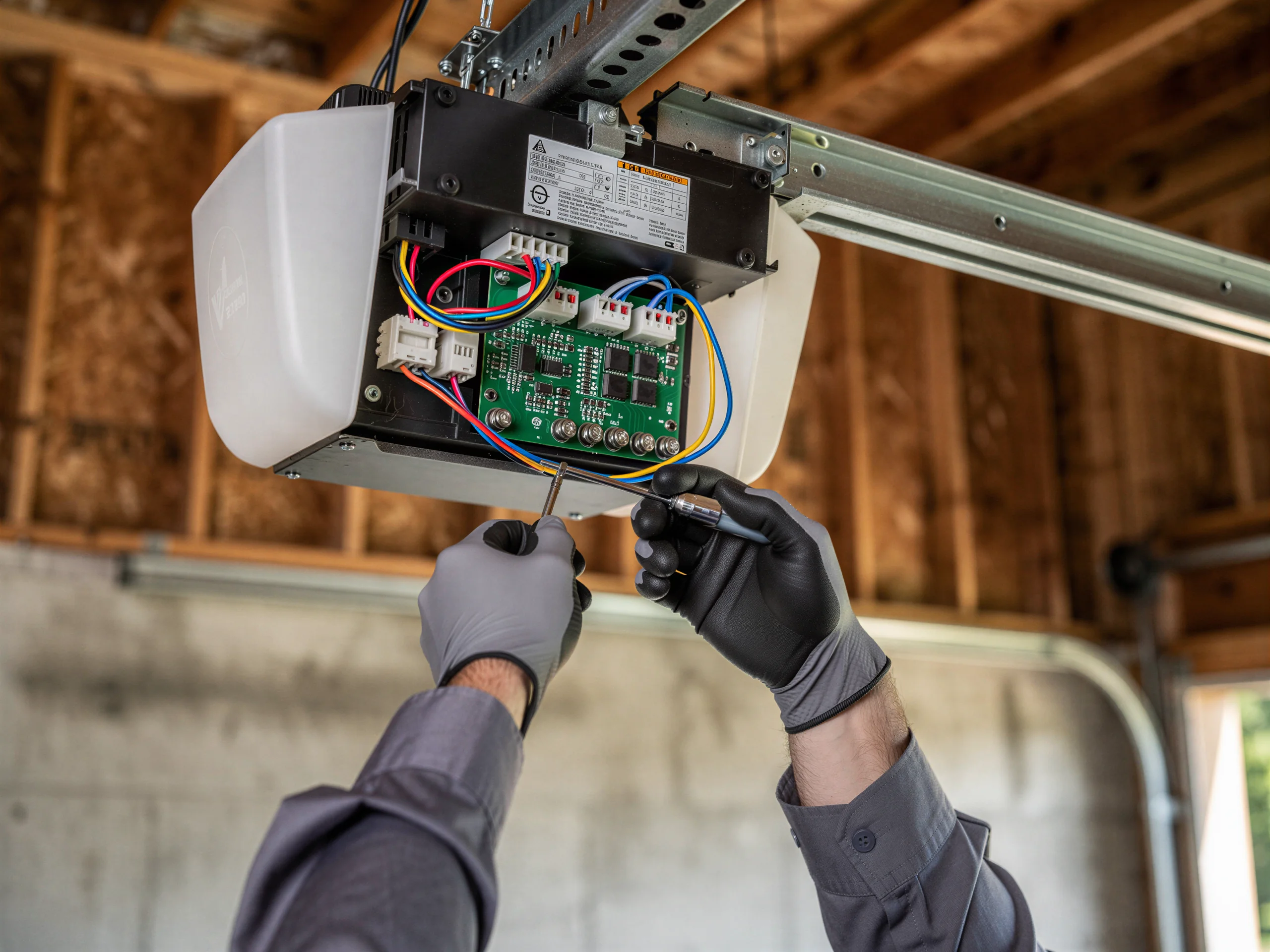
If the door is only partway off and the opener is still trying to pull it, unplug the opener first. If a cable has snapped or a spring looks stretched or twisted oddly, leave it alone entirely - that's stored energy, not a bent-track problem, and it's a different repair.
Slow manual close
Closing the door by hand, slowly, after disconnecting the opener is the one thing worth trying before you call. Beyond that, forcing it risks turning a track repair into a full panel replacement.
Talk to a local pro
Garage door service in San Dimas?
Same-day service with honest, upfront quotes.