
Why It Happens Here
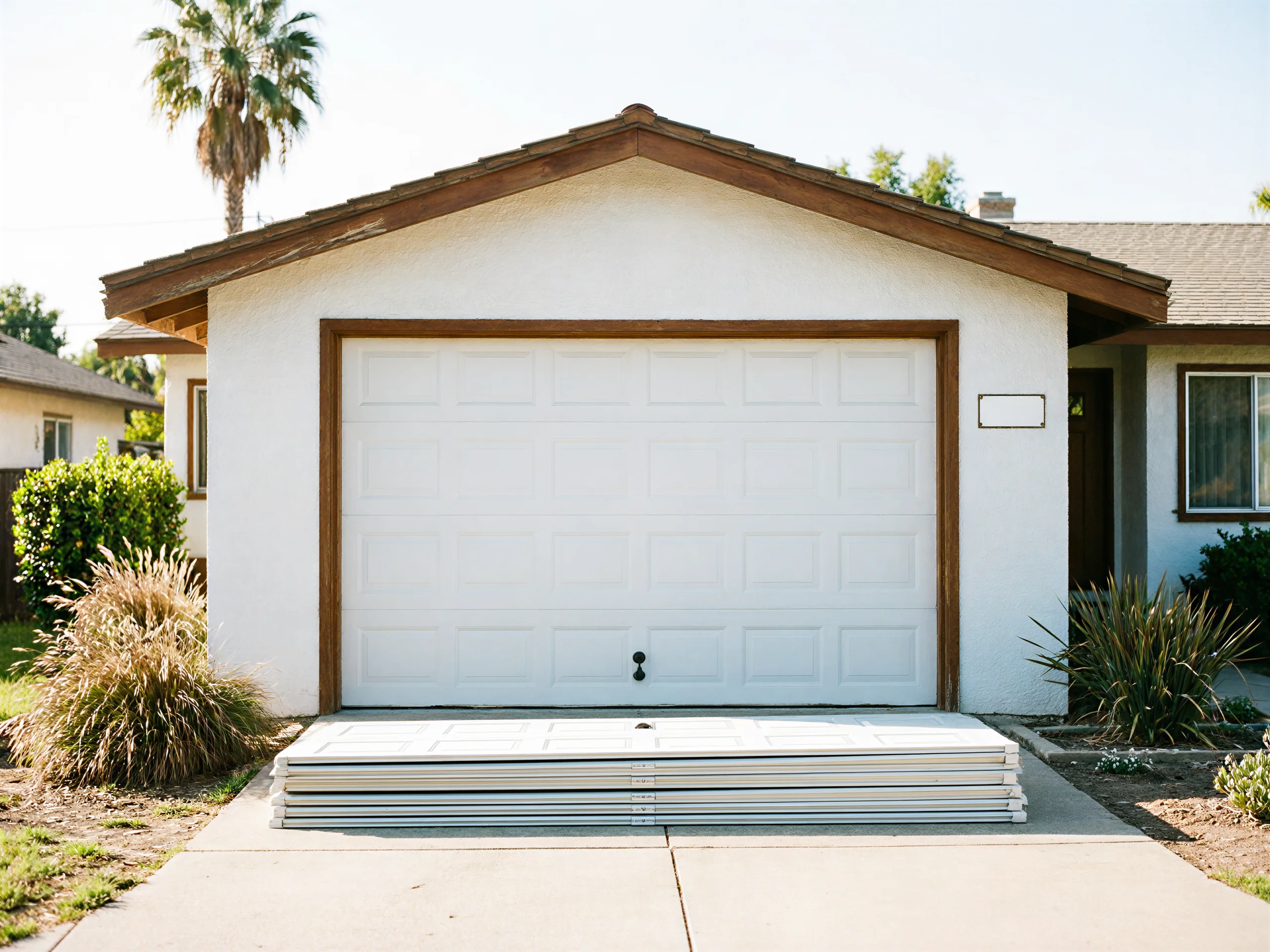
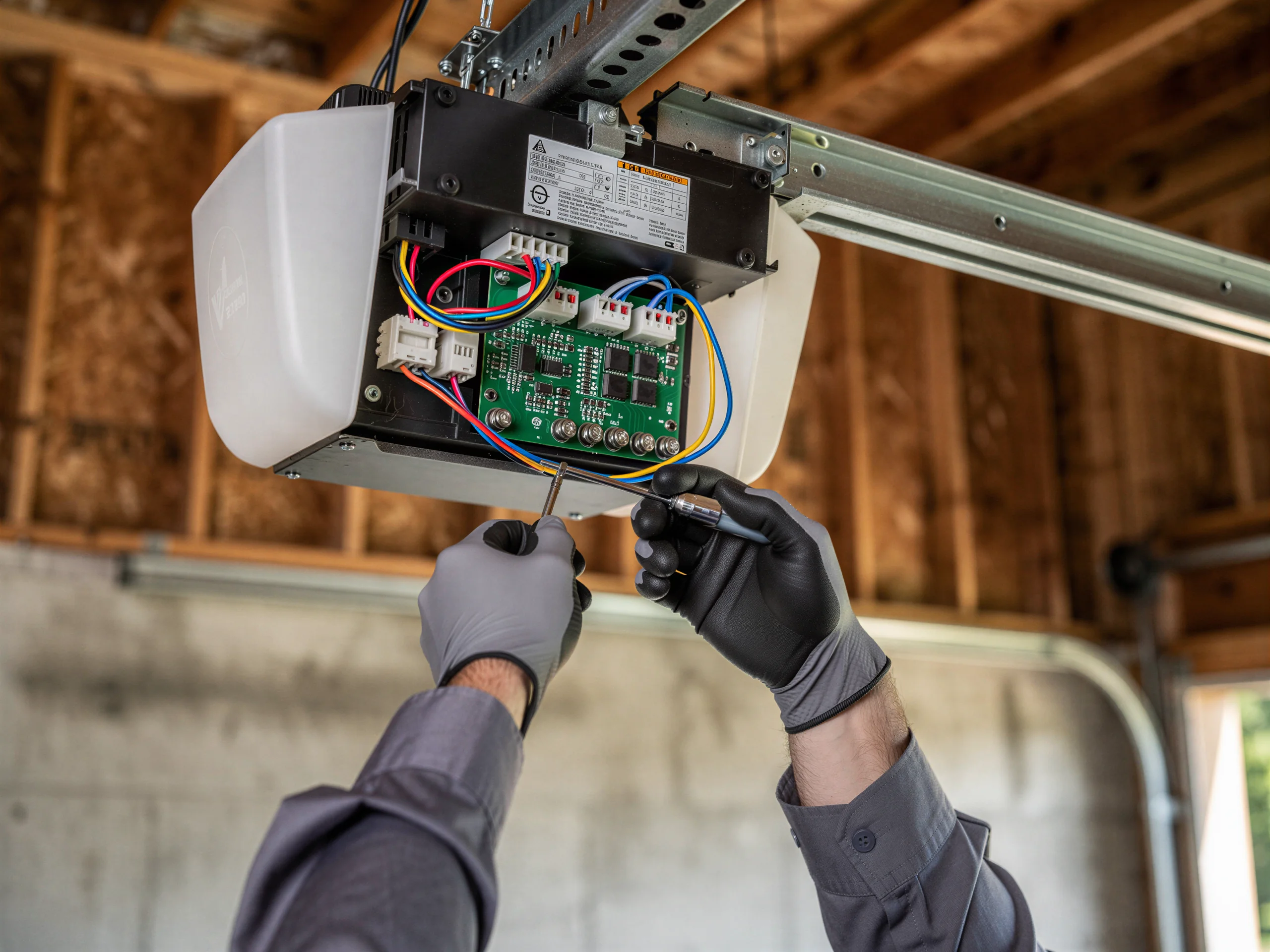
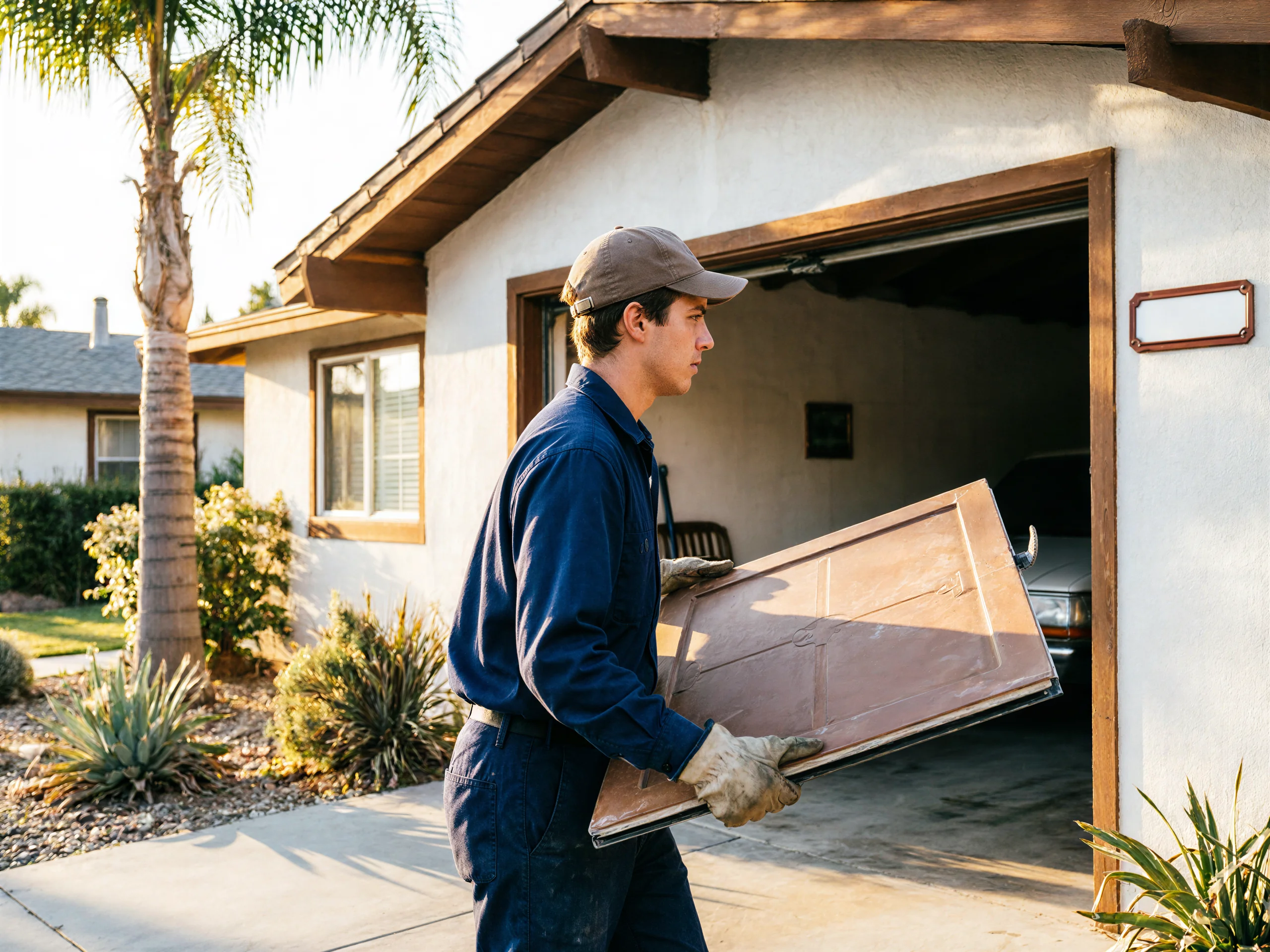
Temple City's housing stock clusters tightly around 1958, which puts a lot of these garages in the same window as the broader service area's 1943-1987 range - but closer to the older end of it. Doors from that era were built for lighter panel weight and simpler hardware than what's sold today, and when a homeowner replaces a worn panel or opener without updating the spring sizing to match, the mismatch shows up as premature wear somewhere else in the system. With a median household income of $102,449 in Temple City, replacement isn't usually a budget problem - it's more that nobody thought about the door until it stopped working. The area's moderate heat band means the hardware isn't fighting extreme temperature swings, so when something fails here, it's almost always age and cycle count catching up with original parts, not weather damage.
What Can Go Wrong
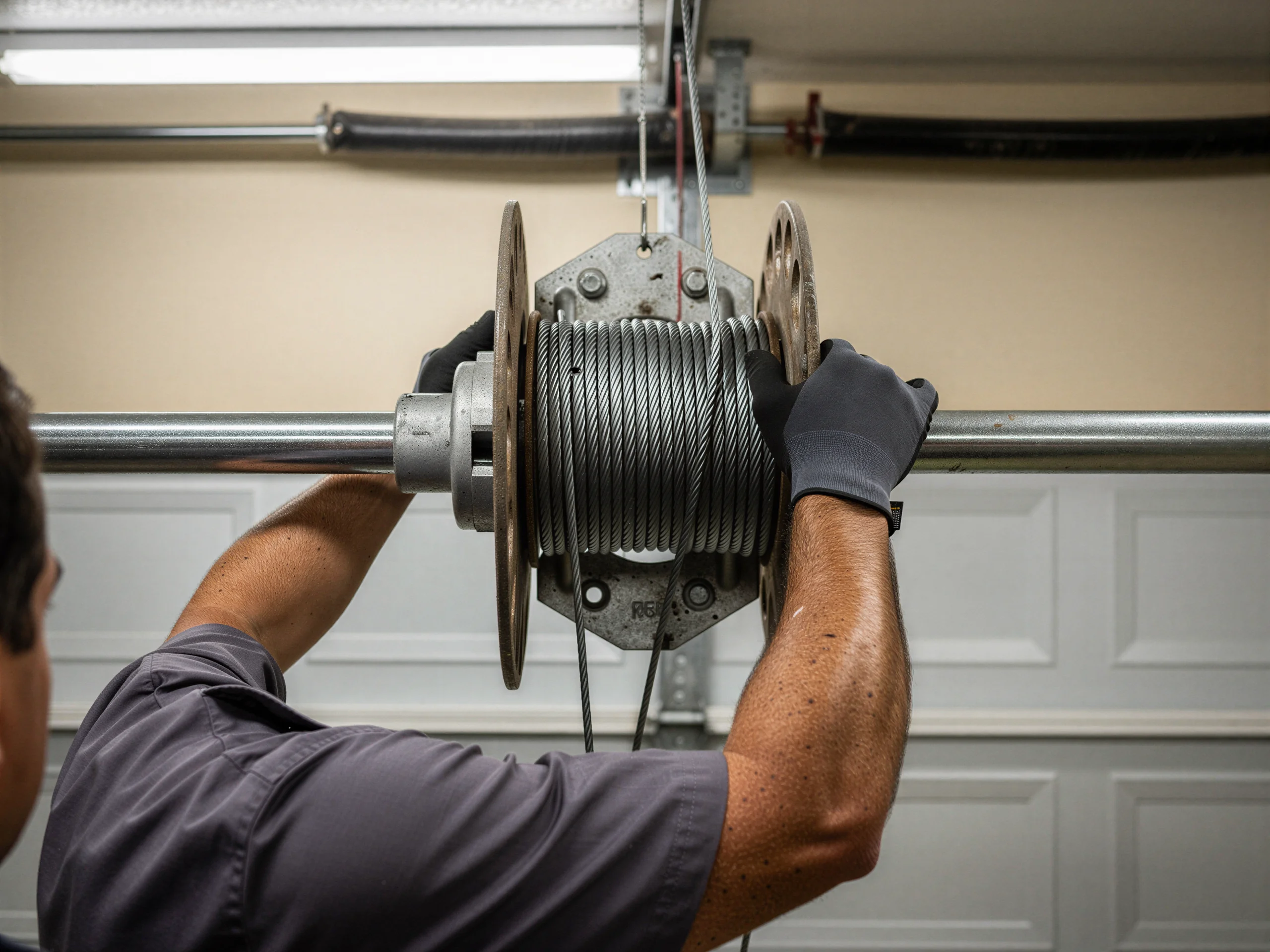
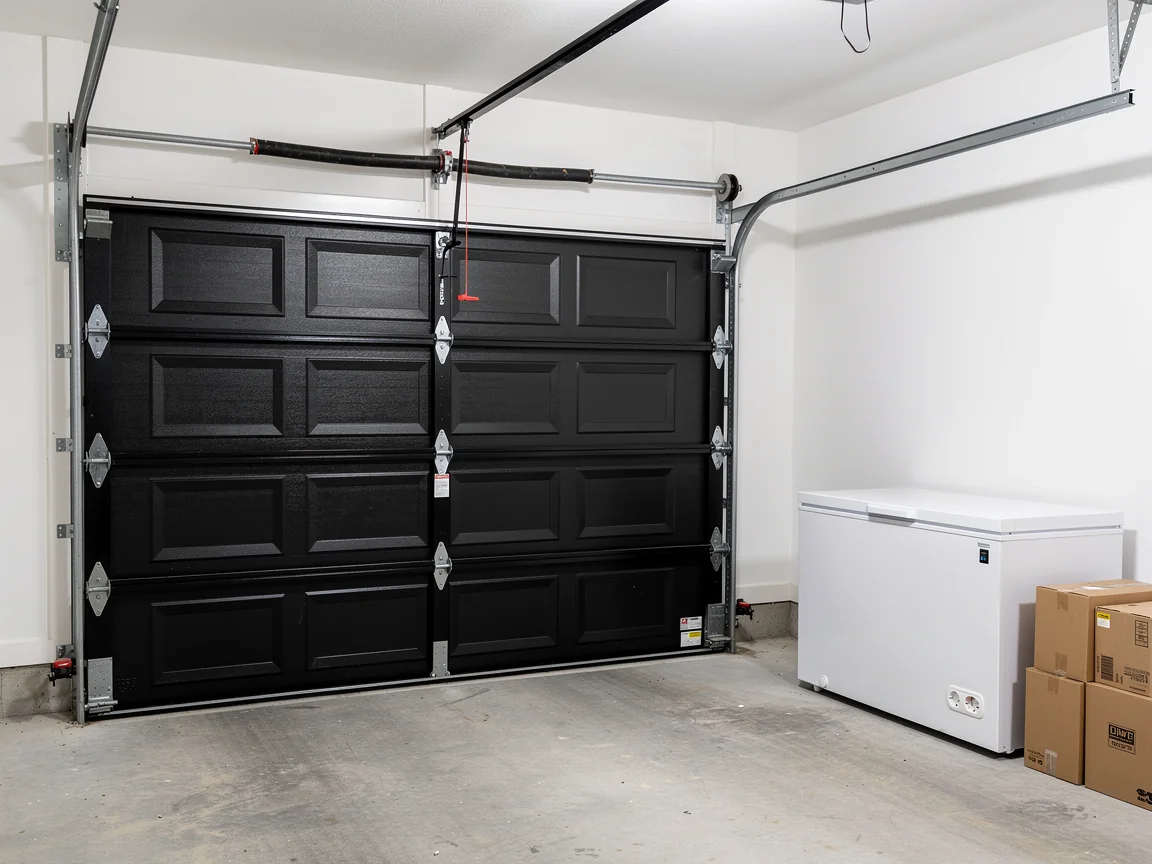
On a door this old, the failure points are predictable. Torsion springs rated for 1950s-60s door weights are well past their cycle life by now, and a snapped spring on a door that's never been serviced usually means the cable on one side has also stretched past safe limits.
Steel rollers wear tracks
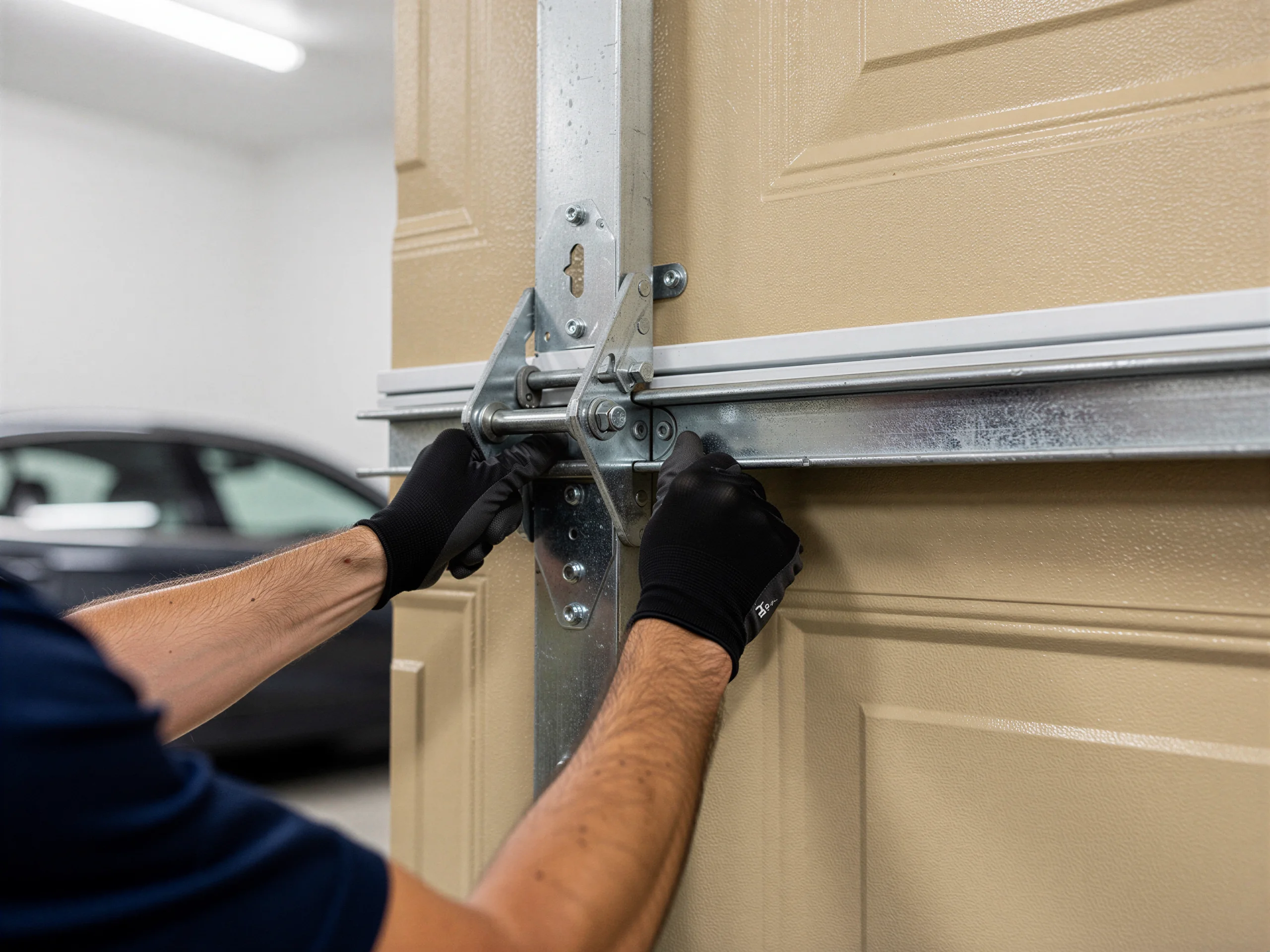
Rollers on original tracks tend to be steel, not nylon, which means more noise and more wear on the track itself over the decades.
Force settings left unadjusted
Opener units installed as a retrofit sometimes don't have the force settings adjusted for the door's actual weight, which strains the drive gear. None of this is exotic - it's just what happens when hardware sized for a 1958 door keeps running past 2020.
What Is on the Truck
The truck that comes out from San Dimas carries torsion springs across the common sizes for older single and double doors, standard-size rollers and cable, and the basic opener parts - drive gears, sensors, remotes - that cover most retrofit units found in older neighborhoods. What it doesn't carry is everything: a specialty panel for a door model long out of production, or a custom-width spring for an unusual opening, isn't something kept on hand. Those get ordered, and that can mean a short wait. On a standard maintenance visit - spring check, lubrication, track alignment, hardware tightening - the parts needed are almost always already on the truck.
Getting It Booked In
Temple City is about 14 miles from San Dimas, so a maintenance visit is scheduled rather than same-day drop-in.
Simple booking process
Booking is straightforward: describe what the door is doing, or not doing, and whether it's an original setup or something that's already been partly replaced.
Quick look reveals hardware age
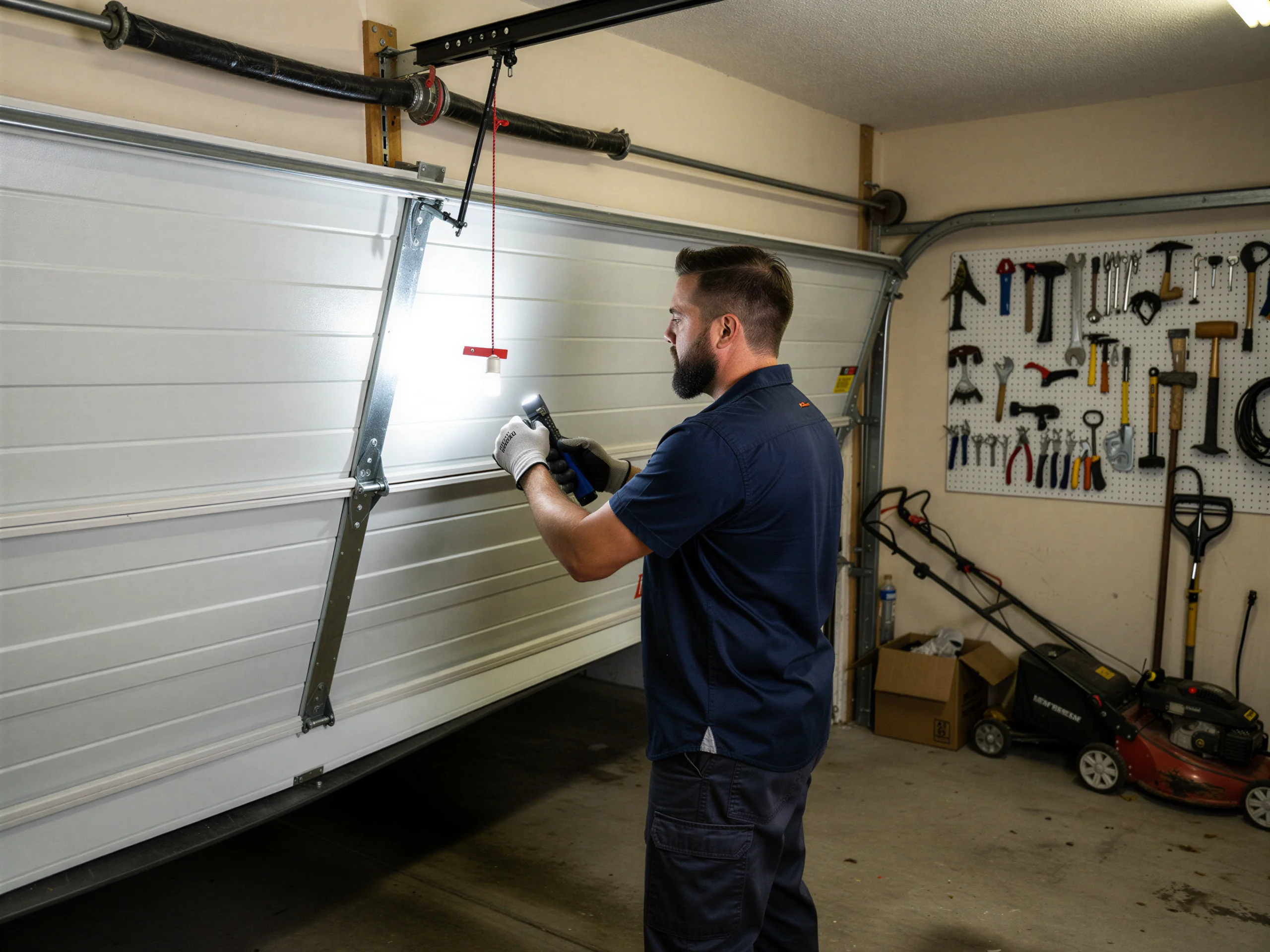
If you're not sure how old your hardware is, that's fine - a quick look at the spring and track tells a technician most of what they need to know on arrival.
What It Costs
A straightforward maintenance visit - inspection, lubrication, adjustment, tightening hardware - costs less than replacing a part that's failed outright, which is the whole case for doing it before a spring lets go. Pricing depends on what the door needs once it's actually looked at, since a door that's never been serviced often needs more adjustment than one that gets checked yearly. We don't quote a flat number sight unseen because a 1958 door with original hardware and a 1985 door with a retrofit opener are not the same job, even if they're both called maintenance.
Doing It Yourself
If your house in Temple City was built anywhere near the neighborhood's 1958 median, there's a decent chance the torsion spring, the track brackets, and maybe even the opener chain have never been swapped out.
Original hardware longevity
That's not unusual for the area - a lot of the original hardware just keeps running until it doesn't. What you can check yourself without tools: pull the emergency release and see if the door moves smoothly by hand (it should take one hand, not two).
Coil gap and flat spots
Look at the spring for visible gaps between coils when the door is down - that's stretch, not normal wear. Check the bottom rollers for flat spots or rust streaks on the track.
Spring stays untouched
None of that requires loosening a bolt, and none of it should involve touching a torsion spring under tension - that part is not a do-it-yourself job, full stop, regardless of how old the parts are. If the door is noticeably heavier to lift by hand than it used to be, that's a spring losing tension, and it's worth a call rather than a guess.
Talk to a local pro
Garage door service in San Dimas?
Same-day service with honest, upfront quotes.