Why It Happens Here
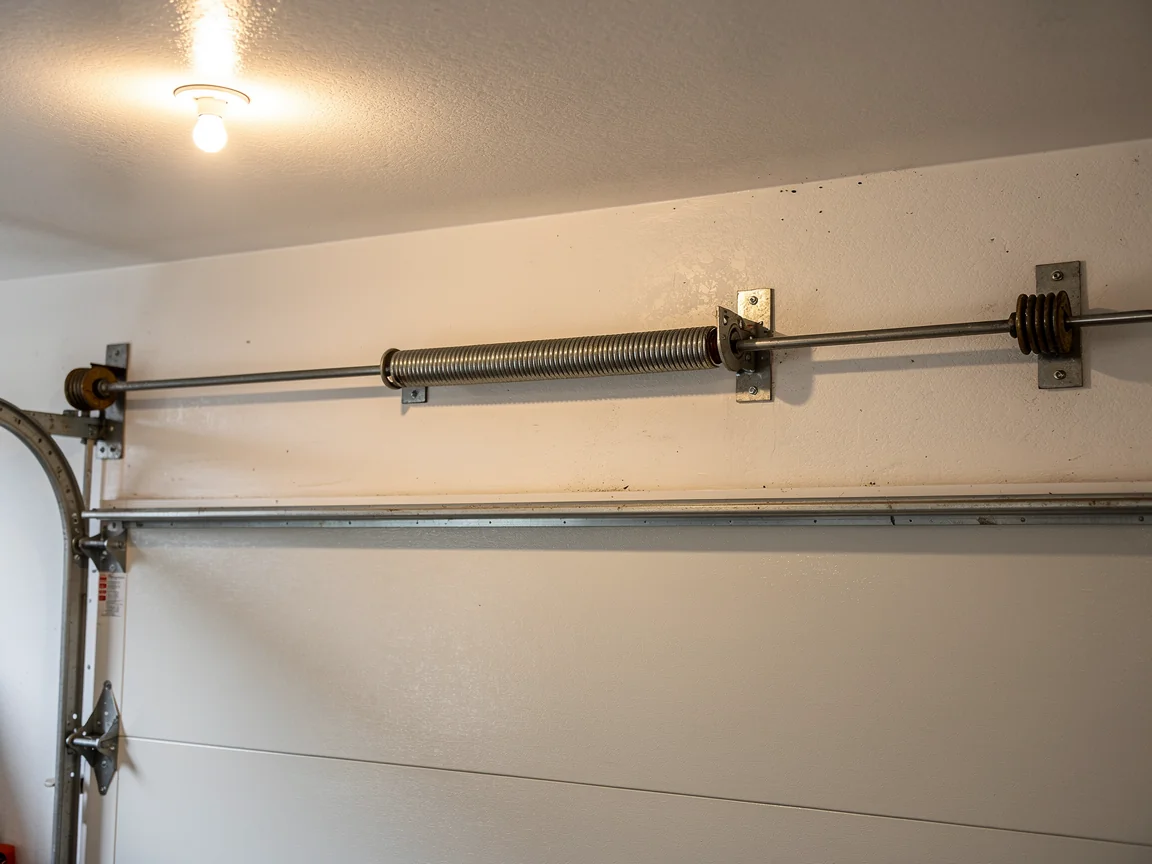
Norco's housing mostly dates to around 1974, which puts a lot of doors squarely in the stretch when extension-spring systems with horizontal track runs were standard on single and double garages alike. That's different from the torsion-spring-over-header setups more common on older stock elsewhere in our coverage area, and it's different again from the heavier torsion systems that came standard on newer doors built after codes tightened up. The hardware that was normal for a 1974 build is now old enough that springs are near or past their cycle life, and a lot of those original setups never got the safety cable retrofit that became common practice later.
Climate here sits in the moderate-heat band for this region, so we're not dealing with the kind of extreme swings that crack panels or warp wood doors outright. The failures we see are mechanical and age-driven - spring fatigue, roller wear, track bends from decades of use - rather than weather damage. With around 6,776 households in town, it's a smaller market than some of the other 27 areas we cover, but the hardware pattern from that mid-1970s build wave is consistent enough that we know what to expect before we open the truck.
What Is on the Truck
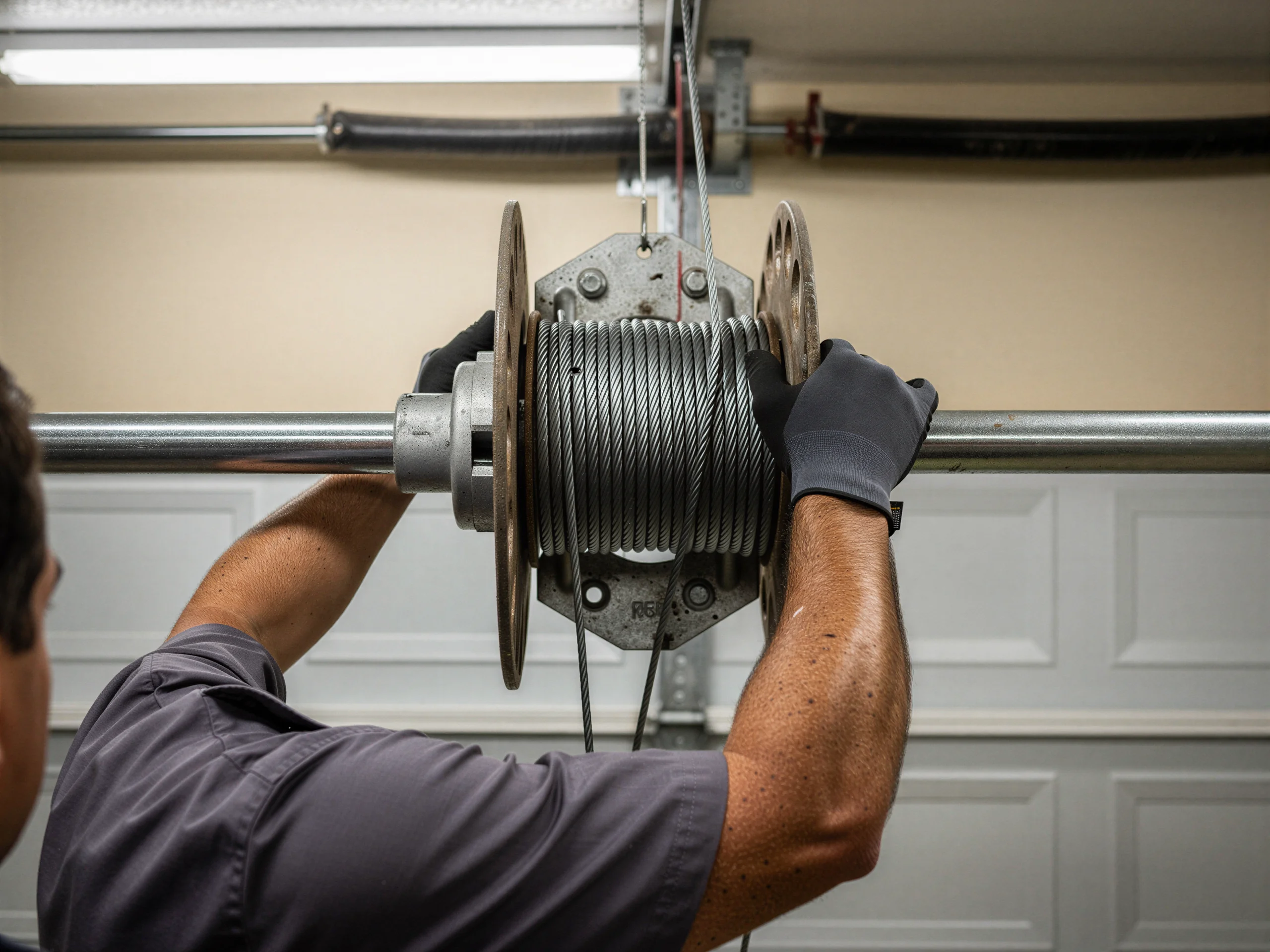
For a Norco call we stock extension spring pairs in the common wire gauges and lengths that match mid-1970s door weights, along with the safety cables that should run through them - those get added on almost every older extension-spring job we do out this way, whether the homeowner asked for it or not.
Nylon and steel rollers
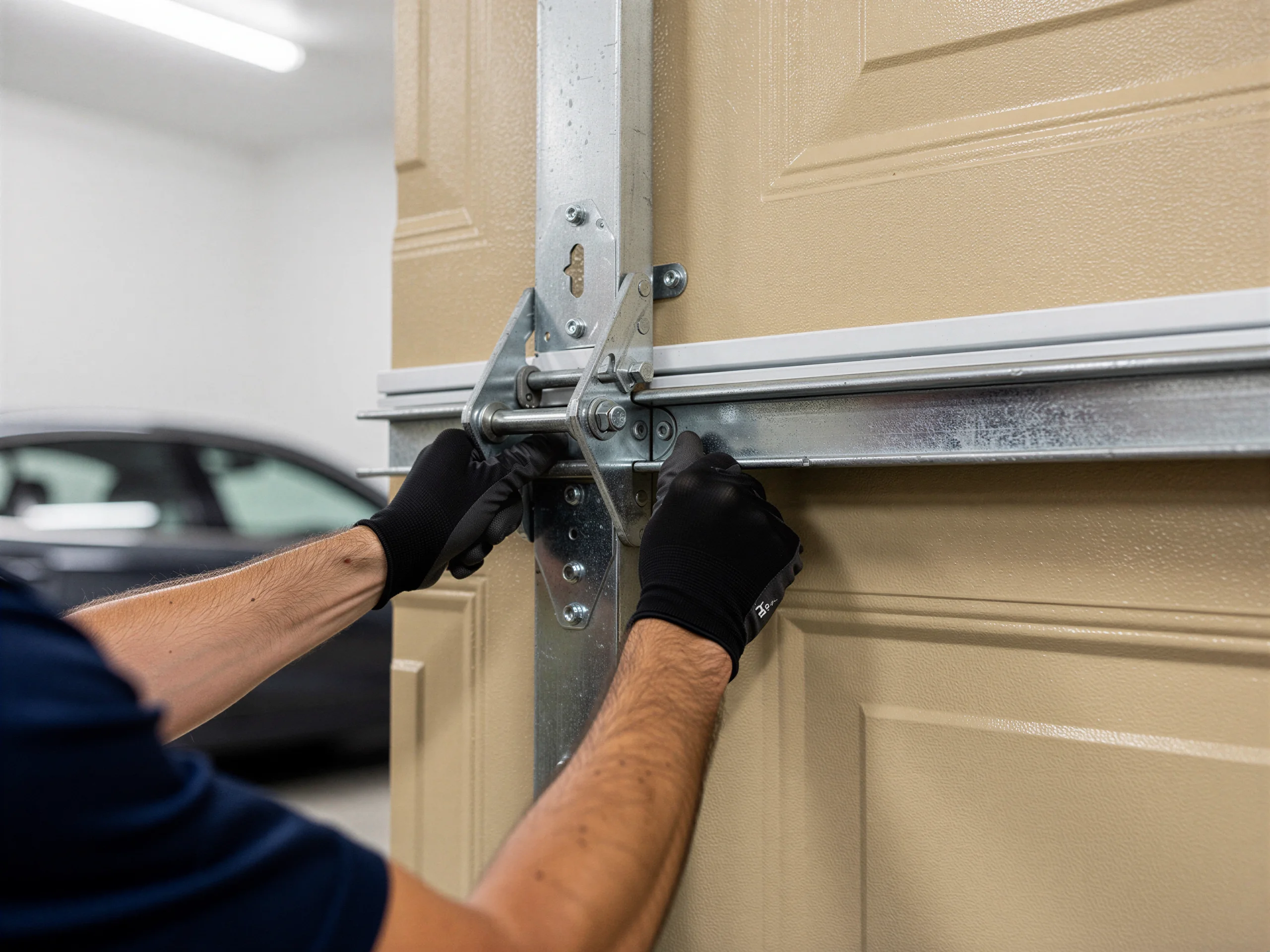
We carry replacement rollers in both nylon and steel, since track wear is the other recurring issue on doors this age, plus track sections for when a rail is bent enough that patching it isn't worth the labor.
Photo-eye sensor kits
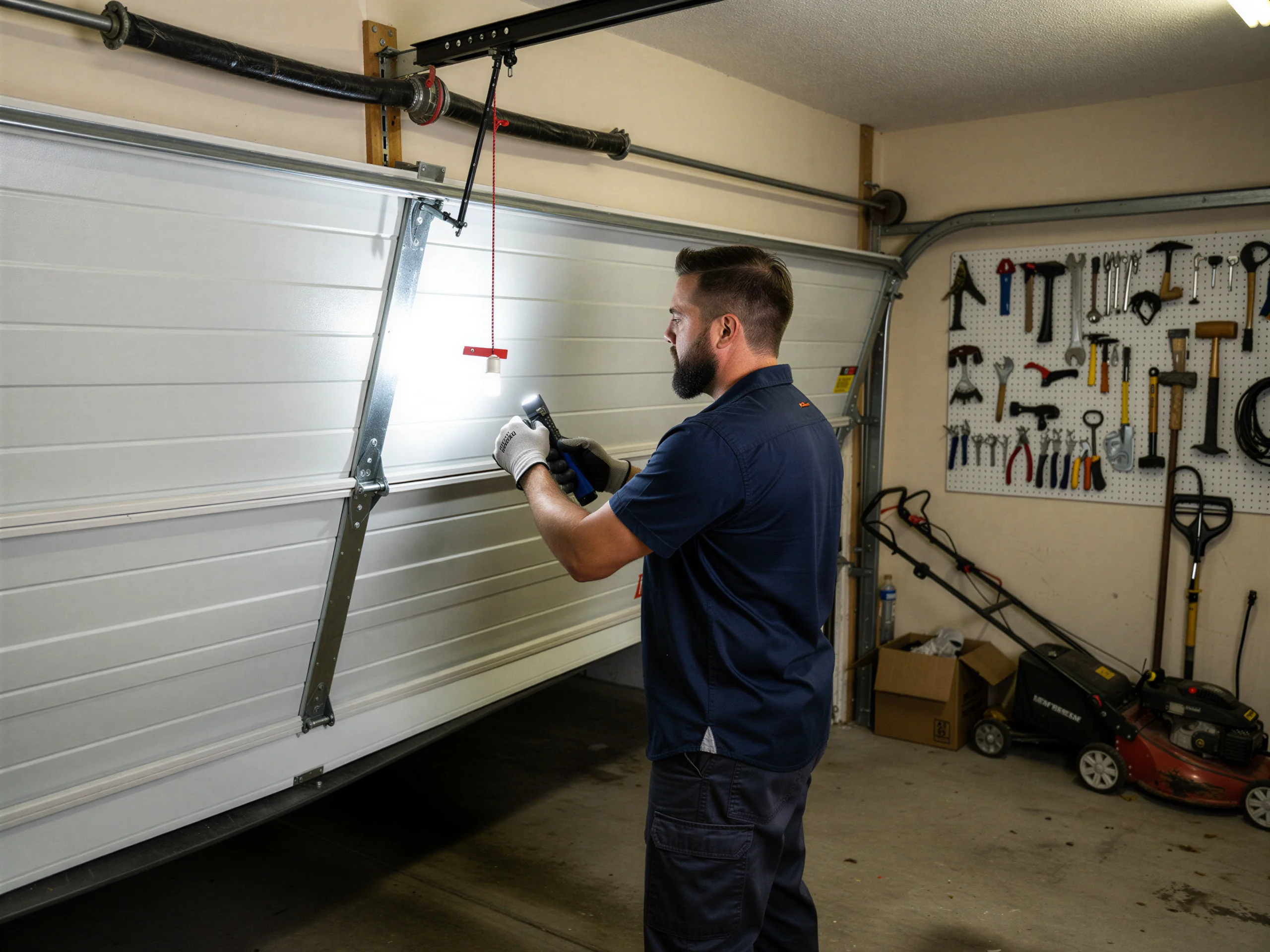
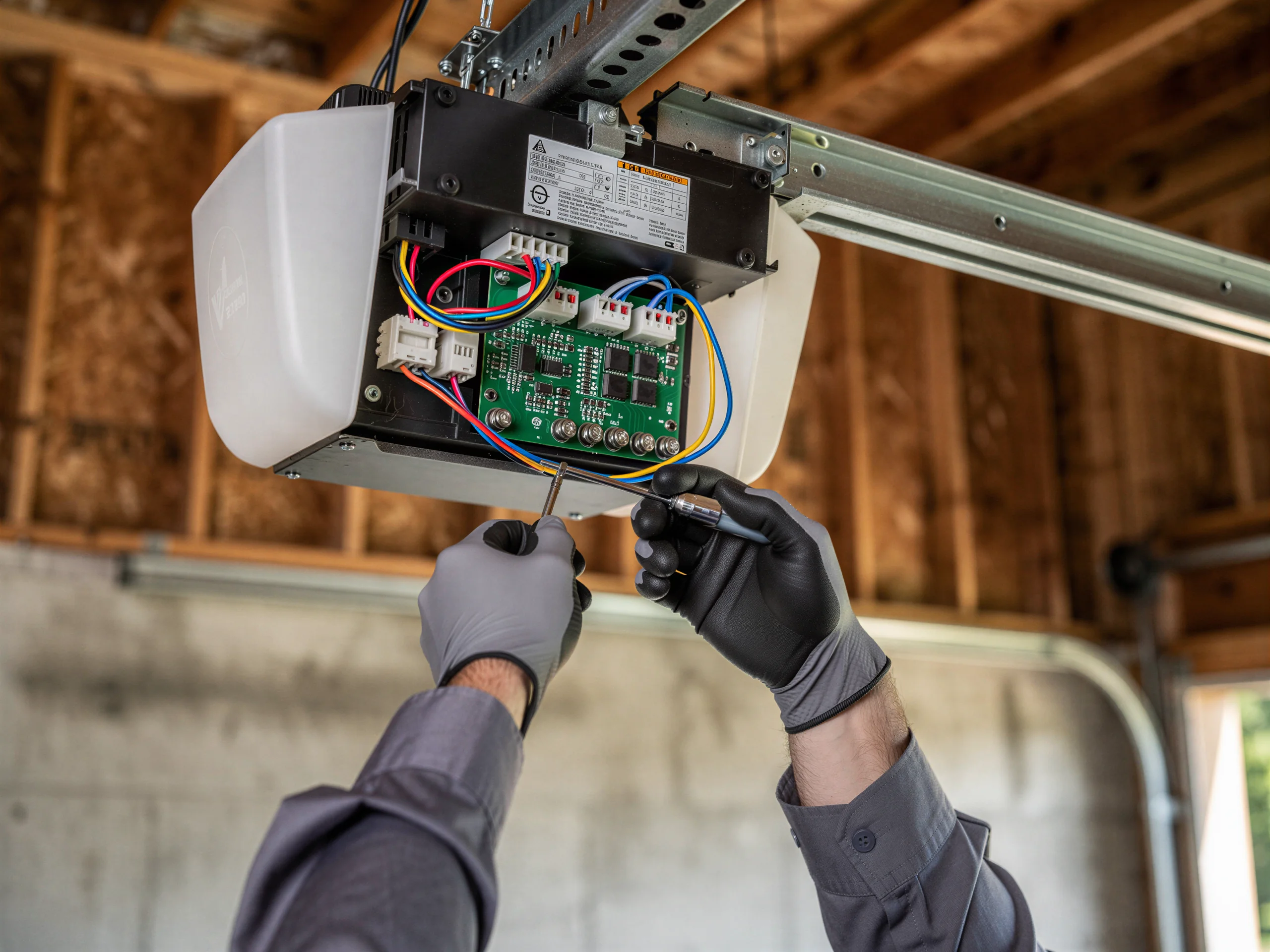
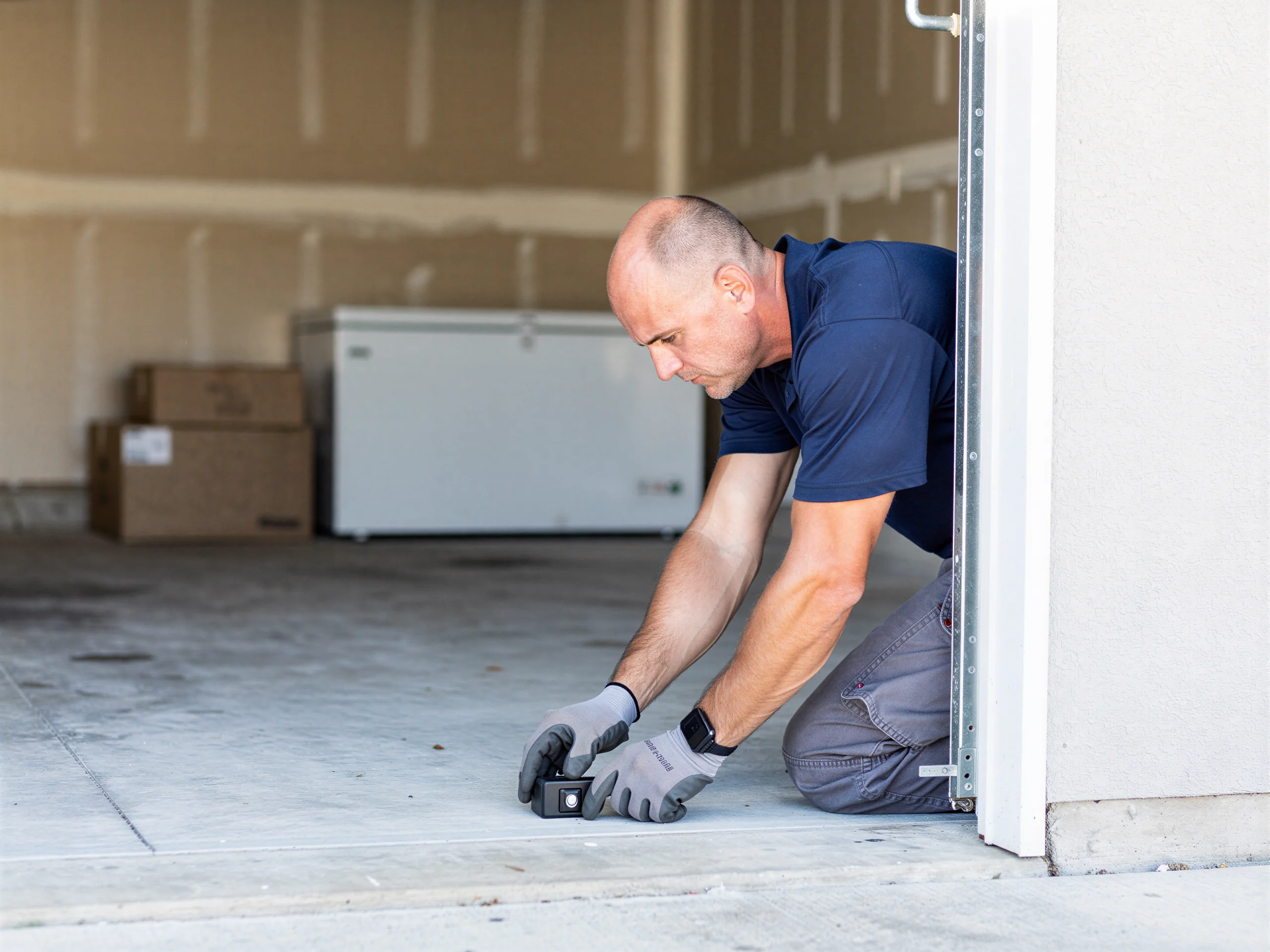
We also bring photo-eye sensors and the brackets that mount them, because a lot of older openers either never had sensors or have ones that have drifted out of alignment over the years.
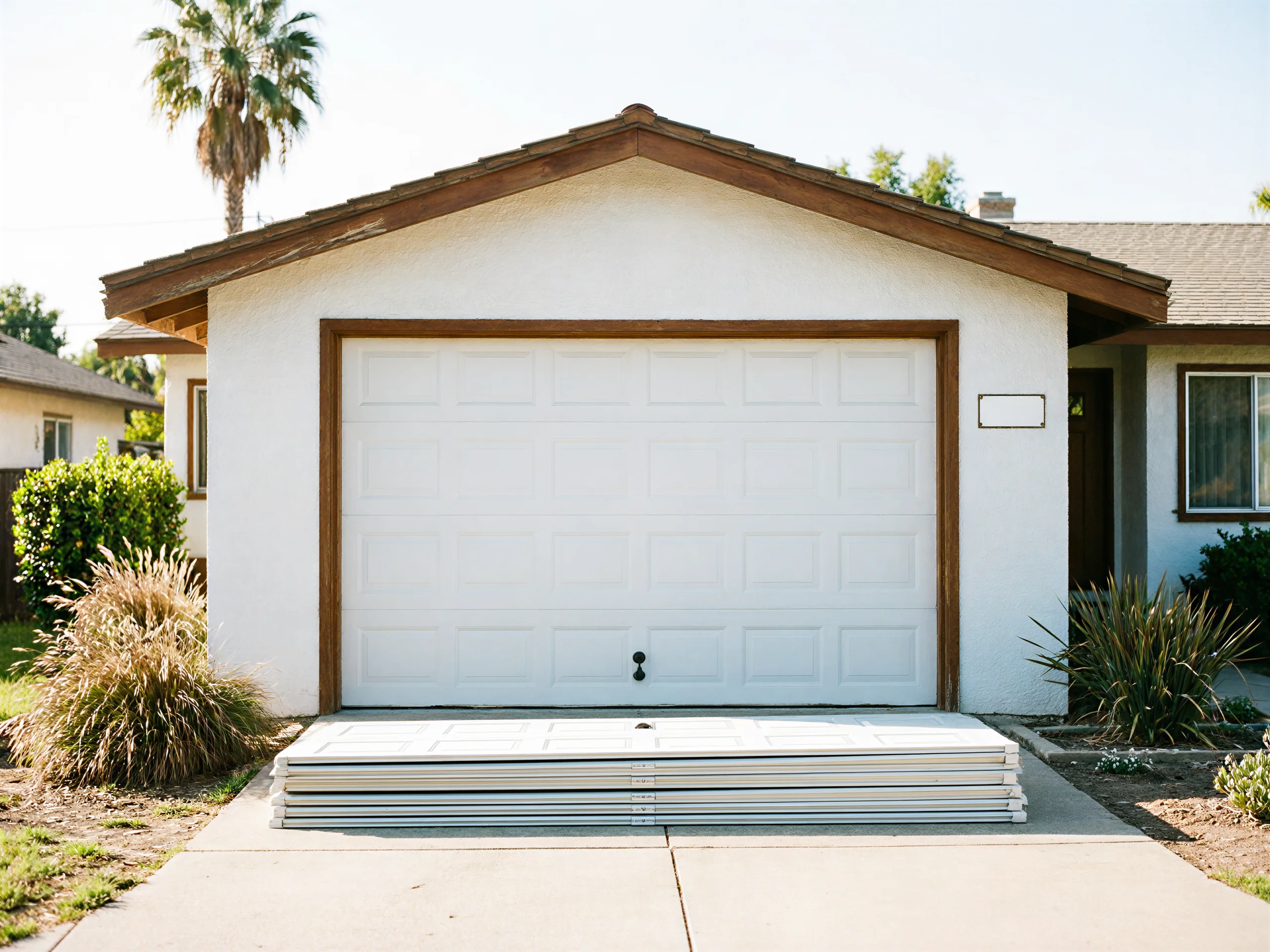
Custom panels ordered in
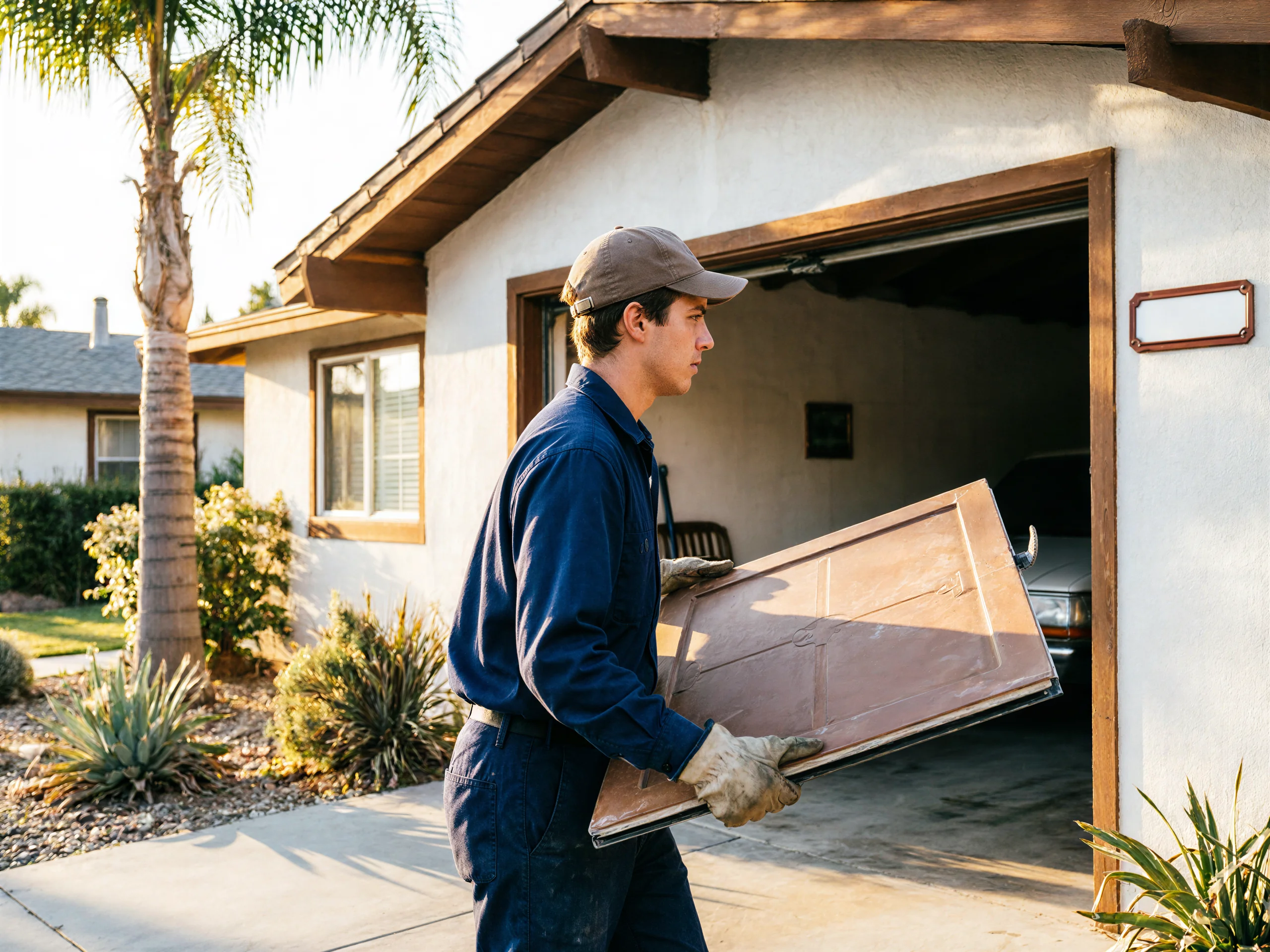
What we don't carry on a standard run is custom panel stock matched to a specific door model from that era - if a panel's cracked or dented on an older door, we may need to order it, and that can mean a short wait rather than a same-visit fix. We'd rather tell you that up front than promise a part we don't have in hand.
What It Costs
We don't post a flat price list for Norco because the job depends on what's actually on the door, and what's on the door here tends to be a step younger than a lot of the rest of our service area.
1974 extension-spring stock
Median build year across our territory runs closer to 1963, but Norco's housing stock centers nearer 1974 - late enough that a fair number of garages got extension-spring setups along horizontal tracks instead of the torsion-over-header hardware that shows up on older builds.
Different parts list
That changes what a repair costs, because extension spring pairs and the safety cables that should run through them are a different parts list than a torsion drum and shaft. We quote after we look at the door, not before, because two houses built the same year can have different openers, different track wear, and different prior repairs stacked on top.
Income doesn't change price
One honest number we can give: Norco households report a median income of $125,117, noticeably above the $104,565 figure for the wider area we cover, and we don't price differently because of that - the door tells us the job, not the zip code. We travel from San Dimas to get here, about 19 miles, and that distance is built into how we schedule the day rather than into what we charge for parts.
How We Fix It
A broken spring on a 1970s-era door with extension hardware gets fixed by matching the wire gauge and coil length on both sides, not just swapping one side and hoping it balances.
Mismatched past repairs
We've seen plenty of mismatched pairs on doors from this build era, usually from a past repair that used whatever was on the truck instead of what the door actually needed. If the safety cables are missing or frayed, we replace them - they're what keeps a broken spring from becoming a projectile, and a lot of extension-spring doors from the mid-1970s never had them installed to begin with.
Roller and track wear
Track and roller wear is the other common call on houses this age. Forty-some years of opening and closing puts wear into roller stems and track bends that a visual check from the driveway won't catch. We pull the door, check travel top to bottom, and adjust or replace track sections rather than forcing a bent rail straight, because a straightened rail rarely stays straight.
Force settings retested
For openers, we test the force settings and the photo-eye sensors regardless of the door's age, since a door that's heavier or lighter than it used to be will throw off an opener's safety settings even if the opener itself is newer than the door.
Doing It Yourself
Extension springs are the ones homeowners get hurt on more than torsion springs, because they look simpler - two coils, a pulley, a cable - and they're not under the same kind of load tension that makes people cautious with torsion units.
Stored force warning
They still store real force. If a spring is broken or stretched out, that's not a weekend project with a ladder and a socket set. The door can drop fast and heavy, and extension-spring cable can whip.
Reasonable self-checks
What you can reasonably do yourself: check that the safety cables run through both springs and aren't frayed, listen for grinding in the rollers, and watch whether the door reverses cleanly when the photo-eye sensors are blocked.
Heavier door means call
If the door is noticeably heavier to lift by hand than it used to be, that's a sign the springs are losing tension - a repair call, not a DIY fix. We'll say plainly where we draw the line: we don't walk people through spring replacement over the phone, and we'd rather lose that job than have someone get hurt doing it.
Talk to a local pro
Garage door service in San Dimas?
Same-day service with honest, upfront quotes.