Why It Happens Here
The housing in Norco is mostly from the early-to-mid 1970s, with a median build year around 1974, a little newer than the older housing stock closer in toward San Dimas.
Late add-on openers
That matters for openers because of what got installed and when. A lot of these houses got their first automatic opener as an aftermarket add sometime in the 80s, which means the unit on the wall today might be a replacement for a replacement, with wiring and mounting hardware from two different decades layered on top of each other.
Quieter belt drive swaps
With roughly 6,776 households in the area and a median income above $125,000, we also see more owners choosing to replace an aging opener outright with a quieter belt-drive unit rather than keep nursing a loud chain-drive one along.
What Is on the Truck
We come out of San Dimas, about 19 miles from Norco, so the truck carries the parts that cover the openers most likely to fail in a house this age: replacement logic boards for common chain-drive brands, standard safety sensor kits, drive gears and sprockets, and a stock of travel modules. What we don't carry is every obsolete part for a 40-year-old motor head that the manufacturer stopped making years ago. If your opener needs a part that specific, we'll tell you on the spot, and a full head swap is usually the faster and cheaper route than waiting on a special order.
What It Costs
We don't quote a price over the phone sight unseen, and we won't invent one here. What drives the cost in Norco isn't the town, it's the opener's age. A lot of houses in this area were built around 1974, which puts the original chain-drive units at the end of their second or third life cycle if nobody's replaced the motor head since. Logic board failures and worn drive gears cost more than a new travel module or a safety sensor realignment. If your opener is original to a mid-70s build, we'll tell you straight when the labor to fix it costs more than swapping the whole head, because at that age it usually does. We price the job after we see the unit on the wall, not before.
How We Fix It
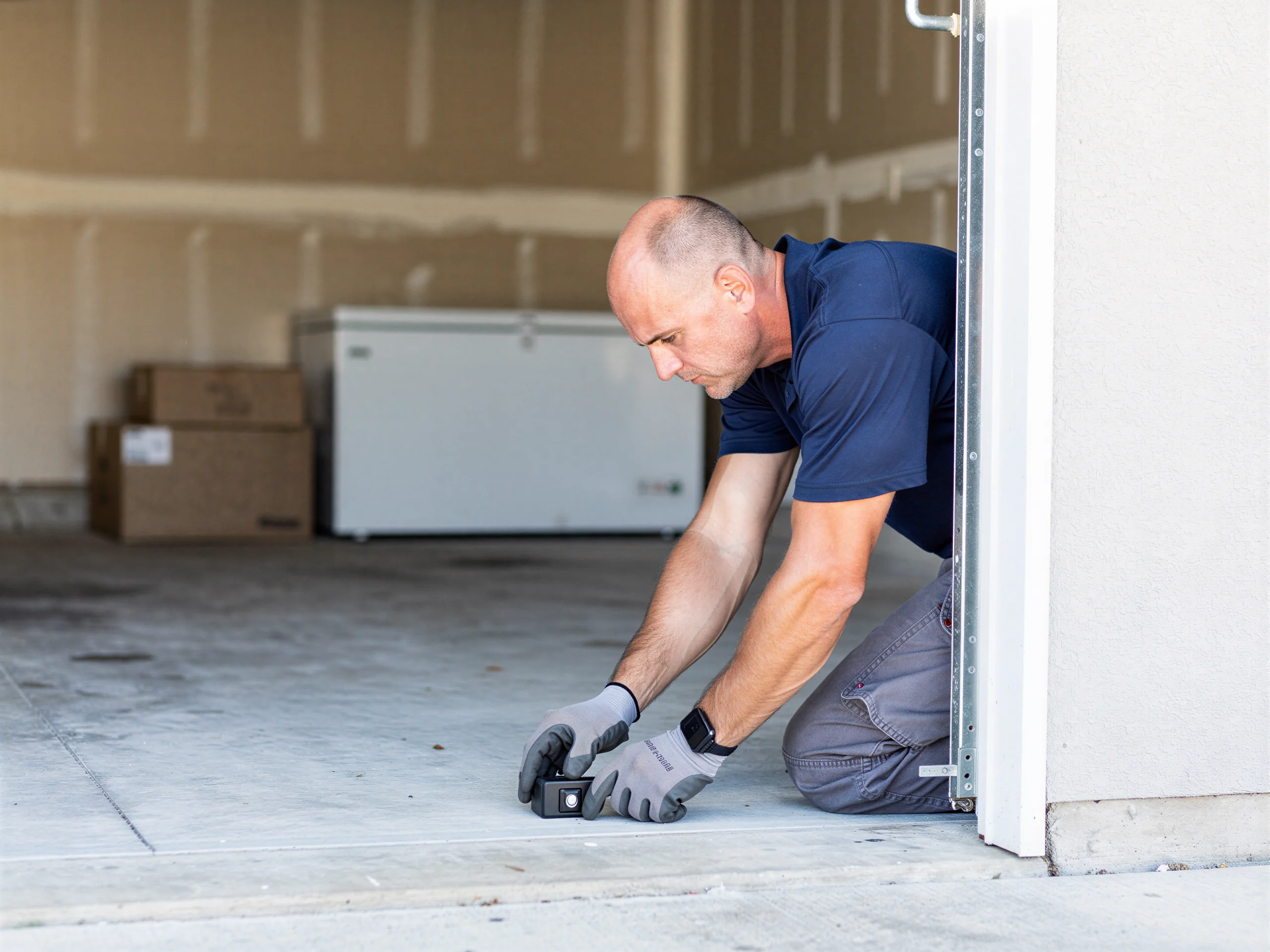
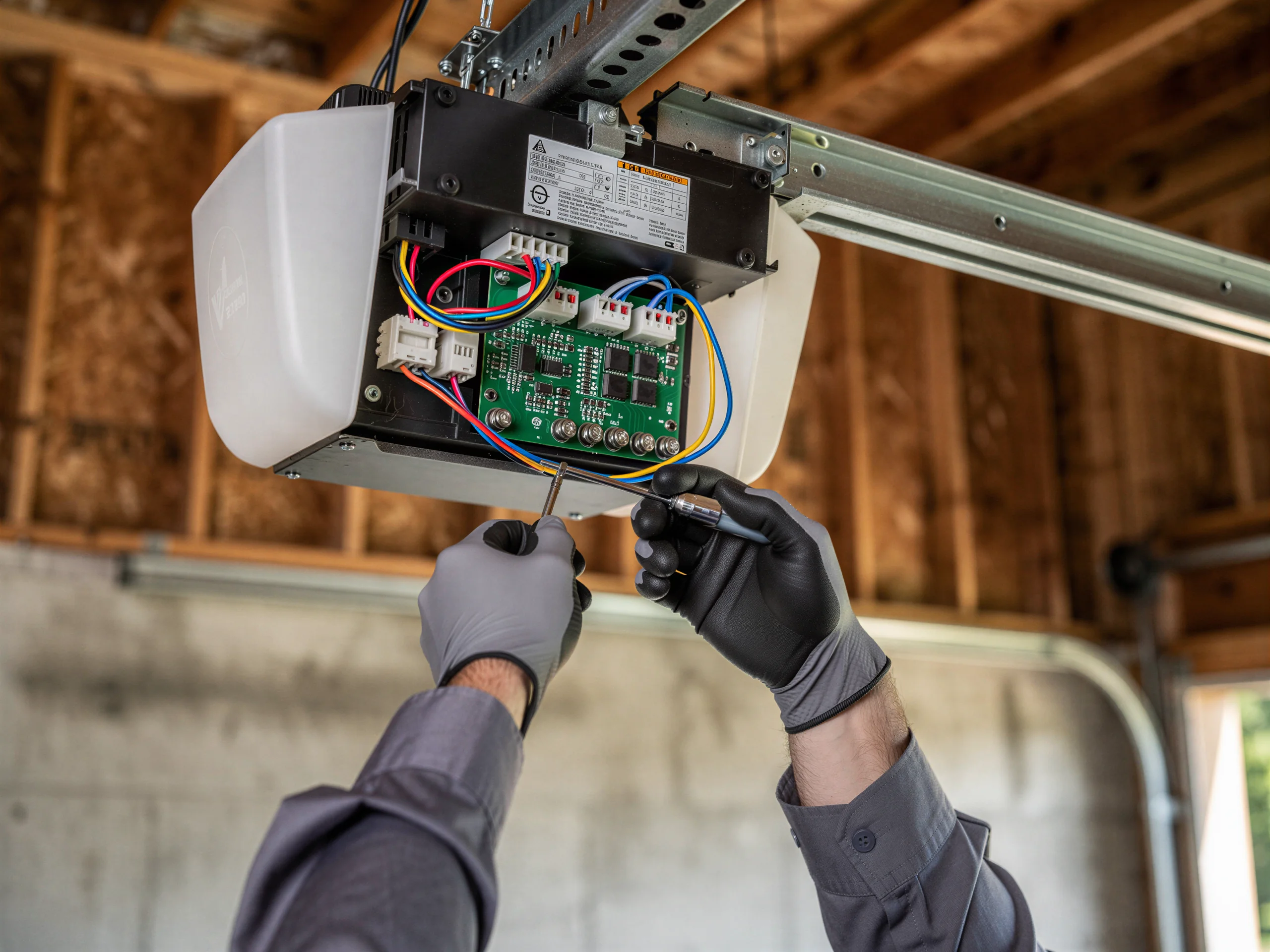
First we check what's actually failing: dead capacitor, stripped gear, a logic board that's lost its memory of the remote codes, or a safety sensor knocked out of alignment.
Chain drives with worn trolleys
Houses from the 1974 era in Norco often still run openers installed as upgrades sometime in the 80s or 90s, chain-drive units with steel rail and a trolley that wears a groove into itself over 30-plus years.
Reversal test before any repair
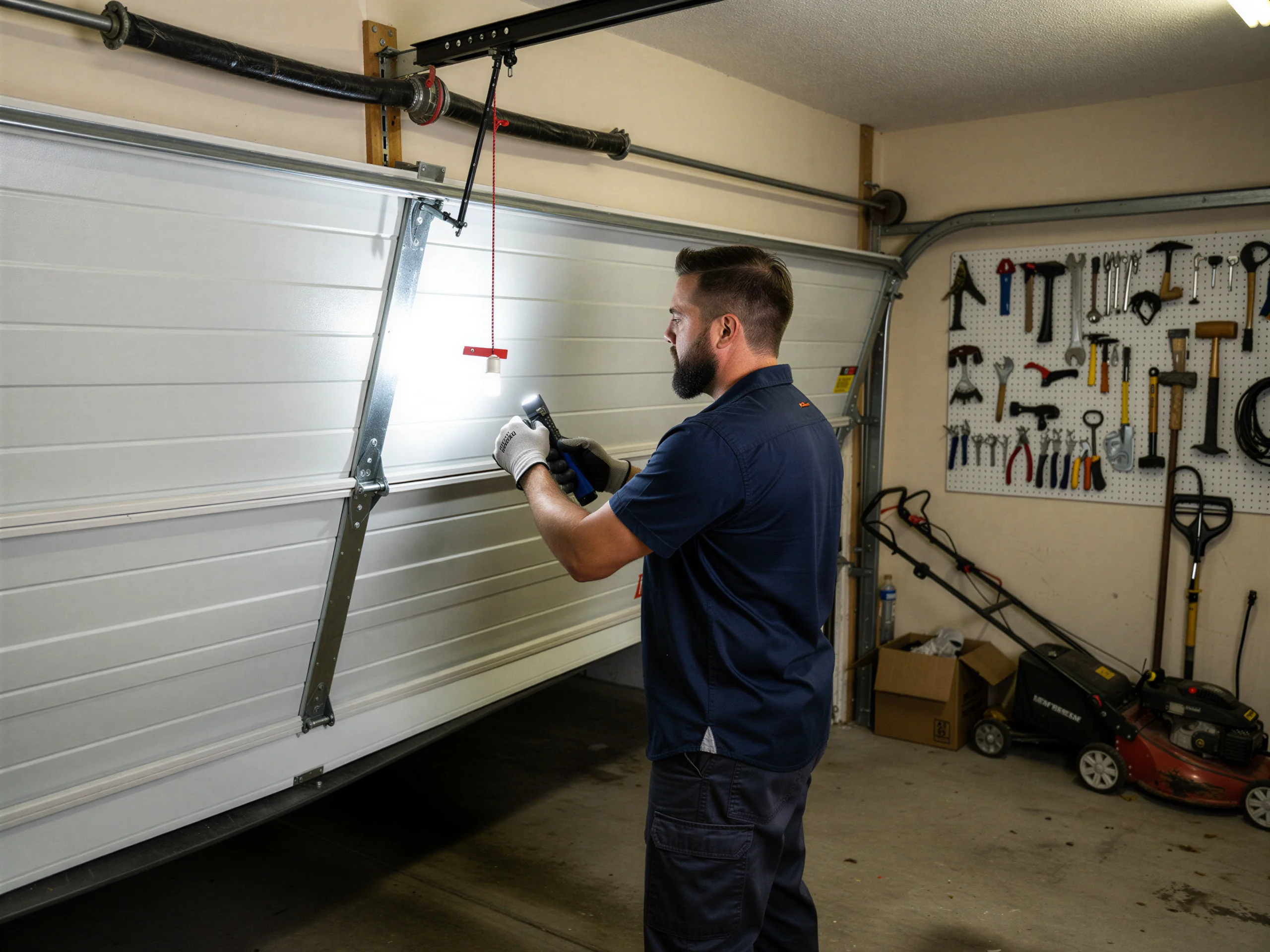
We test the force settings, the travel limits, and the safety reversal before we touch anything else, because a door that doesn't reverse on contact is a hazard regardless of what else is wrong.
Replace only the faulty part
If the motor's shot but the rail and trolley are sound, we replace the head and reuse what still works. We don't replace parts that aren't the problem.
Doing It Yourself
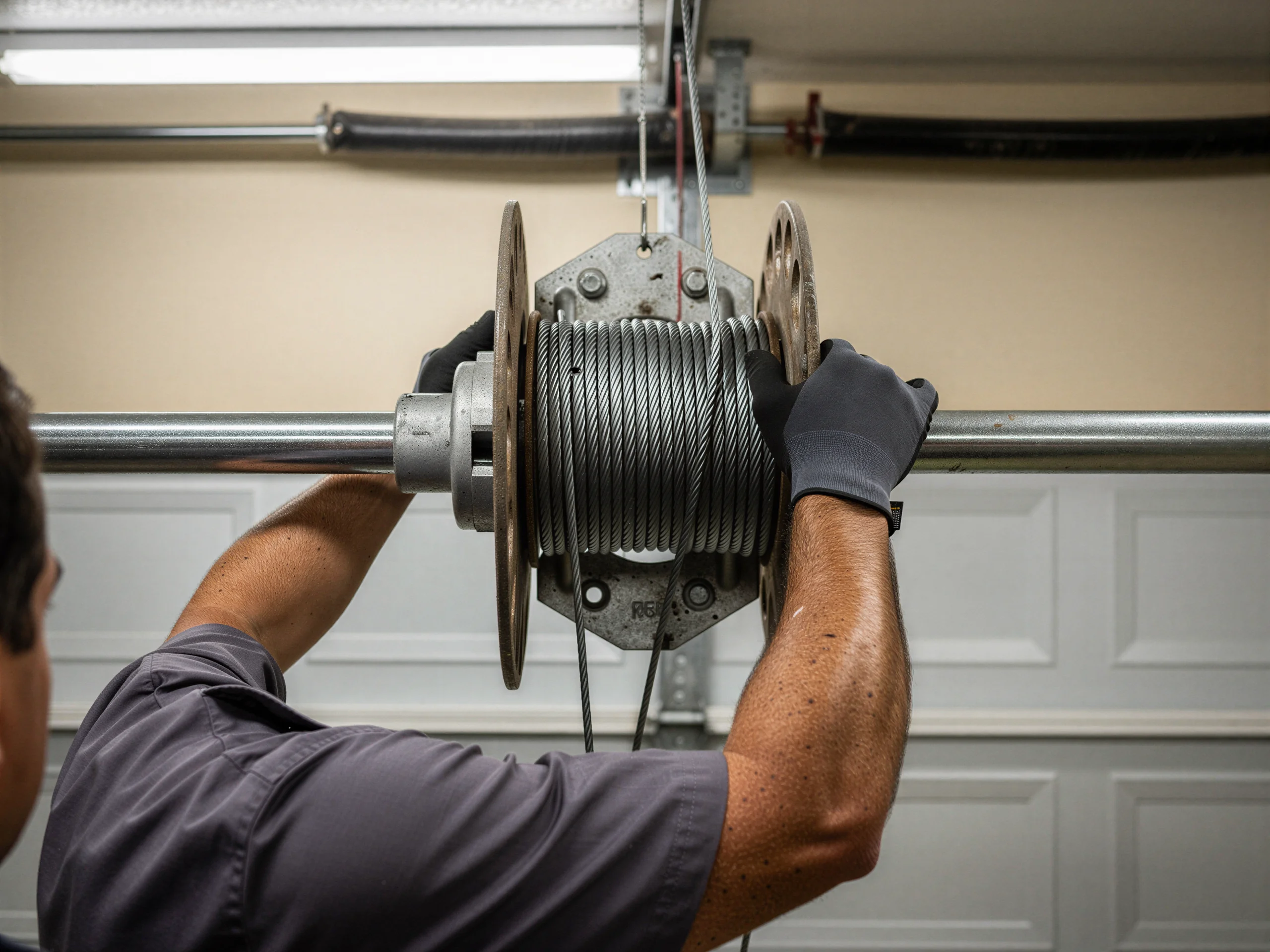
Some of this is reasonable to check yourself before calling anyone. Dead remote batteries, a sensor lens coated in dust, or a wall button that's lost contact are all five-minute fixes. Beyond that, we'd rather you didn't. Openers wired into 1970s-era electrical runs sometimes carry outdated grounding, and a chain-drive unit under spring tension is not a place to learn as you go. If the door won't close and the opener just hums, stop pulling the chain and call someone before you force anything. That hum is usually a capacitor or a stripped gear, and forcing the door can bend the rail or pop a cable off the drum.
Talk to a local pro
Garage door service in San Dimas?
Same-day service with honest, upfront quotes.