Why It Happens Here
Norco's housing stock trends newer than a lot of the wider service area - where the median build year runs closer to 1963 - with homes here centered around 1974.
Lighter gauge panels warp
That decade's doors used lighter-gauge steel and aluminum than what's standard now, and after fifty years of sun exposure under a moderate heat climate, panels warp slightly at the seams even without a direct impact. That warping is what turns a minor dent into a door that won't track straight.
Fewer panel jobs here
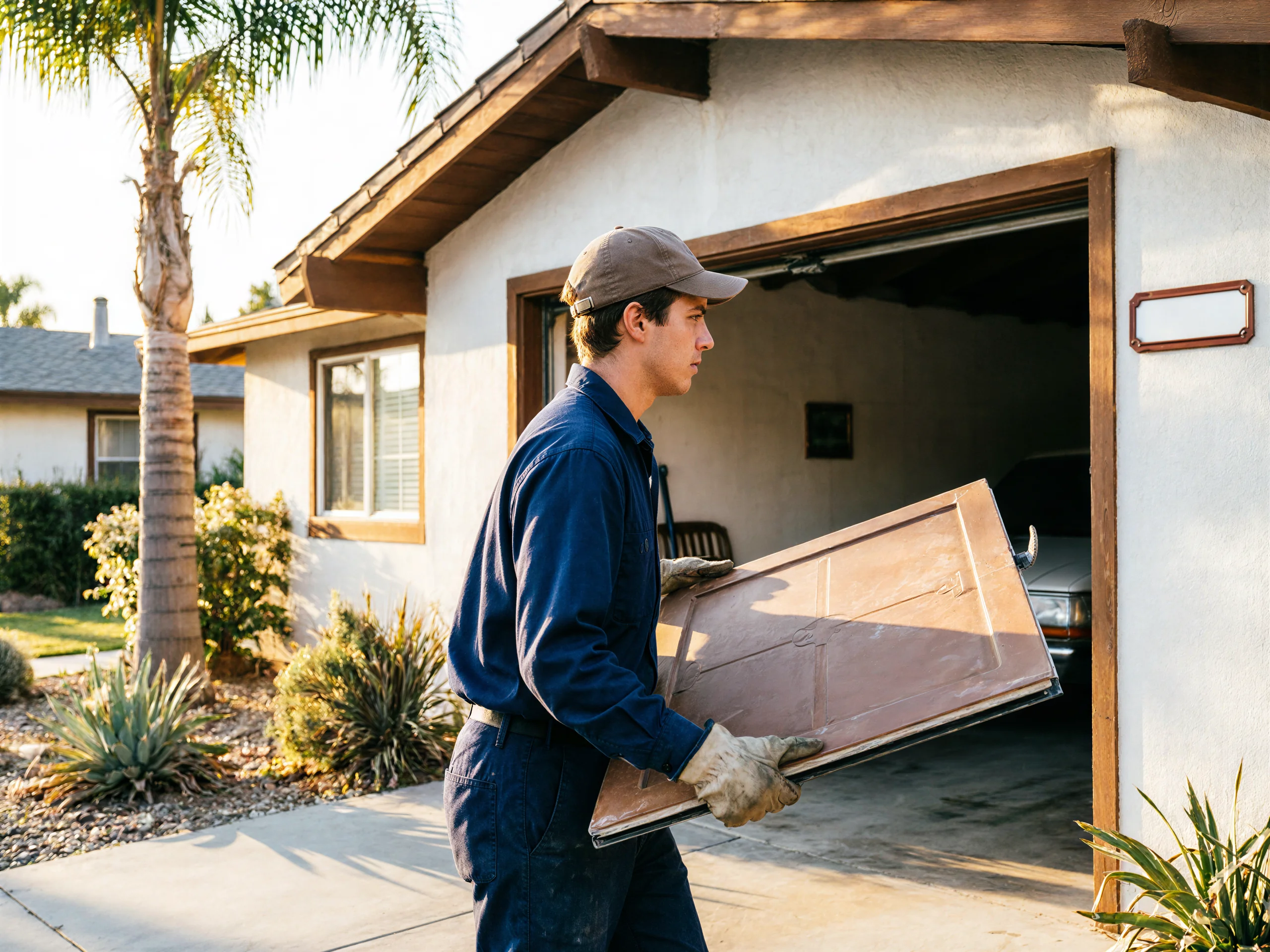
With about 6,776 households in Norco, we don't see panel jobs here as often as in some denser parts of the territory, but when we do, it's almost always this same pattern: original 1970s panel, original hardware, and a warp or dent that finally throws the door out of alignment.
Income favors insulated steel upgrades
Norco's median household income, over $125,000, is noticeably higher than the roughly $104,500 average across the rest of the service area, and it shows in the jobs - more requests for insulated steel upgrades instead of patching the bare aluminum that was there originally.
What Is on the Truck
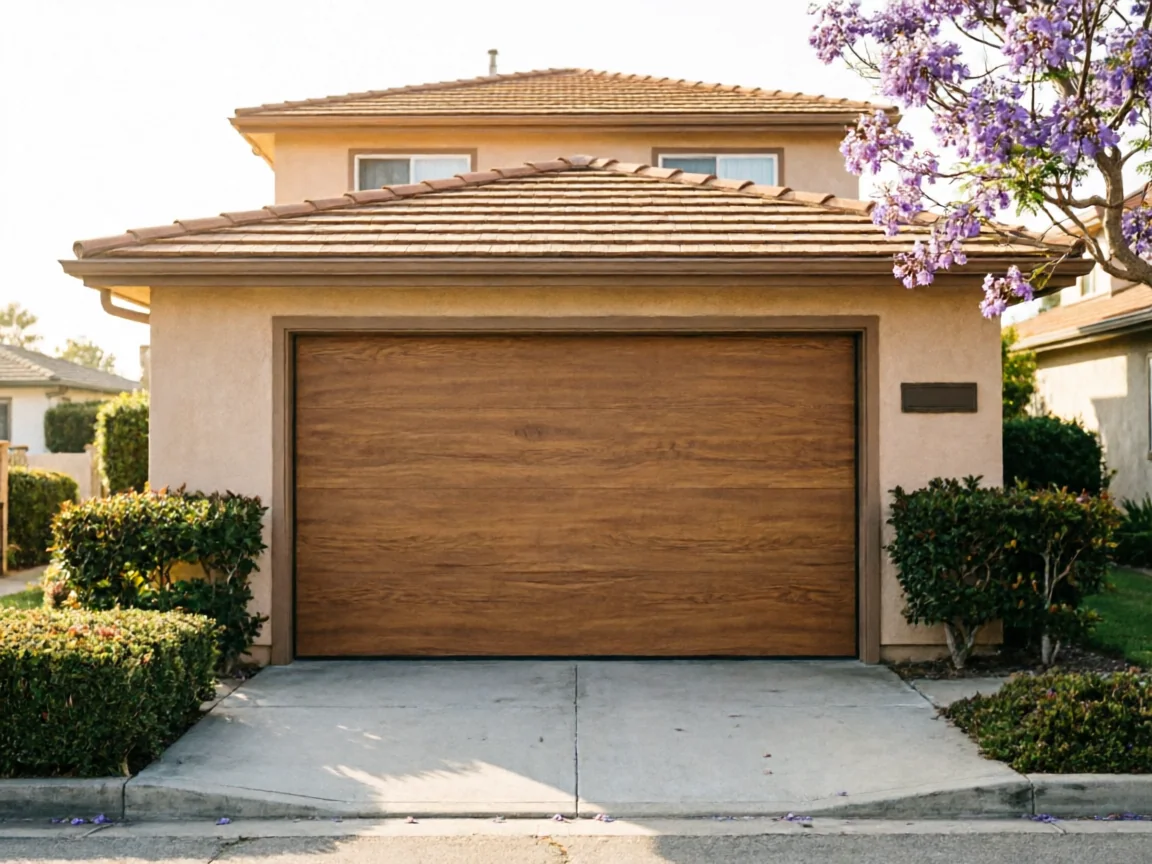
Since Norco sits about 19 miles out from our San Dimas shop, it's the farthest regular stop on our route, so panel stock for the job gets confirmed before the truck leaves rather than figured out on site. We carry common steel and aluminum panel sizes and a range of hinge hardware to cover the spacing changes doors went through from the 1960s into the 1980s, along with foam-core insulated sections for the upgrade jobs that are common in this part of the territory. What we don't carry is every discontinued color or embossing pattern from a 1974 build - if your door needs an exact cosmetic match rather than a functional one, that's a conversation we have before we commit to the repair, not after.
What It Costs
Most Norco homes went up around 1974, which puts a lot of original doors on steel or aluminum sectional panels that were never top of the line to begin with.
Single panel versus door
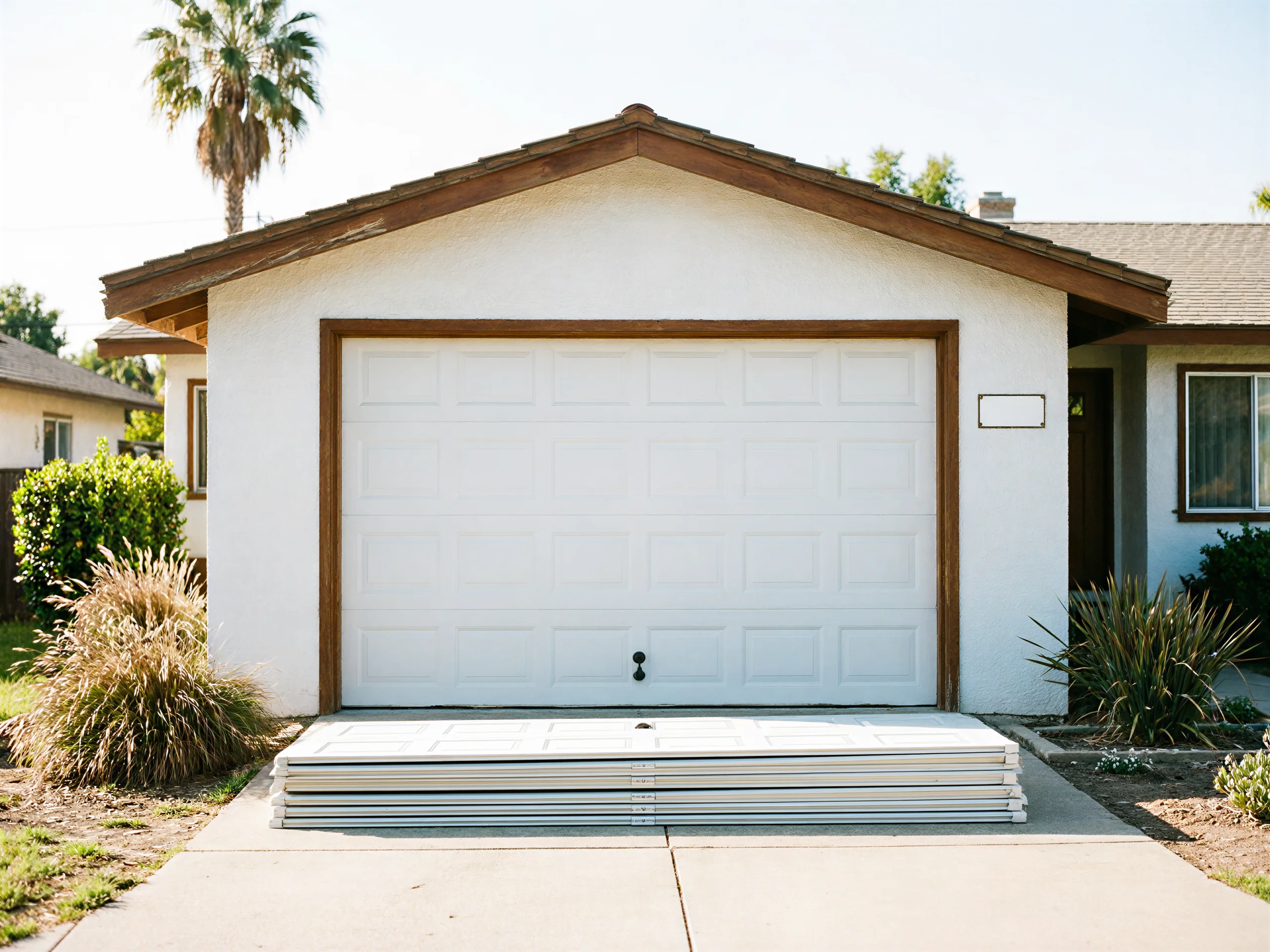
A single dented panel on a door that age usually runs less to replace than the whole door, but only if the track hasn't been bent in the same impact and the color still exists in a close match - faded 1970s beige and avocado tones don't always have a modern equivalent, so sometimes the honest move is replacing all the panels on that side rather than chasing a mismatch.
Options that raise price
Double doors cost more than single, insulated steel costs more than bare aluminum, and anything with a custom window inset or a non-standard panel height pushes the number up because it's not a stock part. We quote after we see the door, not before, since panel pricing swings more than almost anything else we work on.
Discontinued profile limit
One limitation worth saying up front: if the manufacturer no longer makes that panel profile, we're not going to pretend we can match it seamlessly - we'll tell you straight whether a full door replacement is the better call.
How We Fix It
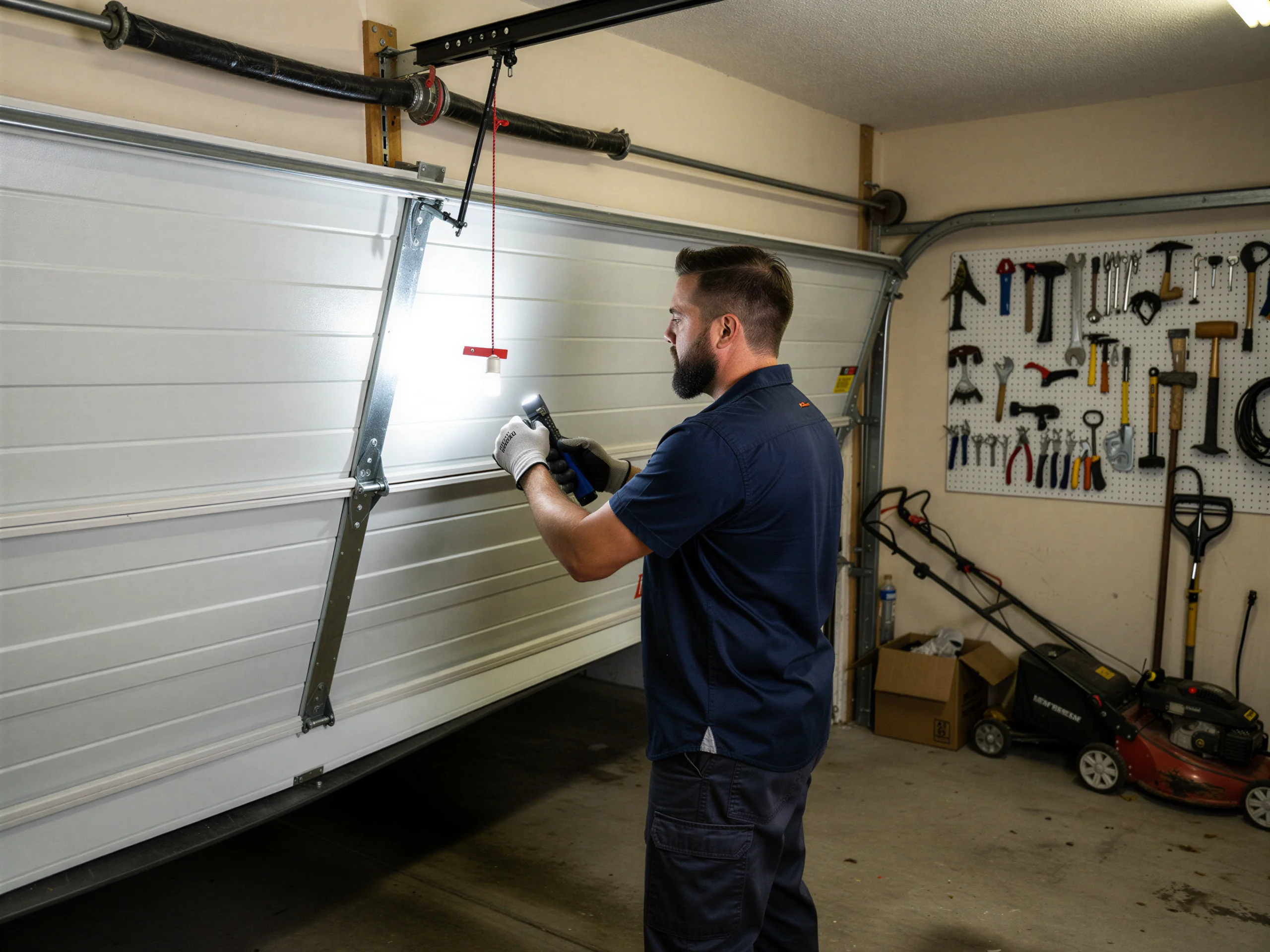
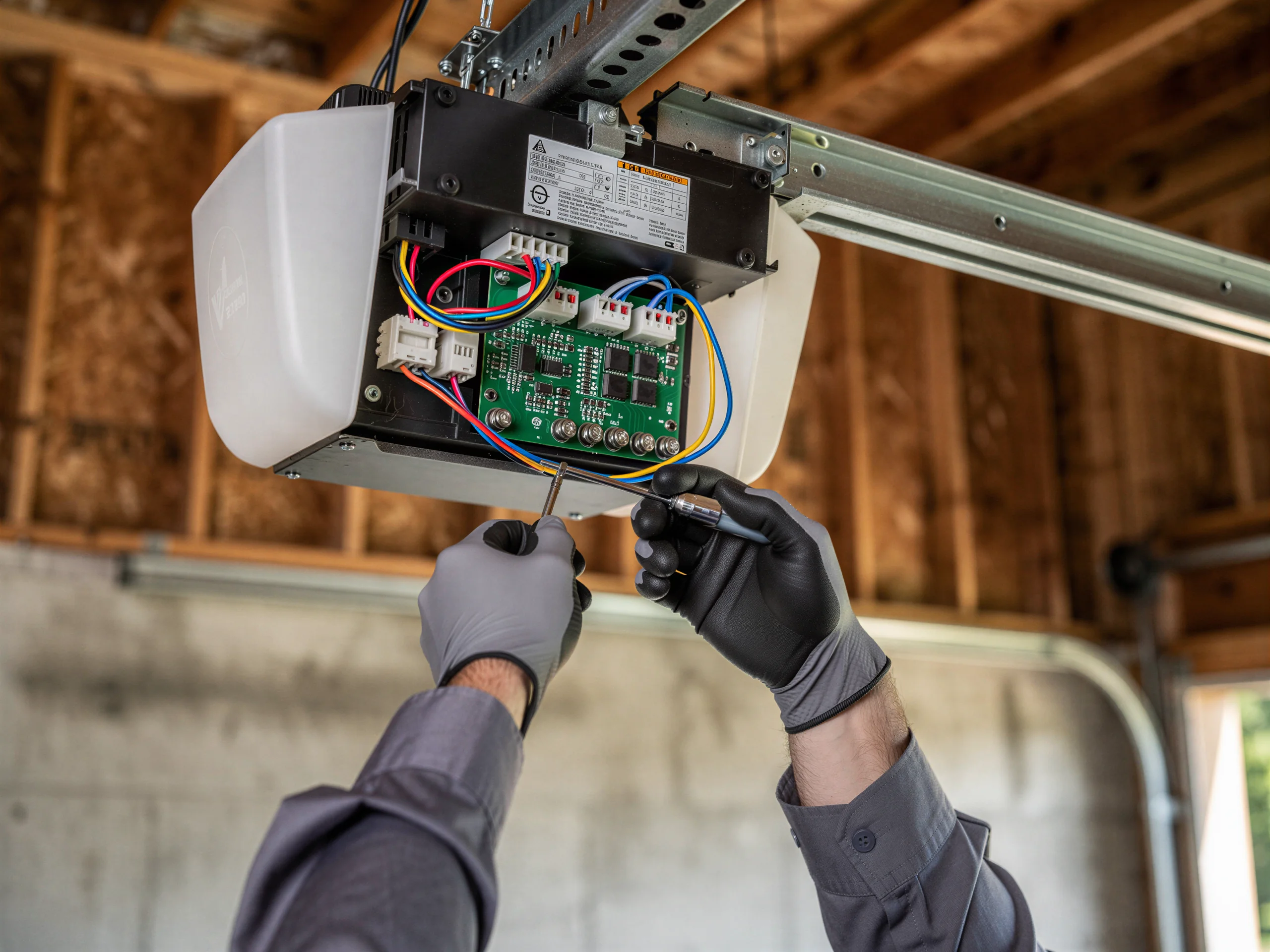
We start by checking whether the track and hinges took damage along with the panel, because on a door built in the 1974 era, the hardware is often the original run - never swapped, never upgraded, just repainted over the years.
Track checked first
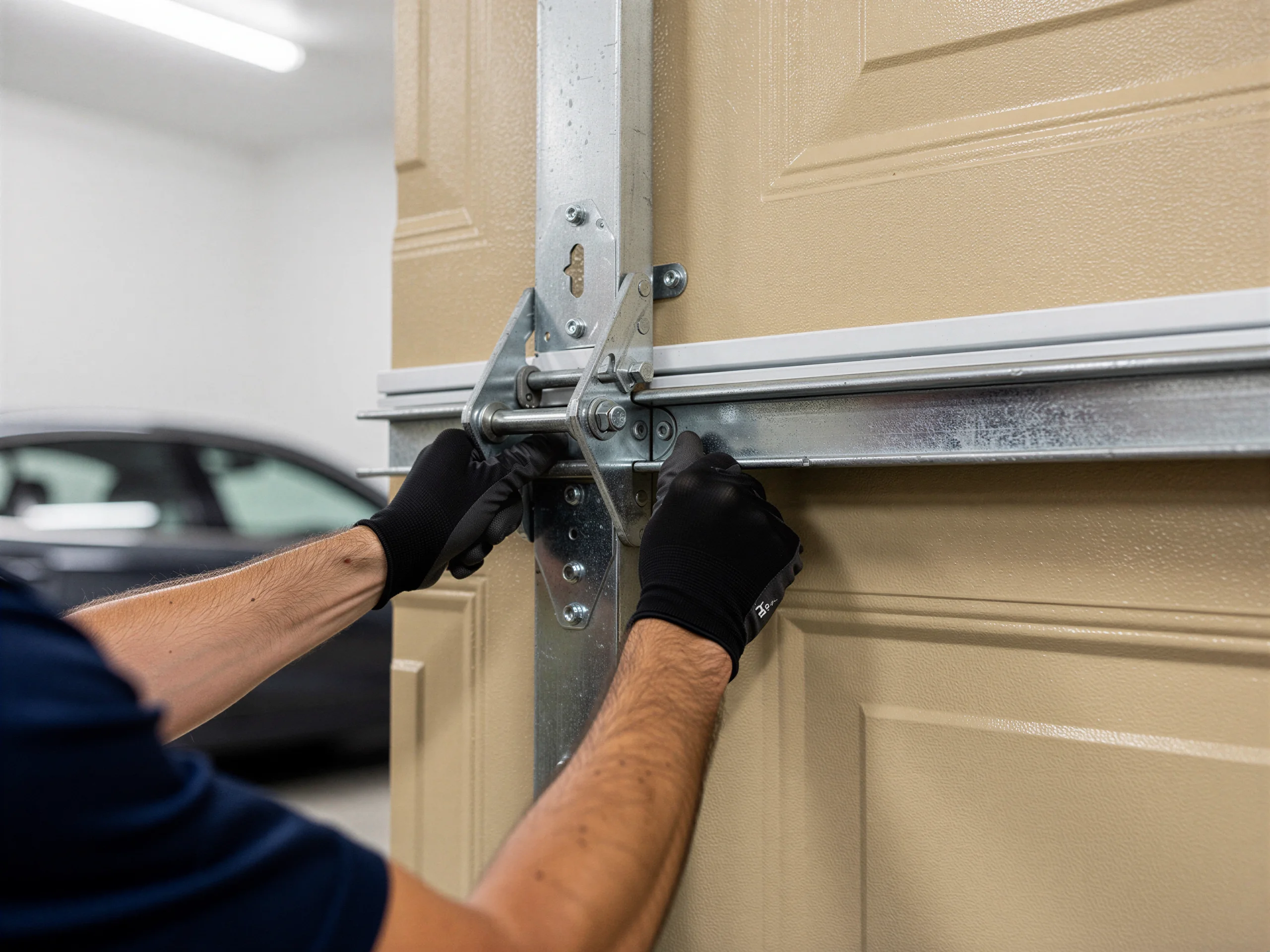
Replacing a panel on bent track just means you'll be back here in six months. Once the track checks out, we pull the damaged section, match the panel gauge and hinge spacing, and set it without disturbing the spring tension on the rest of the door if we can help it.
Rust creep at seams
On older steel doors we also check for rust creep at the panel seams, since that's where a 1970s door starts to fail structurally even when the dent itself looks minor.
Matching insulated cores
For insulated panels, we match the foam core thickness too, not just the face - mismatched cores throw off the door's balance over time. We test the full cycle before we leave, not just the one panel.
Doing It Yourself
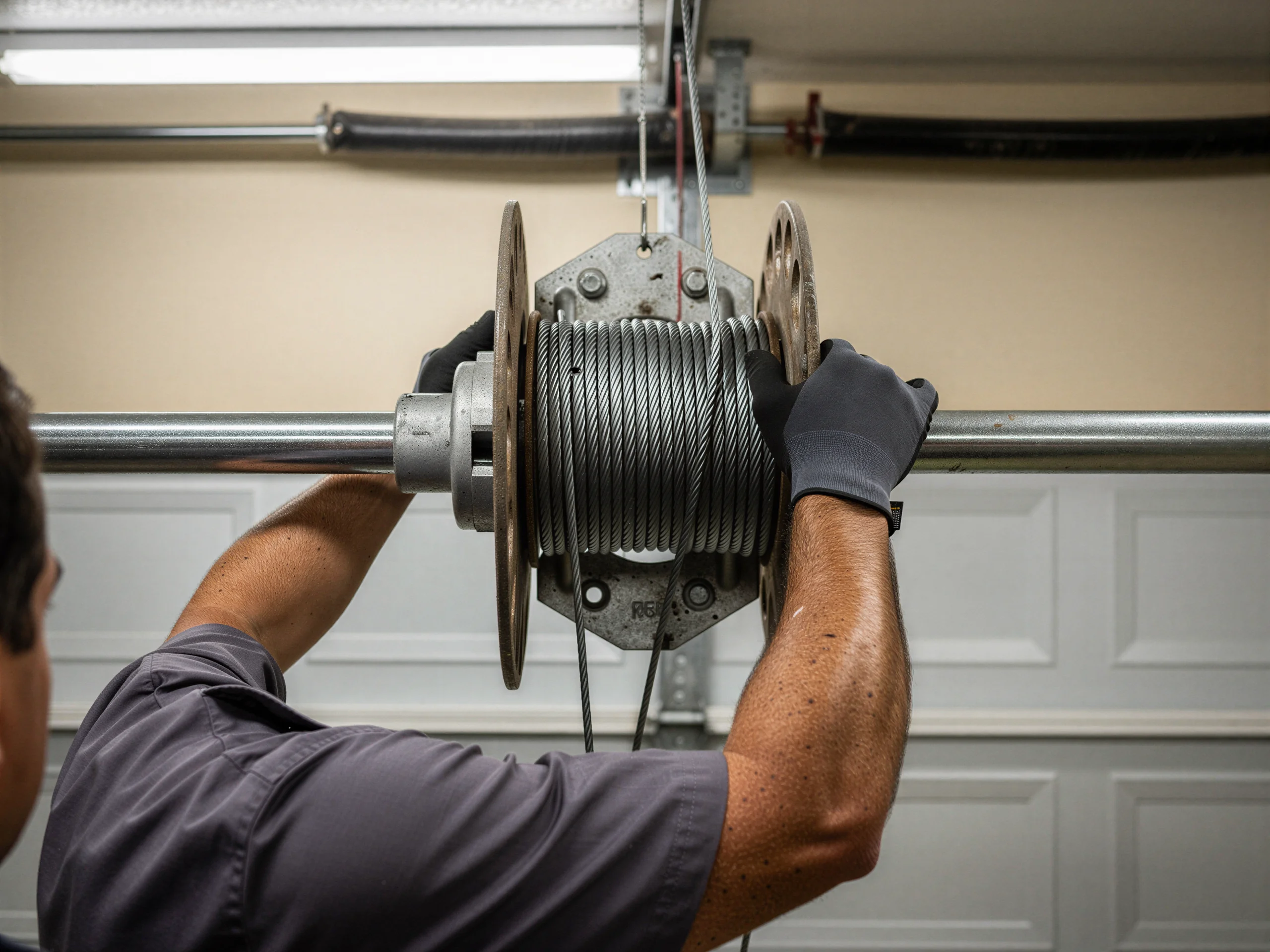
A single cosmetic panel swap on a lightweight aluminum door is within reach for someone comfortable with basic tools, as long as the door is disconnected from the opener and the springs are left alone entirely - that part isn't a DIY job at any age of door. Where homeowners get into trouble on a house this old is assuming the replacement panel will bolt in clean. Panel dimensions and hinge patterns shifted more than once between the 1960s and 1980s, so a panel pulled from a newer stock door often doesn't line up with hardware from 1974. If you're not sure the part you bought matches your hinge spacing before you start, that's the point to stop and call rather than force it. We'd rather walk you through checking a measurement over the phone than come out to fix a door that's now worse than when you started.
Talk to a local pro
Garage door service in San Dimas?
Same-day service with honest, upfront quotes.