Why It Happens Here
Most of Norco's housing dates to around 1974, newer than the regional stock, which runs from the 1940s up through the late 1980s with a lot of it concentrated in the 1960s and '70s. That puts Norco doors in a specific middle ground: old enough that original torsion springs and early-generation openers are wearing out, but new enough that most houses skipped the oldest one-piece slab doors entirely.
What we see instead is opener failure - chain drives from that era that have outlived their gear sets - and spring fatigue on doors that have done 10,000-plus cycles without ever being rebalanced. The moderate heat band this area sits in also means lubricant and rubber seals age a bit faster than they would somewhere cooler, so weatherstripping cracks and rollers dry out on a schedule you can roughly predict if you know when the house was built.
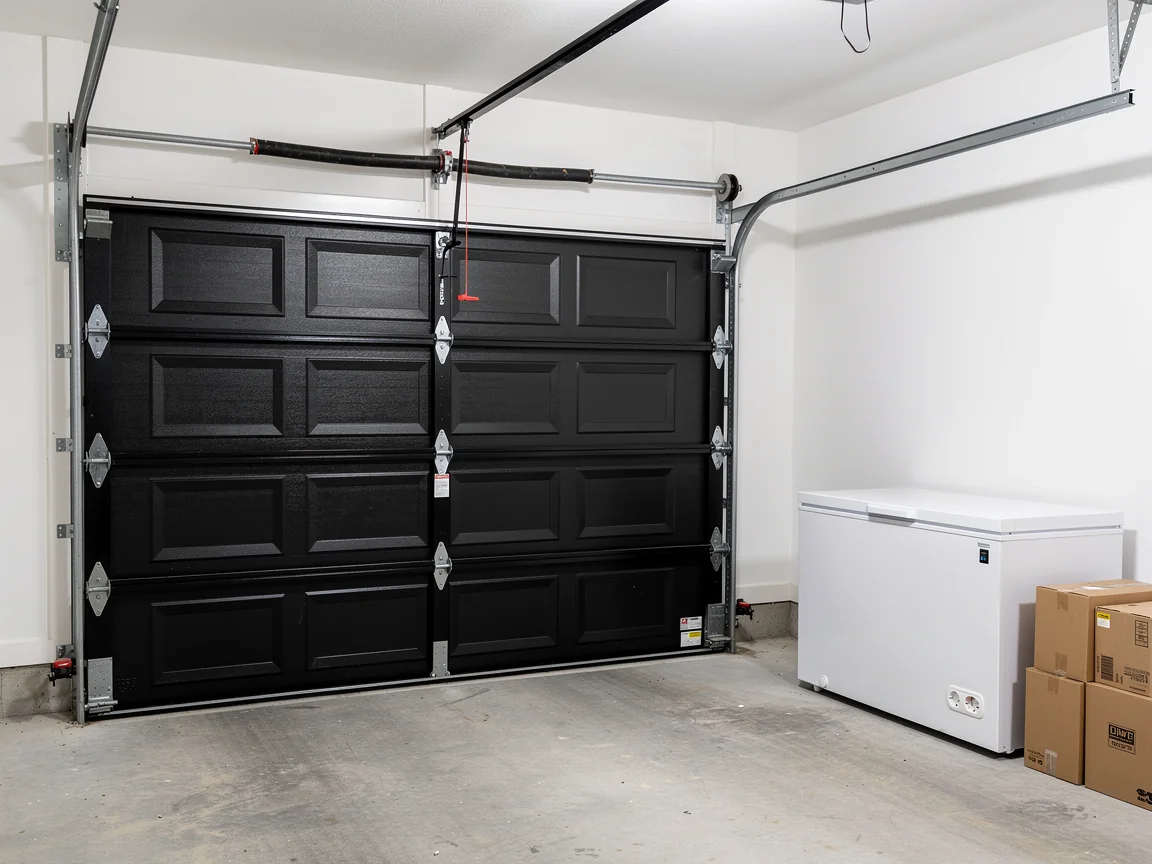
What Is on the Truck
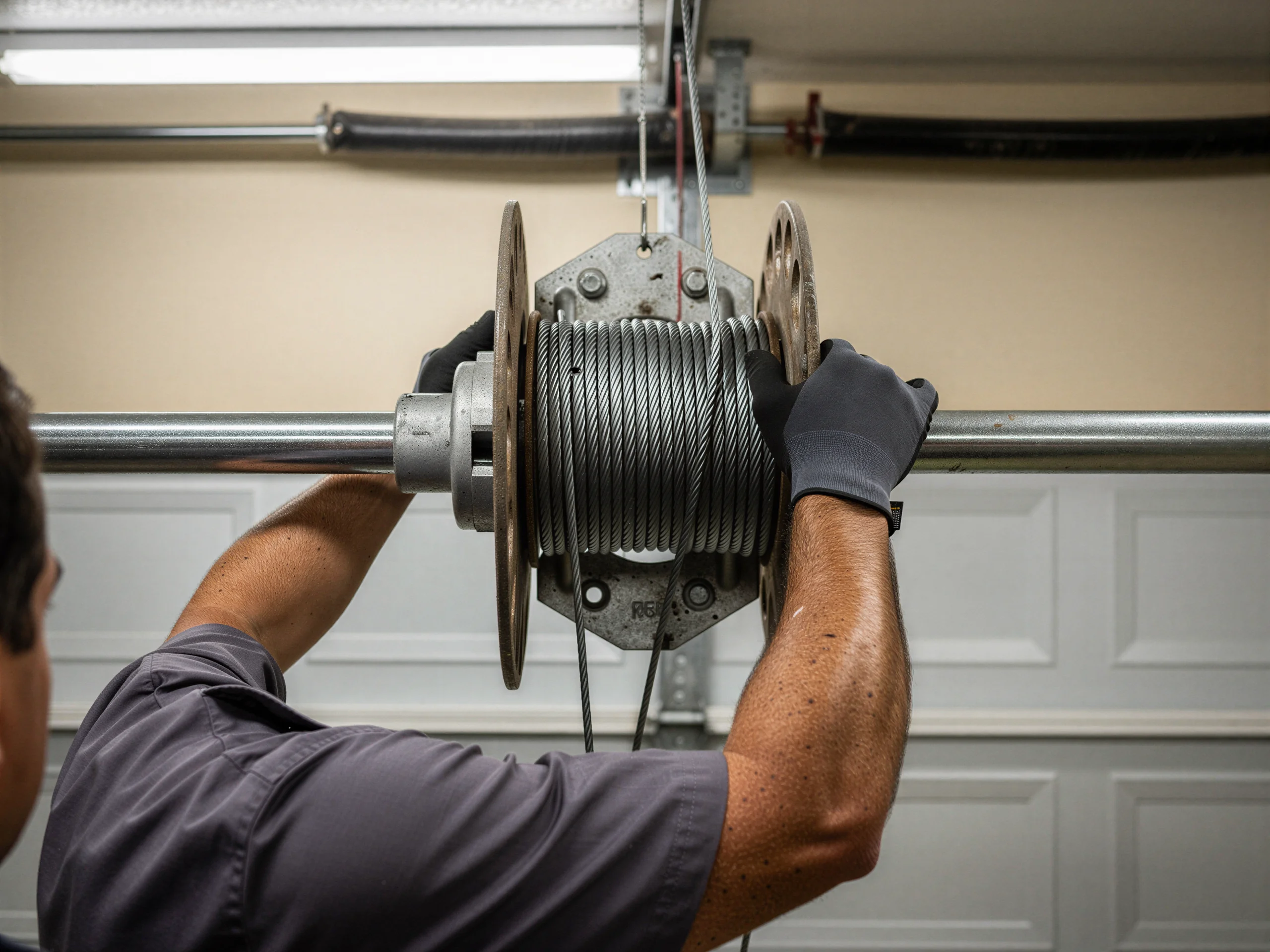
For Norco calls we bring parts sized to mid-1970s hardware: standard torsion springs in common wire sizes, steel rollers, and cable sets that fit the drum styles still common on houses of that era.
Opener drive components
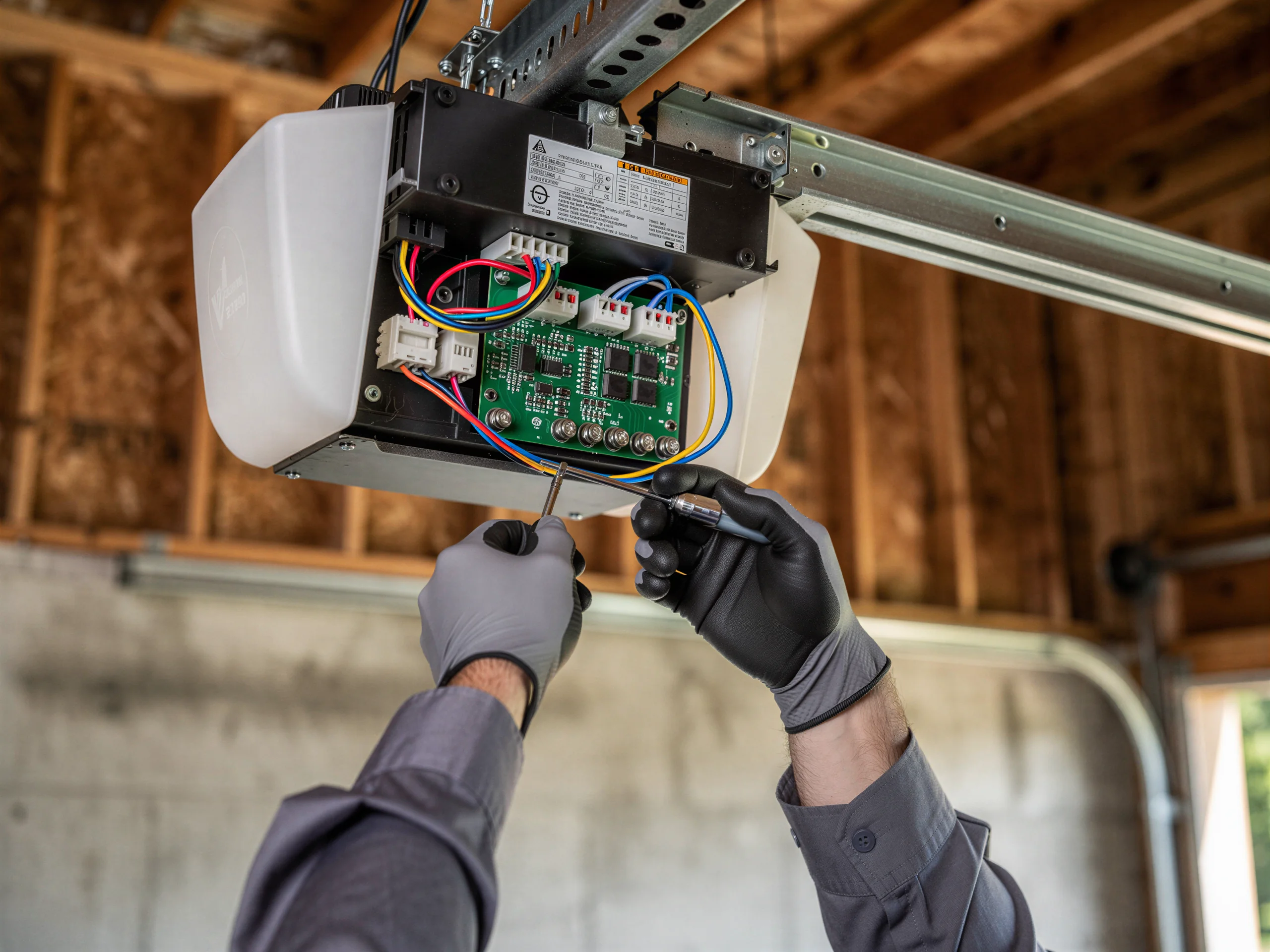
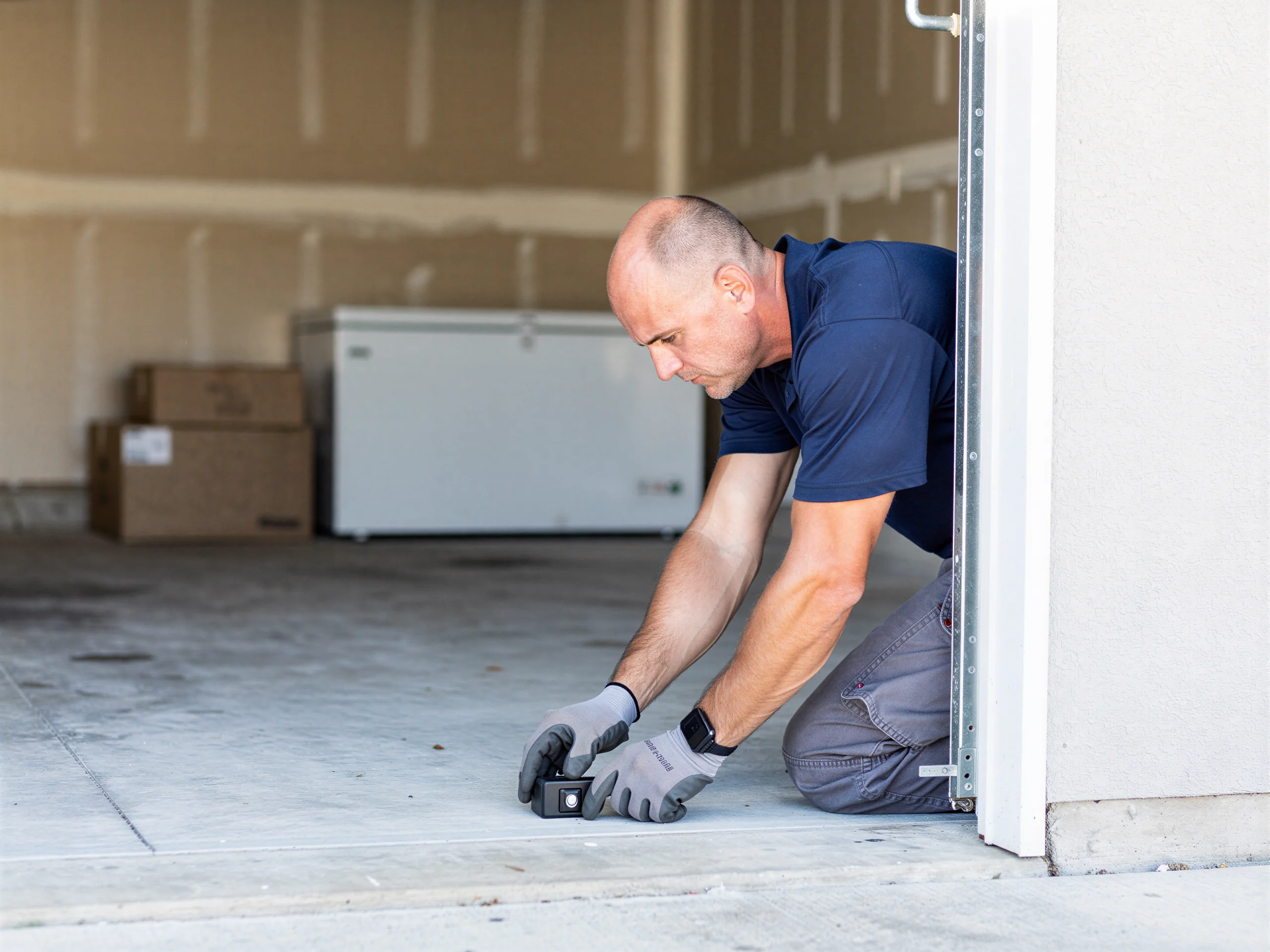
We also carry basic opener components - drive gears, sprockets, safety sensor kits - since chain-drive units from that generation are the most frequent opener failure we run into out this way. We don't carry every part for every door.
Custom doors need ordering
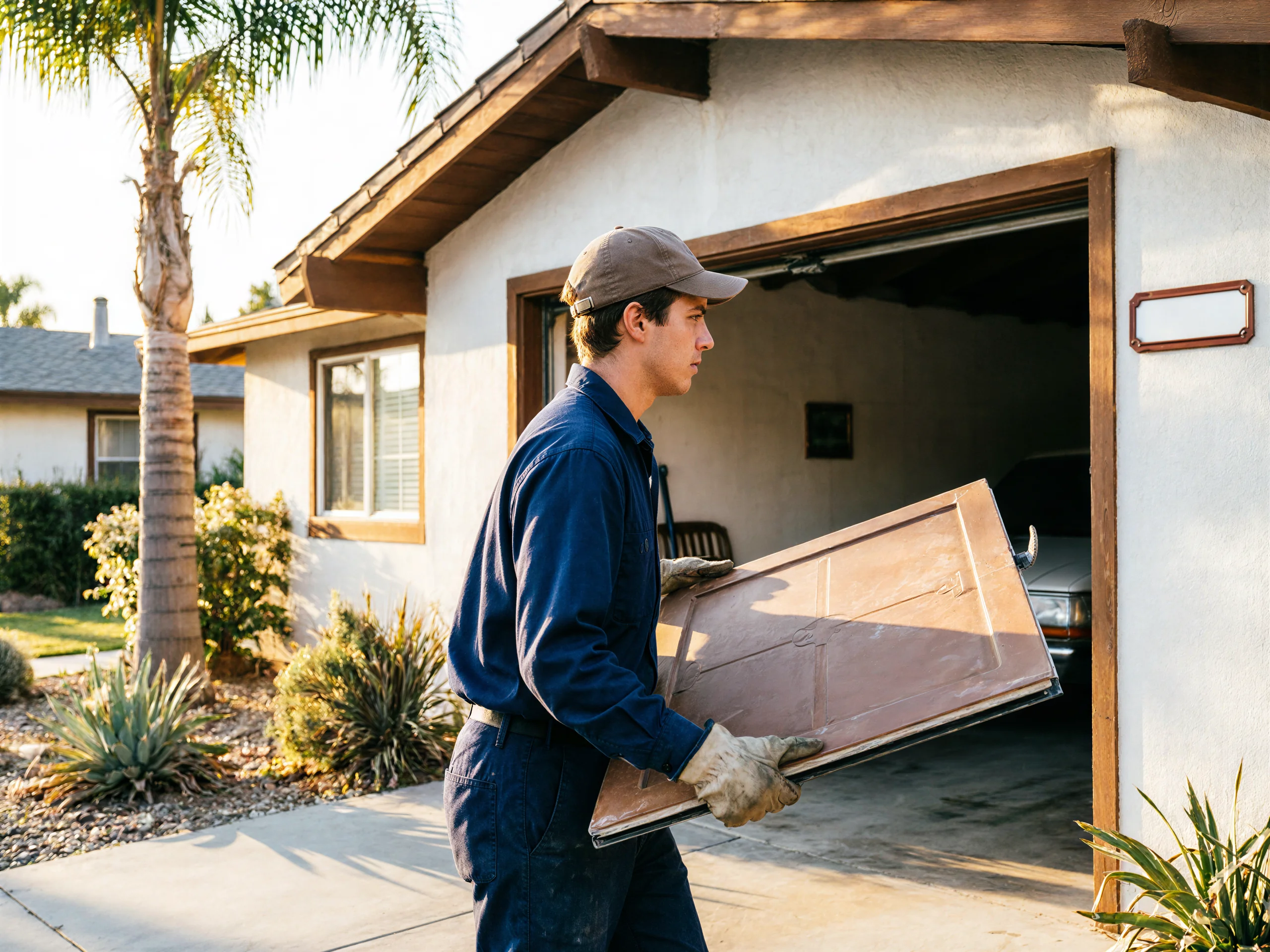
If a house has had a custom or imported door installed at some point, or an opener model that's been out of production a long time, we may need to order the part rather than fix it same-visit.
Not promising one-trip fixes
We'd rather tell you that than promise a one-trip fix we can't deliver. With roughly 6,776 households in Norco and a housing stock concentrated in a narrow build window, the parts we stock cover the large majority of what we actually find on these doors.
What It Costs
Norco's median household income sits at $125,117, well above the $104,565 median across the rest of our service area. That matters for one reason: at this income level, the math on repair-versus-replace tips earlier.
Swap instead of nurse
A homeowner here is more likely to swap a tired opener for a new one at the first sign of real trouble than to nurse it along for another three winters, and that changes what a maintenance visit is for.
Catching cheap fixes early
It's not about stretching a door's life to its absolute limit. It's about catching the $40 fix before it becomes the $400 fix, and giving you a straight answer on whether a repair is worth doing at all.
No flat maintenance quote
We don't have a flat number to quote you here - pricing depends on what we find on the door, the opener, and the hardware once we're looking at it. What we can tell you is that most Norco calls we get are maintenance catching small things, not emergency teardowns, because the housing stock here isn't old enough yet to be falling apart at the hinges.
How We Fix It
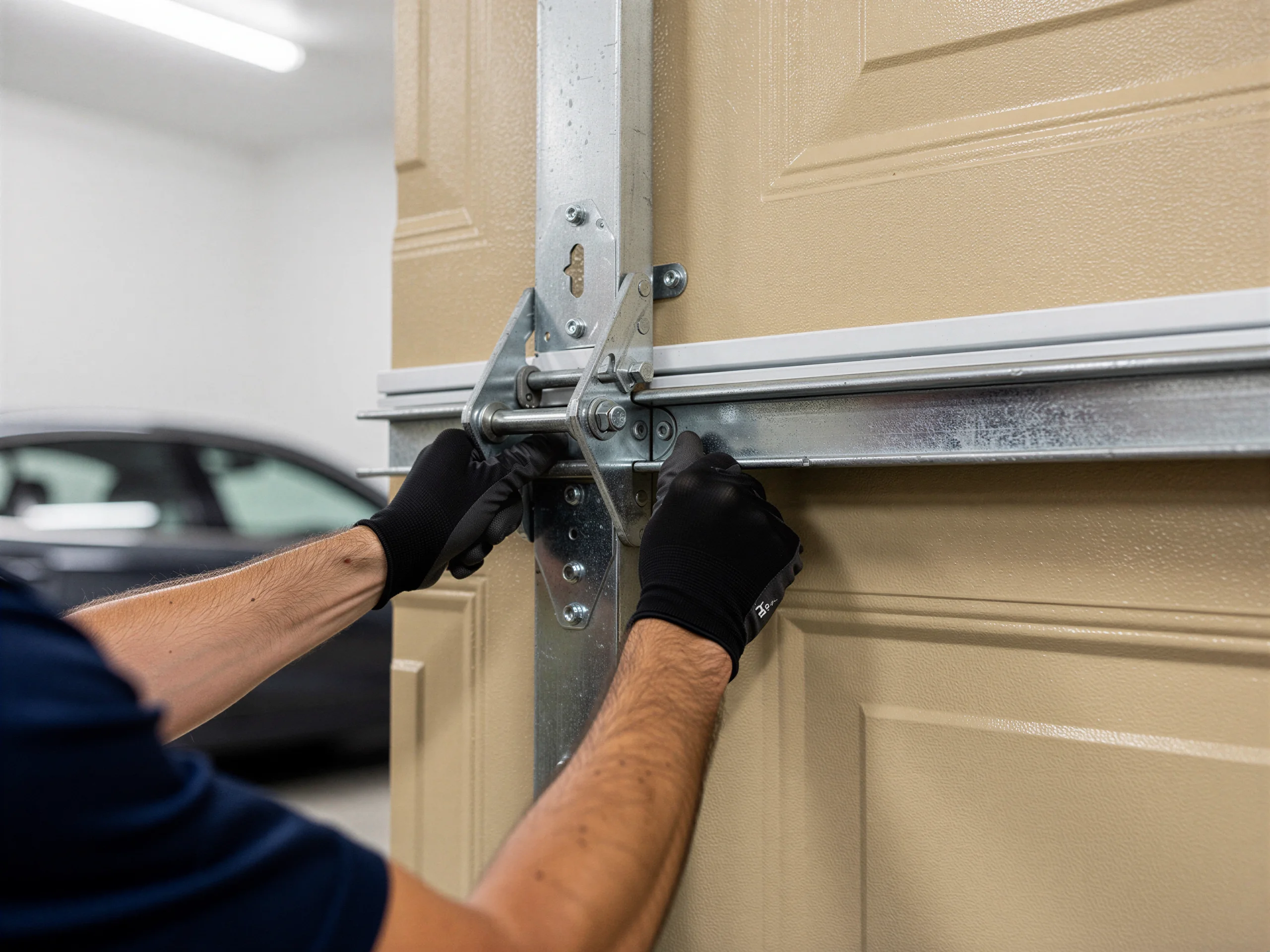
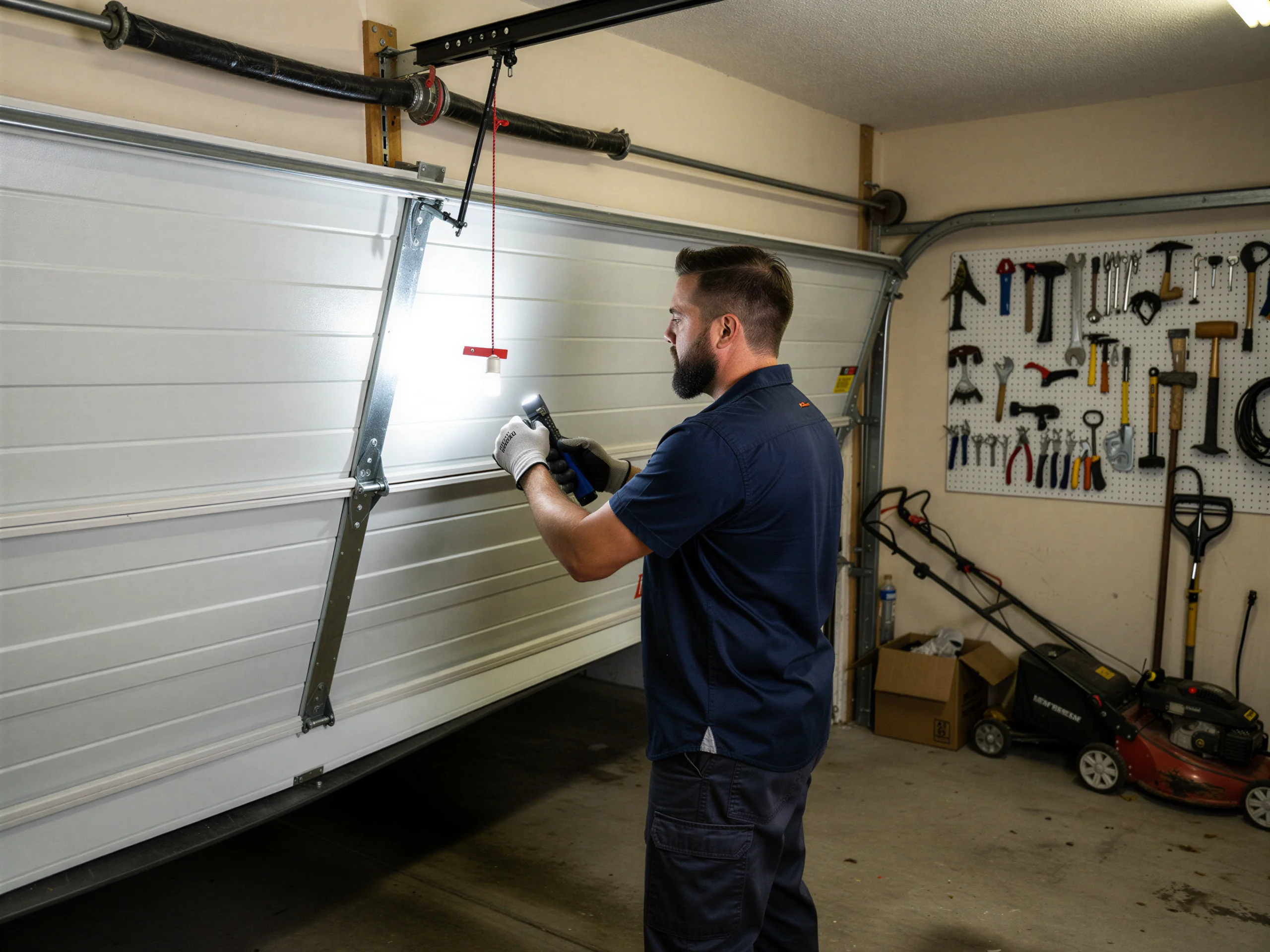
A maintenance visit isn't a quick spray-and-go. We check spring tension and balance, inspect cables and rollers for fraying or flat spots, test the opener's force settings, and run the track alignment by eye and by hand - a door that looks straight can still be binding on one side. On houses built in the early-to-mid 1970s, which is most of Norco, we're usually looking at the second or third generation of opener on the original track, and the two don't always match up cleanly.
We travel from San Dimas to get to Norco, about 19 miles, so we book maintenance visits rather than treat them as drop-everything calls. If something on the door needs a part we don't carry, we'll tell you that up front rather than make a second trip look like it wasn't planned. That's the honest limit of a mobile truck: we stock the common stuff, not everything.
Doing It Yourself
There's real maintenance a homeowner can do between our visits. Wipe down the tracks and check for debris or dents. Listen for grinding or popping when the door runs - that's rarely nothing.
Auto-reverse 2x4 test
Test the auto-reverse safety feature by setting a 2x4 flat on the ground where the door closes; it should bounce back on contact, not keep pressing down. Lubricant matters more here than in a cooler climate.
Heat breaks down grease
This area runs a moderate heat band, and grease on rollers and hinges breaks down faster under sustained warm stretches than it would somewhere mild year-round. A light silicone-based spray every few months keeps things moving instead of grinding.
Spring is off-limits
What you shouldn't touch: the torsion spring itself. It's under enough tension to break a bone or worse if it lets go while you're working on it. That's not a DIY job, full stop, regardless of how simple the fix looks on a video.
Talk to a local pro
Garage door service in San Dimas?
Same-day service with honest, upfront quotes.